
The short answer
Drone ROI for dairy farms comes mostly from crew hours saved on fence line, pasture and barn roof checks, which are repetitive, walk-heavy and easy to route on a schedule. The return is a range, not a promise: the labor side is priced as hours of security-type patrol work the drone takes over, offset by a fixed robot lease payment quoted after a free site assessment. Farms see the clearest case when the drone flies a regular route that replaces the slowest walking checks while the crew keeps the work that needs hands on animals.
Key takeaways
- Most of the return on a dairy comes from outside walking hours on fence, pasture and barn roof checks.
- Savings are a range built from hours, a realistic share of the route, and the fixed lease payment.
- Fence walking time drops sharply in trials, but a drone does not replace animal care or milking.
- Commercial fence flights fall under FAA Part 107, so the pilot credential belongs in the plan.
- A free site assessment turns the range into a lease quote for your farm.
Run the numbers for your site
Pick your city or state for a real regional number - we use the real BLS wage there. (On the live site this auto-detects from your location.)
What do you want to automate?
The unit runs the repetitive patrol and watch; guards handle the judgment calls.
What is drone ROI for dairy farms, and why does scale matter?
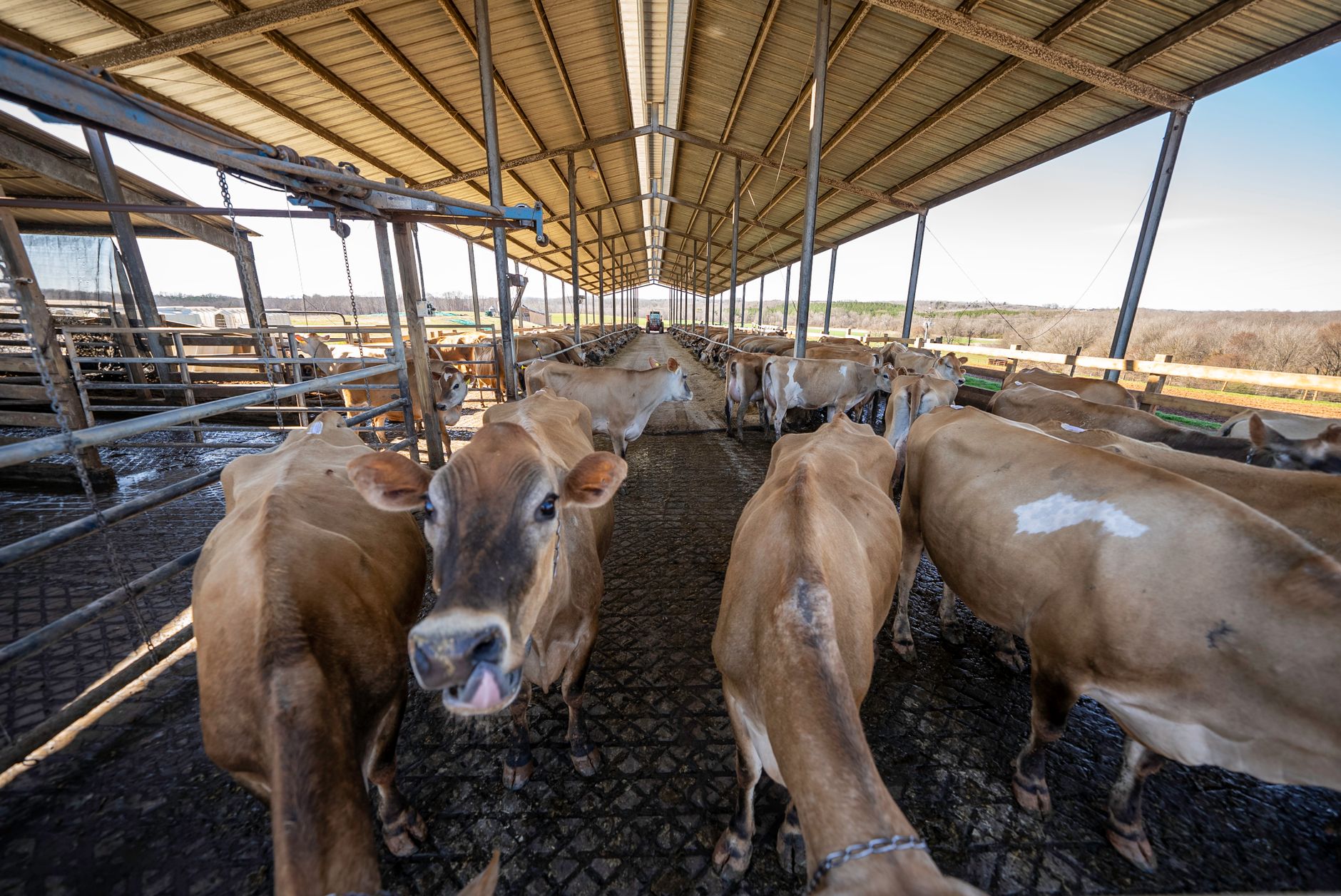
Drone ROI for dairy farms is the value of crew hours a drone gives back, measured against the cost of leasing and running the aircraft. On a dairy, the work drones touch is outside work: fence lines, paddocks, pasture edges and barn roofs. These checks repeat every week, and they pull people away from milking, feeding and animal care.
Scale explains why the question keeps coming up. According to the USDA NASS Milk Production report for May 2026, U.S. milk cows totaled 9.67 million head, 184,000 more than in May 2025. The same report counted 9.23 million milk cows in 24 major states and put May milk production at 20.6 billion pounds, up 2.3 percent from May 2025.
Bigger herds usually mean more acres to walk and more fence to check, so the drone case grows with the property as well as the cow count. The NASS report also puts output at 2,128 pounds per cow for May, 8 pounds above May 2025. Your return depends on your own acres, routes and crew time rather than national totals, but the national figures show that routine outside work is not shrinking.
Where does the drone return come from on a dairy?
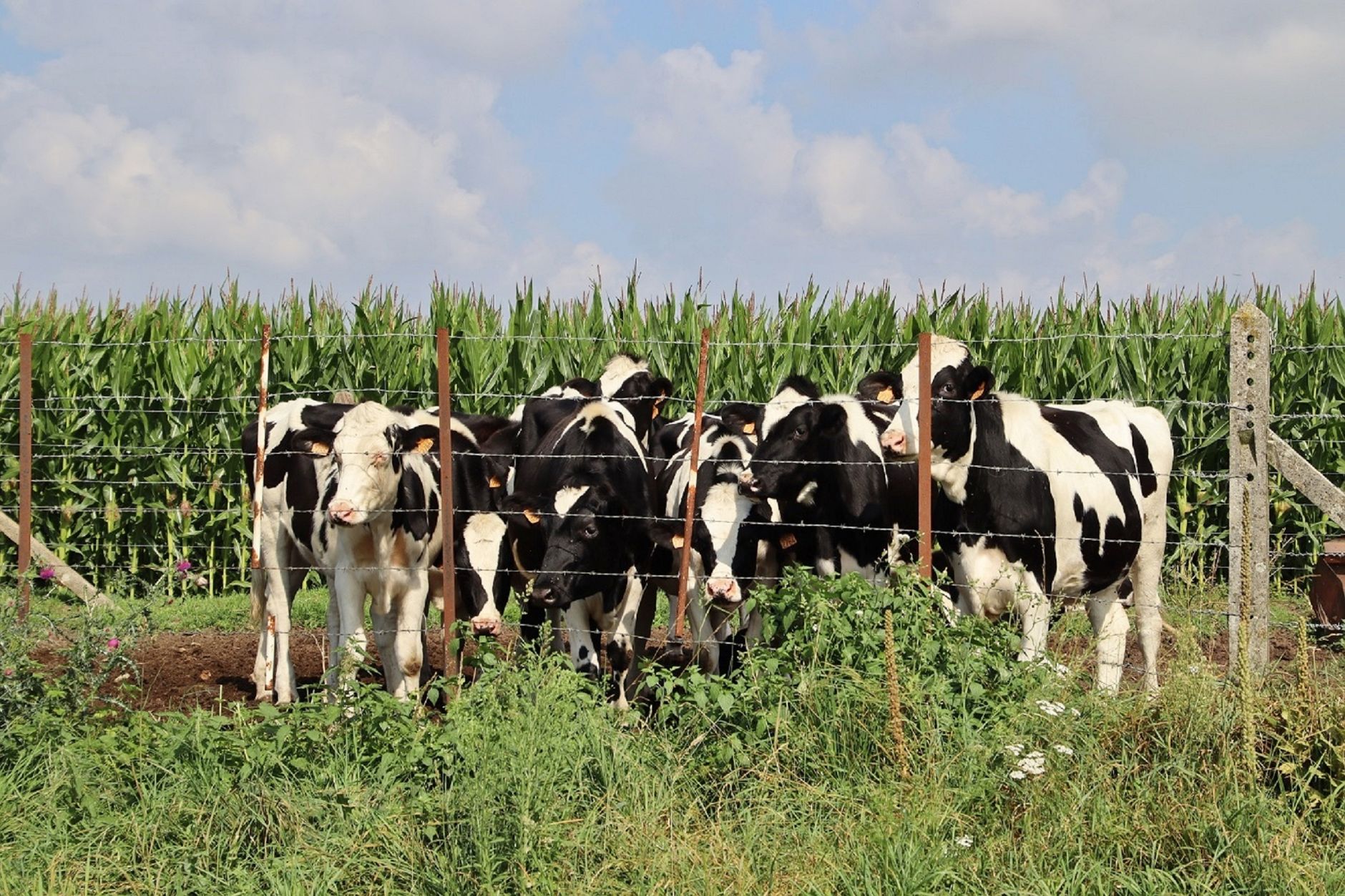
The return starts with walking. In a grazing farm trial documented in a SARE final report, inspecting 1.5 miles of fence took 7 minutes by drone, 15 minutes by ATV and 45 minutes on foot. The same farm inspected its fence about seven times a week by drone, against once a week on foot, because the cheaper check made frequent checking practical. That trial was on a livestock grazing farm, not a dairy, so treat the figures as a starting point.
A dairy has the same kind of job spread over more ground: fence around lots and fields, pasture edges, water lines and the roofs of barns and sheds. A route flown on a fixed schedule gives the farm a quick view of a fallen fence section, a broken gate, a loose roof sheet or a herd bunched in the wrong corner, without a person walking the whole property first. The drone sees the outside of the farm only, so it does not replace checks inside the barn.
Pasture work is where timing matters. A drone can look at fence condition and pasture edges on the same morning the crew would otherwise be busy with milking, so the outside check no longer waits for a free hour. The University of Kentucky Extension fence guide, AEN-159, describes regular fence walking as impractical for many producers and says drones can speed inspections, though its excerpt gives no timed figure.
Median hourly wage, Security Guards
$4,317
Monthly cost of one full-time worker, at the median wage plus payroll costs (an estimate, not a quote).
| Task | Today | With a robot |
|---|---|---|
| Walk 1.5 miles of fence line | 45 minutes on foot | 7 minutes of drone flight |
| Fence check frequency | about once a week on foot | about seven times a week by drone |
| Weekly fence and property inspection visits | over three hours a week before a drone system | management visits down 60 percent in the case study |
| Barn roof and paddock edge checks | not timed in our sources | set at the site assessment on your routes |
| Route setup and image review | not part of the walk today | time measured during the pilot period |
Hour figures come from a grazing farm fence trial (SARE final report) and a vendor case study of a Texas cattle ranch, not from dairy studies. Drone flight time excludes setup and review, which the site assessment measures.
How does the savings math work?
Drone ROI for dairy farms rests on four parts. The first is the hours a drone takes over each week, multiplied by the hourly value of that work. The second is a realistic share of those hours, because the drone will not cover every task. The third is the fixed lease payment and service over the lease term, and the fourth is any cost avoided when a fence break is found early instead of late.
For the labor side, we price the work as security-type patrol hours, because fence, edge and roof checks are the closest match to that kind of work. The government wage data on this page for security guards sets the hourly value the calculator uses. Milking, feeding and animal handling are not priced into the return, since the drone does not do them and the crew's time on them is not what the drone replaces.
The realistic share is the input most farms get wrong. Ground-level checks, weather days, battery changes, repeated flights and time spent reviewing images all stay with people. A site assessment measures the route, the flight time and the review time, then converts them into the share the drone can cover. The result is a range, because the share, the hourly value and the route frequency each move the number.
The calculator assumes a planning headcount of two people doing this kind of work at one site. That figure is a planning assumption, not a published count, and the site assessment replaces it with the crew you actually have and how often they walk each route.
What changes the number up or down?
Route length does most of the work. A farm with several miles of perimeter fence and many paddocks has more walking to replace than one with a short fence and a single barn, so the drone's share of crew time rises with route length. Frequency matters too. A check done once a week saves far less over a month than the same check done several times a week, because the drone makes repeat checks cheap to fly.
Obstacles and airspace push the number down. Trees, power lines and buildings raise collision risk at the lower altitudes that give better image resolution, and the University of Kentucky guide advises operators to control speed and altitude around animals not used to drones. Each obstacle adds planning, may shorten the route and lowers the share the drone can cover.
Weather and herd behavior also move the figure. Wind and rain stop flights, and every stopped flight returns that check to the crew. Animals that react strongly to aircraft mean the route has to stay farther from the herd, which can leave part of a paddock to people. None of this removes the return, but it is why the range stays wide until the site is measured.
Does high labor turnover on dairies change the case?
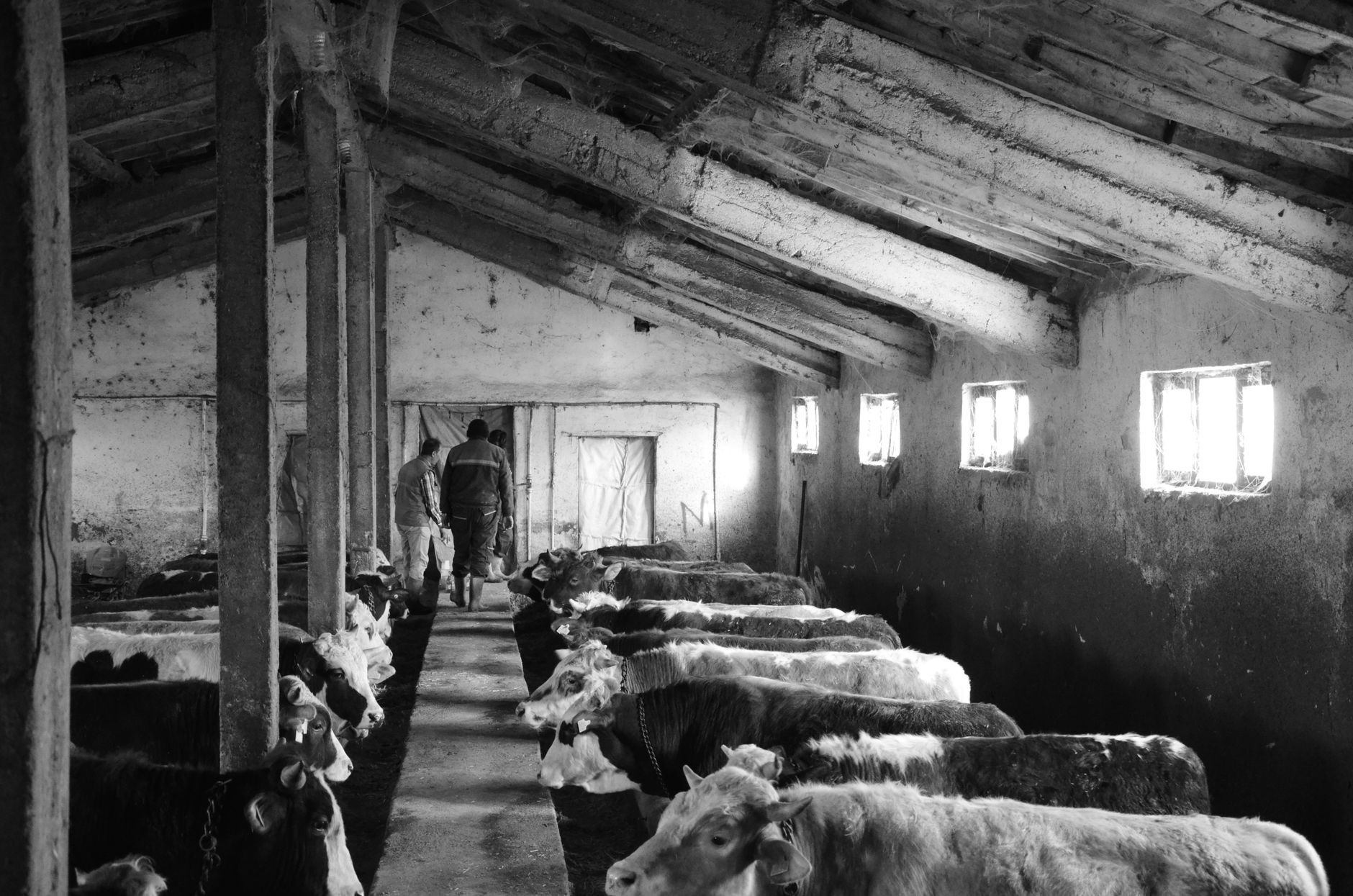
Turnover is one reason farm managers look at drones. A UW Extension and Center for Dairy Profitability survey of about 200 Wisconsin farms reported employee turnover over the last 12 months ranging from 11 percent to 44 percent for most farms. When people leave, their work is split among those who stay, and outside checks are often the first thing dropped.
A drone does not fix turnover, and it does not replace the people who milk, feed and care for animals. What it can do is take patrol-type checks off the crew that remains, so a short-staffed week does not mean a fence goes unchecked. That is the labor we price, in security-type patrol hours, rather than the time of dairy workers doing animal work.
The risk is planning for the wrong crew. If a new hire needs time to learn the farm, the drone may need more supervision in its first season and the payback clock starts later. Training the people who will fly and review the data is part of deployment, and the timeline should count it.
What risks can hurt the return, and how do you avoid them?
The biggest risk is a route that cannot be flown legally or safely. Commercial fence inspection falls under FAA Part 107, which requires a Remote Pilot Certificate, and the University of Kentucky guide describes collision risk near trees, power lines and buildings. A route that needs constant override or repeated permission checks removes the hours the farm was counting on.
The second risk is the animal and the sightline. A sheep trial in Victoria, Australia, found drones did not save time on large-paddock welfare checks because of line-of-sight and battery limits. Treat the aircraft as a tool for fences, edges and roofs, not for a full paddock inspection, and keep flights clear of animals not used to drones.
The third risk is overreach. Farms that point the drone at everything, including checks that need a person to look closely at a particular animal or gate, see the hours saved fall short. Start with the routes that repeat, log the hours over a sustained trial period and widen the route only when the log supports it.
How does injury risk factor into the case?
Farming is one of the more hazardous sectors for workers, which is why reducing walking and exposure matters. According to BLS fatal injury data summarized in a statistics chart, farming, fishing and forestry recorded about 22 fatal injuries per 100,000 workers in 2024. The National Institute for Occupational Safety and Health, as summarized on the CDC website, reported 18.6 deaths per 100,000 full-time equivalents in agriculture, forestry, fishing and hunting in 2022, against 3.7 for all U.S. industries.
For context, the national all-worker fatality rate for 2024 was 3.3 per 100,000 full-time workers, as cited in a Minnesota worksite safety report from February 2026. The same report counted three worker fatalities in dairy farming in Minnesota in 2024. Those are one state and one year, so they show the scale of the hazard rather than the risk on any single farm.
A drone can move some fence and roof checks off foot and out of the path of equipment, which lowers exposure on those tasks. It does not remove the hazards of dairy work, because the crew still works around animals, machinery and manure, and the drone adds its own airspace rules. Treat injury reduction as a side benefit, and count it in the range only if the farm's safety program agrees to measure it.
What is a realistic timeline from assessment to payback?
The timeline runs in phases, and the first phase sets the rest. Assessment comes first: we map the fence lines, paddock edges and barn roofs, check airspace and record the crew hours now spent on those checks. Next come the route build and test flights, then staff training and a go-live period in which the crew compares the drone's images with its own checks.
Payback is read from the hours log, not from the first flight. Once the route runs on schedule, the farm compares logged hours against the crew hours it had before, using the same wage and share assumptions the range was built on. Because the range stays wide until the route is measured, the early months should be treated as calibration rather than a final verdict on the return.
Lease terms and the start date come in the quote that follows the site assessment. Financing lets a farm start without a large upfront outlay, and the payback check then compares the lease payment and service cost with the hours saved. Weather, herd moves and staff changes can shift timing, so the plan should name who reads the log and how often.
How do I get a precise figure from a free site assessment?
A free site assessment turns the range into a number for your farm. Bring the fence length, the paddock layout, the barn and shed roofs, the routes the crew walks and how often they walk them, and any airspace or obstacle concerns near the property. We measure those routes, the flight time and the review time, and the share the drone can realistically cover.
From that, we pick the right drone for the site, offer lease options through financing and quote the fixed lease payment after the assessment, so you see the cost and the hours side by side. We then deploy and integrate the aircraft, train the staff who will fly and review the data, and service it nationwide. One partner handles the whole cycle, so the farm is not coordinating several vendors.
Ask for the range in writing with its assumptions shown: the hourly value used, the share of the route covered, the lease term and the hours per week. A range you can check against your own crew log is more useful than a single figure, and it shows which input to measure first if the number moves.
Frequently asked questions
Want a drone at your dairy farm?
Tell us about your site. We will recommend the robot, quote the lease, and keep it serviced.
Sources
- US Bureau of Labor Statistics, Occupational Employment and Wage Statistics (OEWS May 2024)
- USDA NASS Milk Production report, May 2026
- University of Kentucky Extension AEN-159, drone fence inspection guide
- SARE final report, livestock grazing farm drone fence inspection
- UW Extension, farm employment in Wisconsin
- Minnesota worksite safety report, February 2026
- BLS fatal injury rates by occupation, secondary chart summary
- CDC NIOSH agriculture safety page
- Texas cattle ranch drone case study, vendor published