
The short answer
Drone ROI for stadiums comes mainly from moving roof, cable rigging and high steel inspections off lifts and rope crews, and from taking scheduled perimeter and watch hours off guard shifts. The calculator shows a savings range rather than a promise, and the range depends on how much of that work a drone can realistically cover at the venue. A lease quote follows a free site assessment that measures the hours on your own property.
Key takeaways
- Drone ROI for stadiums comes from inspection hours at height and scheduled perimeter watch hours.
- The savings math prices security guard type work and nets out the lease cost.
- Turnover in security work is high, so covering empty shifts is part of the value.
- No verified national stadium count or per-venue headcount was found, so site data sets the number.
- A free site assessment turns the savings range into a lease quote built on your hours.
Run the numbers for your site
Pick your city or state for a real regional number - we use the real BLS wage there. (On the live site this auto-detects from your location.)
What do you want to automate?
The unit runs the repetitive patrol and watch; guards handle the judgment calls.
What return can a stadium expect from drone ROI?
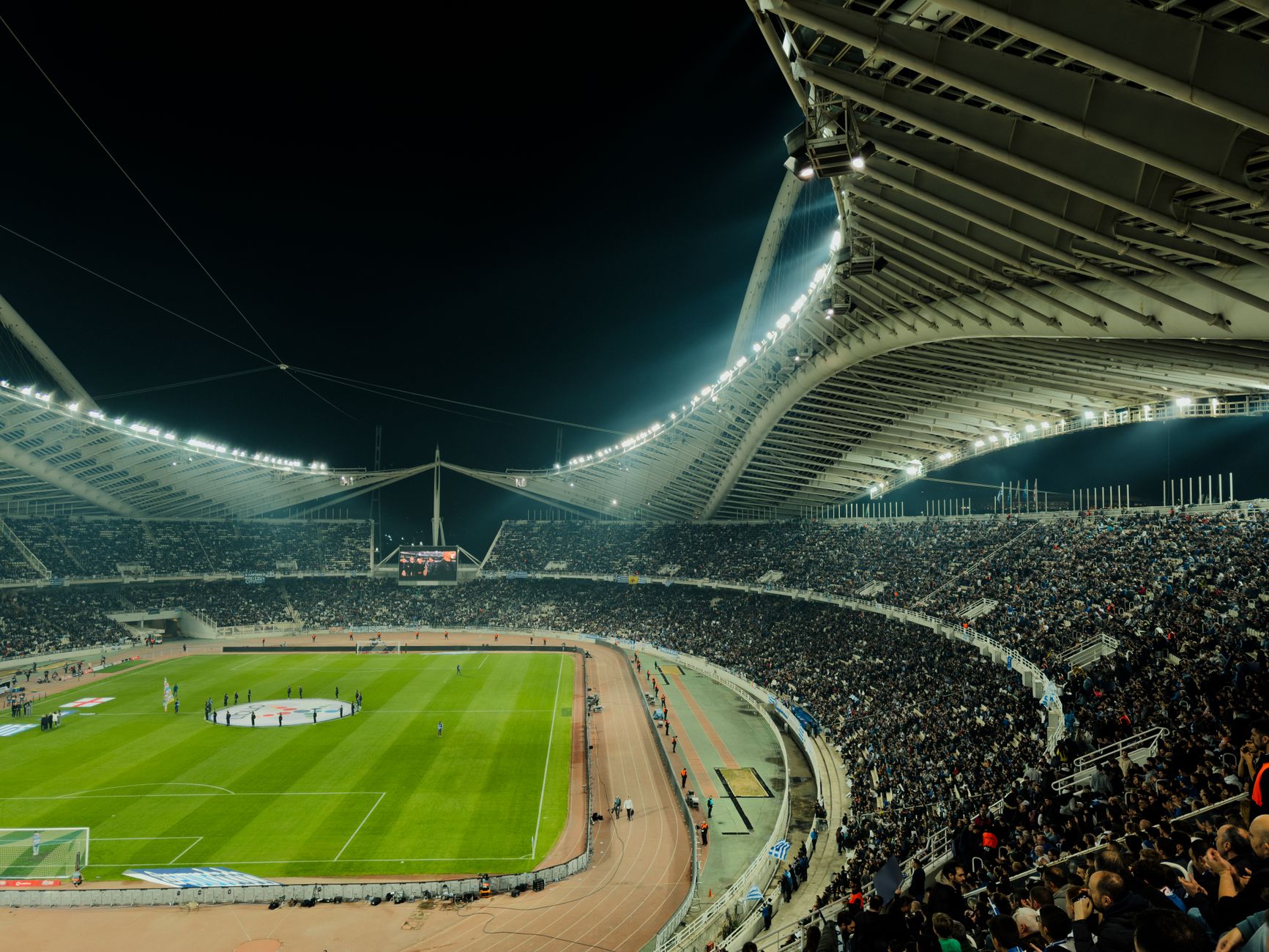
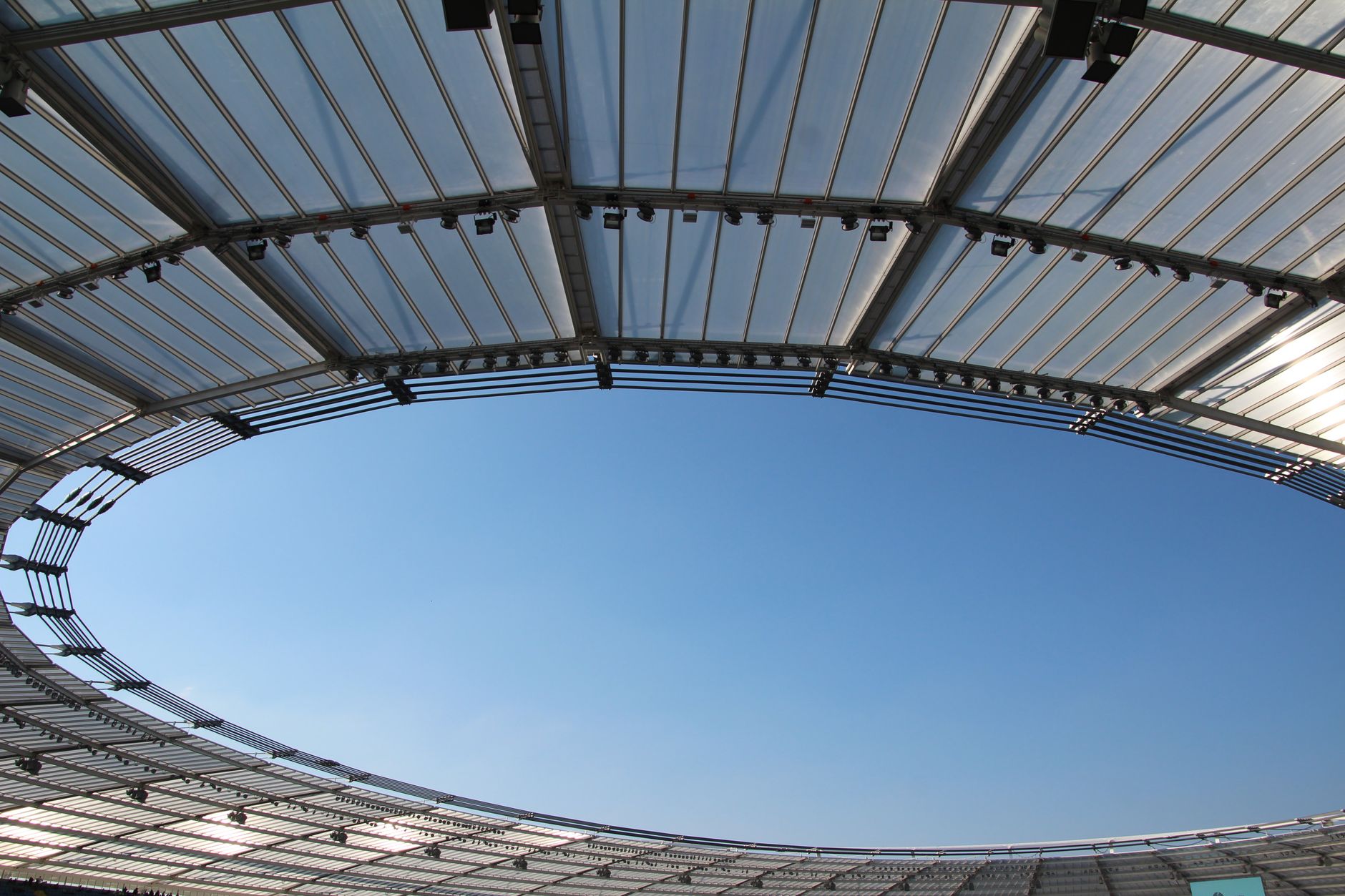
Drone ROI for stadiums rests on two kinds of work that a drone can take off the schedule. The first is inspection work that now needs a lift, a rope crew or a scaffold: roof membranes and seams, cable rigging, lighting trusses and high steel. The second is watch and perimeter work that a person covers on a shift, such as checking gates, fences, loading areas and the building exterior between events.
The calculator on this page prices the savings on the second kind of work, using the government wage data for security guards shown beside this text. The first kind is measured in hours of crew time and is not priced into the savings range, because those crews belong to another trade. The assessment records their hours so you can see what the drone would replace, without the calculator assigning a value to their time.
The result is a range, not a promise. Its width depends on how many of those hours a drone can realistically take over at your venue, given airspace limits, roof access, event schedules, insurer terms and facility rules. Treat the range as a planning estimate until a site assessment confirms the hours on your own property.
Where does the return come from at a stadium?
Roofs and high steel carry most of the fall risk, which is why they cost so much to inspect by hand. According to BLS Economics Daily, roofing contractors accounted for 26.0% of construction fall, slip and trip fatalities in 2023, with 110 deaths. Falls, slips and trips made up 39.2% (421) of all construction fatalities that year. Those figures cover contractors, not venues, but they show where the danger sits when a person works at height.
The NRCA data bulletin, using 2022 data, reported that roofing workers had the highest construction fatality rate, at 57.5 per 100,000 FTE workers. Roofing Contractor, citing BLS, reported 134 roofing fatalities in 2023, up 8% from 124 in 2022. A stadium's own roof crew may be small, or the work may go to a contractor, but the hazards are the same. A drone moves the camera up instead of sending a person up.
Federal workplace safety figures point the same way. According to a November 2024 Department of Labor release, as reported by Claims Journal, OSHA investigated 826 worker deaths in fiscal 2024, down 11% from 928, and fatal falls under its Falls National Emphasis Program dropped from 234 to 189. Those figures are preliminary.
The second source of return is the record. A flight produces dated imagery that can be compared from one inspection cycle to the next, so the maintenance plan rests on what changed rather than on what someone remembered. That record saves desk time even at venues where nobody climbs, and it gives the planner something to show the owner and the insurer.
Median hourly wage, Security Guards
$4,317
Monthly cost of one full-time worker, at the median wage plus payroll costs (an estimate, not a quote).
How many stadiums are there in the US, and does that count matter?
No authoritative national count of stadiums turned up in this research. Search results gave figures for stadiums above certain seat thresholds, but the original publisher could not be confirmed, so this page does not repeat them. Counts also shift with the capacity threshold and the venue type, which makes one national figure hard to use for planning a single venue.
A count of businesses is no substitute. IBISWorld reports about 4,065 businesses in US sports stadium construction in 2026. Those are construction firms rather than venues, so the number describes the contractors who build and repair stadiums, not the buildings that need inspecting. The number that matters for your decision is your own inventory of roofs, steel and seating decks, measured in the site assessment.
Headcount has the same gap. The research did not find a verified count of people doing stadium inspection or patrol work at one venue, so this page does not state one. The typical headcount carried with this page is a floor of one, meaning at least one person assigned to the work at a venue. It is not a survey result, and the assessment sets the real figure.
How does the savings math work?
The calculator starts with the government wage data for security guards, shown beside this text. It multiplies the local wage for this job by the hours of security guard type work the drone takes over in a year. Those hours are the perimeter checks, gate and watch rounds, and event night walks that a person would otherwise cover, and they are the only labor the savings range prices.
The second step is the share. A drone rarely takes every hour of a task. Weather, event closures, airspace limits and flight planning all reduce what it can cover, so the calculator applies a realistic share rather than assuming all of it. The third step nets out the lease cost, which is quoted after a free site assessment, along with any pilot time, data processing and insurance the venue adds. The remaining range is the savings figure the calculator shows.
The labor pool behind those hours is large and not growing. The BLS Occupational Outlook Handbook counted 1,272,400 security guard jobs in 2024 and projects little or no change, 0%, from 2024 to 2034. The handbook lists a high school diploma as typical entry education, so the constraint is keeping people rather than meeting entry requirements. Turnover is the more practical pressure. UC Berkeley Labor Center data, as reported by TheNextWeb, put annual turnover in US security guard work at 89% in 2024, against 66% across the private sector, and the gap has held for about a decade. When turnover runs that high, much of the value lies in covering shifts that stay empty, not only in trimming a payroll line.
Which hours does a drone take over, task by task?
The hours fall into two groups. For inspection, one vendor guide estimates that a large, complex commercial drone inspection takes 2 to 4 hours of work, including a full survey, an orthomosaic and thermal imaging, according to Drone Launch Academy. That is a vendor estimate, not an independent measurement, and it covers flight and processing for one structure rather than a whole stadium. Use it as a starting point for the assessment, not as a quote for your venue.
For patrol and watch work, the hours depend on the venue's own schedule. A perimeter walk, a gate round or an event night sweep has a fixed length at each site, and the assessment measures it on the ground. The research did not find verified hours for stadium patrol or roof inspection per shift, so the table below describes each task in terms the assessment can confirm instead of stating figures we did not verify.
Read the table as a map of where hours go, not as a total. The total only becomes real after the first full event cycle, when measured flights replace estimated ones.
How does a drone compare with a person on the roof and in the bowl?
A drone and a person are not interchangeable, and a fair comparison shows where each one wins. The drone wins on time at height, repeat imagery and keeping crews off the roof during a flight. A person wins on touch, judgment and response, and the table below keeps those points visible.
In practice most venues do best with the drone on scheduled surveys and fixed perimeter routes, and people kept for hands-on repair, incidents and anything that needs a decision on the spot. That split keeps the savings on the repeatable work and keeps trained people where judgment matters most.
- Time at height
Drone
Flies over roofs and steel without anyone climbing
Staff
Needs a lift, rope or scaffold and a trained crew
- Repeat imagery
Drone
Same routes and angles each cycle, with dated records
Staff
Notes and photos that depend on the inspector who walked it
- Close inspection
Drone
Sees surface change and heat patterns from the air
Staff
Wins here: can touch, probe and judge a fitting or seam up close
- Incident response
Drone
Records what happened but does not intervene
Staff
Wins here: can respond, make a decision and handle the follow up
- Weather
Drone
Limited by wind, rain and poor visibility, so it needs a fallback day
Staff
Works in more conditions, though high wind and wet steel still stop the job
- Event night coverage
Drone
Flies scheduled routes while the venue is in use, within airspace limits
Staff
Covers the same ground on foot and can be redirected on the spot
What changes the number up or down?
The biggest swing factor is how much of the work is repeatable. Scheduled surveys and fixed routes convert well into saved hours. Unscheduled incidents, complex roof geometry and frequent event closures convert poorly. The number also moves with the age and access of the structures and with how much of the year the venue is in use for events.
Two inputs often get missed. One is the time spent planning each flight and clearing it against airspace and event schedules, which reduces the hours a drone can take over. The other is the staff owner. A program with no one assigned to review flights and act on findings can lose its value quickly once the person who runs it moves on. The checklist below covers what to confirm before trusting the figure.
What are the risks to the return, and how do you avoid them?
The first risk is overestimating the share. If a venue assumes a drone takes every hour, the savings range will look better than the operation delivers. Plan with a realistic share, measure it across one full event cycle, and widen the schedule only after the measured hours support it. The second risk is airspace and rules. Flights near an active venue need planning and the right permissions, and an event day can close airspace with little notice.
The third risk is the people side. Turnover in security work is high, so a drone program fails when no one owns it. Name a staff owner, train a backup, and keep the procedures written so the program survives a change in personnel. The fourth risk is data. Imagery only helps if it is stored, labeled and compared, so decide who reads each flight report before the first flight.
We pick the right drone for the site, lease it through financing, deploy and integrate it, train the staff and service it nationwide. That covers the hardware and the handover, while the venue keeps ownership of the schedule, the procedures and the decisions the drone reports on.
How long from assessment to payback, and how do you get a precise figure?
The sequence runs in stages. The free site assessment maps the roofs, steel and seating decks, measures the patrol routes, and confirms airspace and insurance requirements. We then build a flight plan and a staffing plan, and the lease quote follows. The drone is deployed and integrated, staff are trained, and one full event cycle is run to measure the real hours. That measurement is when the range narrows.
Payback is calculated from those measured hours rather than from the first estimate, so the timeline follows the venue's event calendar. A venue with frequent events gathers measured hours faster than one with a quiet season. To get a precise drone ROI for stadiums figure, request the free site assessment with your roof and structure drawings, patrol routes and event calendar. You will receive a lease quote and a savings range built on your numbers rather than on ours.
Frequently asked questions
Want a drone at your stadium?
Tell us about your site. We will recommend the robot, quote the lease, and keep it serviced.
Sources
- US Bureau of Labor Statistics, Occupational Employment and Wage Statistics (OEWS May 2024)
- BLS Occupational Outlook Handbook: Security Guards
- BLS Economics Daily: Fatal falls in the construction industry in 2023
- Roofing Contractor: Roofing remains a top 3 deadliest occupation in the US
- NRCA data bulletin on construction fatalities
- Claims Journal: OSHA worker death investigations, fiscal 2024
- TheNextWeb: Security guard turnover and robots
- Drone Launch Academy: Drone roof inspection guide
- IBISWorld: Number of businesses in sports stadium construction