
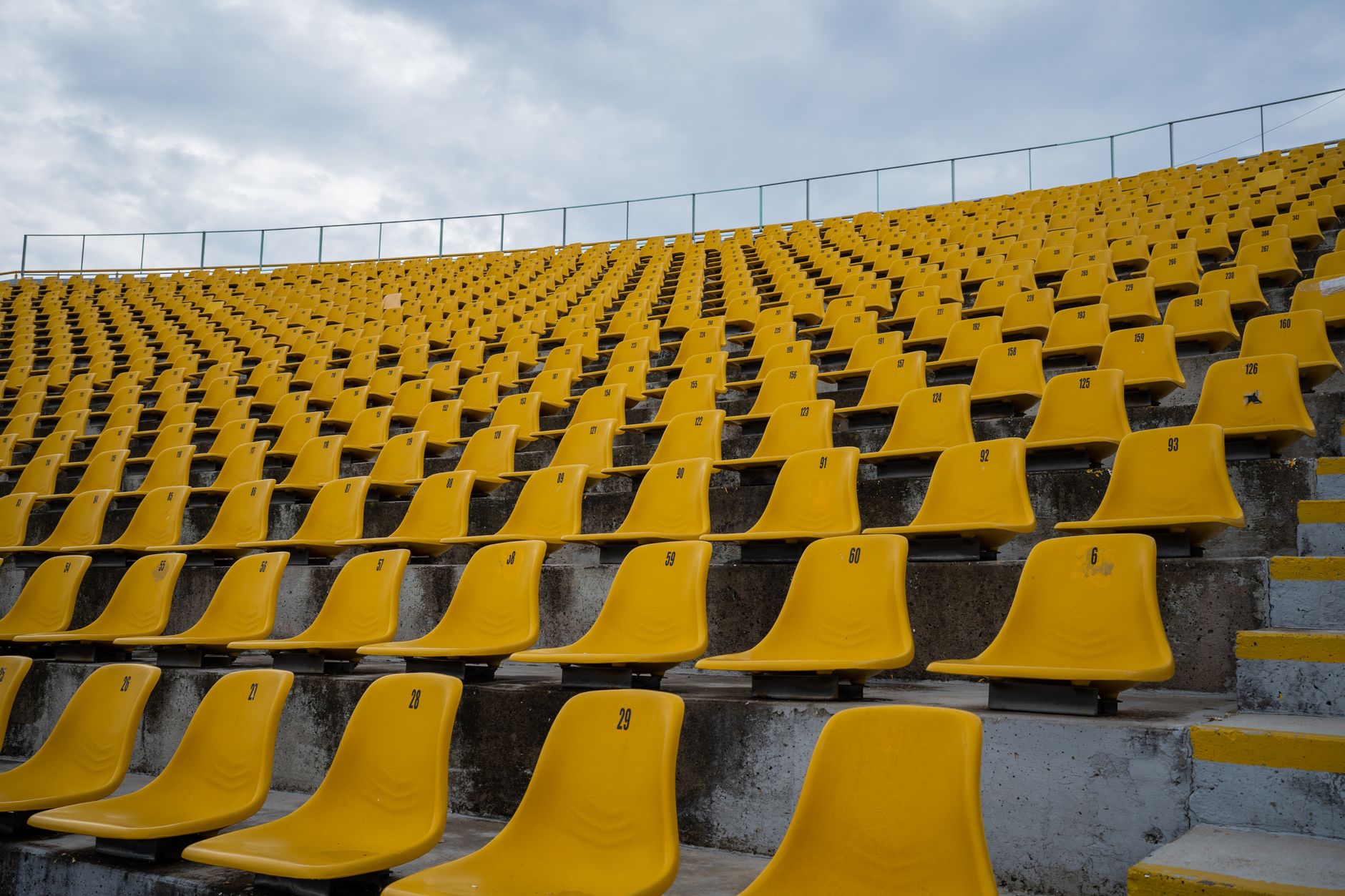
The short answer
Cleaning robot ROI for stadiums comes from taking repeated open floor passes off night staff between events, so the return depends on how many janitor and building cleaner hours the robot covers against a fixed lease payment. The savings range depends on event count, open floor area and how much of the cleaning is open floor rather than restroom or detail work. A free site assessment turns that range into a lease quote for your venue.
Key takeaways
- The return comes from janitor and building cleaner hours the robot takes over, not from cutting headcount.
- Event count sets how many nights the robot runs, which sets how many hours it can offset.
- Open concourse, aisle and food court floors are the work a robot handles well. Restrooms and spill response stay with people.
- Vendor run time claims are not stadium data, so measure your own floor before you decide.
- A free site assessment turns the savings range into a lease quote for your venue.
Run the numbers for your site
Pick your city or state for a real regional number - we use the real BLS wage there. (On the live site this auto-detects from your location.)
What do you want to automate?
The robot runs the open floor overnight; your crew keeps detail and edges.
What is the cleaning robot ROI for stadiums?
Cleaning robot ROI for stadiums is the value you get when autonomous floor scrubbers take repetitive floor passes between events, measured against the fixed lease payment for the robot. Stadiums have a specific pattern. A large crowd leaves at once, wide floor areas need the same passes, and the next event starts on a tight clock. The work repeats on a surface that changes little from night to night, which is the kind of task a robot can run on a set route.
The return is not a headcount decision. Most venues keep staff on site for restrooms, spills, guest facing duties and inspection, and those people are still needed. What changes is how many hours of janitor and building cleaner work fall to staff in the window after an event, and how many of those hours move to a machine that runs without an operator.
Adoption is still early. A 2019 AACEM and ISSA survey of nearly 23,000 contractors and facility managers found that 69 percent of facility and property managers had not used autonomous cleaning equipment, according to an FMLink summary of the survey. About one third of those who had not adopted said they were likely to within a year, so many venues would be starting from a first trial.
Where does the return come from in a stadium?
The return comes from three places. The first is labor hours offset. The robot covers open concourse, aisle and food court floor passes that would otherwise take crew hours after the last guest leaves. The second is timing. A robot can start when an event ends and run through the night, so the floor is ready before the next morning crew arrives and staff are not pulled from other work to keep up.
The third is consistency. A crew stretched across restrooms, spills and guest duties can shorten or skip floor passes when the night runs long. A machine runs the same route on the same schedule, which gives the venue a steadier floor condition for the next event. That matters most where one event follows another within a day or two.
The labor side of the math uses the government wage data on this page for janitors and building cleaners, the occupation whose work the robot takes over. The Bureau of Labor Statistics counts 2,447,700 jobs in this occupation in 2024 and projects 2 percent growth from 2024 to 2034, according to its Occupational Outlook Handbook. Openings average about 351,300 a year over that decade, including replacement needs, so staffing this work is a steady hiring task rather than a single fix.
Median hourly wage, Janitors and Building Cleaners
$4,041
Monthly cost of one full-time worker, at the median wage plus payroll costs (an estimate, not a quote).
How much floor work is there between events?
Crew size depends on attendance, the size of the floor and how many events the venue hosts. According to FMLink, a stadium cleaning crew guideline scales with attendance, but it gives starting points rather than a standard. The scale is listed below. Treat it as a planning anchor, not a staffing rule for your building.
The event count matters as much as the crew. Each event adds a turnaround, so a venue hosting many events in a year runs more nights of floor recovery than one with a short calendar. According to a Connecticut stadium custodial RFP response, events typically run 30 to 60 a year, which shows how wide the range can be across venues. Ask for the event list for the last two seasons before you size a deployment, because the calendar sets how many nights the robot runs.
The work also comes in bursts. Big events leave heavy soiling across wide areas, while small events leave less. A single average night hides those swings, so the assessment should look at the spread of nights, not just the typical one. A venue with a large open concourse and seating bowl carries more floor than a crew can cover by hand in the window, which is where a robot has room to work.
- Venues up to 1,000 people: 5 to 7 staff
- Venues up to 5,000 people: 10 to 15 staff
- Venues up to 10,000 people: 15 staff
How does the savings math work?

The math has four inputs. The first is the hours of janitor and building cleaner work per night that the robot takes over, measured on your floor. The second is the share of those hours that is open floor a robot can cover, which is less than the total, because restrooms, spills and corners still need people. The third is the number of nights per year the robot runs, which follows the event calendar. The fourth is the fixed lease payment, plus the staff time to train, load routes and check the robot.
Savings equal the value of the hours offset, valued at the local wage for this job, minus the lease payment and the residual labor the venue still carries, such as a supervisor check at the start and end of each run. The result is a range, not a promise. Each input moves with the venue, so two stadiums of the same size can land far apart.
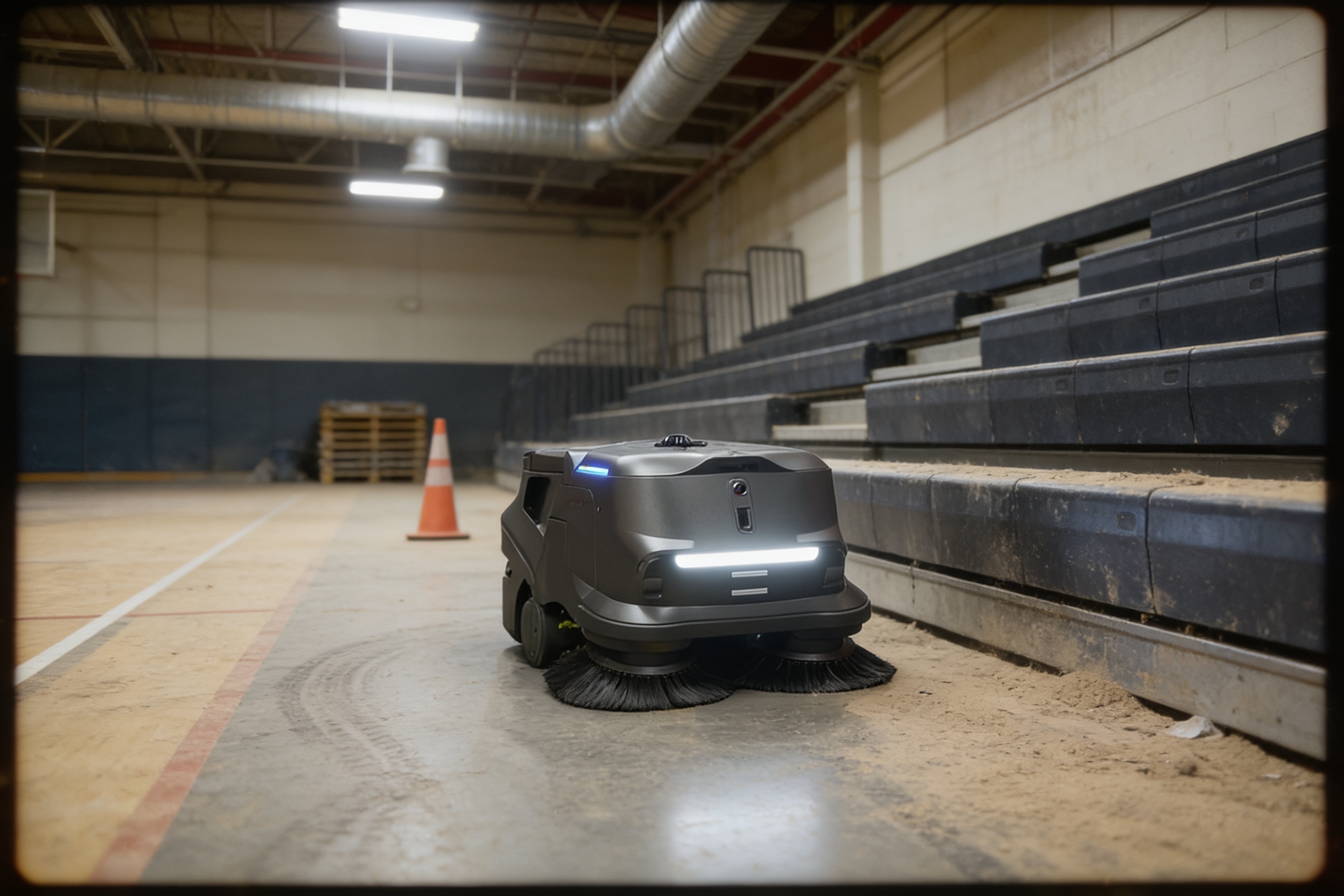
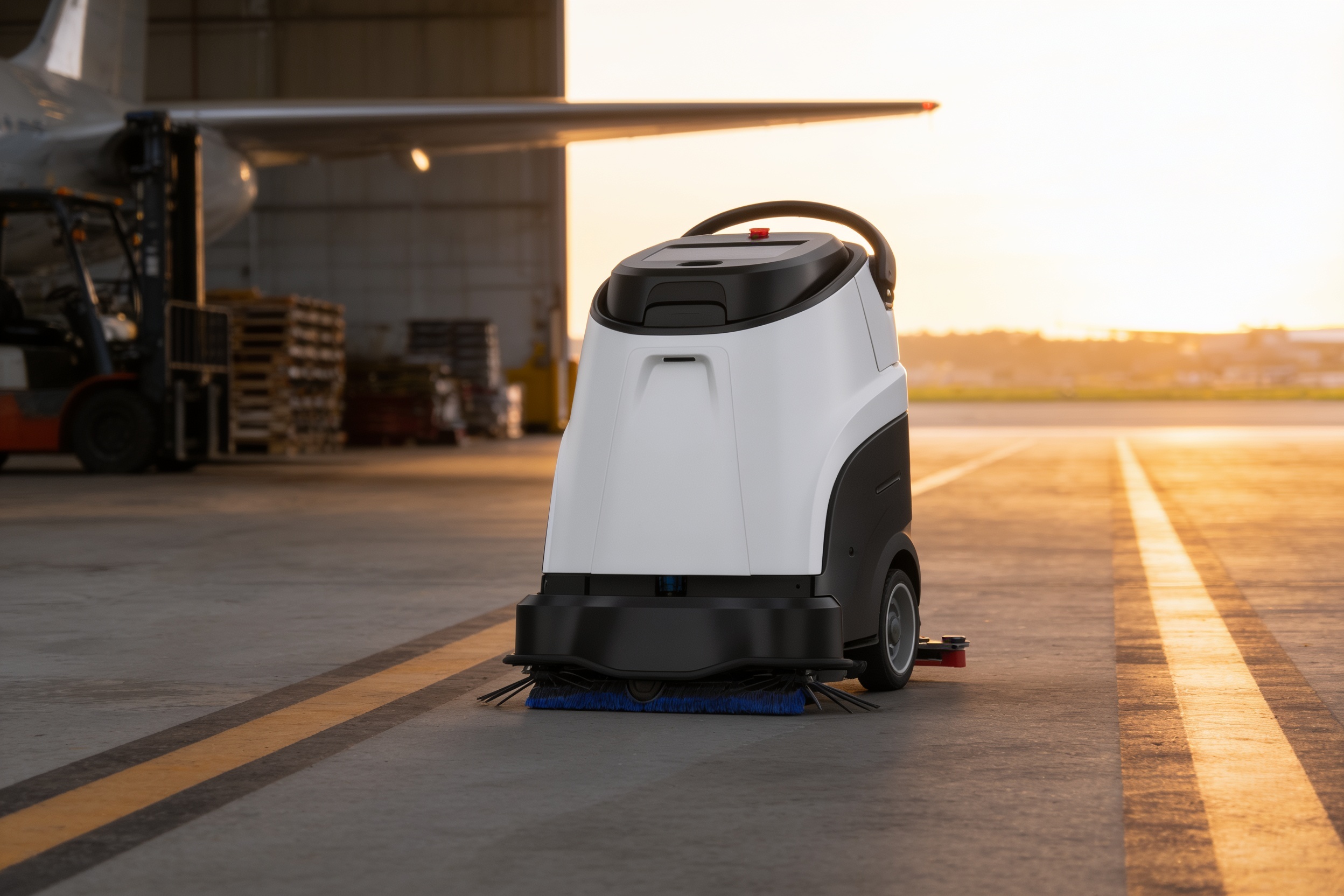
The table below shows which kinds of work move and which stay. The hour values come from your site walk, because national figures do not describe your building. A useful check is to compare the hours offset against the post event cleaning hours in your own schedule, not against an industry average.
What changes the number up or down?
Three factors move the number most. The first is open floor per night, meaning the square footage of concourses, aisles and food court floors that a robot can cover without stops. The second is the event count. The third is how much existing crew time is actually floor work. A crew that spends most of its night on restrooms and spills has fewer floor hours for a robot to take.
Layout matters too. Clear routes, wide walkways and few fixed obstacles let a robot cover more floor per hour. Tight corridors, many fixtures and frequent stops reduce ground covered and lower the offset. Floor surface and soiling matter as well. Heavy soiling after large events may need a staff pass first, which lowers the share the robot can take on that night.
Use the checklist below to test a savings range before you accept it. A range built on open floor, a real event calendar and measured crew hours holds up better than one built on a headline figure. Vendor case studies on other properties describe other buildings, so their run time and area figures should not be carried over to a stadium without measurement.
What are the risks to the return and how do you avoid them?
The first risk is overstating the share of work. A venue that assumes the robot takes all floor work will see a gap when restrooms, spills and event setup stay with staff. Build the range on open floor only, and say so in the proposal.
The second risk is a light event calendar. A venue with few events runs fewer nights, so the fixed lease payment is spread across fewer offset hours. That can still work for a venue with large open floors and long turnarounds, but the savings range will be narrower, and the assessment should show that plainly.
The third risk is an idle robot. Staff must load routes, check sensors and clear obstacles, and a unit that sits unused because no one knows the process returns nothing. Plan training as part of go live, and name a contact for issues on each shift.
Safety is part of the context. The Bureau of Labor Statistics recorded 21,100 nonfatal cases with days away from work for janitors and cleaners, except maids and housekeeping cleaners, in 2020. The incidence rate was 191.6 per 10,000 full time workers, up from 157.4 in 2019. Safety and Health magazine, reporting the BLS release, put the total recordable case rate for all private industry at 2.3 per 100 full time workers in 2024, with an injury only rate of 2.2. Fewer manual night passes can reduce exposure, but that is a reason to look at robots, not a guaranteed saving.
What can a robot not do in a stadium?
A robot covers open floor. It does not clean restrooms, respond to spills on uneven surfaces, remove trash, or handle the detail work around seats, rails and stairs. Those tasks stay with staff, and the savings range should exclude them, or the return is overstated.
Event crews also handle setup, signage and guest support tasks that are not janitor work. The robot takes the janitor and building cleaner type of work off staff, but the people who mainly serve guests keep their own duties, and their time is not part of the savings math.
The practical split is simple. Robots take the repetitive open floor passes on a schedule. People take anything that needs judgment, hands on work or guest contact. Most of the friction in a deployment comes from blurring that line, so write the split into the route plan and the shift handover.
What is the timeline from assessment to payback?
The path runs in stages. The free site assessment maps the floor, counts open area and event nights, and sets the hours offset. A lease quote follows. Deployment and integration come next, including route mapping, schedule setup and a test run on a live night. Staff training and go live support finish the setup before the robot takes full coverage.
Payback depends on the lease cost and the hours offset, so the timeline is set by your numbers. A common approach is to start with one leased unit in a pilot program across a set number of events, then review the hours actually offset before adding units. That keeps the commitment tied to measured results rather than to the first estimate.
Plan for downtime too. Ask how remote triage works, how on site dispatch is scheduled and whether a spare unit option is available. We pick the robot for the site, lease it through financing, deploy and integrate it, train the staff and service it nationwide, and those service terms go in writing with the quote.
How do you get a precise figure from a free site assessment?
Send the venue seating capacity, the event calendar for the last two seasons, floor areas by zone, and the cleaning schedule for the nights after events. We walk the site, map the open floor and measure the hours of night work the robot can take over. That turns the savings range on this page into a figure built on your venue.
A precise figure needs your real hours and event count, not national estimates. Bring the existing crew schedule and the labor hours recorded for post event cleaning. The assessment is free, and it ends with a lease quote that states the fixed payment and the service terms in writing.
If the numbers do not justify a lease at your venue, the assessment will say so. That is the most useful result a venue can get before it commits to a machine.
Frequently asked questions
Want a cleaning robot at your stadium?
Tell us about your site. We will recommend the robot, quote the lease, and keep it serviced.
Sources
- US Bureau of Labor Statistics, Occupational Employment and Wage Statistics (OEWS May 2024)
- Bureau of Labor Statistics, Occupational Outlook Handbook: Janitors and Building Cleaners
- Bureau of Labor Statistics, injury and illness snapshot: Janitors and Cleaners
- Safety and Health magazine, reporting BLS injury data
- FMLink, how many does it take to keep a stadium clean
- FMLink, AACEM and ISSA autonomous cleaning survey
- Connecticut stadium custodial RFP responses