
The short answer
Cleaning robot cost for stadiums depends on how much concourse, seating and walkway floor must be cleaned between events, how short the gap is between one event and the next, and how many units and shifts the schedule requires. Mapping, floor surfaces, crowd traffic, integration with existing systems and service coverage move the lease quote more than the robot model alone. The fixed lease payment is set in a written quote after a free site assessment, once those factors are measured.
Key takeaways
- The gap between events sets how many units and shifts a stadium needs.
- Floor area by zone, surface type and crowd traffic are the largest cost drivers.
- Robots are leased through financing, with the quote issued after a free site assessment.
- Crews still handle suites, restrooms and seats, so the robot shifts hours rather than removing the crew.
- Ask for mapping, training and service scope in writing before comparing quotes.
What does a cleaning robot cost for stadiums depend on?
A cleaning robot cost for stadiums is set by the work the robot must absorb between events, not by the robot alone. The main questions are how much concourse, seating and walkway floor needs cleaning, how short the gap is between one event and the next, and how many units and shifts the schedule requires.
This page covers each factor, what a stadium changeover looks like in labor hours, the costs owners tend to miss, and how a lease quote is built after a free site assessment. We pick the right robot for the site, lease it through financing, deploy and integrate it, train staff and service it nationwide, so the quote describes the whole working setup.
What drives the cleaning robot cost for stadiums?
Floor area comes first. A stadium is not one room. It has concourses, stairways, suites, restrooms and back of house corridors, and each zone adds mapping and route time. A long open concourse is usually simpler to route than a tangle of service corridors, so layout matters as much as square footage.
Surfaces come next. Sealed concrete, terrazzo and carpet need separate heads, pads and settings, and a mixed venue may need more than one configuration. Traffic is the third driver. Concourses that fill in the hour before kickoff need routes planned around crowds, and the robot can only run where people have left.
Shift timing and unit count decide how many robots the schedule needs. One unit working a single overnight window is a smaller job than a fleet covering several levels across back to back events. Mapping, integration with existing systems and service coverage round out the list. The diagram below shows how each one moves the quote.
Why do stadium turnarounds leave so little time?
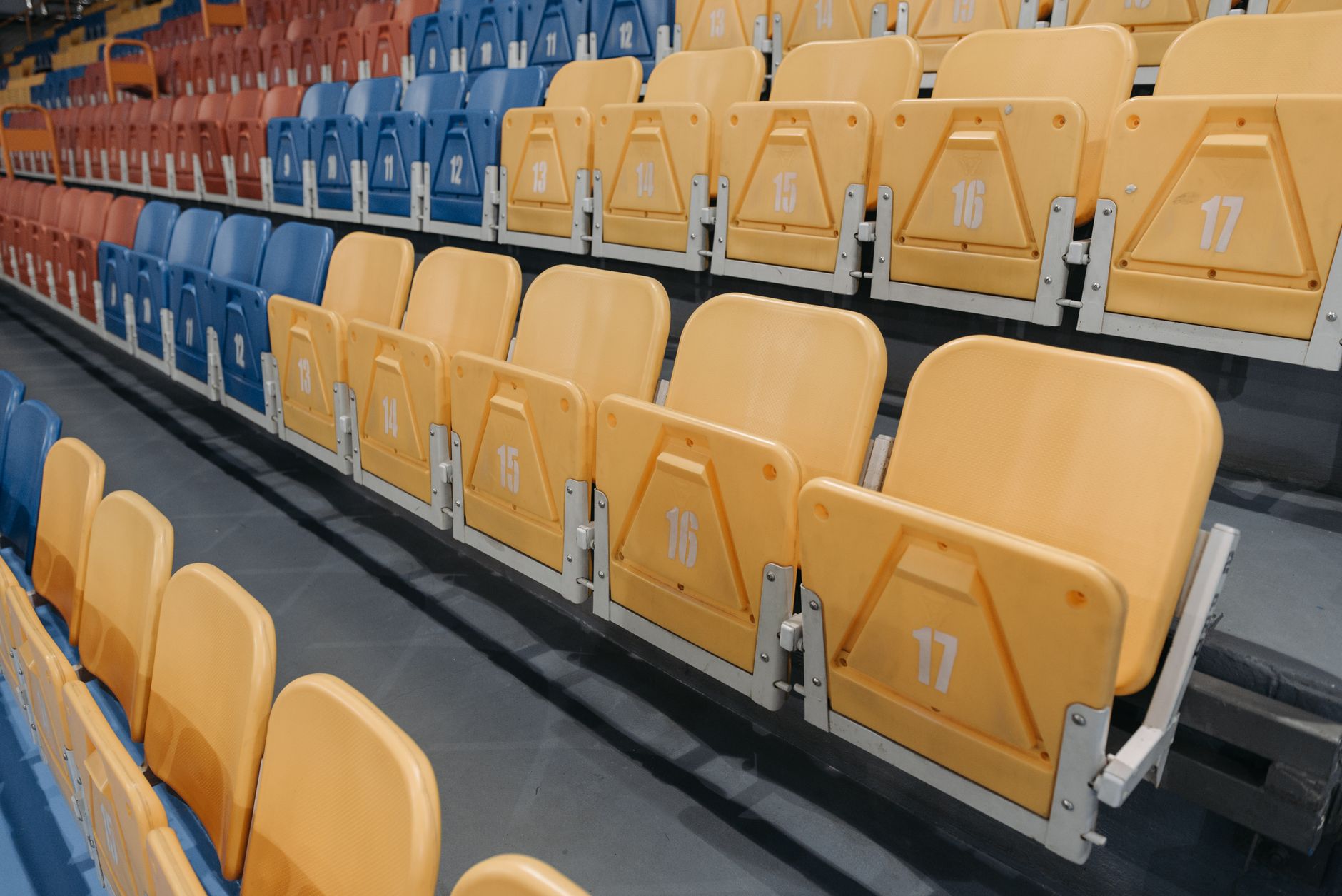
A stadium floor may have hours, not days, to be ready for the next crowd. An ABM case study on a large dome describes crews cleaning and disinfecting seating, suites, restrooms and walkways 'often within just hours' between events. That is a vendor reported account, but it matches how venue teams describe the work: the calendar sets the window, and the window sets the crew size.
Staffing targets show the scale. According to CMM's venue bidding article, desired staffing for a game with 20,000 in attendance is 61 cleaning staff, and twelve workers clean 125 suites or boxes in eight hours. These are published targets rather than a fixed rule, but they explain why a changeover can absorb whole crews before the floor is ready.
The venue base is large. According to Brilliant Maps, a map site and not an official census, 429 US stadiums have capacity over 10,000. The count is a rough guide, but it shows how many venues run their own event calendars and need the same kind of floor readiness.
How many labor hours does a stadium changeover take?
Hours are the clearest way to compare the work. The most specific published figure in this review is the suite example: twelve workers for eight hours to clean 125 suites or boxes, according to CMM. That is one labor block, and it sits alongside concourse, restroom and walkway work that is usually scheduled by separate crews.
The robot takes over repetitive floor passes on mapped routes, which frees crew time for detail work that needs a person. It does not remove the crew. The table below separates today's work from the hours a robot and staff setup changes, and notes where each figure comes from.
What do labor and injury figures say about this work?
The BLS Occupational Outlook Handbook reports that janitors and building cleaners held about 2.4 million jobs in 2024, with about 351,300 openings projected each year on average over the decade. A separate BLS estimate for May 2023 counts 2,172,500 employed in janitors and cleaners, except maids and housekeeping cleaners. That uses a narrower definition, so the two figures should not be added or compared directly.
Injury data show the physical load. BLS reports 21,100 nonfatal injury and illness cases with days away from work for this occupation in private industry in 2020, and an incidence rate of 191.6 per 10,000 full time equivalent workers, up from 157.4 in 2019. Those numbers are a reason to scope repetitive floor passes carefully. No official national rate for 2024 was confirmed in this review.
Adoption is still early. A CMM benchmarking report from 2020 found that 10% of building service contractors used autonomous or robotic equipment, while consideration rose to 29% from 17%. An AACEM and ISSA survey from 2019 found that about one third of people who had not adopted said they were somewhat likely to adopt within a year. Turnover figures for this occupation were not confirmed against official data in this review, so check them against your own hiring records.
How does leasing a cleaning robot through financing work?
Robots are leased through financing. You agree to a lease term and a fixed lease payment set in a written quote, and the financing spreads the commitment across that term instead of concentrating it at signing. The quote is the document that sets the terms, so read it line by line.
The quote is built after a free site assessment, because the numbers depend on the venue. It should state the lease term, the payment, what deployment and integration include, mapping, staff training, service scope, and how a robot that is down on event night is handled. Ask whether maintenance, insurance and go live support are included, and what is excluded.
What can a cleaning robot not do at a stadium?
A floor cleaning robot works on mapped, open floor. It does not clean seats or suites by hand, detail restrooms, handle spills that need judgment, or work outside its route map. It cannot manage crowds, and it cannot clear a concourse that is still full.
Trash collection, seat wiping and disinfection of touchpoints stay with staff. Treat the robot as the repetitive floor pass that runs once the crowd leaves, and plan the rest of the changeover around crews. Well scoped routes should free crew time, but they still need supervision on event night.
How do I get a quote for a stadium cleaning robot?
Start with a free site assessment. Send the event calendar, the hours between events, a floor plan for each level, the surface types, and the shift windows your crew uses. We assess the floor on site, decide the robot and the number of units that fit, and then issue a written quote.
Expect the quote to list the lease term, the fixed lease payment, deployment, integration and mapping, staff training, and service scope. The checklist below covers what changes the number before you decide, so you can check it against your own records.
Frequently asked questions
Want a cleaning robot at your stadium?
Tell us about your site. We will recommend the robot, quote the lease, and keep it serviced.
Sources
- BLS Occupational Outlook Handbook, Janitors and Building Cleaners
- BLS OEWS May 2023, Janitors and Cleaners, Except Maids and Housekeeping Cleaners
- BLS Injuries, Illnesses and Fatalities snapshot, Janitors and Cleaners 2016 to 2020
- CMM, Bidding on Stadiums and Sports Venues
- ABM, Rapid Turnaround Cleaning at Superdomes
- CMM Survey, Pandemic Pushes BSC Technology Trends
- FMLink, AACEM and ISSA Autonomous Cleaning Survey
- Brilliant Maps, US Stadiums by Capacity