
The short answer
Cleaning robot cost for shopping malls depends on how much open floor the robot covers, when it runs, how the building is mapped and connected to doors and elevators, how many units are deployed, and what service comes with the lease. Long concourses and a traffic pattern that shifts between weekdays and weekends set most of those variables. We set a lease quote only after a free site assessment that measures the floor, the hours and the traffic.
Key takeaways
- Concourse length and nightly closing hours move the cost more than any other single factor.
- Mapping, integration and service are the costs owners most often leave out of their first estimate.
- Mall floor hours are not published in the sources we checked, so the site assessment sets the baseline.
- Peak traffic is planned around, so the robot works when the floor is empty.
- A lease quote comes after a free site assessment and should list everything the lease includes.
What does a cleaning robot cost for a shopping mall depend on?
Cleaning robot cost for shopping malls is not one number, because the same robot can run a short night at a small center and a long, multi level night at a regional mall. The cost depends on the work the robot must cover, the hours it runs, the building it runs in and the support package attached to the lease. A quote for one mall tells you little about another, because each of those factors changes from site to site.
This page covers each factor, the hidden costs owners tend to miss, how leasing through financing works, and what the labor math looks like. Where a figure describes a different kind of site, we say so. Mall floor area and nightly scrub hours were not published in the sources we could check, so those numbers come from measurement at your site.
What drives the cost up or down inside a mall?
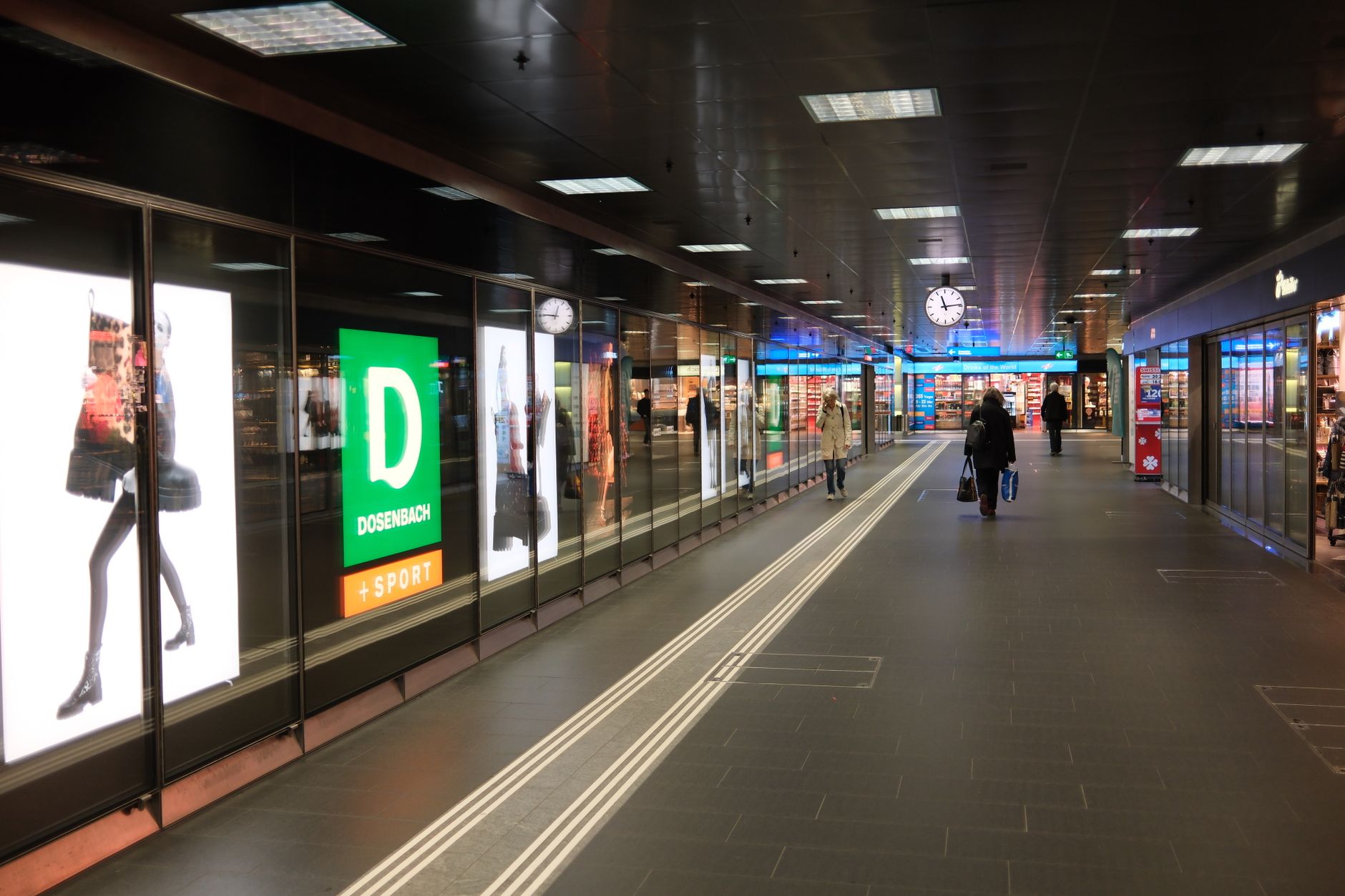
Floor area is the largest driver. Malls run long open concourses, often on more than one level, and a robot's route length, run time and charging cycles all scale with the square footage it must cover. A unit that covers one wing at night needs a different route plan and charge schedule than a unit that covers the whole ground floor.
Shift timing matters almost as much. A robot that runs after closing needs a clear window and a reliable return to its charger before opening. A robot that has to work in short gaps between peak traffic needs more route planning, more stops and a tighter schedule, which raises integration effort and sometimes the number of units.
Surfaces and obstacles add work. Polished stone, tile, carpet transitions, seating, planters, kiosks and temporary pop up stalls all change the path. Every change to the layout can mean a remap, so a mall that resets its temporary stores each season carries more upkeep than one with fixed fittings.
Why do malls suit scrubbing robots, and what does the traffic pattern change?
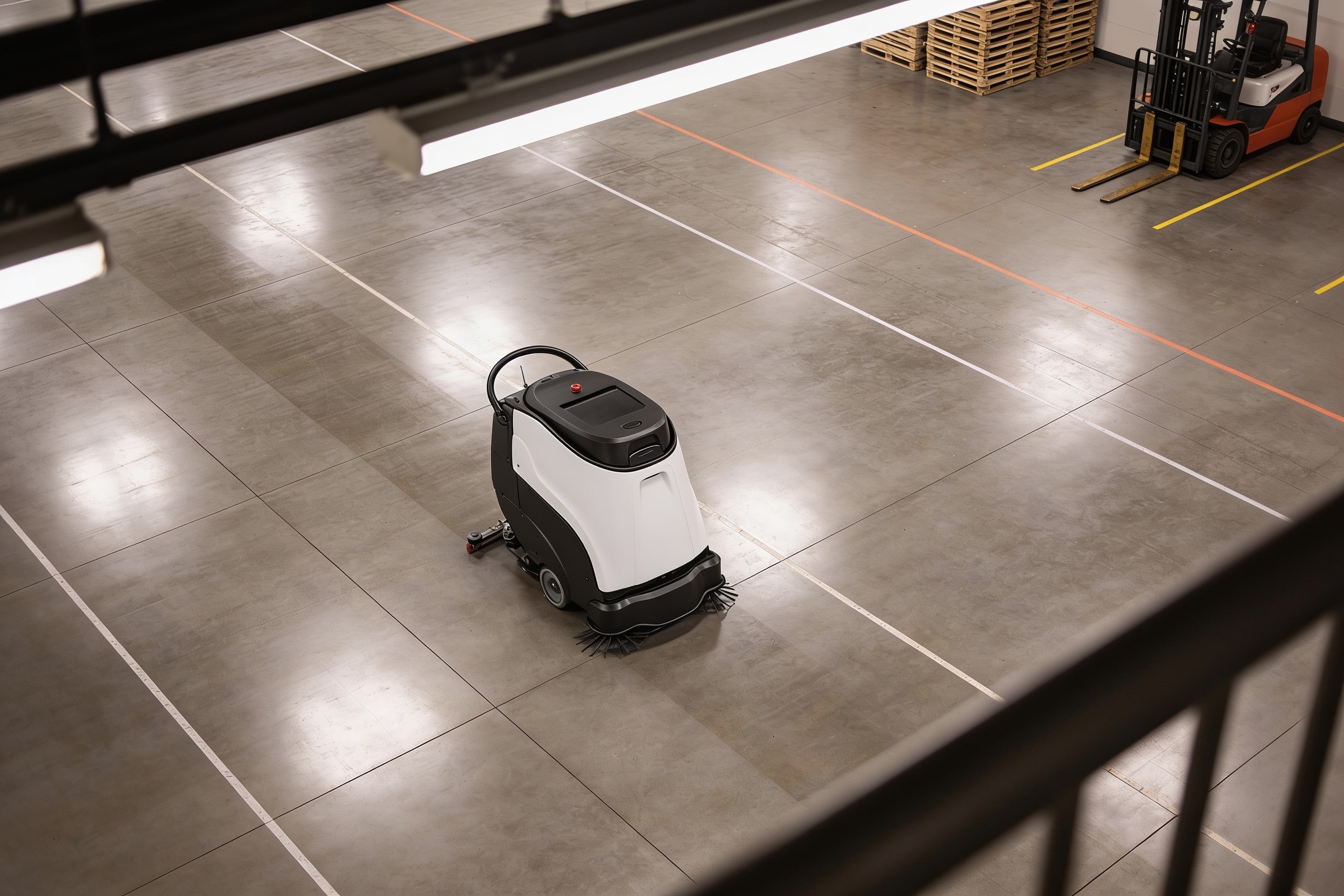
Open concourses on a set closing schedule are a good fit for scrubbing robots. The floor is large and mostly clear once the stores close, and the work is repetitive: the same corridors, the same loop, at the same time each night. Traffic peaks do not have to be cleaned through. The schedule can be planned around them, with the robot running after the last guests leave and finishing before the first shift of staff arrives.
The traffic pattern is what separates a mall from a single store. A television news report from Central Florida put the number of enclosed shopping malls in the US at about 1,000, down from as many as 1,500 at one point. Many owners are now reworking older centers, and each center needs its own site assessment, since its corridors, closing hours and tenant changes differ. A cleaning robot cost for shopping malls is easier to predict once the weekday and weekend traffic pattern is known.
How much labor does cleaning a mall take, and what changes with a robot?
Cleaning labor is a large and steady part of the workforce. According to the Bureau of Labor Statistics Occupational Outlook Handbook, 2,447,700 people were employed as janitors and building cleaners in the US in 2024. The BLS projects growth of about 2% from 2024 to 2034, which is slower than average, with about 351,300 openings a year, mostly from replacement. Staffing a steady night cleaning shift in that market is a recurring recruiting task for many operators.
The work carries real injury exposure. The BLS injury and illness snapshot covering 2016 to 2020 reports that janitors and cleaners, except maids and housekeeping cleaners, had 21,100 nonfatal injury and illness cases with days away from work in 2020, and 157.4 cases per 10,000 full-time equivalent workers in 2019. The same group recorded 42 fatal injuries in 2020. For all private industry, a trade press report citing BLS put the total recordable case rate at 2.3 per 100 full-time workers in 2024, the lowest since 2003.
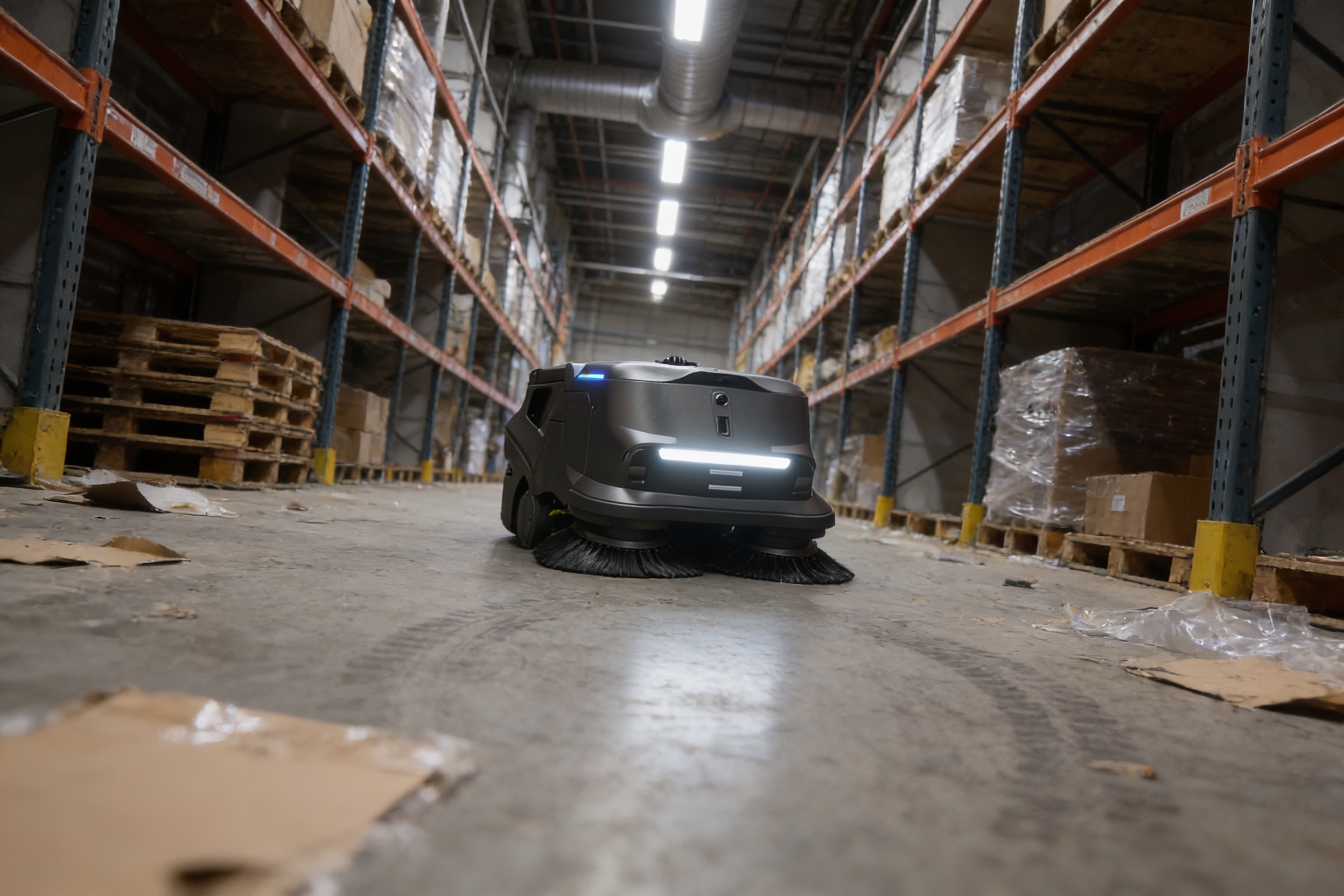
Mall labor hours are not published at floor level in the sources we checked. Other sites offer direction only. A warehouse in Ontario reported more than 300 hours of labor saved between summer 2020 and April 2021 compared with conventional cleaning, according to a materials handling trade magazine. That is a different building with different traffic, so treat it as a sign of what repetitive scrubbing can free up, not as a mall forecast.
How does leasing a cleaning robot through financing work?
We lease robots through financing. The operator uses the robot for a set term under a lease agreement, and the lease payments are set in the quote for that term. Spreading the cost over the term suits owners who want to test a unit on one wing before committing to a fleet across several centers.
We are a US commercial robot integrator. We pick the robot that fits the floor, lease it through financing, deploy and integrate it with the building, train the staff and service it nationwide. Because one team handles all of those steps, one partner is responsible for the robot from the first walk through to the last repair. That matters in a mall, where a unit that fails at 11 pm needs a person on site before the next opening.
A lease quote is set after a free site assessment, not before. The assessment measures the floor area, the closing and opening hours, the surfaces, the traffic pattern and the building connections, then sizes the number of units. Each of those changes the route and the schedule, so a quote given without seeing the site is a guess.
What does a lease quote include, and how is the fleet sized?
A quote lists the robot or robots, the lease term, the financing terms, the site work and deployment, the integration with doors and elevators, staff training, and the service plan. It should also state what happens when a unit fails, including on-site dispatch, remote triage and whether a spare unit is available during a repair. Ask for response times in writing, because night downtime is the cost that is hardest to recover.
Sizing is the step most likely to change the number. One robot can cover a single concourse on a set schedule, while a multi level mall often needs more than one unit, or a backup unit, so the route still finishes before the first shift. Phased deployment lets a site start with one leased unit on one wing, which shows the route, the hours and the staff time before the full floor is committed.
Our service covers nationwide dispatch, so an owner with several centers can use the same integration and service model at each one.
What can a cleaning robot not do in a mall?
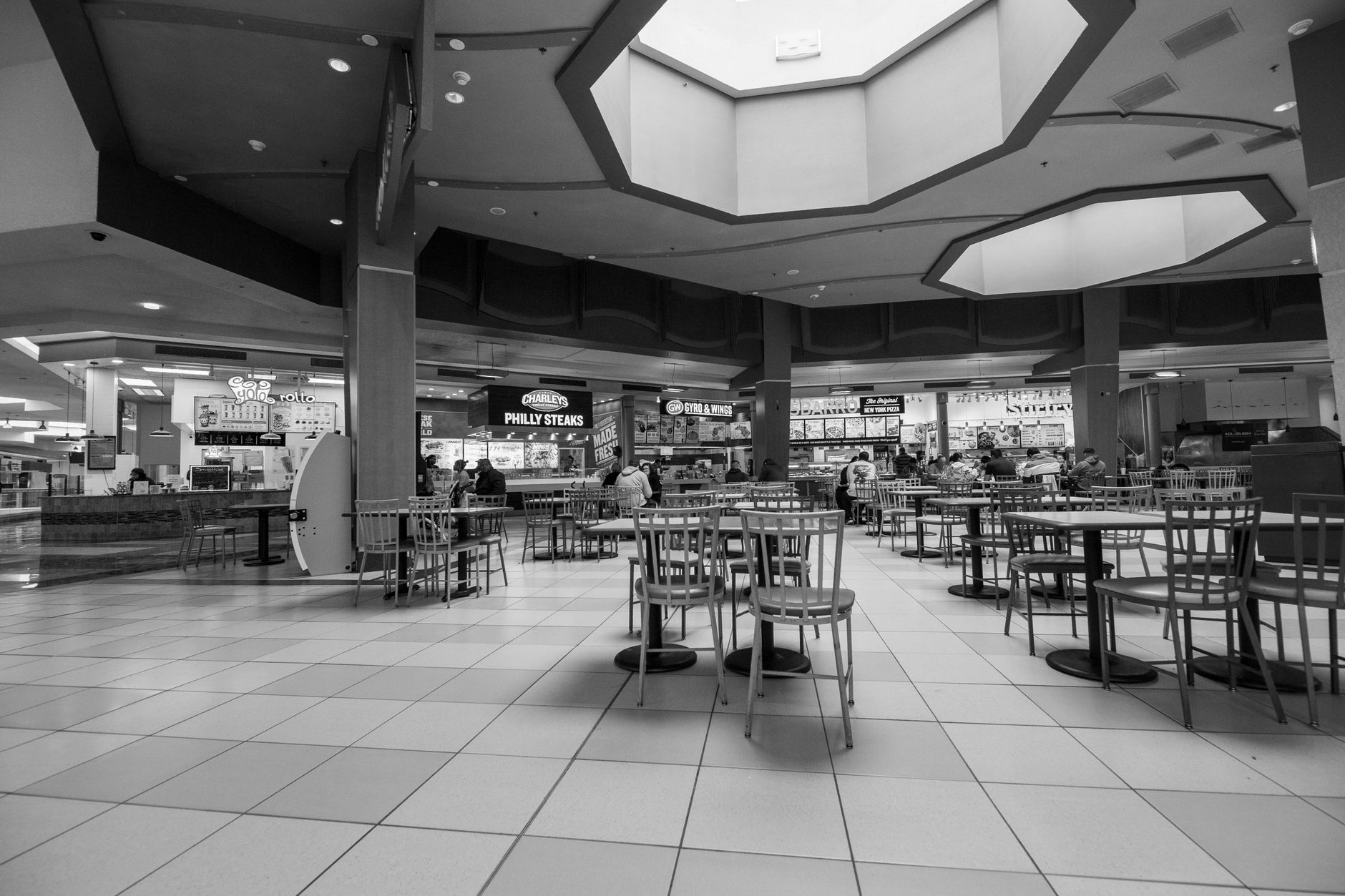
A scrubbing robot is good at the open floor on a fixed route. It does not replace people on every task. Spills that need a fast response, gum and stains, restrooms, edges against fixtures and the wet floor signs are usually staff work. A robot also cannot judge a hazard the way a person can, so a staff member still checks the floor after a major spill or an incident.
Traffic is another limit. A robot that runs during open hours has to slow down or stop around shoppers, and a crowded corridor is not a good time to run. For that reason the schedule is usually set to the closing window, and peak traffic is planned around rather than cleaned through.
Some areas need a different machine or a person, such as stairs, escalators, steep transitions and unusual surfaces. The site assessment marks those areas so the route stays inside what the unit can do.
How do I get a cleaning robot quote for my mall?
Start with the free site assessment. Send the building details you have: total open concourse length, number of levels, closing and opening hours, and any planned layout changes. The assessment team walks the floor, measures the surfaces and traffic, notes the doors and elevators, and plans the route.
After the walk through, you receive a quote with the number of units, the lease term and the service plan. Compare quotes on what they include. A lower line item can leave out mapping, training or dispatch, and those are the costs that return later.
If you are not sure you want a full fleet, ask about a pilot. Starting with one leased unit on one wing shows the route, the hours and the staff time before a wider rollout, so the decision rests on measured results from your own floor.
Frequently asked questions
Want a cleaning robot at your shopping mall?
Tell us about your site. We will recommend the robot, quote the lease, and keep it serviced.