

The short answer
For most shopping malls, the cleaning robot vs mall janitor choice is about dividing the floor, not removing people. A robot fits the long, open walkways between stores, where it repeats the sweeping and scrubbing pass a janitor makes, often while the mall is closed. Restrooms, spills, trash, glass and anything needing judgment stay with staff, so the realistic model is a robot plus fewer staff, never zero staff.
Key takeaways
- A robot fits wide, clear mall corridors, not restrooms, spills or fixtures.
- Corridor cleaning is a real labor load, and the Bureau of Labor Statistics counts 2,447,700 janitors and building cleaners.
- Turnover and injury risk are the pressures a corridor robot eases, but the crew still does the rest.
- Plan a robot plus fewer staff, never a robot instead of a team.
- The fixed lease payment is quoted only after a free site assessment.
Cleaning robot vs mall janitor: which makes sense for a shopping mall?
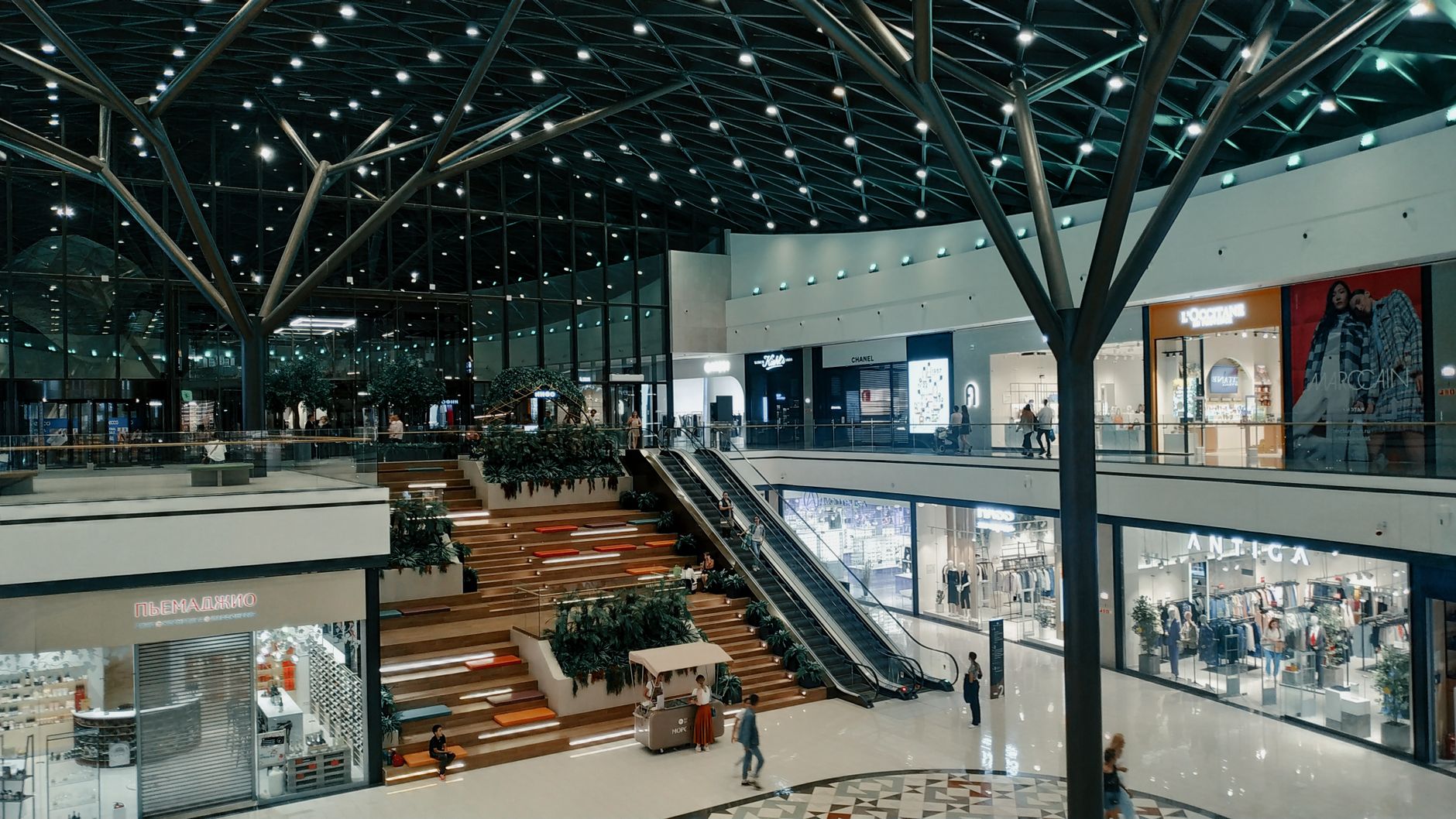
A cleaning robot makes sense in a shopping mall where the work is a long, repeated sweeping or scrubbing pass over wide, mostly flat corridors between store fronts. It is a weaker choice where kiosks, planters and temporary displays cut the walkways into short pieces, where food court spills are constant, or where most of the day's work is restrooms and trash. In those malls a janitor still carries most of the load.
Two facts usually decide the cleaning robot vs mall janitor question. The first is whether the corridors are wide and clear enough for a scheduled route with no permanent obstacles. The second is whether the staffing gap is causing missed passes or unfilled shifts. If the corridors are narrow and the real problem is restrooms and tables, a robot will change little.
The realistic choice is not robot or janitor. It is how to split the floor between a robot and a smaller team. The robot takes the route it can repeat, and the janitor keeps the tasks that need hands, judgment and a person on site.
How big is the floor a mall robot would cover?
Mall floors are large, and shared corridors are only one part of the total. According to TenantBase, one mall in Florence, South Carolina, has 620,000 sq ft of gross leasable area. Gross leasable area counts store space as well as walkways, so the robot's share is the corridor portion, and that has to be measured on the actual plan rather than assumed from the total.
The national count of malls is large but shrinking. Coresight, citing ICSC, counts 1,221 US malls, though that page gives no date, so the figure may be out of date. Fox 35 reports about 1,000 enclosed US shopping malls and says the number is falling fast, from as many as 1,500 at one time.
Ownership concentrates the count. According to ScrapeHero, one owner had 194 US malls as of November 27, 2025. Where one owner runs many sites, a single cleaning standard can be tested at one site and repeated across the others, which makes a site-by-site pilot easier to compare.
Median hourly wage, Janitors and Building Cleaners
$4,041
Monthly cost of one full-time worker, at the median wage plus payroll costs (an estimate, not a quote).
What does a mall janitor actually do in a shift?
A mall janitor usually works two windows. During open hours the work is reactive: spills, restroom checks, trash, and high-traffic touch points that need attention as they appear. That work is hard to schedule and harder to measure, because the need rises and falls with the crowd.
The closed-hours work repeats most predictably. It usually includes sweeping or dust mopping corridors, auto-scrubbing hard floors, emptying bins, cleaning restrooms and fixtures, wiping railings and glass, and sanitizing high-touch areas. Those tasks follow a route, which is why the closed-hours floor pass is the part a robot can take.
No independent published figure for hours per shift in mall corridor cleaning was found. Frequency standards for mall corridors vary from one contractor to another, and they are practice rather than benchmark. The real split depends on the mall, the contract and the crew, so the hours should come from a site walk, not a national average.
- Closed-hours floor pass
Cleaning Robot
Repeats the same corridor route on a schedule
Mall Janitor
Adjusts the route on the fly and reaches awkward corners
- Overnight coverage
Cleaning Robot
Runs the route once started, with a person checking the start and end
Mall Janitor
Needs a shift, a supervisor and a handover
- Spills during open hours
Cleaning Robot
Cannot judge or safely handle broken glass or biohazards
Mall Janitor
Responds quickly and makes the judgment call
- Restrooms and fixtures
Cleaning Robot
Not suited to this work
Mall Janitor
Does the full job
- Consistency of the pass
Cleaning Robot
Same route and speed every run
Mall Janitor
Varies with fatigue, staffing and interruptions
- Unfilled shift
Cleaning Robot
Keeps the corridor pass running when a seat is open
Mall Janitor
Leaves the pass undone when no one covers the shift
Which mall cleaning tasks can a robot take?
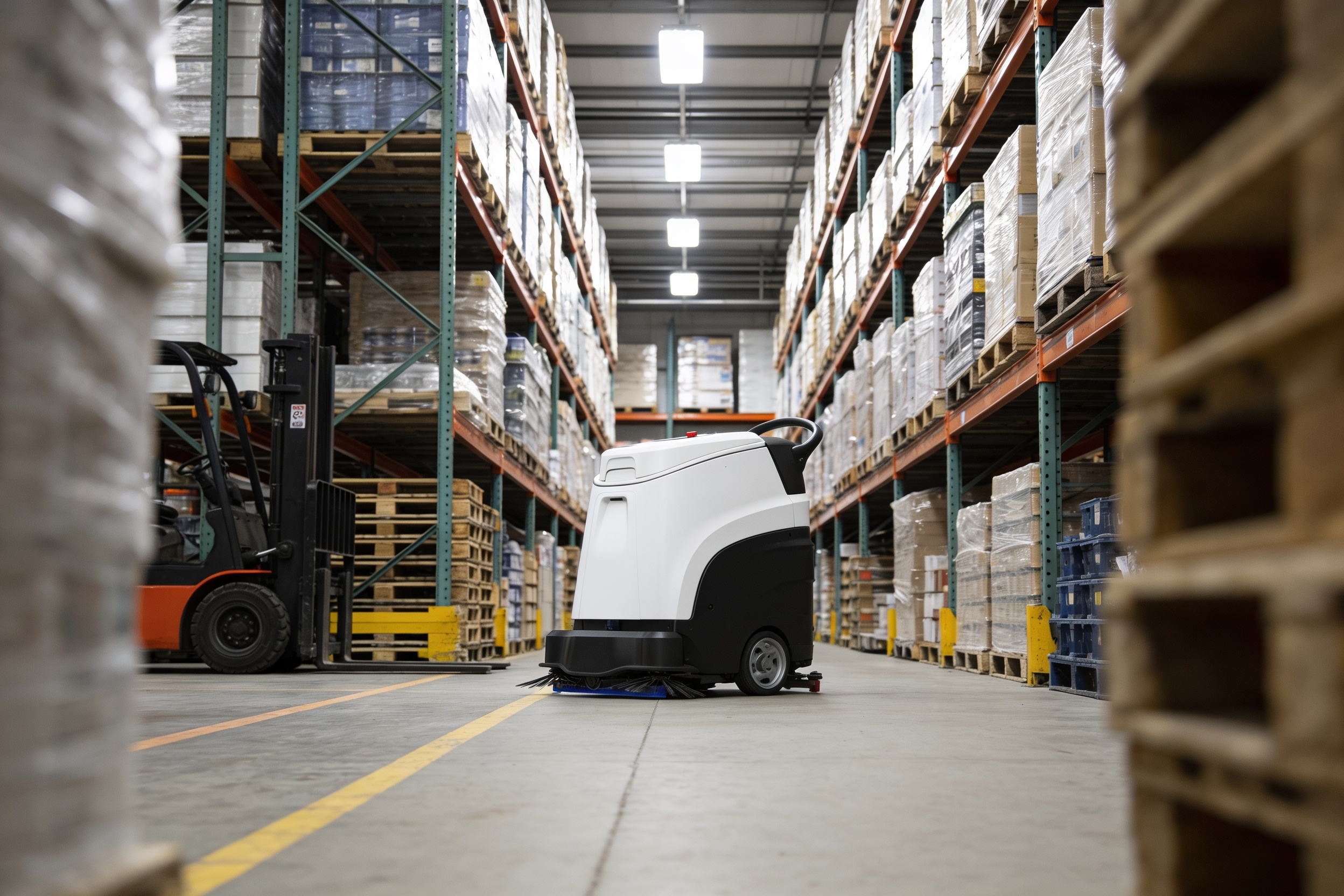
A cleaning robot can take the repeated floor pass: sweeping or scrubbing long, mostly clear corridors on a fixed route. Steady repetition is the advantage. A person covering a long walk tires and loses pace, while the robot runs the same path at the same speed on every run.
It cannot take restrooms, trash removal from bins, spill response involving broken glass or biohazards, cleaning of glass, fixtures and furniture, or any task that involves lifting or handling objects. Those tasks stay with staff, and the team plan should name who owns each one in writing before the robot runs.
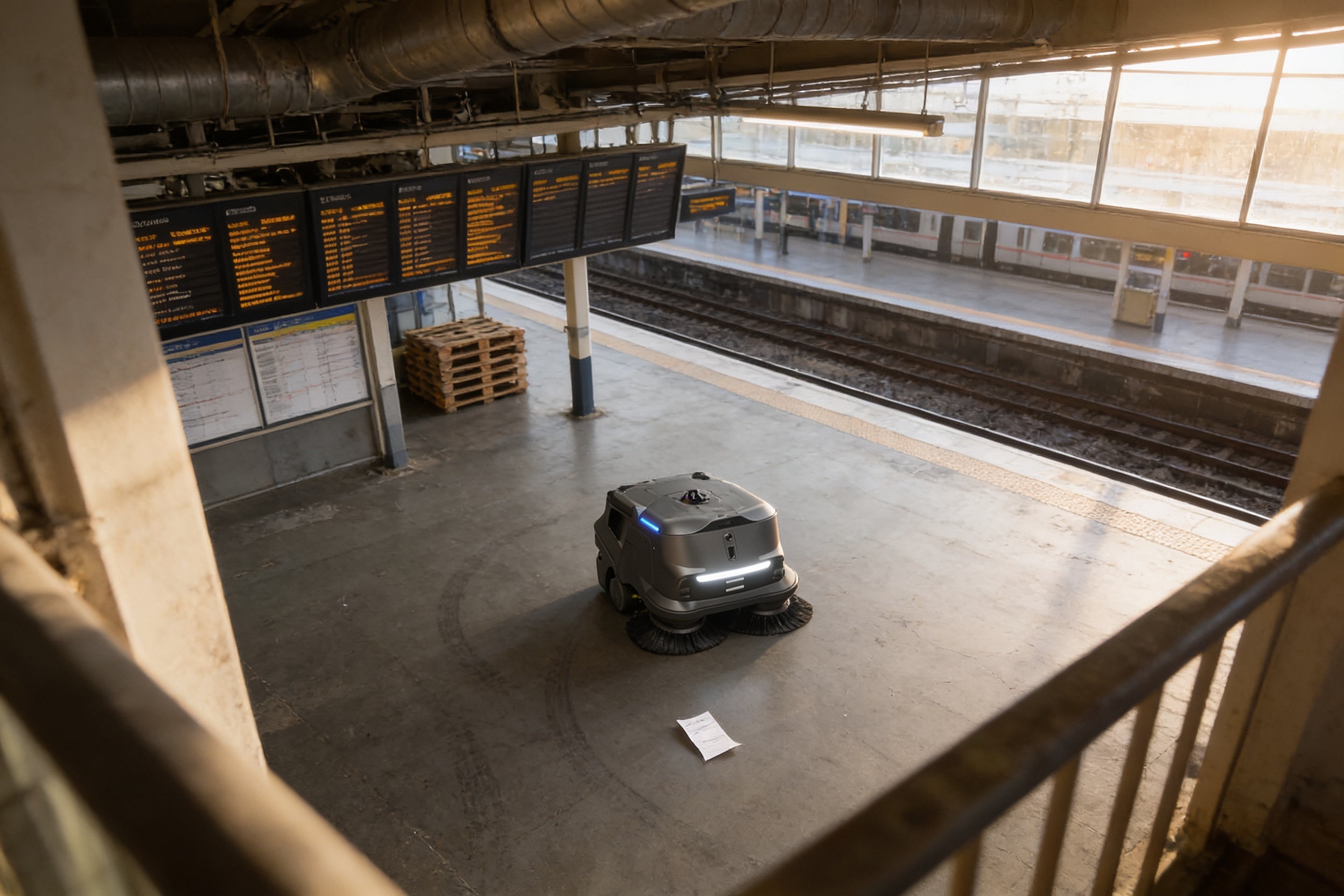
The zones below show where a robot would work in a typical mall. Each one has to be confirmed on the floor plan, since corridor width and clearance differ from one building to the next. Ask the crew which corridor passes are missed most often. Those are usually the first candidates, because the value is highest where a pass is skipped, not where it is done imperfectly.
How hard is it to staff mall cleaning?
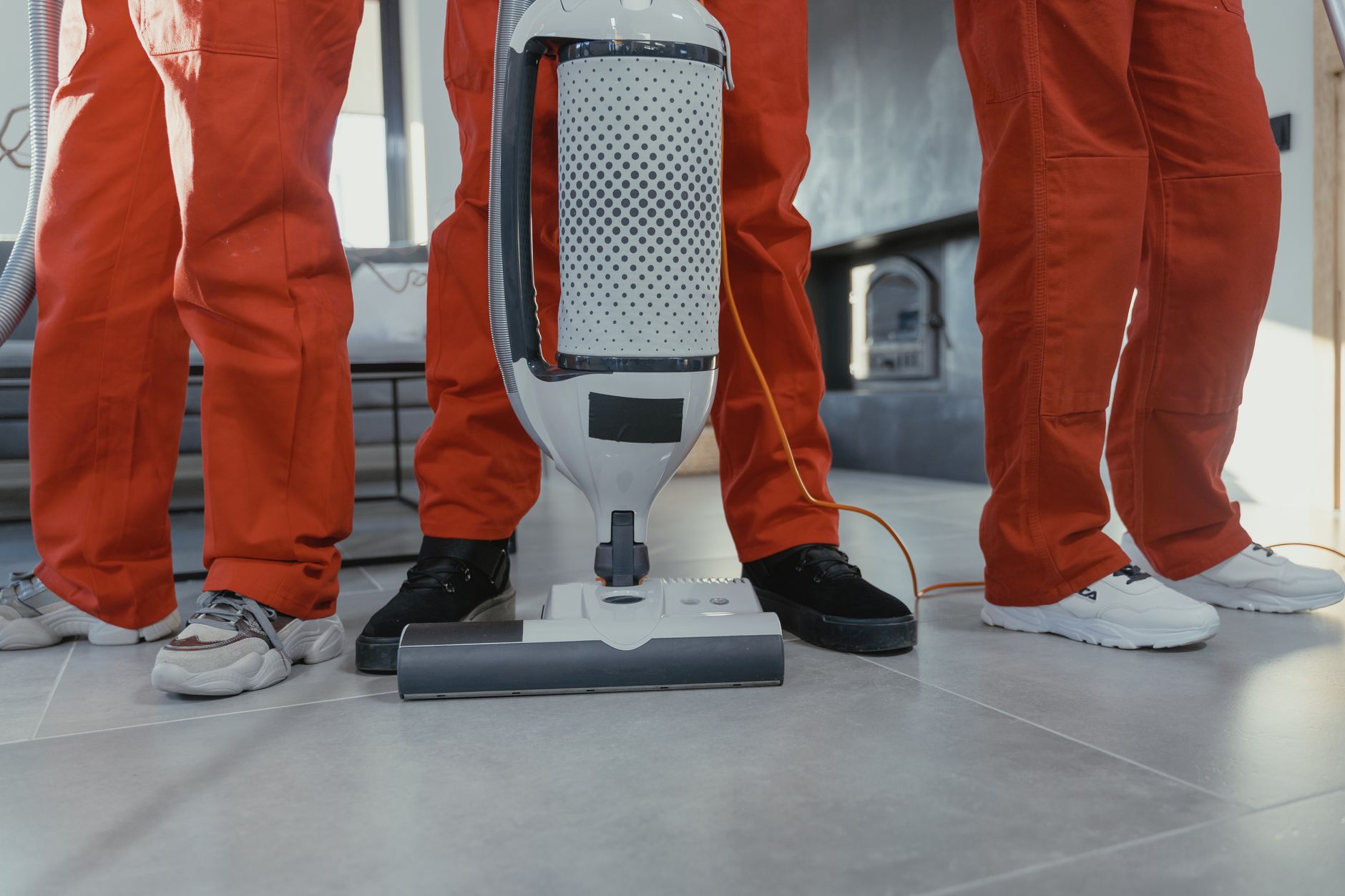
The Bureau of Labor Statistics counted 2,447,700 janitors and building cleaners in 2024. It projects 2 percent growth from 2024 to 2034, which it describes as slower than average, and about 351,300 openings a year, mostly from workers leaving the occupation. Most of the hiring is replacement rather than growth, so the staffing problem recurs every year.
Turnover is high, though the figure is not a government count. CleanLink's reader survey, a trade press source, puts the industry average at 73 percent, against a commonly cited figure near 300 percent. No official BLS turnover figure for this occupation was found, so treat the range as directional.
Injuries are a standing concern. According to the Bureau of Labor Statistics, janitors and cleaners, excluding maids and housekeeping cleaners, in private industry had 21,100 nonfatal injury and illness cases with days away from work in 2020. The same series shows 42 fatalities in 2020, against 45 in 2019.
The government wage data on this page gives the local wage for this job, which is the starting point for comparing crew cost with the hours a robot could take. Overtime, night shift premiums and sick day rates for this occupation were not found in the research, so they belong in the site assessment.
How does a mall team work with a robot?
The robot does not replace the crew. It takes the repeated corridor pass, while the team keeps the supervisor role, restroom and spill duties, and the contract scope. The practical result is fewer people on the closed-hours floor, never zero people on the site.
The daily routine is short. Staff clear loose carts, signs and cords from the route after closing, start the robot on its schedule, and confirm the pass finished. They also handle the exceptions the robot flags, such as a blocked aisle or a spill it cannot pass.
Training covers the start routine, the stop routine, what to clear before a run and what to do when the robot stops. Deployment and training happen on site, service is provided nationwide, and on-site dispatch is available when a unit needs attention.
What can a cleaning robot not do in a mall?
A robot cannot clean restrooms, handle broken glass or biohazards, remove trash from bins, or clean fixtures, railings and glass. It cannot judge a spill that needs a person, and it should not work around a crowd during open hours. It also depends on a clear path, so a cart left in an aisle stops the route.
It is a poor fit for floors cluttered with pop-up stands, temporary displays and event setups that change every week. Each change means the route has to be checked again, and that eats into the time the robot saves.
Stairs, uneven thresholds and heavy wet residue are also outside its range. Those areas stay with staff, and the robot's share of the floor should be set after the walk rather than from square footage alone.
What should you check before deciding on a mall robot?
A decision rests on a few facts about the building. Start with the walkable corridor width, the hours when the floor is empty and the tasks staff do now. Then compare those facts with the shifts that go unfilled, since that gap is the real cost of doing nothing.
A useful test is to write down, for each zone, whether the pass is repeated, whether the path is clear at the planned hour, and whether a person is still needed for the surrounding tasks. Zones that pass all three are candidates. Zones that fail one are left to staff or re-planned, not forced onto the robot.
Use the checklist below during the walk. Each item changes either the share of the floor the robot can take or the staff time that stays on site.
How do you get started with a robot lease for a mall?
Start with a free site assessment. We map the corridors, identify the zones that can take a robot and measure the tasks that stay with staff. The result is a written plan that shows the route, the hours and what the crew still covers.
Many malls begin with one leased unit on the main corridor route. They run it for a set period, measure the result against shift records, then decide whether to add units. A phased rollout avoids shutting the mall or the crew down while the team learns the routine.
The lease is financed, and the fixed lease payment is quoted after the assessment, not before. Service, on-site dispatch and go-live support are part of the setup, so the mall works with one partner for deployment, training and repairs.
Frequently asked questions
Want a cleaning robot at your shopping mall?
Tell us about your site. We will recommend the robot, quote the lease, and keep it serviced.
Sources
- US Bureau of Labor Statistics, Occupational Employment and Wage Statistics (OEWS May 2024)
- Bureau of Labor Statistics, Occupational Outlook Handbook: Janitors and Building Cleaners
- Bureau of Labor Statistics, Nonfatal injuries and illnesses for janitors and cleaners, 2016-20
- Coresight, Deep Dive: The Mall Is Not Dead, Part 1
- Fox 35 Orlando, Central Florida shopping malls reinventing themselves
- ScrapeHero, Simon USA location report
- TenantBase, Magnolia Mall building profile
- CleanLink, reader survey on janitorial turnover