
The short answer
Cleaning robot cost for big-box retail stores depends on how much usable hard floor the nightly route covers, how long the overnight window lasts, how heavy the daytime traffic is, and how many units the site needs to finish the route with a spare. Mapping, integration, training, service and insurance add to the lease quote in ways owners often miss, so the number is set only after a free site assessment.
Key takeaways
- Floor area sets the route, and the overnight window sets how many units can finish it.
- Daytime traffic, surfaces and obstacles decide whether one nightly pass is enough.
- Mapping, integration, training, service and insurance belong in the quote, not after it.
- The lease is set through financing, and the quote follows a free site assessment of your store.
What does a cleaning robot cost for a big-box store?
A cleaning robot cost for a big-box retail store is set by the nightly work the machine has to finish, not by the machine alone. The lease quote follows four inputs: how much hard floor the route covers, how many hours the overnight window allows, how heavy the daytime traffic is on that floor, and how many units the site needs to finish the route with a spare on hand. Those inputs are measured during a site walk, so the quote reflects one building rather than an average store.
Mapping, integration with building systems, training, service visits and insurance sit on top of those inputs. The sections below go through each one and say which ones we cover in the lease quote.
How big is the floor a robot has to clean?
The Energy Information Administration's 2018 Commercial Buildings Energy Consumption Survey counted 296 thousand retail store buildings, with a mean of 15.2 thousand square feet per building, according to EIA. A mean is a blend of very different buildings, so it tells you little about one big box. Use it as a sizing reference, not as a measure of your floor.
The CBECS is a sample survey of buildings rather than a full count of retail stores. For a quote, the number that matters is the usable hard floor the route covers. Measure the walkable area, subtract fixed fixtures and islands, and mark where the floor changes material or level.
Gross square footage can mislead in both directions. A large floor with wide, open aisles can run faster than a smaller floor full of turns and islands. Route length and the number of stops set how long one pass takes, and that is the figure the quote is built on.
What moves the cost up or down at a big-box store?
Floor area is the first driver, but it works through the route and the window. A longer route means a longer pass, and a fixed overnight window then decides whether one unit finishes or whether the site needs more units. Two units on the same route can hold a schedule that one unit cannot, and each unit added is a line in the quote.
Surfaces and obstacles come next. Sealed concrete and tile suit scrubbing, while carpet, large rugs, raised thresholds and staged pallets change the route and the setup. Each of those needs a site decision before the quote is final.
Daytime traffic adds grit and spills that the nightly pass must catch. Heavy use in checkout lanes or near entrances can mean a second pass in those lanes, which adds run time to the window. Mapping and integration add one-time setup, while the number of units and the service terms add ongoing cover.
Where in the store does the robot work?
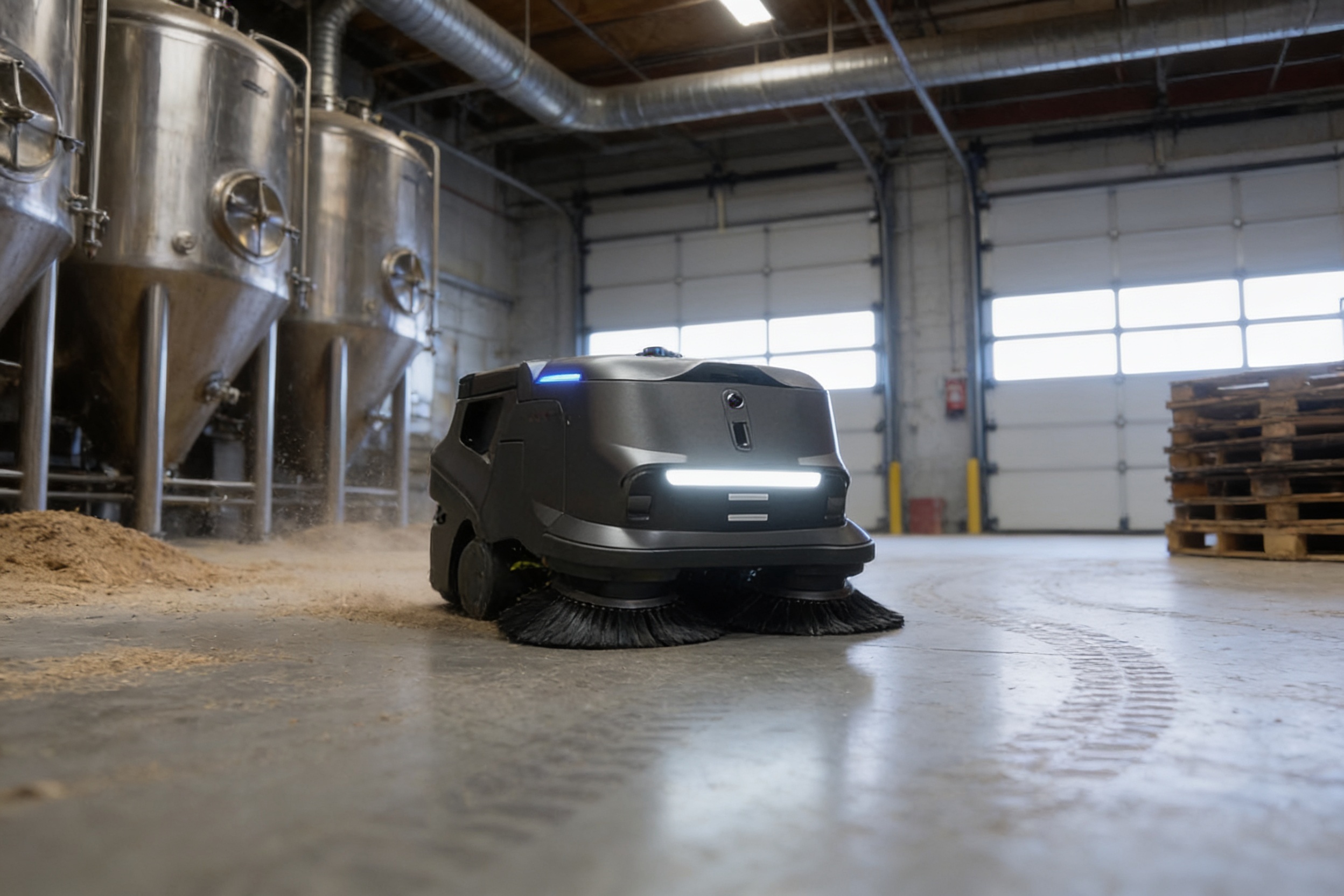
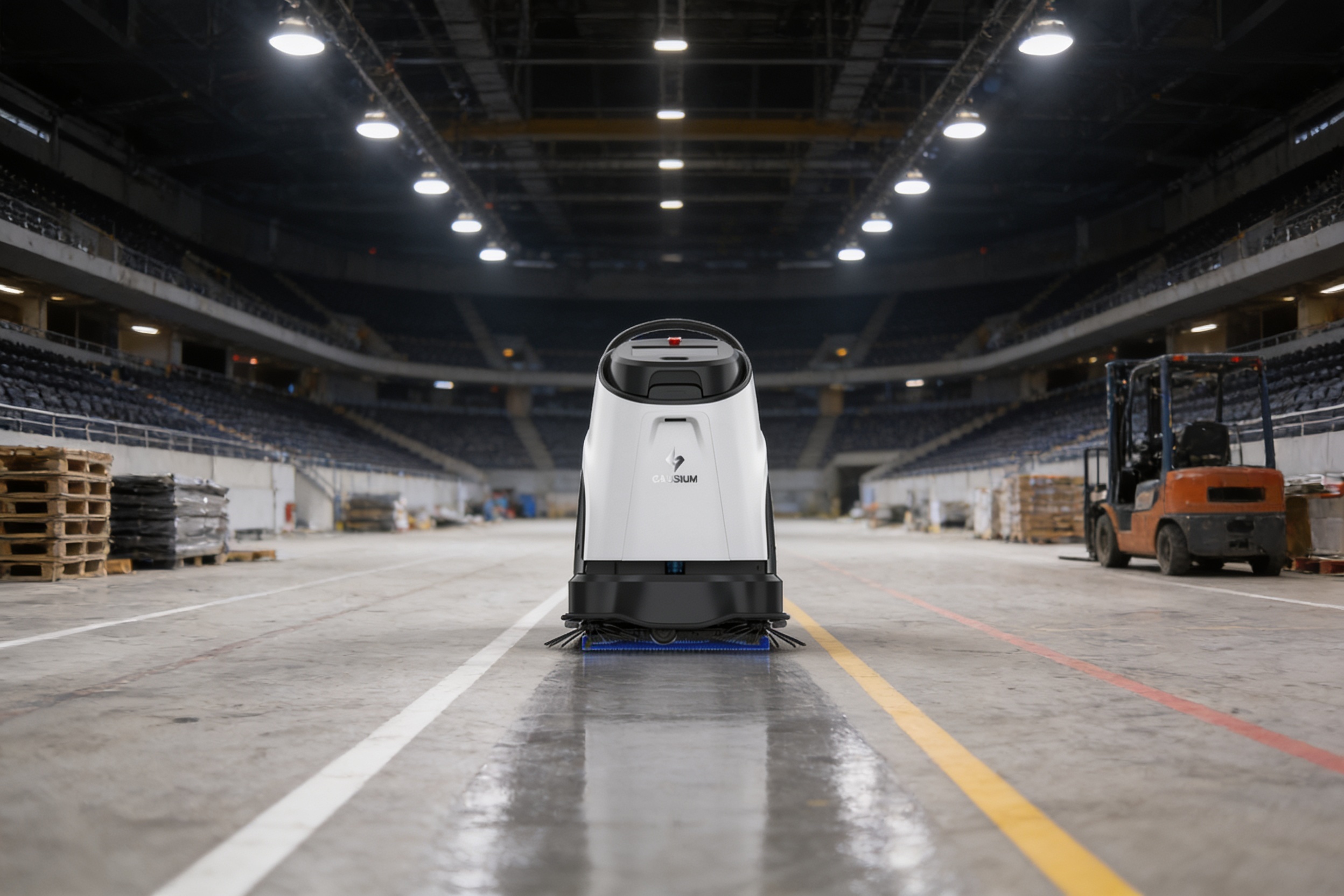
A big box has several kinds of floor, and the robot works only on the parts that suit a fixed route. The zones below are the ones a site walk usually sorts into route work and manual work. Each zone has its own reason to be cleaned on a schedule, and each one changes the route.
How many staff hours does the robot take over?
The labor question is about hours inside a fixed overnight window, not about headcount alone. The Bureau of Labor Statistics projects janitors and building cleaners to grow 2 percent from 2024 to 2034, slower than the average for all occupations, according to the BLS Occupational Outlook Handbook. Growth that slow means the pool of available cleaners is not expanding quickly, which matters when a night shift goes unfilled.
Turnover adds pressure. The BLS Job Openings and Labor Turnover Survey reported an economy-wide quits rate of 2.0 percent for June 2025, according to BLS. FRED's seasonally adjusted series for quits in retail trade shows 515 thousand quits in December 2025. Retail-specific rates were not verified for this page, so ask the store's HR team for its own figure before relying on any industry rate.
Injury data points the same way. The BLS Injury and Illness Snapshot for janitors and cleaners except maids and housekeeping cleaners reported 21,100 private industry cases involving days away from work in 2020, an incidence rate of 191.6 per 10,000 full-time equivalent workers, according to BLS. The 2015 to 2019 snapshot reported 18,680 cases in 2019 at a rate of 157.4. These are janitorial figures rather than retail figures, but they show why reducing repeat manual scrubbing at night is a safety question as well as a staffing one.
How does leasing through financing work for a cleaning robot?
A cleaning robot is leased through financing, so you do not own the unit at the start, and the agreement sets the term and what is covered. The lease quote is written after a free site assessment, because the number depends on the floor, the window, the traffic and the unit count. Nothing is quoted from a generic store profile.
The quote should state the lease term, the units, the spare cover, the service plan, training, deployment and what happens if a unit goes down overnight. Ask for response terms in writing. A pilot on one unit shows whether the route and the window hold before a larger deployment, and it limits the commitment while the numbers are checked.
What can a cleaning robot not do in a big box?
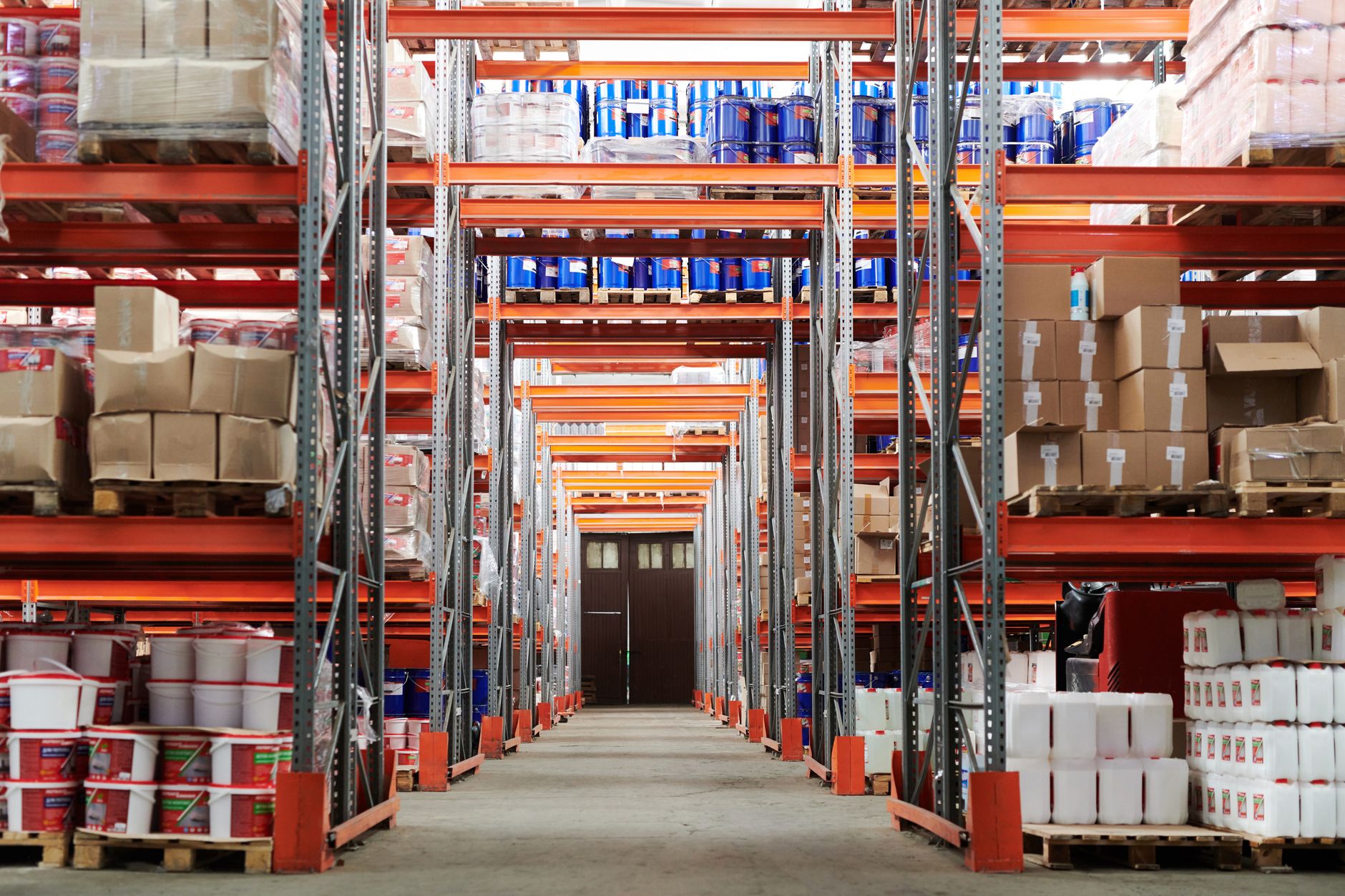
A cleaning robot does not replace a full cleaning crew. It does not clean restrooms, glass, fixtures, displays, stock or trash, and it does not handle spills of unusual materials. It needs a clear, mapped route, and a cart or pallet left in an aisle can stop it until someone clears the path.
It is not a fit for carpet-heavy areas, stairs, or floors that change level without a planned transition. Staff still handle the stockroom, the loading dock, and the detail work that makes the sales floor look right at opening. Plan the robot as one part of the night, not the whole night, and say so during the site walk.
How do I get a quote after a free site assessment?
Start by sending the floor plan, the overnight window, the opening time and the daytime traffic pattern. The site assessment then confirms the usable hard floor, the route, the mapping needed, any door or system integration, and how many units cover the window with a spare.
The quote follows the assessment and lists the lease terms, service plan, training, deployment and insurance questions. The items below change the number, so check each one before deciding. A quote that leaves these lines out is missing the costs that matter most for a big box.
Frequently asked questions
Want a cleaning robot at your big-box retail store?
Tell us about your site. We will recommend the robot, quote the lease, and keep it serviced.
Sources
- BLS Occupational Outlook Handbook: Janitors and Building Cleaners
- BLS Injury and Illness Snapshot 2016 to 2020: Janitors and Cleaners except Maids and Housekeeping Cleaners
- BLS Injury and Illness Snapshot 2015 to 2019: Janitors
- BLS Job Openings and Labor Turnover Survey release, July 2025
- FRED: Quits, Retail Trade, seasonally adjusted
- EIA 2018 Commercial Buildings Energy Consumption Survey, Table B15
- ISSA Autonomous Cleaning Survey
- Paid market report: US commercial robotic scrubber market