
The short answer
Cleaning robot cost for hospitals depends on how much hard floor the robot covers each night, how many wings and floors share one route, how many shifts it runs, and how traffic, elevators and integration shape the route and the service plan. A lease spreads that cost into a fixed robot lease payment, and the figure is set in a quote after a free site assessment. The labor it takes over is what makes the cost worth weighing, because the floor work is repetitive and hard to keep staffed.
Key takeaways
- The cost turns on how much hard floor one shift covers, how many floors share a route and what service the site needs.
- Traffic, elevators and surface type change the route more than most readers expect.
- Mapping, software, maintenance, insurance and training are the costs to ask about before you sign.
- A lease quote follows a free site assessment, so it reflects your building rather than an average.
- A floor robot takes over repeat passes, not disinfection of patient rooms or high-touch surfaces.
What does a cleaning robot cost for hospitals depend on?
A cleaning robot cost for hospitals is not one number. It is the sum of the floor work the machine must absorb, the building it must run in, and the support needed to keep it working on the nights when staff cannot cover. Most of that cost comes from three questions: how much hard floor one shift needs covered, how many wings and floors share a route, and what the unit must do beyond scrubbing.
The American Hospital Association Fast Facts 2024 edition, which uses 2022 survey data, lists 6,120 hospitals in the US. Each one sets its own cleaning scope, so no single cost applies to all of them. The number that matters is the one for your building, and it comes from a quote after a free site assessment, not from an average.
This page explains the drivers so you can read a quote and ask the right questions. It does not give a price, because the figure depends on floor area, shifts, traffic, mapping, integration and the service plan you choose.
What moves the cost up or down at a hospital?
Floor area is the first driver, but it does not scale in a straight line. A long corridor with clear sight lines is simpler to cover than a mixed ward with alcoves, curtained bays and tight turns, even when the square footage is similar. The same area split across four floors, with separate elevator lobbies, needs more mapping and more route planning.
Shifts matter as much as area. A unit that runs only overnight covers the hours when staffing is thinnest, but it needs a clear handover so day staff know what was cleaned and what was skipped. Adding a second shift increases the hours the unit can take over, and it increases the service load because the machine works more hours each week.
Traffic and surfaces decide how much of the route is usable. Waiting areas and main corridors may need repeat passes, while patient rooms and procedure areas usually need staff-led cleaning and are often kept off the route. Sealed hard floors such as vinyl, terrazzo and sealed concrete suit floor scrubbing. Carpet, thresholds and transitions reduce the route or add hand work.
Which hospital areas does the robot clean?
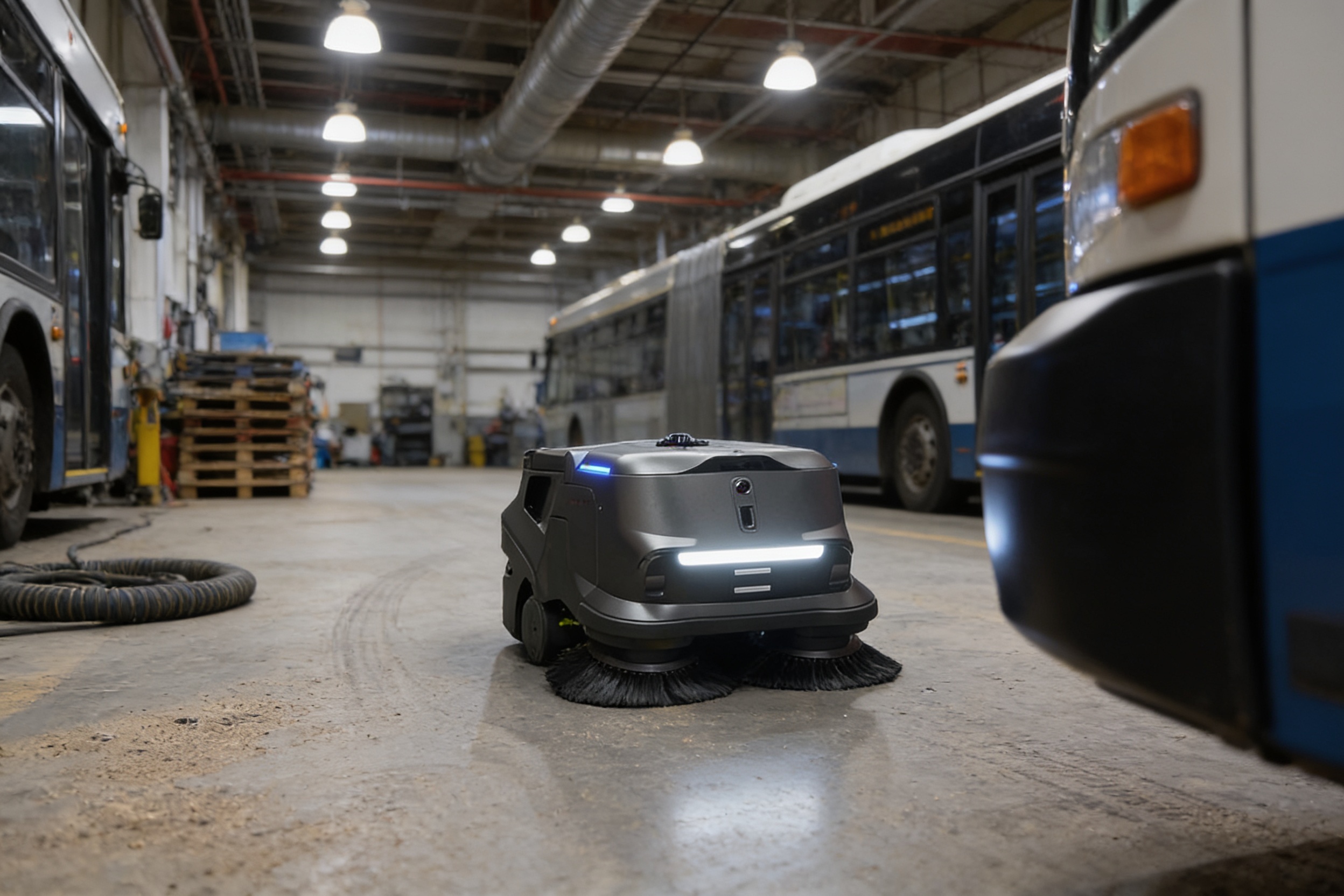
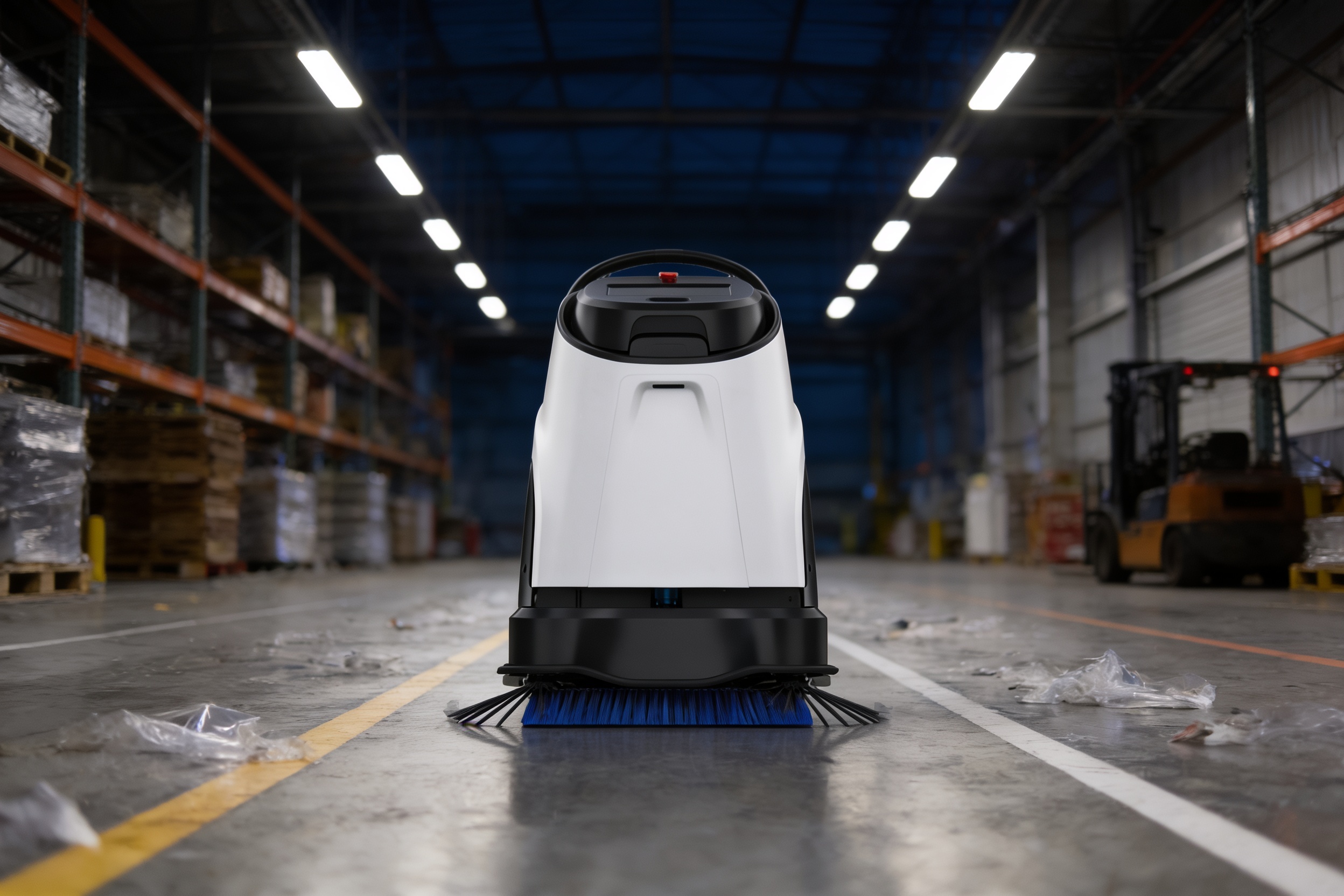
The unit earns its place on repetitive hard floor work: long inpatient corridors, lift lobbies, waiting rooms and main concourses. These are areas walked the same way every night, and a scrubber can run between staff rounds without pulling staff off the wards. We do not treat the unit as a substitute for disinfecting high-touch surfaces, which stays with trained staff under your infection control program.
Before a route is set, we walk the space and check doors, floor transitions, furniture placement and peak traffic times. Those observations decide which zones go into the first deployment and which stay with staff until the route is proven.
How many hours of manual floor work can a robot take over?
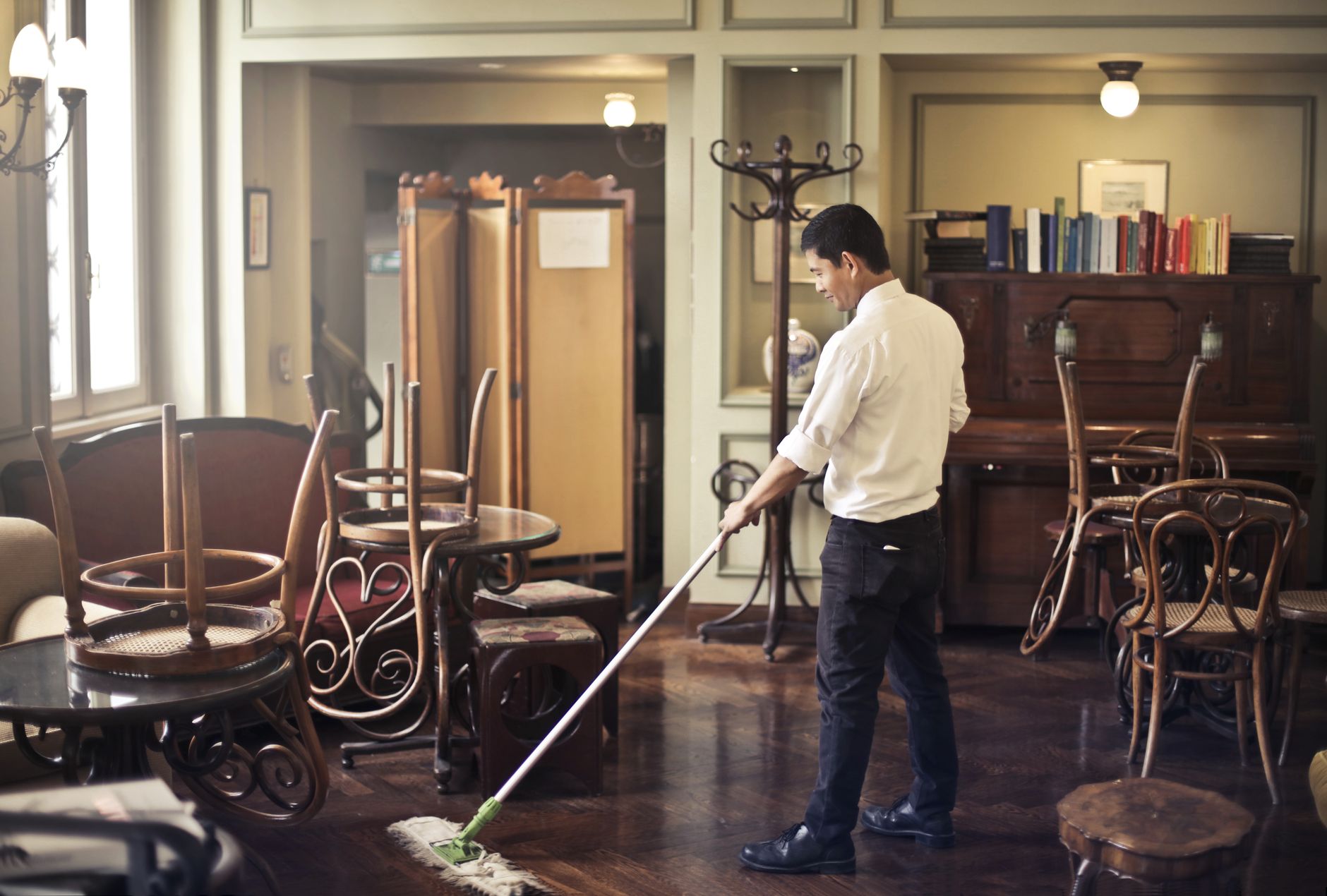
Hour figures are the core of any cost case, and they vary widely by site. In a 2023 case study reported by an equipment supplier, two floor technicians at a US hospital network spent 8 or more hours scrubbing and dry mopping a 50,000 square foot area, and total labor for that area reached 16 or more hours. After two scrubbers were added, total manhours per night fell from 16 to 5. That is one site and a vendor-reported result, so treat it as a benchmark to test.
A 2021 study at a large public hospital in Singapore, published as an institutional document, found that manual floor time on inpatient ward corridors and lift lobbies fell from 35 minutes to 15 minutes, with a two-month target. The gain per pass is small, but it repeats across wings and nights, and that repetition is what changes the schedule.
A cleaning industry news article described one unit covering 24,500 square feet in 4 hours 17 minutes in a single day at a non-hospital campus with clinical buildings. The cleaning lead estimated about 5.5 hours saved per day. That helps show scale, but it is not a hospital ward, so do not read it as a hospital figure.
Is a cleaning robot for hospitals worth it?
Whether it is worth it depends on the labor it replaces and the labor you cannot fill. The job is hard to keep staffed. According to the Missouri Hospital Association 2026 Workforce Report, as covered by the Missouri Independent, environmental services turnover was 42.5 percent statewide in 2025, and 17.1 percent in the St. Louis region. Those figures differ by region, so check your own turnover before assuming either.
The Bureau of Labor Statistics projects about 2% employment growth for janitors and building cleaners from 2024 to 2034, which it describes as slower than average. It also notes that facilities needing 24-hour maintenance, such as hospitals, staff cleaners across nights, weekends and holidays. A unit does not solve the hiring problem for those shifts, but it can take over repeat floor passes so the staff you have can spend time on work that needs hands.
Payback is about hours you can redeploy, not a headcount promise. Count the repeat passes each night, the crew hours they take, and the nights a wing runs short. Then set those against the quote, which should state the service load and the coverage plan for the hours the unit runs.
How does leasing through financing work, and what does the quote include?
We lease the robot through financing, so the full equipment cost does not land on your budget up front. The lease is set as a fixed robot lease payment, and the figure comes from a quote after a free site assessment. We do not quote a number on this page, because the building, the shifts and the service needs set it.
A complete quote should list the units, the lease term, deployment and integration work, the training plan, the maintenance and dispatch terms, and any spare unit coverage. Ask for each item to be written out. If an item is missing, ask whether it is included or left for later, because a missing line is often where extra cost appears.
We pick the right robot for the site, lease it through financing, deploy and integrate it, train the staff and service it nationwide. A phased start lets one leased unit run on one wing first, then expand once the route and handover are proven against your own hours.
What can a cleaning robot not do in a hospital?
A floor robot does not disinfect patient rooms, clean bedside equipment, handle biohazard spills or touch high-touch surfaces such as call buttons and handrails. It does not decide when a corridor is safe to reopen after a spill. It works in mapped areas on hard floor, and it stops when a path is blocked.
Infection control is the reason this line matters. A science news article citing CDC estimates put hospital-acquired infections at about 720,000 a year. Floor scrubbing is one part of that picture. Disinfection and staff-led protocols remain where the infection control work happens, and the unit frees time for them.
The building also sets limits. Thresholds, uneven transitions, carpet, unmarked wet floors and crowded corridors at peak times all restrict where the unit can run. Many sites set quiet hours and clear routes so the unit can finish a pass rather than stop repeatedly.
How do I get a cleaning robot cost for hospitals quote?
Start with the free site assessment. Bring floor plans, the wings and floors in scope, the shifts you want covered, the surfaces, typical traffic at peak hours, the elevator and lobby layout, and your existing cleaning schedule with hours. We walk the route and map what the unit will cover.
After the assessment you receive a quote that shows the lease terms, the unit count, the deployment plan, and the training and service terms. It reflects your building. If the numbers do not work for every wing, we can start with one unit and one route, then expand after it proves the hours.
Frequently asked questions
Want a cleaning robot at your hospital?
Tell us about your site. We will recommend the robot, quote the lease, and keep it serviced.
Sources
- American Hospital Association Fast Facts, 2024 edition
- Bureau of Labor Statistics, Janitors and Building Cleaners
- Missouri Independent, report on Missouri Hospital Association 2026 Workforce Report
- Cleaning industry news article on a non-hospital clinical campus
- Science news article citing CDC hospital-acquired infection estimates