
The short answer
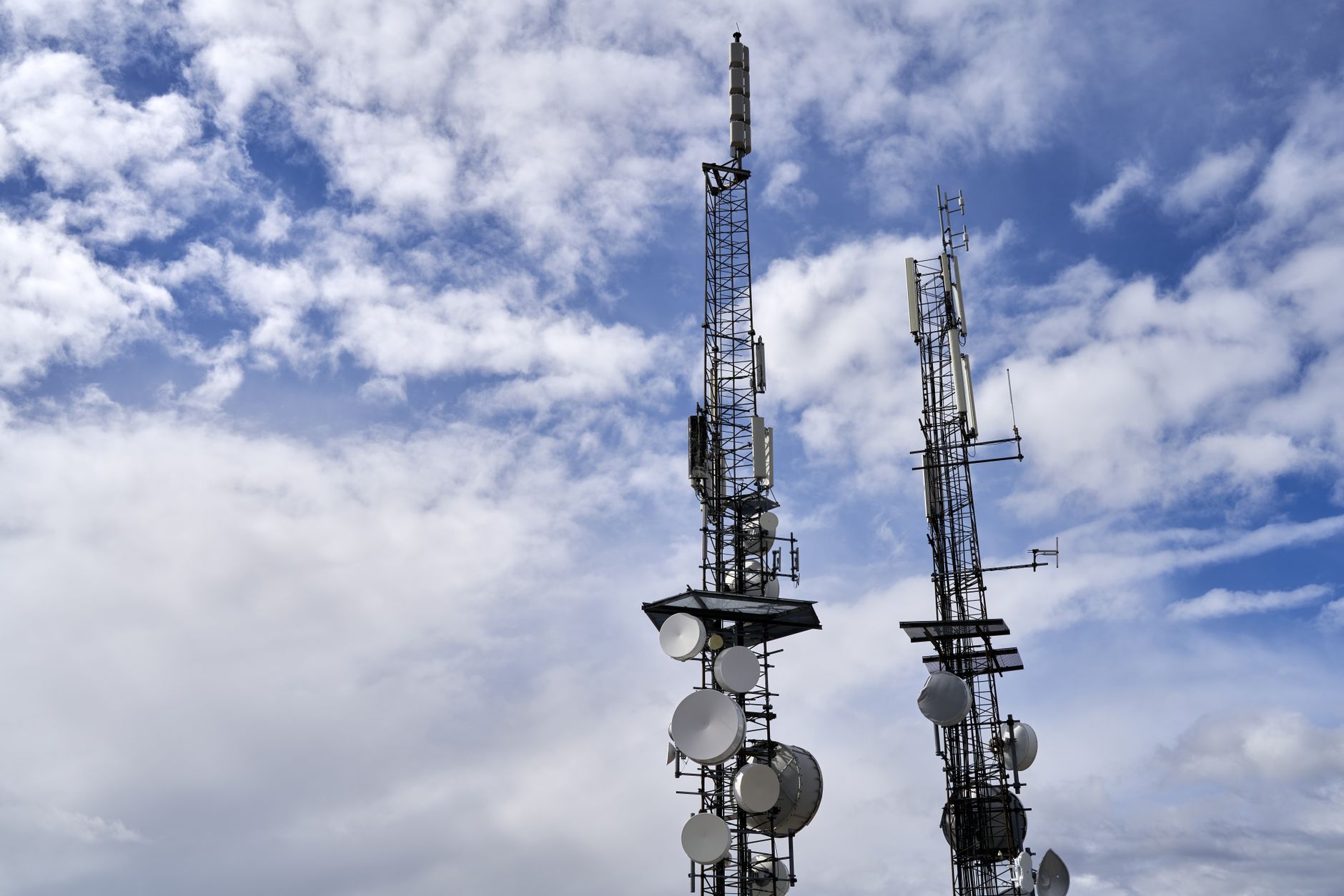
Drone ROI for telecom tower sites comes mainly from fewer climbs and faster inspection cycles, because a drone can capture antenna and mount imagery so inspectors can check a tower without a person climbing every structure. The savings range depends on how many inspection passes move to the drone, how many hours of security guards type of work those passes remove, and how often a finding still sends a crew up the structure. A lease quote follows a free site assessment, which narrows the range to your own towers.
Key takeaways
- Most of the return comes from fewer climbs, because the inspection pass moves to the air.
- Tower climbing has a documented fatality record, which is the strongest reason to test drone inspection.
- The savings range is set by inspection frequency, imagery fit and how often findings still trigger a climb.
- The lease quote comes after a free site assessment, based on your towers rather than a general benchmark.
Run the numbers for your site
Pick your city or state for a real regional number - we use the real BLS wage there. (On the live site this auto-detects from your location.)
What do you want to automate?
The unit runs the repetitive patrol and watch; guards handle the judgment calls.
What is drone ROI for telecom tower sites?
Drone ROI for telecom tower sites is the return a tower operator gets when drones take over part of the inspection work that used to require a person on the structure. The return shows up in three places: fewer climbs, faster inspection cycles, and less crew time spent scheduling and coordinating access for each tower. It is a range rather than one number, because it moves with the site, the inspection schedule and the findings each pass produces.
The base is large enough that the arithmetic matters at fleet scale. According to the Wireless Infrastructure Association's year-end 2025 statistics, about 158,500 purpose-built towers are in operation in the United States. At that scale, a small change in how often each tower is climbed adds up quickly across a portfolio, and operators with only a few sites feel the same effect in proportion.
We are a US commercial robot integrator. We pick the right drone for the site, lease it through financing, deploy and integrate it, train the staff who run it, and service it nationwide. This page explains the math. A free site assessment turns the math into a figure for your towers.
Why do tower climbs carry so much risk?
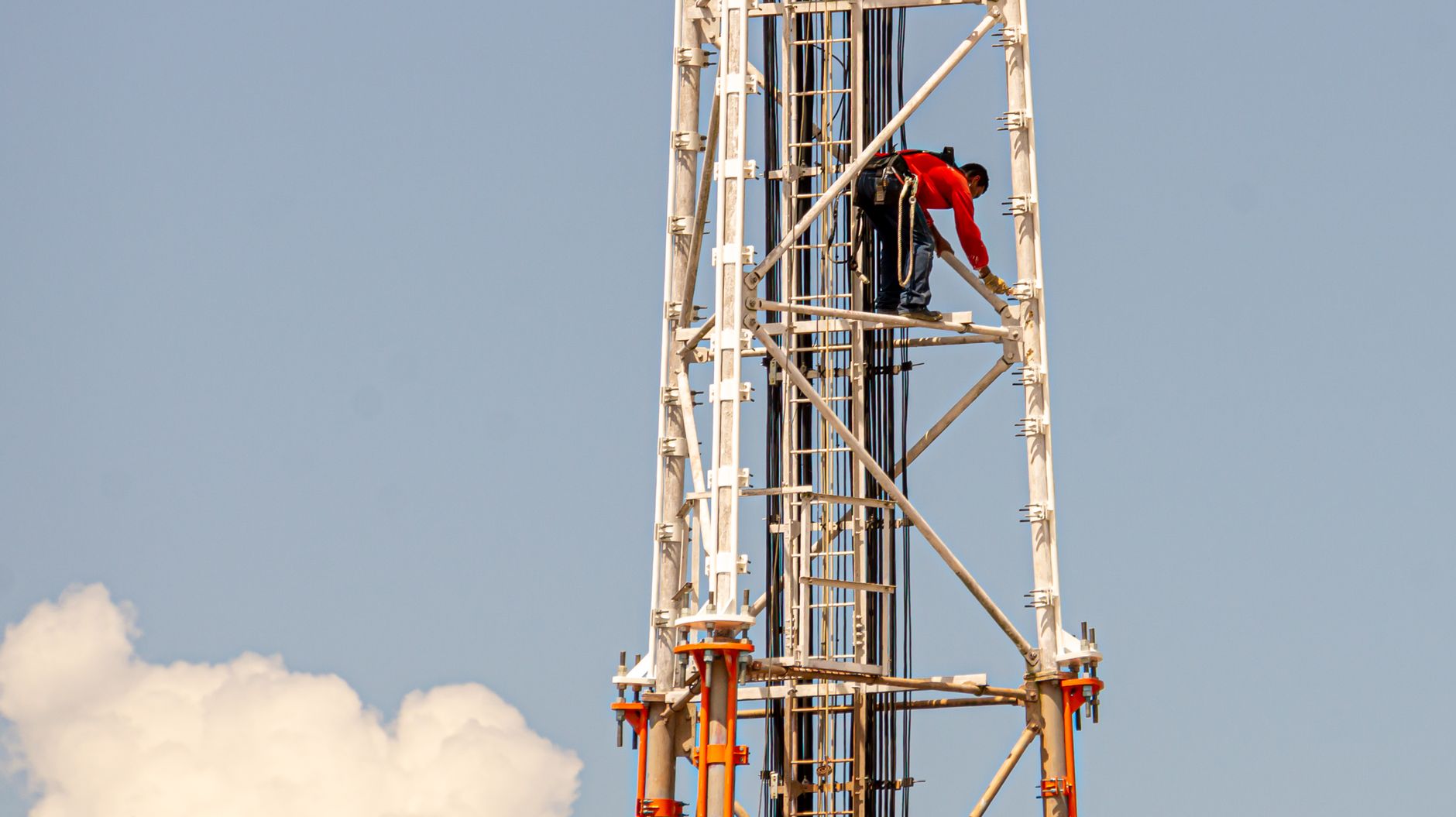
The safety case is the part of the return that rests on the strongest evidence. According to a trade press summary of OSHA data, communication tower incidents from 2003 to 2013 produced 91 deaths and 17 injuries. Falls caused 79 of the deaths and 13 of the injuries, so falls account for most of the harm recorded.
The NIOSH alert on falls during tower construction and maintenance estimated fatality rates of 49 to 468 deaths per 100,000 workers. According to the same alert, that is roughly 10 to 100 times the all-industry average. The estimate is older, so treat it as a measure of exposure rather than a present-day rate.
Check the OSHA letter to communication tower employers before you change any climbing schedule. A draft communication tower safety standard was in development according to a 2022 trade article, and our research did not confirm its final status. Your safety team should confirm both points for your own sites.
Median hourly wage, Security Guards
$4,317
Monthly cost of one full-time worker, at the median wage plus payroll costs (an estimate, not a quote).
How does the return math work?
The math has four inputs: the number of inspection passes per year that a drone can take over, the hours each pass takes today, the share of those hours a drone realistically removes, and the lease cost quoted for the unit and its service. The savings range is the spread of results across realistic values for those inputs. Every input should come from your sites rather than from a general benchmark.
Hours are the input most often guessed. The research for this page did not find a verified, published average for tower inspection time. Some vendor case studies and an uncited web page report hour figures, but we did not verify them, so this page does not use them. Your crew logs and the site assessment are the right sources.
Labor is priced the way the savings math prices it: in the hours of security guards type of work that the drone takes off the crew, such as routine site checks, visual passes and the time spent deciding whether a climb is needed. A drone does not take the whole job. It takes the visual pass, so the realistic share is smaller than the total hours on a work order. The climbers themselves do a different job, and their time is not priced here. The government wage data on this page gives the local wage for the security guard role, and that wage sets the value of each hour removed.
| Task | Today | With a robot |
|---|---|---|
| Routine site checks, the security guards type of work | Crew time from your own logs | Image capture from the flight path |
| Visual check of antennas and mounts | Done during the climb, time set by crew logs | Flight and image capture, time set by the flight plan |
| Image review and sorting of findings | Not done before the climb | Reviewer time, sized in the site assessment |
| Decision on whether a climb is needed | Made after the crew is on site | Made from imagery before a crew is sent |
| Written records of the inspection | Written after each climb | Built from the image set and findings log |
No hour figures are published here. The research for this page did not verify an average for tower inspection time, so the table lists the tasks and the sources to fill them: your crew logs and the site assessment.
What changes the number up or down?
Three things move the range most: how often each tower needs an inspection pass, whether the drone imagery can answer the questions the inspector asks, and how often the drone findings still send a crew up the structure. The checklist below lists what to confirm before you set the range.
Weather and airspace matter too, mostly through the number of usable flight windows. A site that loses many days to wind or flight restrictions gets fewer passes per cycle, so its return grows more slowly even when the drone performs well.
How much faster does a drone inspection cycle run?
Speed claims are where the vendor material is thickest and the verified evidence is thinnest. Vendor case studies report large cuts in inspection time for transmission and cell towers, but those figures are self-reported and were not verified in our research, so this page does not use them as inputs. We found no peer-reviewed, controlled study of hours saved on towers.
What can be stated with confidence is structural. A drone pass does not need a climb crew set up at height, so it can start once the flight is cleared and the site is reachable from the ground. Cycle time then depends on flight planning and image review rather than on booking a crew for each tower.
The review step is where cycle time is often lost. Imagery has to be checked, findings sorted, and a call made on whether a climb is needed. A site with a clean imagery workflow gets a faster cycle than one that adds a drone to an unchanged manual process, so the workflow matters as much as the aircraft.
Are there enough pilots to run drone inspections?
Pilot supply is not the constraint it once was. According to the FAA Aerospace Forecast summary reported by a geospatial trade site, 493,396 certified remote pilots were reported as of December 2025. The same summary reports 424,516 active Part 107 registered drones at the end of 2025, a count of drones and not of pilots.
Certification is the floor, not the finish. Tower work needs pilots who can fly close to structures, read antenna and mount imagery, and log findings that an engineer can act on. Certified pilots are plentiful. Trained pilots on your own team, who know your towers, are the real staffing question. The crew size assumed for this page is two people per site visit, which is an estimate because no published per-site count was found.
For the telecom labor side, the Bureau of Labor Statistics counted 98,950 people in national employment for installing and repairing telecommunications cable, including fiber optics, in May 2023. That is a related occupation rather than a count of tower climbers, so it shows the wider pool of telecom field labor, not who climbs your towers.
What are the main risks to the return?
Most risks to the return come from the old schedule staying in place. If the work order still climbs every tower on the old cadence, the drone adds flights and the hours saved never appear on the books. The return depends on changing the order of work, not only on adding a drone to it.
The other risks are predictable and can be planned for during the assessment:
Service matters here too. A drone out of service during a planned cycle delays the pass, so the service plan and spare unit coverage should be settled before go-live rather than after the first missed window.
- Old schedule kept in place: climbs continue on the old cadence, so hours saved never show up. Move the work order to drone first, with a climb only when a finding calls for one.
- Imagery that does not answer the inspection question: agree the required views with your engineers before the first pass.
- Lost flight windows: plan backup windows and confirm airspace and access at each site during the assessment.
- Unreviewed findings: name the person who reviews each image set and makes the climb decision.
- Single point of failure in staff: cross-train at least two people per site so one absence does not stop the cycle.
How long does it take to reach payback?
The timeline runs in phases, and the length of each phase depends on your sites and your internal approvals, so this page does not give a fixed number of weeks. The first phase is the assessment. It maps the towers, the existing inspection schedule, the access and airspace limits, and the imagery the inspectors need.
The second phase is a pilot on a small set of towers, chosen to cover the common site types in your portfolio. The pilot tests imagery fit, the review workflow and the share of findings that still trigger a climb. Its results give you the measured inputs the range needs.
The third phase extends the drone pass to the rest of the portfolio once the pilot shows that the work order change holds. Payback arrives when the hours removed, valued at the local wage for the security guard role, cover the lease cost over the lease term. The earlier phases decide how quickly that happens.
How do I get a precise figure from a free site assessment?
A free site assessment turns the range into a figure for your towers. We review the towers, the inspection frequency and the existing climb rate, the access and airspace limits, and the imagery your inspectors need. The result is a deployment plan for your sites rather than a general estimate.
To prepare, gather the tower list, the inspection schedule for the last year, the climb records by site and the crew logs showing how long each visit takes. Those records replace the guessed inputs and make the range narrow enough to act on.
After the assessment, we quote a fixed robot lease payment that covers the units, service, deployment, integration and staff training. We deploy and integrate the system, train your staff and service the units nationwide, so one partner handles installation and support.
Frequently asked questions
Want a drone at your telecom tower site?
Tell us about your site. We will recommend the robot, quote the lease, and keep it serviced.
Sources
- US Bureau of Labor Statistics, Occupational Employment and Wage Statistics (OEWS May 2024)
- Wireless Infrastructure Association 2025 key statistics
- Trade press summary of OSHA communication tower fatality data
- NIOSH alert on preventing falls during tower construction and maintenance
- OSHA communication tower letter to employers
- Bureau of Labor Statistics OEWS, SOC 49-9052, May 2023
- FAA Aerospace Forecast drone statistics summary