
The short answer
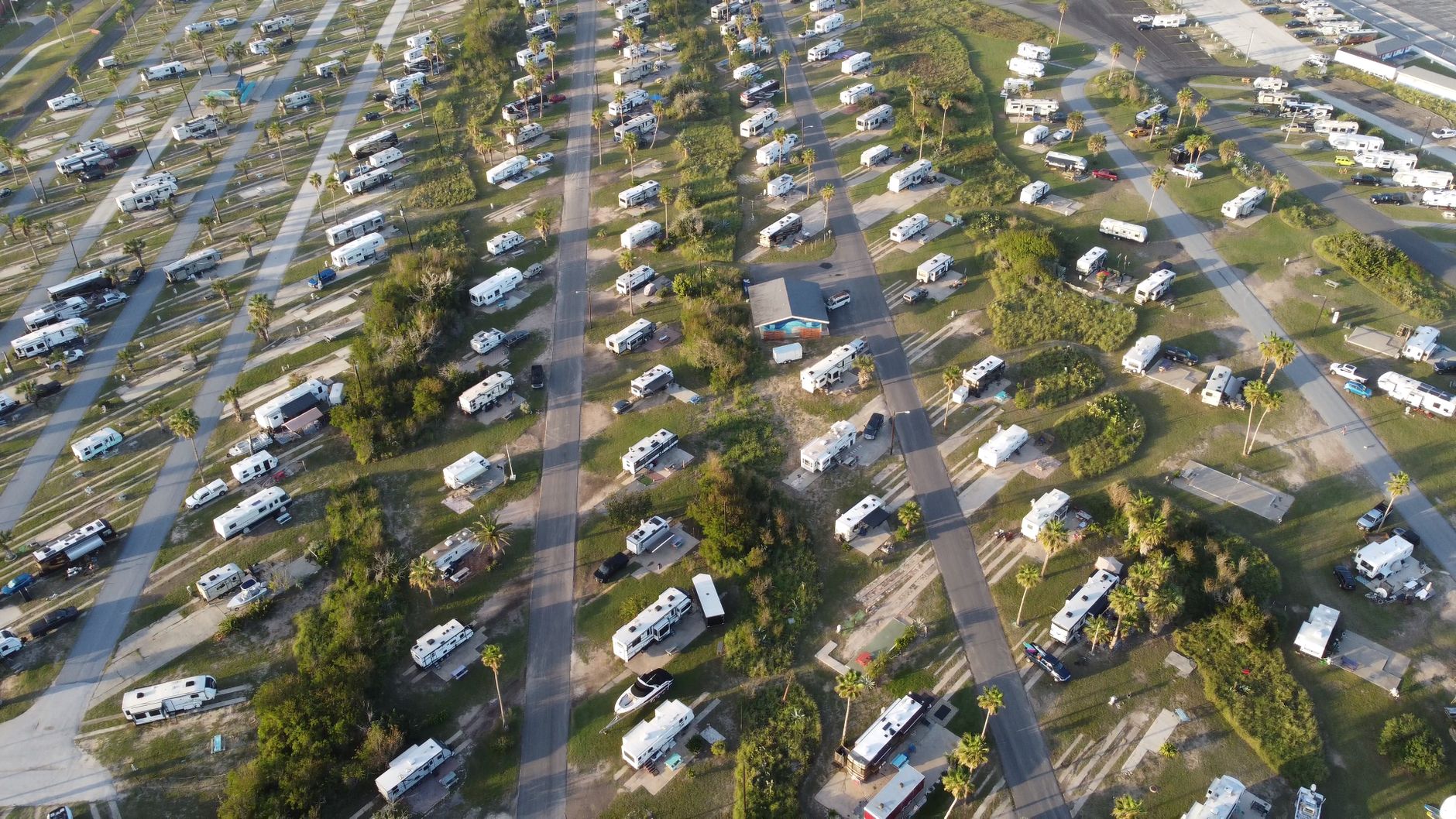
Robotic lawn mower ROI for campgrounds comes from mowing hours that move off a seasonal crew and onto a machine that runs on a regular schedule. The range depends on how much open grass the robot can realistically cover, how many labor hours that offsets, and the fixed lease payment, which we quote after a free site assessment. Savings are ranges, not promises, and payback depends on the site's own mowing load and season length.
Key takeaways
- Campgrounds mow large, mostly open grass on a regular cycle, which is the work a robot can run without an operator driving it.
- The return is labor hours moved off a seasonal crew, multiplied by the share of that work a robot realistically takes.
- The hour savings we found come from residential owners, so a campground figure must come from measurements of your own grounds.
- Edges, trim, slopes and obstacles keep part of the work with people, and the model should show that share.
- A free site assessment turns these ranges into a lease quote for your grounds.
What is robotic lawn mower ROI for campgrounds?
Robotic lawn mower ROI for campgrounds is the return a park gets when a robot takes over part of the mowing a seasonal grounds crew does now. The return shows up as labor hours that no longer go to pushing mowers across open grass, weighed against the fixed lease payment and the service that keeps the machine running. It is a range, because no two parks mow the same acreage, on the same cycle, with the same number of obstacles.
This page explains where the return comes from, how the math works, what moves it up or down, and what a realistic timeline looks like. It uses published figures where they exist and says plainly where they do not. We did not find a published mowing-hour figure for campgrounds, so the model depends on measurements taken at your site.
How many campgrounds are there in the US?
A 2026 market research estimate counts about 16,992 campground and RV park businesses in the US, up 1.8% from 2025. That is a proprietary estimate for the combined industry, so use it to size the market rather than as an official count. The narrower RV campground subset is smaller. The Census Bureau's 2016 County Business Patterns counted 4,396 RV campgrounds, an older figure that does not show the recent change.
The count matters because it shows how many parks share a similar seasonal mowing pattern: regular cuts on large open grass, with a crew that is hard to keep full. Your own return still depends on your acres and your crew hours, which is why the site assessment starts with mapping rather than with the national count.
Who mows a campground, and how hard is it to staff?
Campground grounds work is seasonal and hard to staff. In an earlier edition of a survey of campground owners and managers run by an RV trade association, more than half reported that staffing issues affect them. The same survey found that 78% of owners and managers say the influx of new campers has had a positive impact on their business. Demand is not the constraint. Labor is.
Adjacent landscaping data points the same way. A 2023 landscaping industry trends report found that 32% of landscaping firms lost a significant number of staff over the past year. That is not campground data, but it describes the labor market a park competes in when it hires seasonal grounds help.
For planning, we use two people in season as a typical grounds headcount for one site. That is our estimate, not a published count, because we did not find a verified campground headcount. Your own roster should replace it in the model before any figure goes to a budget owner.
How many mowing hours can a robot take over?
No published mowing-hour figure for campgrounds turned up in our research, so we cannot quote one. The closest verified numbers come from residential owners. A robotic mower vendor, citing a 2023 owner survey of 250 robotic mower owners by an independent agency, reports that owners saved at least 2 hours per week in season. The same vendor says savings can reach about 6 hours per week on warm-season grasses, which need cutting about three times a week.
Treat those as residential numbers. A campground has longer runs, more open turf per site and more trimming. The useful lesson is the mechanism. The saving scales with how many times per week the grass must be cut and how much of the area is open enough for a robot to run unattended. Warm-season grass that is cut often can produce the largest weekly offset.
The honest test is your own weekly log. Record how many crew hours go to open-turf mowing in a normal in-season week, then mark which passes are open lawn and which are obstacles, edges or slopes. Only the open-lawn share goes into the offset.

How does the lease math work for a campground?
The return is built from three inputs. The first is the labor hours a robot takes over per week in season, measured on your site. The second is the share of that work a robot can realistically run unattended, which is lower than the share of mowing hours because edges, obstacles and slopes stay with people. The third is the fixed lease payment for the term you choose, which we quote after the site assessment. This page does not publish a lease figure.
The savings range multiplies the hours offset by the value your park puts on those hours, then nets the lease payment and service over the same period. Ranges are shown because the inputs are ranges. A conservative case assumes a smaller open-turf share and a shorter season. An upside case assumes more open lawn and a longer season. The model is only as good as the measurements behind it.
We lease robots through financing and handle the rest. We select the model for the site, deploy and integrate it, train your staff, and service it nationwide, including on-site dispatch for repairs and remote triage for faults. You receive one quote that shows the offset range beside the payment, so the comparison happens in your own numbers.
- Unattended runs on a schedule
Robotic Lawn Mower
Runs open turf without an operator once boundaries are set
Staff
Needs someone on shift, so coverage depends on the roster
- Consistency across the season
Robotic Lawn Mower
Repeats the same pattern each cut
Staff
Varies with the operator and the day
- Edges, trim and hookups
Robotic Lawn Mower
Limited here, so people still do this work
Staff
Wins: flexible, precise and able to work around equipment
- Obstacles, campers, kids and pets
Robotic Lawn Mower
Needs boundaries and slows around people
Staff
Wins: reads the situation and reacts
- Slopes and drainage banks
Robotic Lawn Mower
Often not suitable, so the share it takes is lower
Staff
Usually wins on steep and uneven ground
- Storm cleanup and unplanned tasks
Robotic Lawn Mower
Not its job
Staff
Wins: can respond to debris and damage
What changes the number up or down?
The biggest swing factor is open area a robot can run unattended. A park with long, wide lawns and few obstacles gets a higher share of its mowing hours offset than one with many small sites, hookups and tree islands. Grass type matters too. Warm-season grass may need cutting more often, which adds crew hours that a robot could take over during the season.
Season length and layout come next. A park with a long open season and regular cuts shows a steadier return than one that closes for part of the year or mows irregularly. Boundary setup and charging access add time at the start and affect how many passes the robot completes each day.
Staffing decisions move the number as well. If the crew is already short, the robot's value appears as coverage that would otherwise go unmowed. If the crew is full, the value appears as hours moved to trimming and maintenance. Both are real, but they are not the same number, so the model should state which one it assumes.
What are the risks to the return, and how do you avoid them?
The main risk is over-counting. A model that assumes the robot does every mowing hour will overstate the return, because edges, obstacles, slopes and storm cleanup stay with people. The fix is to model the open-turf share from measurements and to keep the remaining work on the crew plan.
The second risk is exposure on the work that stays manual. According to the Bureau of Labor Statistics, landscaping and groundskeeping workers had 12,380 nonfatal injury and illness cases with days away from work in 2019, an incidence rate of 185 per 10,000 full-time equivalent workers. A NIOSH bulletin citing BLS data reports 189 injuries per 10,000 full-time employees for grounds maintenance workers, against 87 for all occupations. Moving open-turf passes to a machine can reduce exposure on that work, but the people who still trim and handle the equipment need the same training as before.
The third risk is demand swings. According to a 2026 camper survey by a camping platform, federal government actions affected one in six US campers in 2025, including a 43-day government shutdown. A park with a volatile season should size the lease to the season it actually runs, not to its best year.
What does the timeline from assessment to payback look like?
The sequence starts with a free site assessment, a mapping visit that measures open turf, obstacles, slopes and charging access. From there we quote the lease, then schedule deployment. Installation and integration, staff training and go-live support come before the robot runs on its own. Timelines depend on the site and season, and we do not promise a payback date before the measurements are in.
Payback arrives only after the robot has run through a full in-season cycle. That first cycle is the first point where measured hours can replace estimates, and early assumptions often get corrected. A park can start with one leased unit, see how the hours move, and expand if the offset holds, instead of committing to full coverage on day one.
Use the first season to measure. Compare crew hours on open turf before and after, log boundary incidents and downtime, and check the result against the range in the quote. Even a result near the conservative case is useful for a seasonal crew that is hard to fill.
How do I get a precise campground figure from a free site assessment?

A precise figure comes from measurements, not from a national average. In the free site assessment we map the open turf, mark obstacles, boundaries and slopes, check charging access, and record the cut cycle for each area. Those inputs replace the ranges on this page with numbers for your grounds.
The quote then sets out the lease payment for the term, the deployment and integration plan, staff training and nationwide service. We select a robot that fits the site rather than one model for every park, and the quote shows the offset range next to the payment so you can check it against your own crew hours.
If you want a number to take to your budget owner, bring the mowing schedule and crew hours for the grounds from the last season. The assessment will show how much of that work a robot can realistically take, and where it cannot.
Frequently asked questions
Want a robotic mower at your campground?
Tell us about your site. We will recommend the robot, quote the lease, and keep it serviced.
Sources
- 2026 market research estimate of US campground and RV park businesses
- US Census Bureau, 2016 County Business Patterns, RV campgrounds
- RV trade association survey of campground owners and managers, earlier edition
- 2023 landscaping industry trends report, staffing findings
- Bureau of Labor Statistics, landscaping and groundskeeping workers injury data, 2015 to 2019
- NIOSH bulletin on heat illness in landscaping, citing BLS data
- Robotic mower vendor blog citing a residential owner survey, vendor-reported
- 2026 camper survey by a camping platform