
The short answer
Robotic lawn mower ROI for fairgrounds comes mainly from mowing large open turf on a fixed schedule between event dates, so the crew hours spent on regular mowing move to the robot and people focus on setup, edges and event work. The savings range on this page's calculator is an estimate for a typical site, not a promise, and it depends on how much of the grounds is open turf and how many mowing cycles fit between events. A free site assessment replaces that estimate with a fixed lease payment quote and a payback figure built from your acreage, event calendar and measured crew hours.
Key takeaways
- The return comes from crew hours moved off regular mowing on open turf, not from removing the grounds crew.
- Event calendars with short gaps limit how often a robot can run, so the schedule drives the number as much as the acreage does.
- Trimming, edges, debris and event setup stay with people, and the savings range should reflect that.
- Savings are shown as a range, and a free site assessment turns that range into a quoted figure for your grounds.
- Measured mowing hours and acreage by zone are the two inputs that change the answer most.
What is robotic lawn mower ROI for fairgrounds?
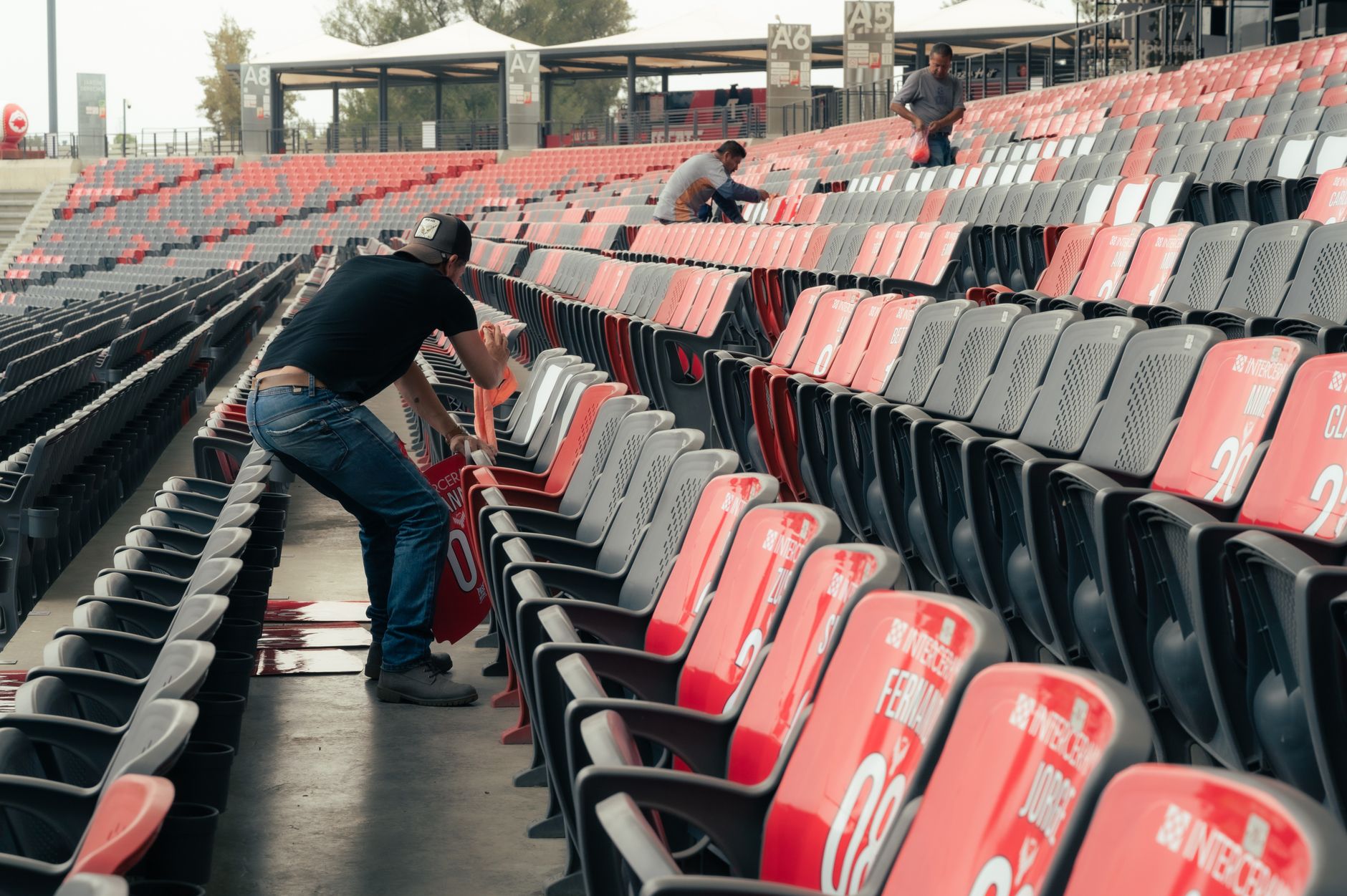
Fairgrounds are unusual turf sites. Between events the grass keeps growing, and the grounds still have to look ready for the next show, fair or market. Many operators handle this with a seasonal crew sized for the busiest weeks, which then sits idle or gets pulled onto other work the rest of the year. Robotic lawn mower ROI for fairgrounds comes down to one question: how many hours of regular mowing on open ground can a robot take over, so that people spend their time on work only people can do well.
Scale is the first thing to check. According to a 2025 national economic impact study of fairs and fairgrounds, nearly 1,400 fairgrounds across the U.S. were included in its database. Individual sites differ sharply. A North Carolina State Fair Grounds profile reports more than 600 events per year on 344 acres, and a list of the largest fairgrounds in the United States includes one in Georgia at over 1,100 acres. A site with that many event days has few open windows, so the robot schedule has to fit into short gaps between shows.
Where does the return come from?
The return has three sources. The first is labor hours moved off regular mowing, which is the largest and easiest to measure. The second is timing. A robot runs on a fixed schedule, so the grounds are cut before each event instead of whenever a crew can be spared, which matters when a fair or rodeo has a hard opening day. The third is lower exposure to repetitive physical work, since push mowing and trimming are where most of the strain falls.
The safety point is real but should be read carefully. In 2019, according to a Bureau of Labor Statistics snapshot, landscaping and groundskeeping workers logged 12,380 nonfatal injury and illness cases with days away from work, an incidence rate of 185 per 10,000 full-time workers. A robot does not remove every hazard, because staff still trim, clear debris and handle equipment. It does reduce the share of work that is most repetitive, and that share is where the injury data points.
Where do the hours come from in the math?
The math has four inputs. First, the hours a crew spends mowing open turf in one full cycle, taken from mowing logs or a timed walk and not estimated from memory. Second, the share of that work a robot realistically takes over, which is usually less than all of it because edges, obstacles and wet spots stay with people. Third, the number of mowing cycles that fit between events. Fourth, the fixed lease payment in the quote, which is set only after the site assessment.
The calculator multiplies the first three inputs into an hours offset, values that offset at the cost of the labor it replaces, and subtracts the lease cost to show a savings range. The range is wide on purpose. A narrow number built on a guessed share of work is the most common way these estimates go wrong, so ask for both ends of the range and check which inputs drive each end.
Where does a robot work on a fairground?
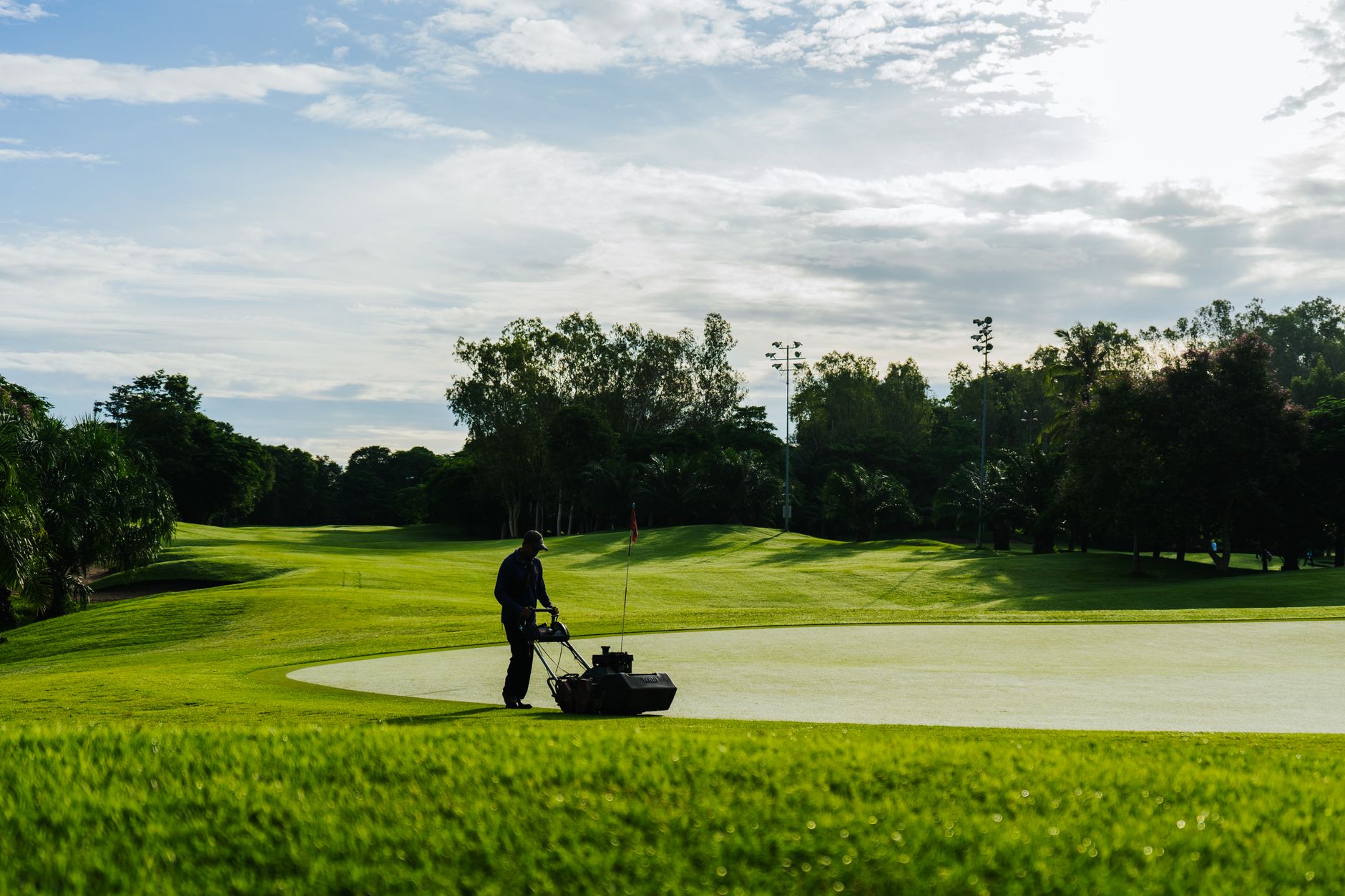
A robot works inside mapped zones, not across the whole site. Its boundary is set around open turf, with keep-out areas for buildings, tents, vehicles, animal pens and event structures. Most large fairgrounds have several separate zones that need different routes, and some zones will never suit a robot at all.
The zones below are the kinds of ground that show up most on large fairgrounds. Each has a different share of open turf and a different amount of edge work, so each affects the savings range differently.
What changes the number up or down?
Four things move the number most. Open turf share pushes it up, while trees, steep slopes and dense obstacles push it down. Event gaps set how many mowing cycles are possible. Edge and trim work that stays with people reduces the offset. Drainage and wet infield days can pause runs. None of these is a reason to skip the assessment, but each should be checked before a number goes into a budget.
Some fairgrounds will not fit. A site with little open turf, heavy tree cover or a calendar with almost no gaps may get a small offset, and the assessment should say so plainly rather than stretch the range to justify a lease.
What are the risks to the return and how do you avoid them?
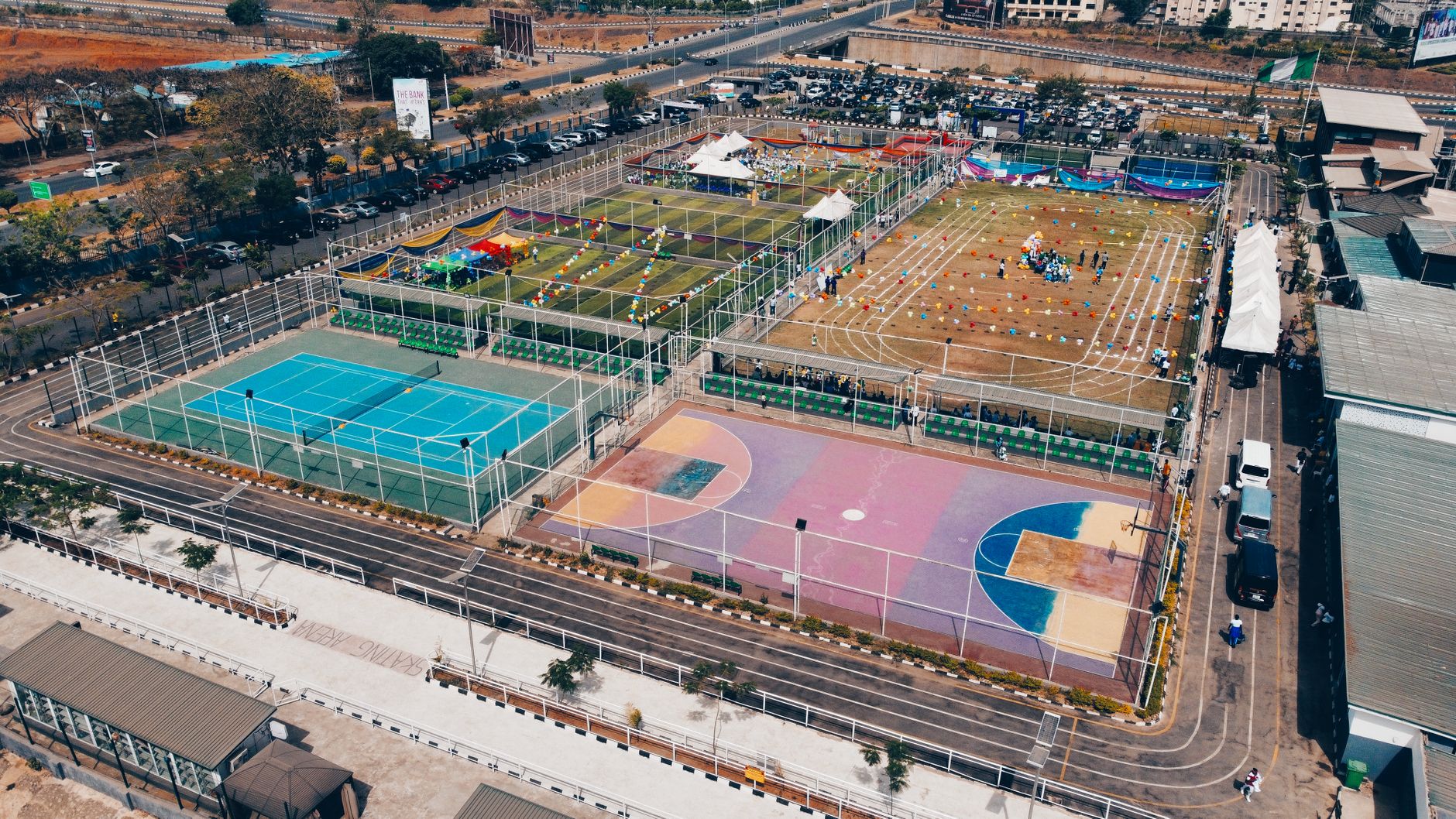
The most common risk is counting the whole site as mowable. Overcounting open turf inflates the hours offset and makes payback look shorter than it will be. Avoid it by mapping zones from the site plan and walking the boundary before committing. A second risk is underestimating trim and edge work, which stays with staff and can quietly fill the time the robot freed up.
Event-specific risks matter too. Setup crews, tent installation and vehicle staging can block zones on short notice, so the schedule needs keep-out rules that staff can follow. Start with one zone in a trial, keep the crew trained on routes and no-go areas, and confirm the backup and service plan before the first full season. Our integration team maps the boundary, runs the trial zone, trains the staff and handles on-site dispatch for repairs, so the return does not depend on one person who knows the machine.
What is a realistic timeline from assessment to payback?
The sequence runs from assessment through mapping, quote, installation, training, go-live and the first full season. Mapping and boundary setup take the most planning. Installation has to happen when the grounds are clear of events and heavy equipment. The quote follows the assessment, so no lease terms are set before the site has been measured.
Payback depends on the quote and on the measured hours from the assessment, so this page does not state a payback month. The useful test is whether the first season's schedule covers the mowing cycles the calculator assumed. If the first season shows fewer open windows than planned, payback moves out, and the assessment should say so before anything is signed.
What staffing and safety data should inform the decision?
The Bureau of Labor Statistics Occupational Outlook Handbook reports about 1.30 million grounds maintenance worker jobs in 2024, with projected growth of 4% for 2024 to 2034. That is a different occupational code from landscaping and groundskeeping, but it shows how large the grounds workforce is and how steady demand is expected to be. Published staffing counts for fairground grounds crews were not found, so the headcount used on this page is an estimate for a small crew, to be confirmed during the assessment.
Injury data explains why the work matters. Older NIOSH figures put the landscaping fatality rate at 25.1 per 100,000 workers, against 3.8 for all industries. A peer-reviewed study of consumer mower injuries counted 934,394 cases treated in U.S. emergency departments from 2005 to 2015, averaging 84,944 a year, with no decline over the period. That study covers consumer equipment rather than job sites, so it should not be read as occupational evidence, but it shows how persistent mower injuries have been.
How do I get a precise figure from a free site assessment?
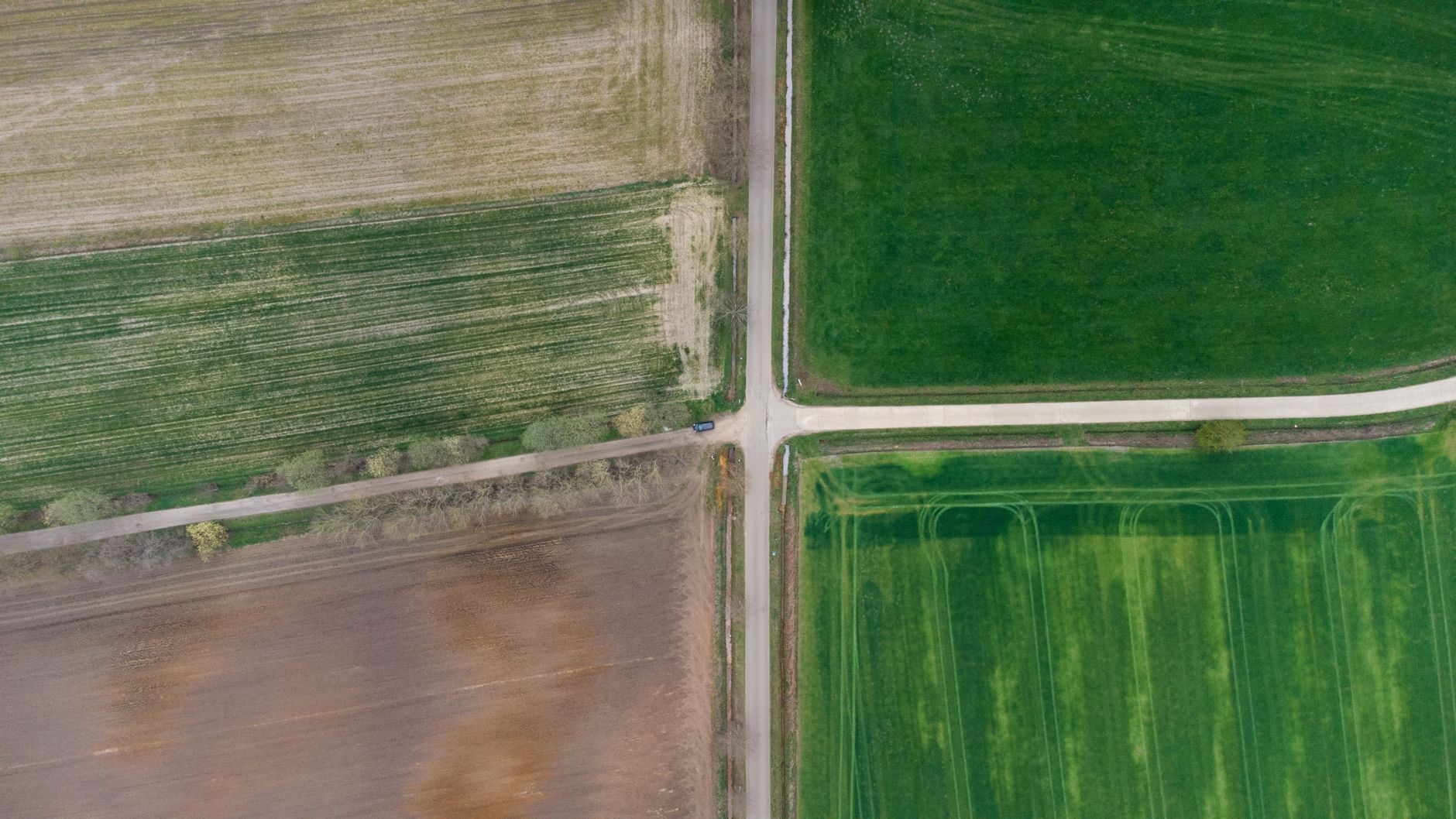
A free site assessment turns the range into a figure for your grounds. Bring the site plan, acreage by zone, the event calendar for the next season, and any mowing logs or crew hour records you have. If logs do not exist, the assessment includes a timed walk of the mowing route so the hours come from measurement.
The result includes the mapped zones, the share of work a robot can take, a schedule that fits the event calendar, and a fixed lease payment quote with a payback estimate. Compare that result against your existing cost of grounds mowing. If the numbers do not justify the lease for your site, the assessment should say so.
Frequently asked questions
Want a robotic mower at your fairground?
Tell us about your site. We will recommend the robot, quote the lease, and keep it serviced.
Sources
- National economic impact study of fairs and fairgrounds (2025)
- Regional news report on a New York fairgrounds (2025)
- North Carolina State Fair Grounds profile
- List of the largest fairgrounds in the United States
- Bureau of Labor Statistics, Occupational Outlook Handbook: Grounds Maintenance Workers
- Bureau of Labor Statistics, Occupational Injury and Illness snapshot: landscaping and groundskeeping
- NIOSH Science Blog
- Peer-reviewed study of lawn mower injuries (NEISS data)