

Key takeaways
- Autonomous forklifts for grain mills take the repeated pallet trips between packaging and storage off skilled drivers.
- The biggest gains usually come from steadier flow and fewer idle line minutes, measured in hours.
- Pallet handoffs at the packaging discharge decide most of the day to day reliability.
- A robot plus a smaller team works best, with trained staff on call for faults and exceptions.
- Start with a free site assessment, a pilot route and a quote built on your own hours.
How can autonomous forklifts for grain mills help?
Autonomous forklifts for grain mills take over the repetitive pallet moves that tie up people on a packaging floor. At a mill, that usually means carrying finished bags, cases or totes from the end of a packaging line to finished goods storage, and then moving loaded pallets toward the dock when trucks are ready. A forklift that runs those routes on a set schedule keeps product moving through long shifts, including the hours when staffing is thinnest.
The main benefit is consistency rather than raw speed. The robot runs the same route at the same pace at 3 am as it does at 3 pm, so packaging lines are less likely to back up while a driver is on break or a truck is late. Operators also see fewer stops caused by a pallet that is not where it should be.
This page covers what pallet work looks like at a grain mill today, how the robot fits the daily routine, which areas of the plant it serves, how it works alongside your crew, what it cannot do, and how to start. Service Robot Co. is a US commercial robot integrator. Nothing here is a promise about your numbers, so read it as a checklist for measuring your own mill.
What does pallet movement look like at a grain mill today?
Grain milling is a steady, high-volume process, and the packaging end runs on a schedule set by orders and truck dates. According to World Grain's report on the 2024 Grain & Milling Annual, the United States has 147 wheat, 17 durum and 12 rye mills. Each of those plants depends on a few operators and drivers who move between the packaging line, the staging area and the warehouse all shift long.
Mill pallet work has a predictable shape. Packaging produces full pallets at a steady rate, those pallets wait in staging, and then they move to racks or the dock. When a driver is pulled to another task, the line keeps filling and the staging area fills up. That gap is where lost time shows up, and it is the gap the robot is built to close.
The scale of the labor question is real. Hours worked in grain and oilseed milling, as published by the Federal Reserve Bank of St. Louis from BLS data, moved from an index value of 108.041 in 2024 to 105.978 in 2025, on a 2017 equals 100 scale. For a plant manager, that is a sign of how little slack many crews have. Check your own shift records against your line rate before you decide anything.
What are the main benefits?
The first benefit is steadier flow between packaging and storage. A robot that starts its route at the same time every shift removes the gaps caused by breaks, shift changes and pulled drivers. Lines are less likely to stop while a full pallet waits for a truck.
The second is fewer driver hours spent on repetitive travel. Moving a pallet from the packaging discharge to a storage rack is a short, repeatable trip, and it is a poor use of an experienced driver who could be loading trucks or handling exceptions. Reassigning those hours is often where operators first see the gain.
The third is coverage on the hours that are hardest to staff. Night and weekend shifts often run with fewer people, and the robot can keep its route going on those shifts without a separate hiring push. It also does not need to be replaced when a driver leaves, which matters when the work is already hard to fill.
How does the robot work there day to day?
The robot starts from a map of the mill built during the site assessment. It travels fixed routes between defined pickup points at the packaging line and drop points in finished goods storage, and it uses sensors to stop for people and objects that enter its path. The mill sets the routes and timing, and the robot follows them.
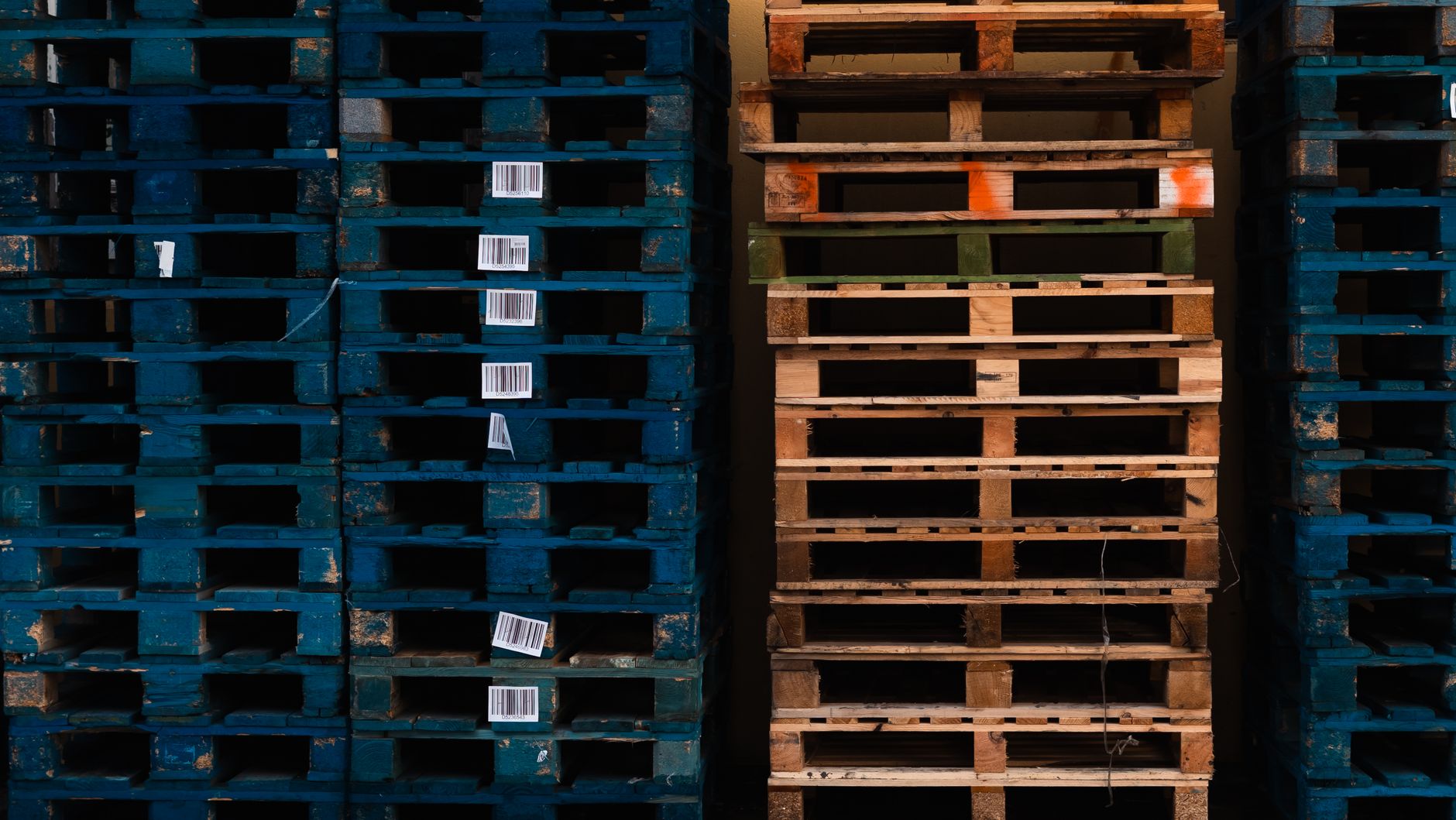
Pallet handoffs are the critical moment. Pallets must be placed and squared in a known position at the line discharge, and the robot must find them there. The mill controls that position with guides, floor markings and a consistent staging pattern. Most of the tuning happens in the first weeks, and it is mostly about getting the handoff right.
Reliability depends on conditions. Peer-reviewed testing of autonomous pallet handling in warehouse-like settings reported 100 percent success in pallet pickup tasks, and 75 percent success in orientation variation tests. Those results show that how the load is presented matters as much as the vehicle itself.
Which areas of the mill does it work in?
Autonomous forklifts for grain mills work best in the areas where pallets move along the same routes every shift. In practice that is a short list of zones, not the whole plant. Keeping the robot inside clear, defined zones is what makes the results predictable.
Zones follow the flow of product. Each zone below is a space where the robot does one kind of job, and the mill can add zones after the first route proves itself.
Areas with heavy mixed traffic, unmarked floors or outdoor surfaces are usually left to people or to a later phase. The mill decides which zones go first, and the site assessment helps rank them.
How does it work alongside existing staff?
A robot plus a smaller team is how this works, not a robot instead of a crew. The forklift handles the repeated trip, while people handle loading, quality checks, damaged pallets, schedule changes and anything the robot cannot see or judge. Staff are usually moved to the dock and to exceptions, which is where experienced drivers add the most.
Training matters more than most operators expect. Packaging staff need to know how to stage a pallet so the handoff works, and the mill needs at least one person who can clear a stop, check a fault and call for help. Service Robot Co. trains the staff who will work with the robot as part of deployment.
Expect a transition period. The first weeks involve more checking on the floor, and the crew will learn which pallets and positions cause stops. Roll out one route at a time, and keep a manual option ready for the days the robot is down.
What drives the savings?
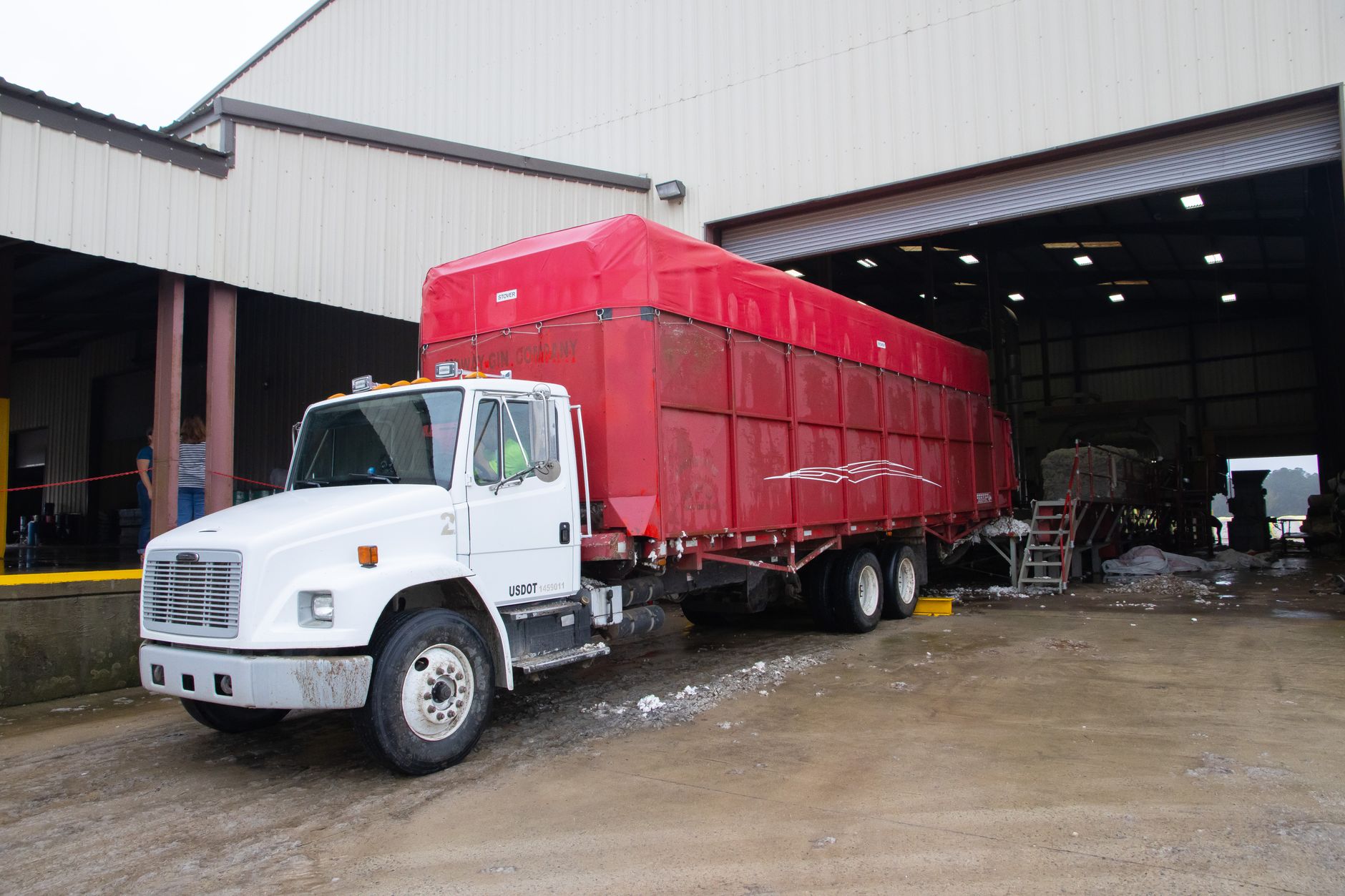
Savings come from hours, not from a single headline number. The biggest driver is the time drivers spend traveling empty or waiting on a radio call, followed by the time a line sits idle while a pallet is missing from staging. Measure both for a full week on the shift that runs the most pallets before you estimate anything.
Labor is the second driver, and it should be read in hours. According to the Bureau of Labor Statistics, 774,420 people were employed as industrial truck and tractor operators nationally in May 2025. The Occupational Outlook Handbook lists 765,200 employed in 2025, a projected 776,300 by 2035, a change of 1 percent, and about 64,700 openings a year. That is a stable occupation, which means your mill competes for the same people as everyone else.
Use your own hours to set the expectation. A realistic estimate comes from the hours your drivers spend on the repeated route, the hours of idle line time you can measure, and the overtime hours used to cover gaps. Those are your ranges, and the quote after the site assessment should be built on them.
What can it not do?
An autonomous forklift does not replace judgment. It cannot inspect grain or flour quality, spot a damaged bag at a glance, decide whether a pallet is safe to move, or handle a load that does not match its profile. People still do those jobs, and the mill should write those duties down before deployment.
Floors and surroundings set limits. A manufacturer's FAQ notes that most autonomous pallet trucks run indoors on smooth, controlled floors, and that some models suit outdoor use. A peer-reviewed review also notes that monocular vision detection varies with shrink-wrap and floor reflections. Dust, uneven concrete and wet spots deserve a look during the assessment, and outdoor routes to a truck yard are usually a separate project.
Docking is accurate but not perfect. A three-stage navigation stack reached 96.17 percent success in 287 docking tests in an 80 meter by 50 meter warehouse. Those misses still need a person to step in, so plan a manual fallback and a written fault procedure from the start.

How do you get started?
Start with a free site assessment. Service Robot Co. is a US commercial robot integrator. We pick the robot that fits the site, lease it through financing, deploy and integrate it, train the staff who work beside it, and service it nationwide. For a grain mill, the assessment maps the packaging discharge, the staging layout, the storage routes, the dock and any floor or surface issues that affect performance.
Then comes a pilot and a phased rollout. Begin with one packaging-to-storage route, confirm handoff reliability over several weeks, and expand only once the crew and the maintenance plan are working. Keep your overnight coverage in view so the robot runs when pallets are ready.
The payment comes in the quote after that assessment. Bring your shift schedule, line rates, pallet specifications, the hours your drivers spend on the repeated route, and a short list of the zones you want first. That gives the quote a real basis and gives you a clear decision point before anything is installed.
Frequently asked questions
Want an autonomous forklift at your grain mill?
Tell us about your site. We will recommend the robot, quote the lease, and keep it serviced.
Sources
- Bureau of Labor Statistics, Occupational Employment and Wage Statistics, May 2025
- Bureau of Labor Statistics, Occupational Outlook Handbook, Material Moving Machine Operators
- Federal Reserve Bank of St. Louis, FRED, hours worked in grain and oilseed milling
- Peer-reviewed review in the journal Robotics (MDPI), autonomous pallet handling and navigation
- World Grain, top US milling companies and milling capacity