

Key takeaways
- Autonomous forklifts mainly help with repeat putaway and retrieval in dense high-SKU racking.
- Picking and putaway errors are a major margin leak, and consistent pallet placement addresses them directly.
- The robot works alongside a smaller team, and your people still own final placement and exceptions.
- Savings should be measured from your own error, damage and task-time records in a free site assessment.
How can autonomous forklifts benefit auto parts distributors?
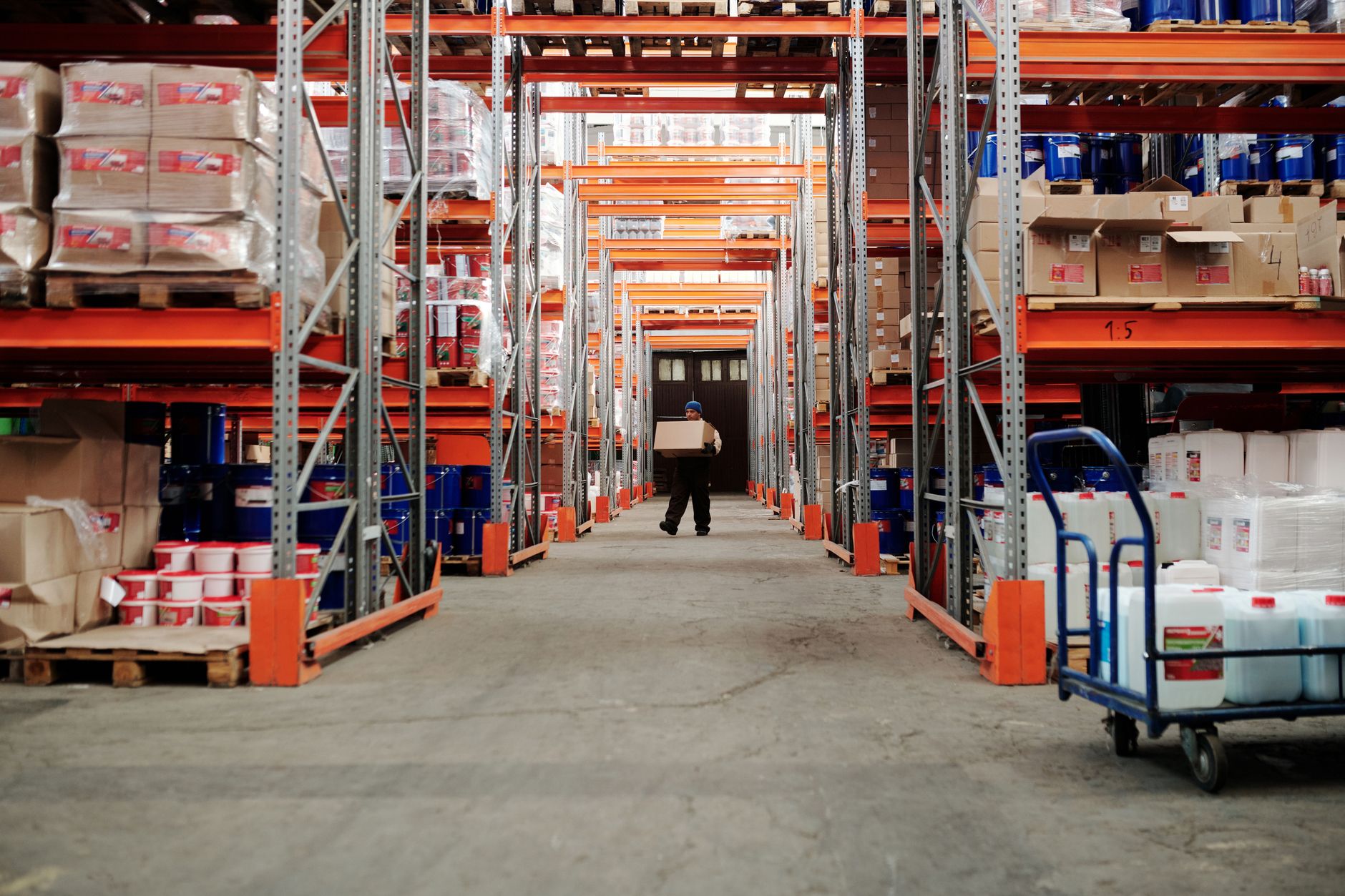
Autonomous forklifts for auto parts distributors help in two places: dense racking where many part numbers share narrow aisles, and the repetitive putaway and retrieval moves that fill those racks. A forklift that follows the same mapped routes does not get rushed or distracted, and it sets pallets in the same way from one shift to the next. That consistency protects inventory accuracy and cuts the rack and product damage that quietly eats margin.
The short answer is fewer picking and putaway errors, less damage to racks and cartons, and steadier throughput on the shifts that are hardest to staff. The robot does not replace your team. It takes the repeat trips out of the day so your people can focus on exceptions, quality checks and customer orders.
The benefit is easiest to see in the numbers you already keep: error counts from cycle counts, damage log entries, and overtime on the busiest shifts. The rest of this page explains where those numbers come from and how a robot changes them.
What problem does this create at auto parts distributors today?
Auto parts wholesaling is a large and crowded field. According to IBISWorld, there were 16,581 businesses in the auto parts wholesaling industry in 2026. Many of them run high-SKU racking, where one bay can hold a range of part numbers that look alike, and a single wrong pick can send the wrong part to a shop that is waiting on it.
Errors at the rack add up. According to a vendor blog on order picking accuracy, manual picking typically runs at an error rate of 1 to 3 percent, while light-directed picking holds above 99 percent accuracy. Another industry estimate, cited in a vendor article on picking errors, says more than 35 percent of warehouses or fulfilment centres have a picking error rate above 1 percent.
Putaway is where many of those errors start. A pallet parked in the wrong location gets picked later as if it were in the right one, and the mismatch surfaces at cycle count or at the customer's dock. The same vendor article notes that many picking errors begin in replenishment or putaway, not at the pick face. Packing errors also hurt, and the article cites studies, not named, that put a single packing error at a 13 percent cut in an order's profitability.
Rack damage is harder to measure. We did not find a verified industry rate for it, so treat it as something to measure in your own building before and after any change.
What are the main benefits for an auto parts distributor?
The first benefit is consistency. A robot follows the same path, reads the same location and sets the pallet the same way at two in the afternoon and two in the morning. That is the core of inventory accuracy, because the location record and the physical pallet stay together.
The second is accuracy. According to a vendor guide on order picking accuracy, industry order-picking accuracy averages around 96 to 97 percent, and best-in-class operations reach 99.8 percent. The gap between those figures is where returns, reships and expedited shipments come from, and clean putaway is one of the main ways to close it.
The third is less damage. Fewer manual trips into tight aisles means fewer forks striking upright frames and fewer dropped cartons. We cannot give you a verified rate for rack damage, so the honest claim is a lower chance of the damage that comes from repetitive handling, which your damage log will show.
The fourth is a steadier shift. Robots keep working through the slow hours, so the team can plan around fixed tasks instead of waiting for the next available driver.
How does the robot work there day to day?
A typical unit in this kind of operation is a forklift that drives itself along mapped routes and moves pallets between the dock, the aisles and the shipping doors. It handles the moves that repeat most often, which in a parts warehouse are inbound putaway and outbound retrieval.
The shift usually starts with the warehouse system sending a queue of putaway and retrieval tasks. The robot picks up inbound pallets at the receiving dock, drives them to the aisle and sets them at end-of-aisle staging. On the outbound side, it retrieves pallets from racks and brings them to the shipping doors.
A person still does the final touch. Someone checks the label, confirms the location and handles anything the robot flags, such as a damaged pallet or a blocked aisle. This split keeps people on final placement and exception work, which is where judgment matters most.
Which areas of the building does it work in?
Most of the value sits in the moves that repeat. In a parts distribution building, that means reserve racking, the receiving dock, staging lanes at the aisle ends, and the outbound doors. Some sites also use the returns area and a charging zone. Each area has its own rules, so the site assessment maps them before any robot runs.
Reserve racking is the main job. Narrow aisles and high bays are where manual trips slow down and where racks get hit, so repeat putaway and retrieval pay back most here. Expect the staging lanes to take heavy traffic, since most robot moves pass through them.
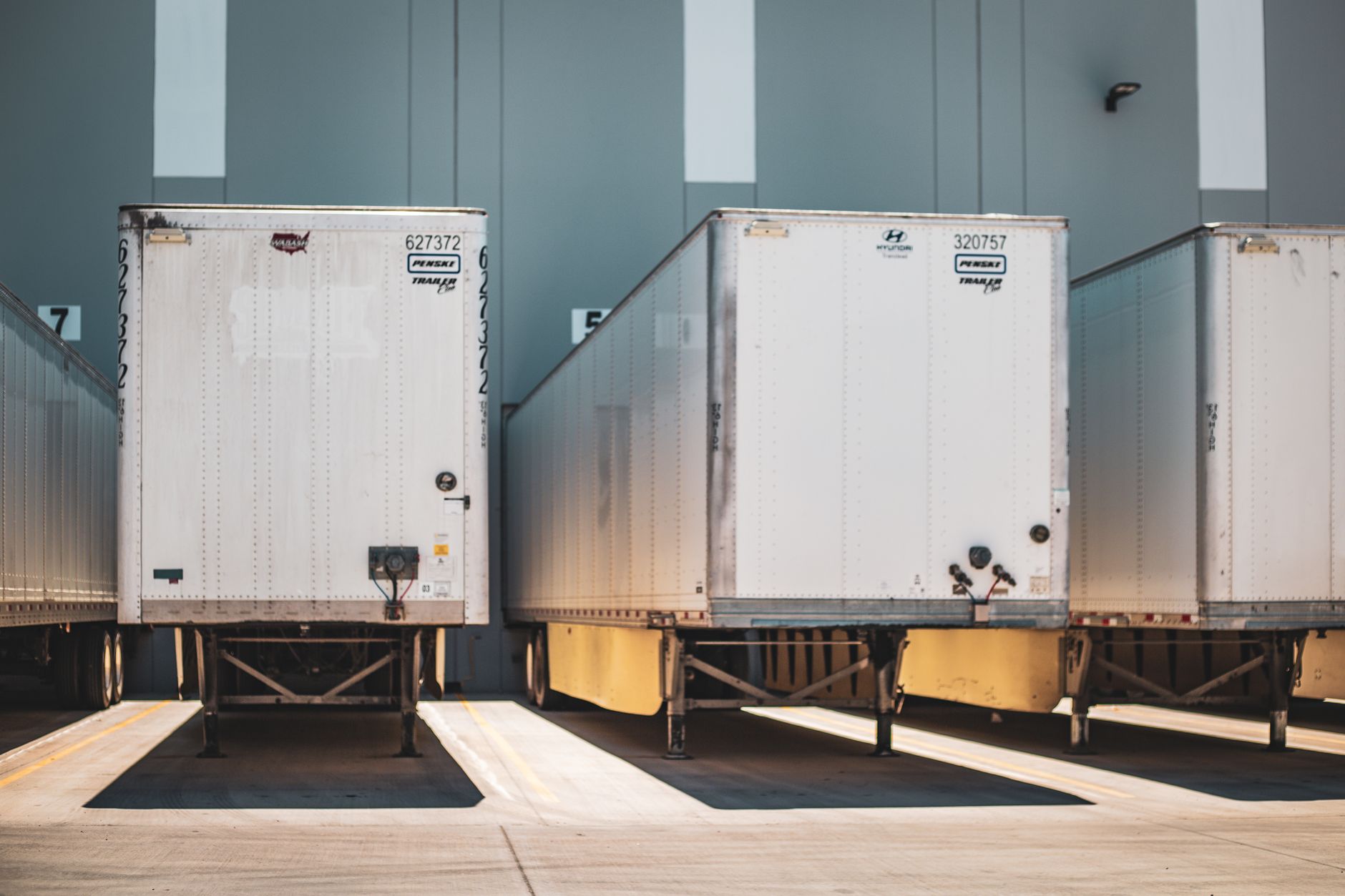
The receiving dock and outbound doors are about moving pallets between trucks and storage without waiting on a driver. Returns and quarantine areas usually see fewer moves, so staff often handle them and keep them off the robot's route until the process is settled.
How does it work alongside your existing staff?
A robot plus a smaller team is the model we recommend for a building like this. The job is not disappearing. According to the US Bureau of Labor Statistics, industrial truck and tractor operators numbered 765,200 in 2025, and the agency projects 1 percent growth, to 776,300 jobs, over the 2025 to 2035 period. The practical plan is to move experienced operators onto supervision, exception handling and fine placement work.
A trade article on autonomous forklifts in automotive parts manufacturing reports that automation reduced staff involvement in repetitive handling, so people could focus on supervisory work. That is a plant, not a distributor, so treat it as a pattern to test in your own building rather than a forecast.
Training matters as much as the machine. Operators need to know how to clear a blocked route, read the robot's status and stop it safely. We train your staff on those routines before go-live, so the people closest to the racks know what the robot will do next.
What drives the savings?
Savings come from fewer repeat errors, fewer rack and product hits, and fewer hours spent on the same short trips. The biggest levers are the ones your own records can show: picking error rate, putaway mismatches found at cycle count, damage log entries and overtime on the hardest-to-staff shifts.
We do not promise a savings figure, and the research for this page did not yield a verified labor-hour range for this kind of building. The site assessment measures your task times, error counts and damage records, so the estimate is built from your numbers and not from a national average.
The error side has real ranges to watch. Manual picking at 1 to 3 percent error and light-directed picking above 99 percent accuracy show how much method alone can matter. Your own baseline will sit somewhere in that spread, and the assessment will show where.
What can it not do?
It is not a general-purpose forklift. It works on the routes it is mapped for, handles the load range it is rated for and needs aisles that stay clear. Heavy, oversized or irregular loads may still need a conventional truck and a person.
It depends on a well-kept environment. Spills, debris, poor lighting in parts of the building and blocked aisles slow it down or stop it, and someone has to clear those problems. A robot in a messy building becomes one more thing to manage, so housekeeping habits matter from day one.
It does not decide where things go. Slotting rules, location naming and the warehouse system remain your responsibility, and the robot is only as accurate as the locations it is given. It also cannot fix a weak receiving process, because it moves what arrives.
How do you get started?
Start with a free site assessment. We map the floor, measure aisles and racking, review your task volumes and damage records, and identify the moves the robot would take over. Then we pick the right robot for the site, not the other way around. If you are weighing autonomous forklifts for auto parts distributors, the assessment is the right first step.
Robots are leased through financing, so you do not have to fund the equipment up front. The payment comes in the quote after the site assessment, with the terms, the deployment plan and the service coverage written out together.
After you sign, we deploy and integrate the robot with your warehouse system, train your staff and provide go-live support. We service robots nationwide, with on-site dispatch and remote triage for faults that can be cleared without a visit.
Frequently asked questions
Want an autonomous forklift at your auto parts distributor?
Tell us about your site. We will recommend the robot, quote the lease, and keep it serviced.
Sources
- IBISWorld, Auto Parts Wholesaling 2026
- VerticalIQ, Auto Parts Distributors
- Systems Automated, practical look at order picking accuracy
- The Access Group, avoiding picking errors
- Finale Inventory, how to improve order picking accuracy
- US Bureau of Labor Statistics, Material Moving Machine Operators
- Robotics Tomorrow, autonomous forklifts in automotive parts manufacturing