
Key takeaways
- Returned pallets that wait in aisles keep adding holding cost every day they sit.
- Repeated pallet moves between dock, intake, grading and restock suit autonomous forklifts well.
- Travel time savings are vendor claims to verify on your own routes, not promises.
- Staff still grade, inspect and decide, while the forklift takes the repeated moves.
See what a autonomous forklift costsRun the numbers in the ROI calculator
Can autonomous forklifts for returns processing centers cut how long goods wait?
Yes, for the specific job where they fit best. Autonomous forklifts for returns processing centers move returned pallets and cages between receiving, grading and restock zones on routes that repeat every shift. Goods that sit in aisles keep adding holding cost, and much of that waiting comes from a pallet that is ready to move while no operator is free to move it.
Because those moves follow the same paths, an autonomous forklift can run them without a seated operator for each one. Your people stay on the work that needs judgment, such as inspection, disposition and exception handling. The result to aim for is shorter waits between steps, fewer pallets parked in aisles, and fewer hours lost to travel between zones.
The rest of this page explains where the problem comes from, what the benefits look like on a real floor, how the forklift works day to day, which areas it covers, how it fits beside your team, what drives the savings, what it cannot do, and how to get started.
Why do returned goods pile up at these centers today?
Return volume is large and steady. According to a summary of the National Retail Federation returns report, returns are expected to reach 15.8% of annual sales in 2025, down from 16.9% in 2024. The National Retail Federation press release puts the expected share of online sales returned at 19.3% for 2025, so a steady share of inbound volume is always in the building and online orders come back at a higher rate than sales overall.
The holding cost starts when a return is received and ends only at final disposition. APQC, a benchmarking nonprofit, defines return processing cycle time as calendar days from return receipt to final disposition, counting weekends. That definition matters because a pallet that waits through a weekend keeps accruing time even when nobody is working on it.
A return processing time calculator treats 36 to 60 hours as acceptable processing time and flags anything over 60 hours. Those are rules of thumb from a calculator, not a survey, but they give a manager a plain line to check against. When goods cross that line, the delay often sits between zones rather than inside grading itself.
What are the main benefits for a returns center?
The first benefit is shorter waits between steps. A staged pallet is picked up as soon as it is ready, which removes the idle time that builds while a pallet waits for a free operator. The second is fewer lost travel hours. One logistics vendor's infographic claims an automated forklift can save 3 to 4 hours of travel time per 8-hour shift on point-to-point pallet moves. That is a vendor-reported claim, so test it on your own routes before you rely on it.
The third benefit is consistency. The same route runs at the same pace on every shift, so the time from receiving to grading becomes easier to measure. A manager can then track each stage against the 36 to 60 hour window a return processing time calculator treats as acceptable, rather than discovering a backlog after it has built up.
The fourth benefit is a clearer floor. When pallets move on schedule, fewer are parked in aisles waiting for a lift, which makes the aisles easier to walk, easier to count and safer for the people working beside them.
How does an autonomous forklift work a returns floor day to day?
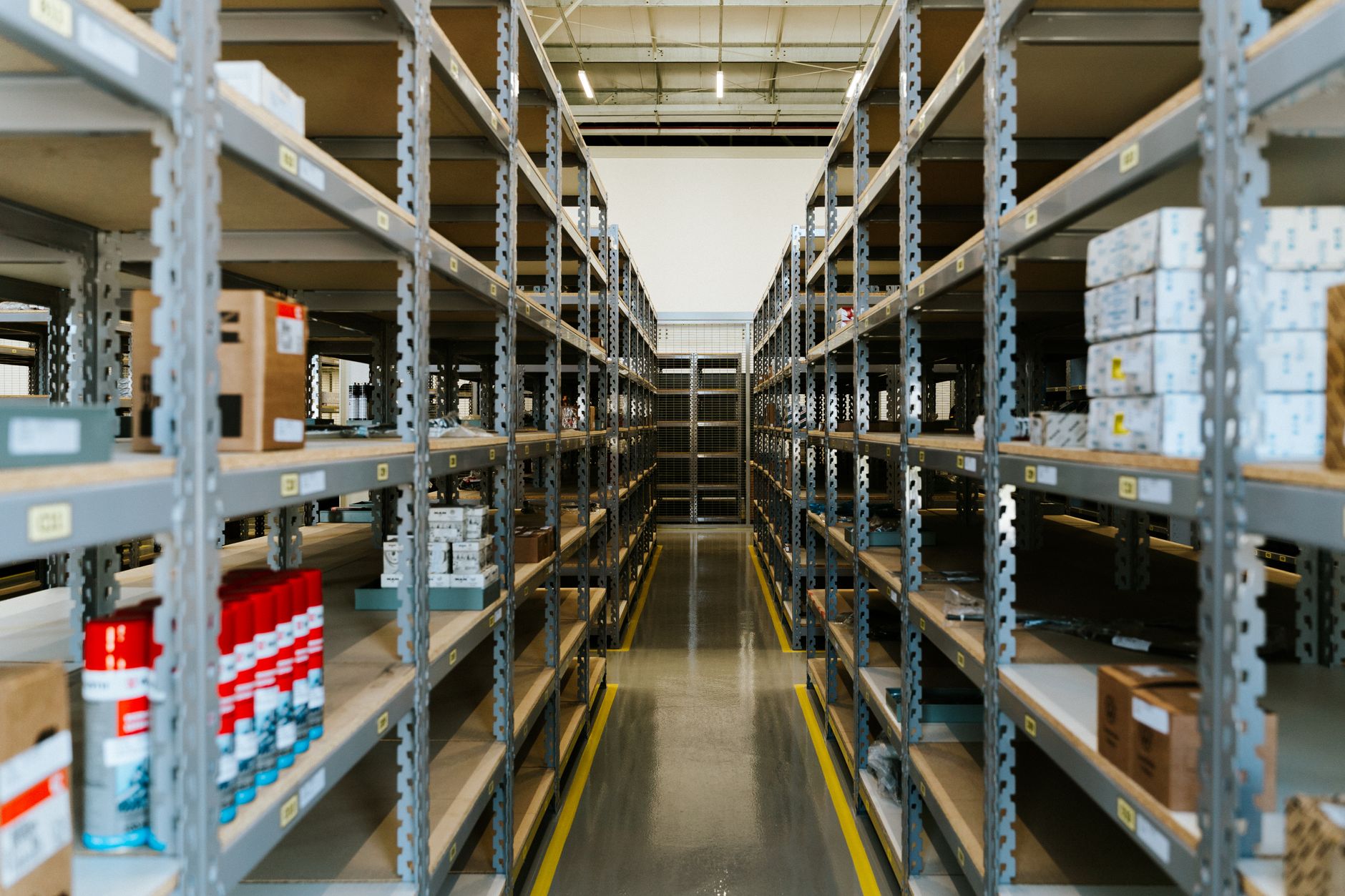
The forklift is first mapped to your building. A site survey records aisles, dock doors, staging lanes and charging points. Routes are then set for the moves that repeat most, such as dock to intake, intake to grading, and grading to restock. Jobs are released to the forklift from a queue your team can see.
On the floor, a pallet waits at a marked lane with its paperwork and return labels visible. The forklift reads its route, lifts the pallet and carries it to the next zone. If it meets a person or an obstacle, it stops and waits. When the queue is quiet, it returns to its charging point until the next job.
Staff still do the work that depends on them. They load and clear blockages, confirm exceptions, and sign off on dispositions. The forklift takes the repeated moves in between, which keeps the team focused on the decisions that set the value of each returned item.
Which areas of a returns center does it work in?
The forklift works along repeated paths between zones. It does not need to reach every corner of the building. The value comes from the routes that run most often and carry the most pallets, usually between the dock, intake, grading and restock.
The six areas below are where these moves tend to concentrate in a returns center, from the dock through to outbound cages. Your layout will shift the list, and the site assessment confirms which routes make sense.
Some areas stay manual. Grading tables, exception bins and damaged goods holds need trained people who can judge an item in hand, so the forklift serves the edges of those areas rather than replacing the work done there.
How does it work alongside your existing team?
A returns center cannot run without people. Someone must grade a return, decide its disposition and handle a damaged item, and the forklift does none of that. It handles pallet moves, which are repetitive, heavy and predictable, so your team can focus on the decisions. The robot works next to the crew, never in place of it.
Some time shifts from driving to supervising and inspecting. Training covers how to clear the forklift's path, how to respond when it stops, and how to release jobs from the queue. Staff who once drove every move gain time for grading and restock, the steps where a returned item is decided.
The practical effect is that driving hours move to work that is harder to automate. A team that keeps its grading standards and its exception handling is the one that gets the most from the forklift on its floor.
What drives the savings, and how large can they be?
Savings come from three places: less time waiting for a lift, fewer driving hours, and fewer pallets stuck in aisles. The biggest effect depends on your floor layout and on how many moves run each shift, so the honest starting point is a measured baseline of holding time at each stage.
Published figures give a sense of scale, but they are vendor or case claims rather than studies of returns centers. A logistics vendor's infographic says an automated forklift can save 3 to 4 hours of travel time per 8-hour shift on point-to-point pallet moves. A trade magazine report on a robotic cross-dock deployment reports a more than 30% reduction in cost, attributed to fewer forklift operators on a shift, but that was a cross-dock setting, not returns.
On throughput, one logistics operator's published deployment note says an automated high-reach truck can store or retrieve up to 30 pallets per hour. That figure applies only where high-reach storage is part of your returns hold. Use these numbers to frame a site test, not to predict your results.
What can an autonomous forklift not do?
It cannot grade a return, decide if an item is fit to resell, or judge damage. Those calls stay with trained staff, and the forklift should never be expected to make them. Treat it as a way to move pallets, not as a way to make inspection decisions.
It needs a clear, mapped path. Blocked aisles, leaning pallets, unlabeled staging lanes and a poor floor surface all slow it down or stop it. Changing a layout, such as moving a staging lane, usually means updating the route, so plan changes with the team that runs the forklift.
It does not handle every load shape. Irregular cartons, unstable piles and goods that are not palletized or caged need a different method. A site assessment confirms which loads suit the forklift and which should stay manual or move another way.
How do you get started with an autonomous forklift lease?
We are a US commercial robot integrator. We pick the right robot for your site, lease it through financing, deploy and integrate it, train your staff and service it nationwide. Robots are only leased, and the payment comes in the quote after a free site assessment, so you see the figure for your own floor before you decide.
The first step with autonomous forklifts for returns processing centers is that free site assessment. We map the route your returns actually take, measure holding time at each stage and note constraints such as dock layout, aisle width and charging points. From that, we prepare a lease quote that reflects your floor and your volume, with the terms laid out plainly.
Many operators start with one leased unit on the busiest route, then add units once the measured results justify it. Our integration team sets up the route and the queue, and training covers the staff who will work alongside the forklift. Service covers sites across the country.
Frequently asked questions
Upcoming warehouses & 3pl events
Want an autonomous forklift at your returns processing center?
Tell us about your site. We will recommend the robot, quote the lease, and keep it serviced.
Sources
- National Retail Federation press release on expected returns in 2025
- Summary of the National Retail Federation returns report
- Logistics vendor infographic on automated forklift travel time
- Trade magazine report on a robotic cross-dock deployment
- Logistics operator note on an automated reach truck
- APQC return processing cycle time measure
- Return processing time calculator