
Key takeaways
- Autonomous forklifts keep pallet putaway and order picking moving when lift truck operators are hard to schedule.
- Repeatable routes in a climate-controlled snack food building suit steady moves across shifts.
- Most of the payoff shows up as hours recovered on shifts you already run, measured from your own logs.
- The robot works beside your staff, and people still handle exceptions, damaged loads and supervision.
- The robot is leased through financing, and the payment comes in a quote after a free site assessment.
See what a autonomous forklift costsRun the numbers in the ROI calculator
Can autonomous forklifts help a snack food warehouse?
Yes, in the parts of the building where the work repeats and the aisles stay predictable. Autonomous forklifts for snack food warehouses are most useful for pallet putaway from the dock into racking, and for moving stock from reserve storage to the order picking zone. When lift truck operators are hard to schedule, those moves slow first, and the rest of the building waits on them.
The case is strongest where the building is climate-controlled and the routes repeat from one shift to the next. A robot that follows the same paths across shifts does not need a break, a shift swap or a sick day, so it can keep pallet moves going when the people who usually run them are not available. Your experienced operators are then free for the work that needs judgment.
This is a planning decision more than a technology one. The useful questions are where the moves stall, how many hours they stall each week, and whether those hours fall in the peaks. A market research report projects the autonomous forklift market to grow at a CAGR of 9.3% from 2025 to 2032, though that figure is a market estimate, not a survey of users.
What slows pallet moves at snack food warehouses today?
Snack food is a large industry with a large workforce behind it. According to the US Census Bureau's 2019 County Business Patterns, 717 snack food manufacturing establishments employed 62,758 paid workers in the pay period including March 12, 2019. California had the most of those establishments at 141, followed by Texas at 59 and Pennsylvania at 56.
The pressure point is usually the same. Holiday and promotional peaks push more pallets through the dock and the picking zone, and the lift truck operators who run putaway and replenishment are the hardest people to add on short notice. Turnover makes the schedule harder to hold. A warehouse vendor blog reports transportation and warehousing monthly turnover of 5.1% in early 2025, and says annual warehouse turnover is commonly between 20% and 60%. A UK trade publication reports warehouse staff turnover of 37% a year in UK data, against a 3.6% average across all industries.
Forklift work is also a regulated, safety-sensitive job that needs training and supervision. OSHA's directive on powered industrial trucks estimates that about 1.5 million workers in the US operate more than 855,900 powered industrial trucks. That is a large pool of people to schedule, and it is the pool that runs thin when a peak arrives.
What are the main benefits for an operator?
The biggest benefit is steadier pallet flow. A robot on a fixed route moves the next pallet at the same pace at 2 pm on a Tuesday as it does at 10 pm on a Friday, so putaway does not fall behind when a crew is short. Replenishment stays ahead of the order pickers, and the people who are on shift spend their time on the moves that need them.
The savings show up later, and they are measured in your own hours. Track the moves that stall, the overtime used to cover them and the peak weeks when the gap appears. That baseline tells you what a robot could take on and what it could not.
- Pallet putaway keeps pace on every shift, not only the shifts with full crews.
- Replenishment of pick faces runs ahead of the order pickers.
- Routes repeat the same way each time, which makes the timing of moves predictable.
- Experienced operators spend more time on exceptions, damaged loads and quality checks.
- Fixed routes and marked lanes make traffic easier to plan around.
How does the robot work day to day?
A deployment starts with a site map. We walk the building, record aisles, dock doors, staging lanes and racking heights, and set the routes the robot follows. The robot then collects a pallet from a staging point, follows its assigned route and sets the load in the designated location.
Work requests can come from your warehouse management system or from a simple task list, depending on what the site already runs. The robot takes requests in queue order, and staff see status and exceptions on a screen. If a pallet is not where the system says it is, the robot stops and flags it for a person.
The day looks steady rather than dramatic. The robot repeats the same loop many times, slows near people, and waits when its path is blocked. Staff set priorities at the start of each shift, and the robot works through them until the queue is clear.
Which areas of the building does it cover?
In a snack food building, the robot earns its place wherever pallets move along a repeated path. Most sites start with a few areas that carry the most pallets, then add more once the routes run clean.
Keep the busiest flows in the first phase, such as dock to racking and reserve to pick face. Areas where the layout changes often, such as temporary staging for a new promotion, usually wait until the layout settles. The zones below show where the robot typically works in this kind of building.
How does it work alongside your existing staff?
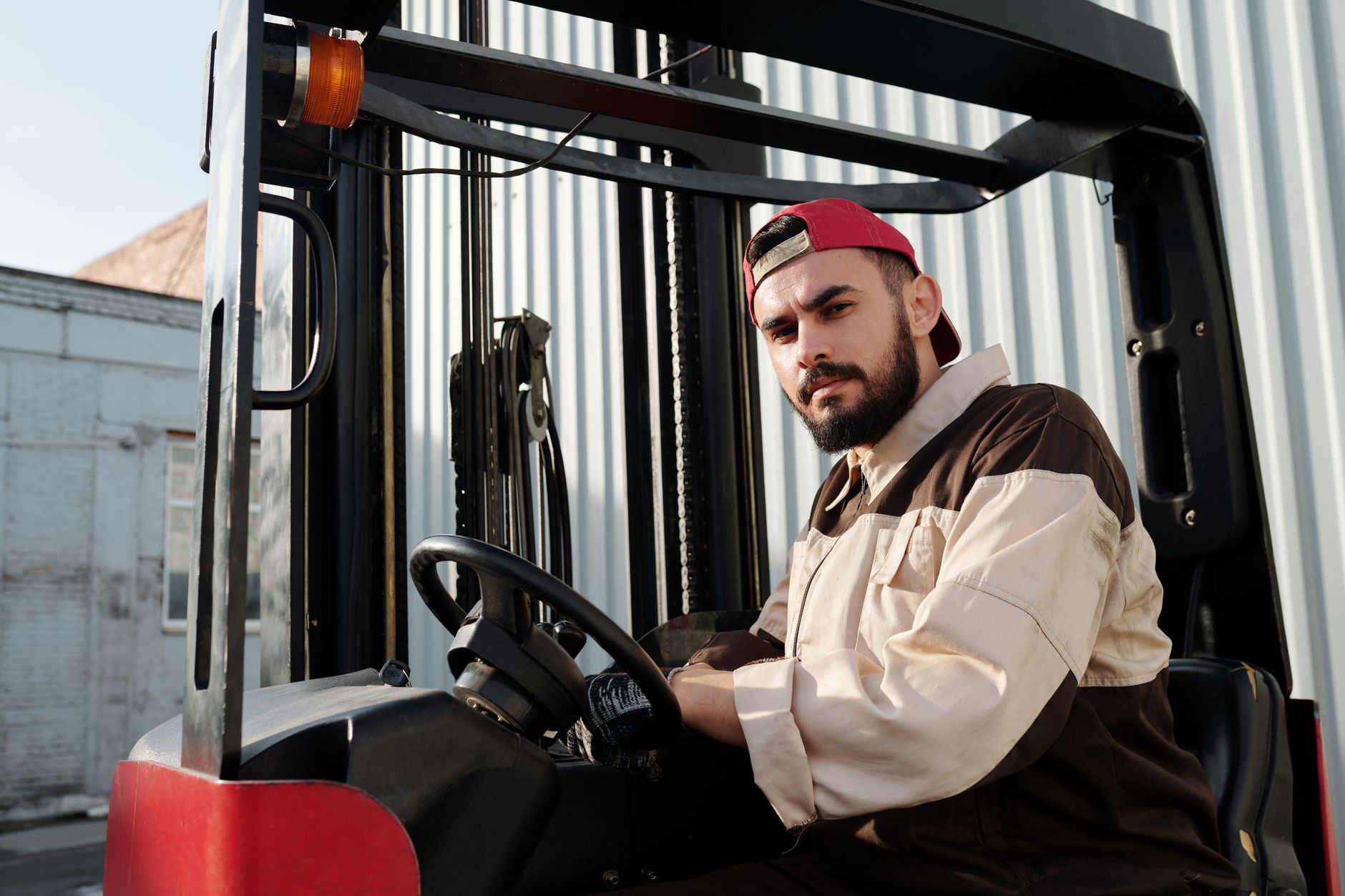
A robot does not replace the team. It takes the repetitive moves, and your staff handles everything that needs judgment. Plan for a robot plus a smaller crew, not a building with no people in it. Operators still set the work, check exceptions, handle damaged or mislabeled pallets and supervise the floor.
We train the staff who will work with the robot, including the operators who clear blockages, read alerts and reset routes. We also service it nationwide, so help is not limited to a single local contact.
Because turnover in warehousing is high, training is an ongoing job. Plan refresher sessions when new people join, and keep a trained person on every shift who can handle a stop.
Where do the savings come from?
Savings come from hours, not from a promise. The hours that matter are the ones your crew spends on putaway and replenishment, plus the overtime or temporary coverage used to fill gaps. Measure those hours per shift and per week before any conversation about a robot.
Published sources do not give a reliable hours-saved figure for autonomous forklifts at snack food sites, so treat any range from a vendor as a claim to check against your own numbers. Use your logs to set the target. A useful test is how many pallet moves stalled in your last few peak seasons, and how many lift truck hours those stalls consumed.
Two levers usually matter. One is labor hours recovered on routes that already run. The other is the strain of unfilled shifts, which pushes work onto the crew that is left and tends to build overtime and errors. Your own data decides which lever matters more at your site.
What can an autonomous forklift not do?
It cannot handle every job. A robot runs the routes and load types it was set up for, so unusual loads, damaged pallets and areas not mapped at the start still need a person. It does not decide what goes where, and it does not replace the supervisor who manages the lift truck crew.
Floor conditions matter. Standing water, uneven slabs, loose stretch film and tight turns that were not planned can stop a robot, so the site has to stay clean and clear. The site assessment checks these points before any quote is given.
Expect a real question about upfront expense. Market research summaries, including one from a market research firm, name high upfront cost as the main barrier to adoption, especially for smaller and midsize firms. That is why the financing structure belongs in the decision from the start.
How do you get started?
Start with a free site assessment. We look at the building, the route layout, the pallet types, the dock schedule and the peak weeks, then recommend the robot that fits the floor. The output is a plan you can check against your own numbers, not a pitch.
We pick the right robot for the site, lease it through financing, deploy and integrate it, train the staff and service it nationwide. Robots are only leased, and the payment comes in the quote, which we give after the site assessment once we know the routes, load types and support the site needs.
Some sites prefer to begin small. A single unit on the busiest putaway route tests the plan before any wider deployment, and go live support covers the first shifts. The peak weeks then show whether the plan holds.
Frequently asked questions
Upcoming warehouses & 3pl events
Want an autonomous forklift at your snack food warehouse?
Tell us about your site. We will recommend the robot, quote the lease, and keep it serviced.