
Key takeaways
- Repeat coil and blank trips are the moves that can tie up crane and forklift time at a stamping plant.
- Vehicles on fixed routes free crane and forklift crews for heavy lifts and exceptions, but no source we found gives hours for these moves.
- One published press plant vehicle is reported at a payload of up to 55 tonnes and a speed of 4 km/h, a vendor and press figure.
- North American robot orders rose 4.3 percent in the first half of 2025, though those figures do not break out AMRs.
- Start with a free site assessment, then a lease quoted after it.
How can autonomous mobile robots for automotive stamping plants help?
Autonomous mobile robots for automotive stamping plants take over the repeat moves that keep crane and forklift time tied up. The main work is the steady flow of coils from receiving to storage, coils and blanks from the blanking lines to the press lines, and blanks moved between floors or buildings. These trips follow largely the same routes shift after shift, and fixed routes are what autonomous vehicles handle best.
The benefit is more capacity from equipment the plant already owns. Cranes and forklifts keep the heavy, irregular and unusual lifts, while the vehicles run the steady trips between press lines. In one published stamping plant case, five unit-load AGVs carried steel blanks from receiving to a second floor, freed floor space, and delivered steel to a press for truck door and hood panels.
The gain shows up in three places: crane and forklift schedules, press feed timing, and floor space near the presses. The rest of this page covers the problem in detail, how a vehicle runs a shift, where it works, who works beside it, what it cannot do, and how to start.
What do coil and blank moves tie up at a stamping plant today?
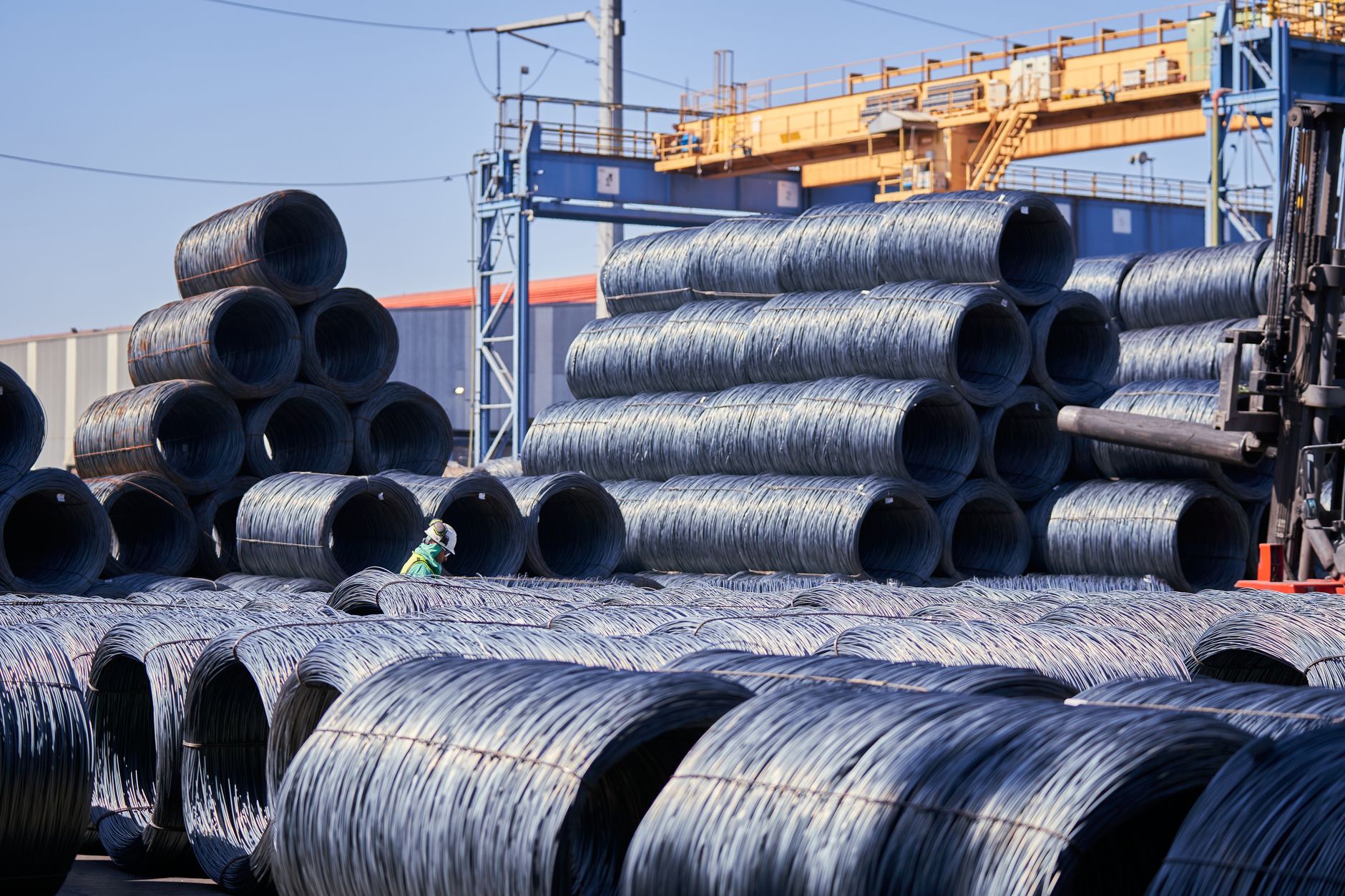
Stamping runs on flow. Coils arrive by rail or truck, get staged, and feed the blanking lines. Blanks then travel to the press lines, sometimes across floors or into another building. Most of that movement depends on overhead cranes and forklifts, and both are shared with other work, so a steady coil trip can wait behind a heavy lift or a die move.
Receiving is where the strain shows first. A material handling article describes a stamping plant in Florida where longer rail deliveries pushed the receiving area. Forklifts had to sit far from the load, so coils were often lifted at an angle, and a second truck was sometimes needed. The fix was a custom coil lifter attachment, and the article gives no hour figures for it.
Cranes carry a separate risk. According to a crane maker's customer story, a crane bridge jumped its rail in the middle of a night shift at an automotive supplier and halted blank production. The story gives no duration. For a press plant the lesson is direct: when the crane stops, blank supply to the presses can stop with it.
What are the main benefits for stamping plants?
The first benefit is time on the crane and forklift. When steady coil and blank trips move to vehicles, the crane and forklift crew can focus on the lifts that need a person at the controls. Fewer queued requests from the press lines also make the crane schedule easier to hold.
The second is floor space. In a case study of a stamping plant, five unit-load AGVs carried steel blanks from receiving to a second floor, and the case reports freed floor space as a result. Floor freed by moves like this can be planned for other work.
The third is predictability. A vehicle on a fixed route runs the same way at the start of a shift as at the end, which makes press feed easier to plan. It cannot fix a bad coil or a damaged die, but it removes one source of variation: how each driver handles a given morning's moves.
How does the vehicle work day to day at a press plant?
Vehicles of this kind navigate with LiDAR. In one published example from a German press plant, a driverless transport vehicle with a payload of up to 55 tonnes was introduced in June 2024 and navigates the plant fully autonomously. The report gives a speed of 4 km/h, which it presents as a vendor and press figure rather than an independent measurement, so treat it as a planning starting point.
Route choice is the main decision in the assessment, because it sets which moves go to the vehicle and which stay with the crane and forklift crew.
A typical shift is repetitive. The vehicle waits at a pickup point, takes the load, drives its mapped route, and drops the load at the destination. If a path is blocked, it stops rather than forcing its way through, and staff clear the path or redirect the move. Staff confirm each load and watch the exceptions.
Which areas of a stamping plant does the vehicle work in?
The vehicle works best where moves repeat and the route stays clear. In most stamping plants that means the coil yard to the blanking line, the blanking exit to press feed, and the blank stacks staged near the presses.
Longer runs are the second group. Some runs cross between buildings, and blanks move between floors. On those routes, a fixed path can take the run off the crane and forklift schedule, so the crew no longer has to plan each trip by hand.
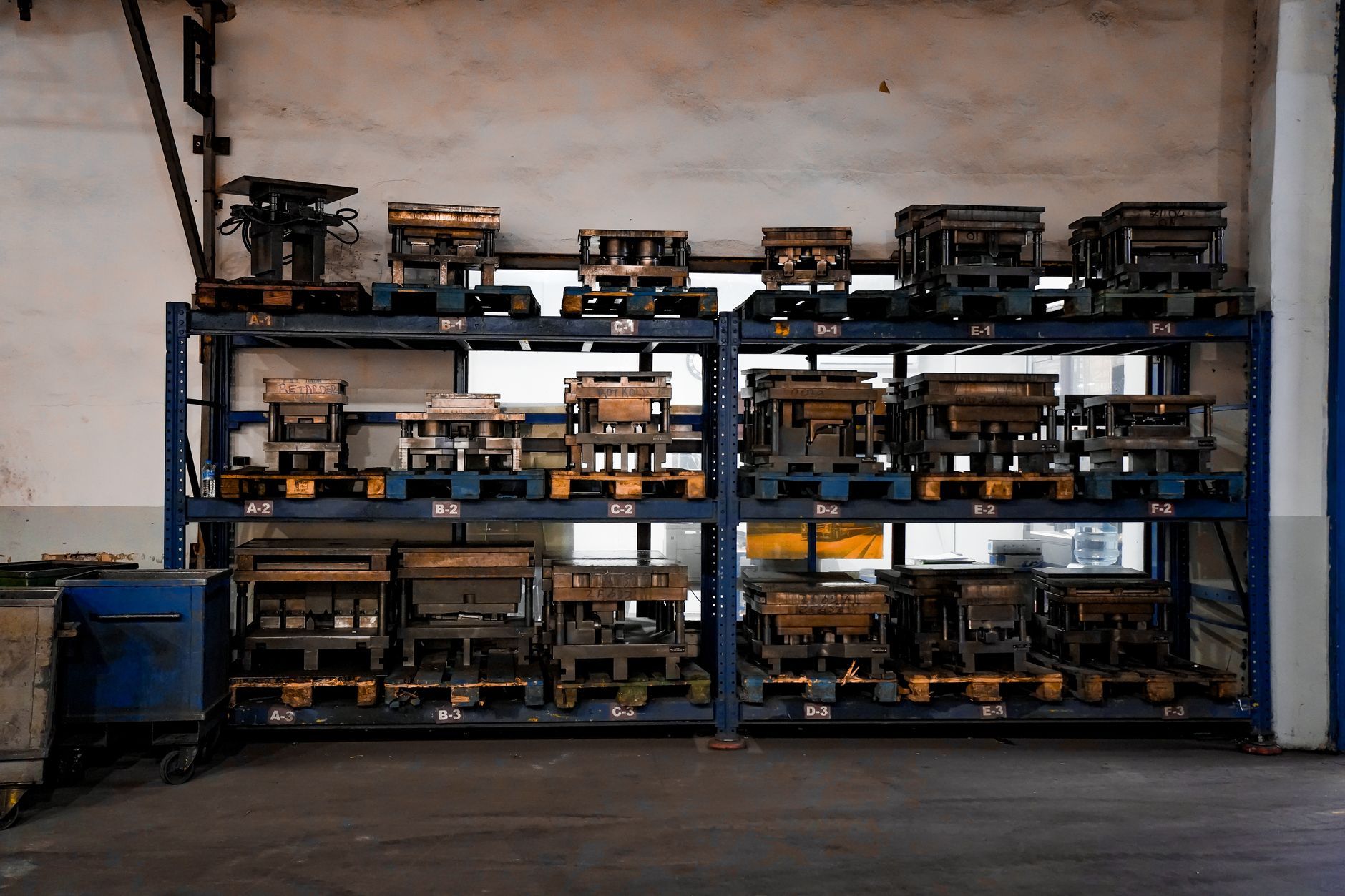
Die storage and tool change areas belong in the assessment too, because tool movement is part of the same flow. The six areas below are where we would look first when walking a floor with a plant team.
How does the vehicle work alongside your existing staff?
The vehicle does not replace the team. It takes the repeat trips. Crane operators keep the heavy and unusual lifts, forklift drivers keep the exceptions, and maintenance staff keep the presses and the vehicles running. A plant with a vehicle still needs people on every shift.
We train the staff who will work with the vehicle, and we set call points and route rules with the people who run the lines. A common way to begin is one vehicle, so the crew can see how the routes behave before the fleet grows.
Plan for coverage too. Keep spare unit coverage for the day a vehicle is out for service, so press feed does not depend on one machine. The crane and forklift plan should name who covers each route when a vehicle is down.
What drives the savings, and why is adoption growing?
The savings come from three sources: crane and forklift hours returned to heavy lifts, fewer waits at the press lines, and less floor space given to staging. No source we found puts hours per shift or per week on coil or blank moves at stamping plants, so the honest first step is to measure your own crane and forklift time on these trips across a representative set of shifts.
Industry demand is rising. A trade report on North American robot orders says they rose 4.3 percent in the first half of 2025. A later robotics trade article reports that 2025 robot orders grew 6.6 percent, and that collaborative robots were 19.6 percent of 2025 robot orders. These are industrial robot figures and do not break out AMRs, so they show the wider trend rather than a stamping-only one.
In the first half of 2025, automotive OEMs led growth with a 34 percent year-over-year increase in units ordered, according to a robotics trade report. By the third quarter of 2025, non-automotive sectors accounted for 59 percent of robots ordered, according to an industrial automation news report. Both figures describe robot orders in general, not vehicle orders for stamping plants.
What can the vehicle not do?
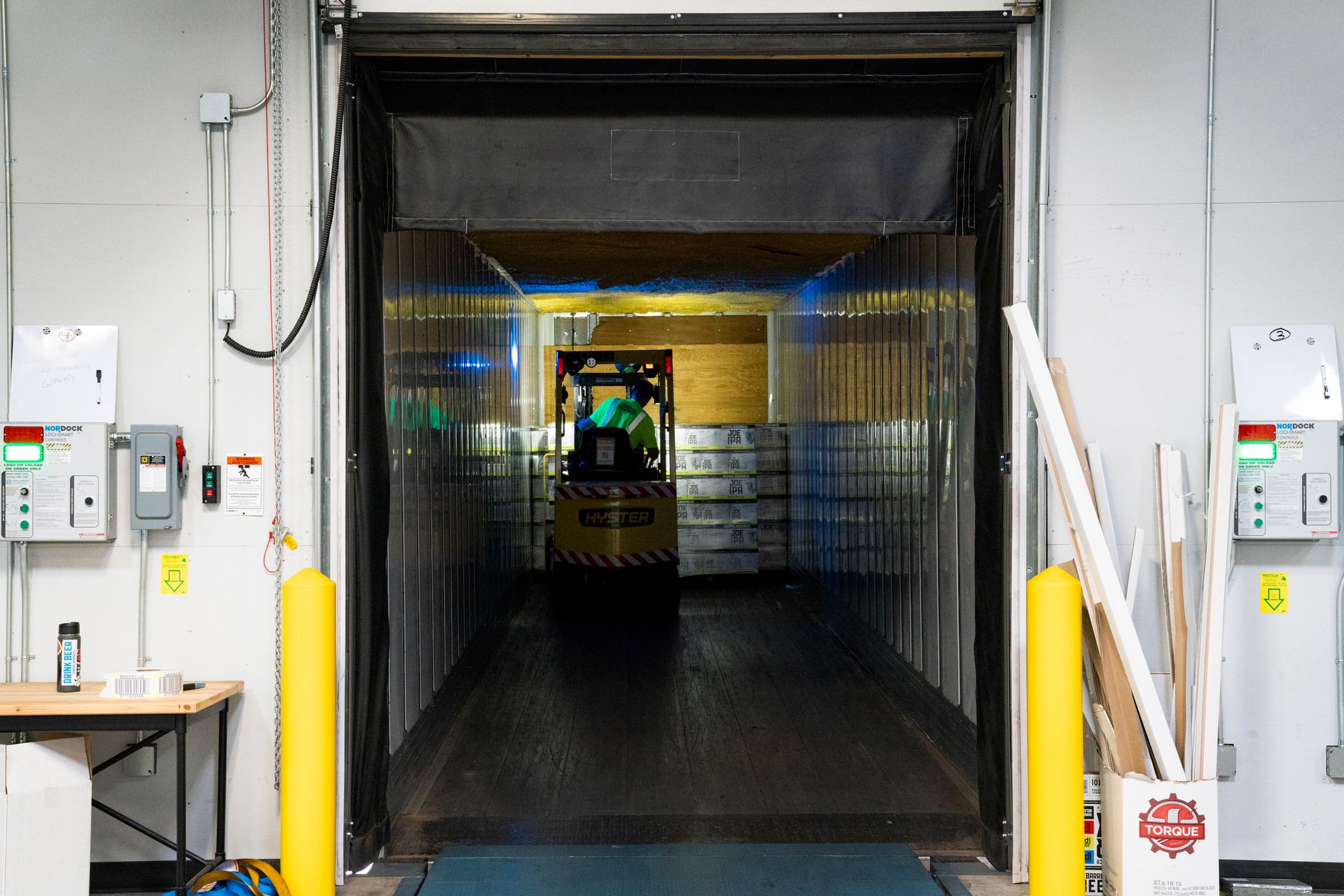
A vehicle takes over repeat trips. It does not replace the overhead crane, the skilled operator, or the maintenance on the presses. It also has limits that the site assessment has to test before a lease is quoted.
Treat autonomous mobile robots for automotive stamping plants as one tool in the flow. They remove repeat trips from the crane and forklift schedule, and they leave the decisions, the heavy lifts and the repairs with your team.
- It moves only loads within its rated payload, so the weight of your heaviest coil must be checked against that rating.
- It does not repair a crane or a crane rail, and a crane bridge fault can still halt blank supply.
- It does not decide what to move, when a press is down, or what to do with a damaged coil or die.
- Its speed depends on the route and the site, and the 4 km/h figure is a vendor and press figure, not an independent measurement.
- It needs a mapped route and a clear path, and a blocked aisle stops it until staff clear the way.
How do you get started with a stamping plant vehicle?
Start with a free site assessment. We map the coil yard, the blanking exit, the press feed and any route between buildings, time the moves you want to automate, and check the load range against your heaviest coils. Nothing is quoted before that visit.
We are a US commercial robot integrator. We pick the robot for the site, lease it through financing, deploy and integrate it, train the staff and service it nationwide. The lease is quoted after the site assessment, and the payment comes in that quote.
A common way to begin is phased deployment with no shutdown. Start with one leased unit on the route that ties up the crane most, prove the timing on your floor, then add units as the routes hold. Deployment and integration cover the route setup and the crew training that come before the first full shift.
Frequently asked questions
Want a warehouse robot at your automotive stamping plant?
Tell us about your site. We will recommend the robot, quote the lease, and keep it serviced.
Sources
- Trade report on a driverless transport vehicle at a press plant
- Case study on a stamping plant fleet of unit-load AGVs
- Material handling article on a custom coil lifter at a stamping plant
- Crane maker customer story on a crane bridge fault at an automotive supplier
- Trade report on North American robot orders, first half 2025
- Robotics trade article on 2025 robot orders
- Robotics trade report on North American robot orders, first half 2025
- Industrial automation report on robot orders, third quarter 2025