
Key takeaways
- Empty bottles, empty pallets and cases can move on fixed AMR routes instead of crew hands.
- Crews return their hours to packing, changeovers and quality checks at the line.
- The robot works alongside staff as a robot plus a smaller team, never in place of the whole crew.
- No public figure we could verify gives a typical hours range, so a site assessment measures your plant.
- The robot is leased through financing, and the payment comes in the quote after a free site assessment.
Can autonomous mobile robots for beverage bottling plants take over empties and cases?
Yes, for one specific job. Autonomous mobile robots, or AMRs, are driverless vehicles that follow set routes through a plant, carry a load and drop it at a station. In a bottling plant, the useful routes usually link the truck bay and empty storage to the filler infeed, and the case discharge to the palletizer and warehouse. Those are the moves crews make by hand all shift, pushing carts and stacking pallets along the same paths.
Autonomous mobile robots for beverage bottling plants make the most sense when the moves are repetitive, predictable and run through the same corridors each shift. The robot does not pack, inspect or run the filler. It takes over transport so line staff can focus on packing, changeover and checking product, which are the tasks that need people who can see a problem and act on it.
Demand for this kind of automation is growing. According to IFR, as reported by Manufacturing Digital, food and beverage in the US grew about 30% to 2,900 units in 2025. The rest of this page covers the problem at a bottling plant today, the main benefits, how the robot works day to day, the areas it serves, how it works with your team, what drives the savings, what it cannot do, and how to get started.
What is the problem at a bottling plant today?
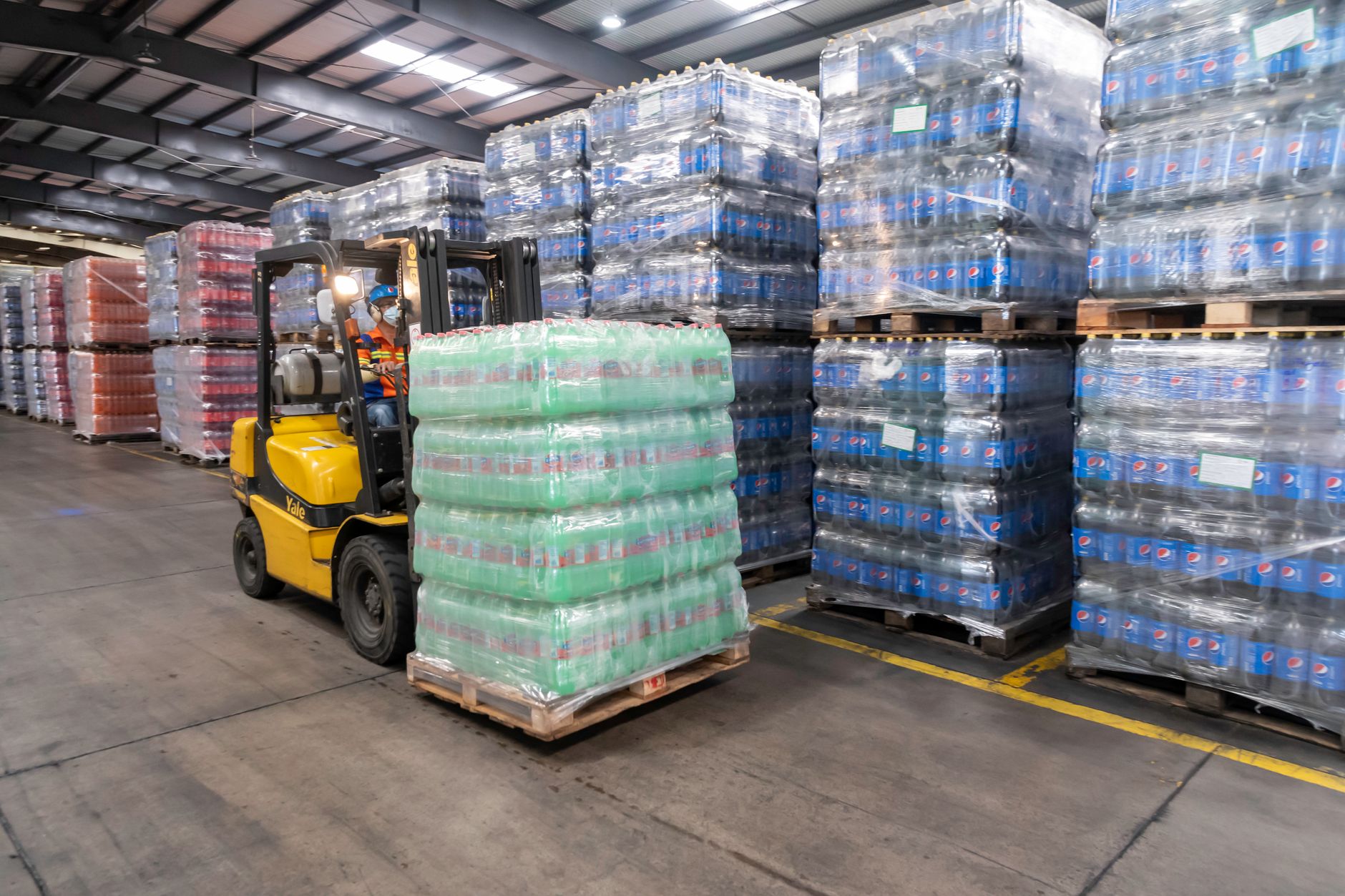
A bottling line runs on timing. The filler needs empties when it needs them, the palletizer needs cases on time, and any gap shows up as idle equipment. Many plants still move empties and cases with pallet jacks, carts and forklifts driven by people who could be doing other work. On a line that runs around the clock, that handling repeats every shift, often in the same aisles where packers and inspectors are working.
Staffing makes the problem worse. A 2018 survey by PMMI Business Intelligence, reported by Packworld, found respondents reported severe shortages of operators, mechanics and temporary workers. A production vice president at a dairy plant said that when they needed 12 temps, they typically got four. The same reporting linked labor problems to 12-hour shifts in 24/7 plants, and said worn-out production staff raise turnover.
Turnover adds to the strain. According to a BLS study reported by Processing Magazine, turnover in manufacturing jobs was 39 percent in 2023. High-volume carbonated soft drink and water plants often run around the clock and rarely have time to take a line down for training, so every new person has to learn the empties route while the line keeps running.
What are the main benefits for the line?
The most direct benefit is that repetitive transport stops depending on whoever is free. An AMR follows its route the same way on the second shift as on the first, and it does not need a break. For the operator, the empties and case flow becomes a steady supply instead of a favor asked of line staff between tasks.
Second, crews get their hours back. Instead of walking empties across the floor, staff spend time on packing, checking caps and labels, clearing jams and running changeovers. Those tasks need judgment about the product, and a robot cannot provide it. The robot handles the move and the people handle the product.
Third, the flow becomes easier to read. Fixed routes between the truck bay, empty storage, infeed and palletizer make it clear where pallets are and when they will arrive. Fewer carts and pallets crossing the paths of people on foot is also worth checking against your own incident records, since every plant's safety picture is its own.
How does the robot work day to day at the plant?
A deployment starts with a map. The team surveys the layout and sets stations at the truck bay, empty storage, filler infeed, case discharge, palletizer and warehouse. Route rules define where the vehicle can go, where it must yield to people, and where it waits for a station to clear. Integration is the part to plan most carefully. A trade article on beverage plants describes automated guided vehicles that move pallets of empty bottles from truck bays to bottling lines, and these vehicles can be set to talk to the warehouse management system and plant controllers, so a load request becomes a vehicle task.
A brewery case in vendor material shows the same logic on a smaller loop. A single vehicle handles empty pallet stacks, delivers crates to the repacking system, and picks up finished pallets. A loop that simple is easy to supervise, and the crew sees the same vehicle at the same stations each shift.
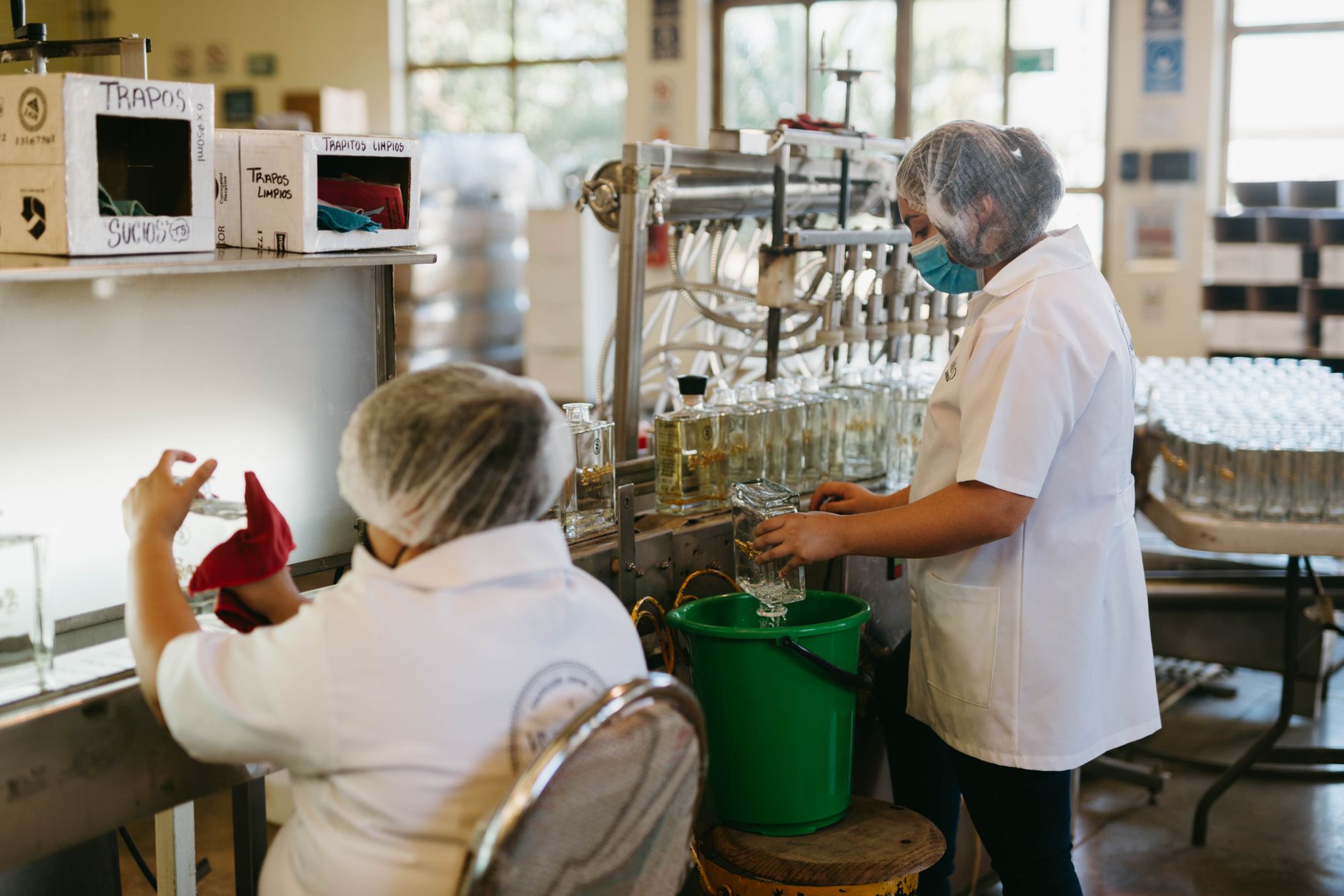
Day to day, the operator keeps stations clear, watches the dashboard for stalled moves, and keeps charging on a schedule that fits the shift pattern. Staff load and unload at the stations using the plant's normal pallet and crate methods, and the robot takes the load from there. The first weeks are when the team learns which stations need a clearer approach path.
Which areas of the plant does the robot work in?
The best candidates are zones with fixed endpoints and steady traffic. The six zones below are where that work usually concentrates. Your layout will decide which ones belong in the first phase, and the site assessment will make that call with you.
Start with one or two routes rather than the whole plant. A phased rollout lets the crew learn the stations and lets us adjust the map and route rules before the robot takes on heavier traffic. Choose the first route for the moves that repeat most often, not for the most unusual ones.
How does the robot work alongside existing staff?
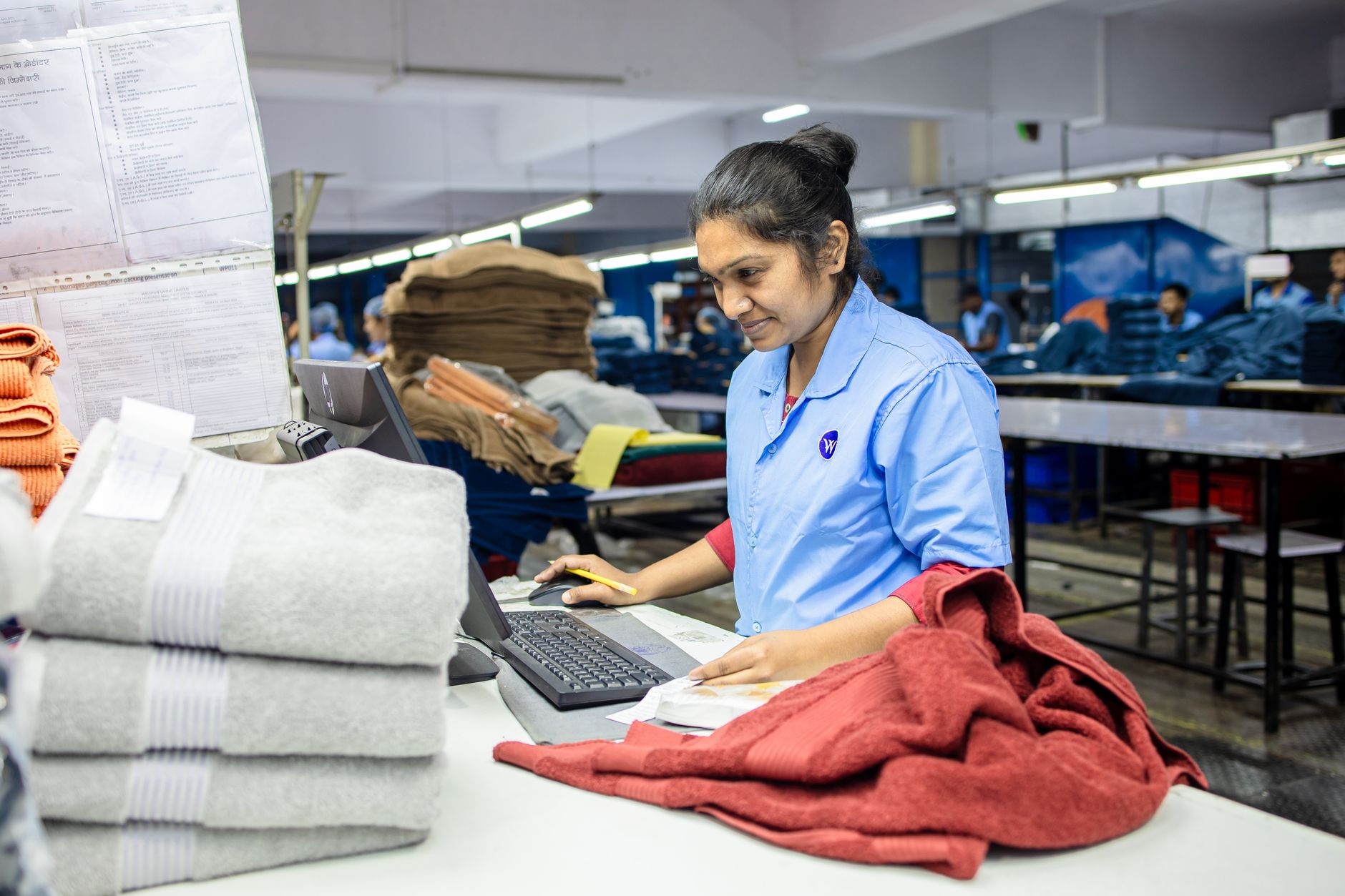
The robot should never be the only thing on the line, and in practice it is not. The model is a robot plus a smaller team. Staff still run the filler, watch for fill and leak issues, check caps and labels, reset the palletizer and handle changeovers. What changes is what they spend their hours on, not how many people are on the line.
Plan for three areas of training: clearing stations and reading the dashboard, handling a stalled vehicle safely, and knowing when to call for service. Training belongs in deployment, on the live route, with the people who will run it every shift. We train staff on-site as the robot goes live, so the people who know the line are the ones who learn the routine.
Expect some adjustment in the first weeks. Crews can find a station that sits too far from a line, or a shift change that creates a backlog at the dock. Those details only show up in real operations, which is why we treat the first weeks as a working period and not a finished install.
What drives the savings in hours and labor?
The savings come from hours that were spent on transport and are now spent on the line. The size of that gain depends on how many empty and case moves your plant makes each shift, how far they travel, and how many people touch them today. No public figure we could verify gives a typical hours-per-shift range for empties handling, so we measure it at your plant rather than quoting one from elsewhere.
Moving material is a large occupation. According to the BLS Occupational Outlook Handbook, about 7.0 million people worked as hand laborers and material movers in 2024, and employment is projected to grow 4% from 2024 to 2034. The robot's job is to take a slice of that repetitive work off the people who do it on your floor.
Adoption is rising. According to IFR, as reported by Manufacturing Digital, food and beverage in the US grew about 30% to 2,900 units in 2025. Across US industry, IFR reported 38,400 industrial robot installations in 2025, up 12%, passing Japan's 36,200 for second place behind China. Globally, IFR reported that professional service robots for transport and logistics rose 21% to 117,500 units in 2025. These figures show the market is moving. They do not measure your savings, which come from your own handling records.
Use three inputs to size the savings at your site: the count of empty and case moves per shift, the average distance and wait per move, and the number of staff assigned to them today. The site assessment collects those inputs, and the quote sets the payment next to them.
What can the robot not do?
A robot does not replace the people who run a bottling line, and it does not fix a line with a machine problem. It moves loads along the routes it has been given. Anything outside those routes needs a person, and anything that depends on judgment about the product stays with the crew.
Plan around these limits before the first route is set.
- It does not pack cases, inspect product, or make changeover decisions.
- It cannot route through a station or aisle that a pallet or staffed workstation is blocking.
- Its map and route rules must be updated when the layout changes.
- Its charging needs have to fit the shift pattern, so battery time is part of planning.
- It cannot take a load above the rating of the specific vehicle, so pallet weights and stack heights are checked first.
How do we get started?
Start with a free site assessment. We walk the plant, map the empty and case routes, count the stations and check the floor, power and controls the robot would need. From that, we pick the right robot for your site, which may not be the largest model in the range.
The robot is leased through financing, so there is no large upfront decision before the first route runs. The lease is quoted after the site assessment, and the quote sets out the lease term, what service is included and what the plant must provide. Robot lease options and lease financing programs differ, so the quote is where you compare them. Autonomous mobile robots for beverage bottling plants should be judged on the route they run, not on a headline figure.
After a lease is signed, we handle robot deployment and integration, connect the vehicle to your controls, train the crew and support the go live. We service the robot nationwide, with on-site dispatch when a fault needs a technician at the vehicle and remote triage for faults that do not. Ask what backup arrangement the lease includes before you sign.
Frequently asked questions
Want a warehouse robot at your beverage bottling plant?
Tell us about your site. We will recommend the robot, quote the lease, and keep it serviced.
Sources
- BLS Occupational Outlook Handbook, hand laborers and material movers
- IFR World Robotics US press release, September 2026
- Manufacturing Digital on IFR food and logistics robot automation
- IFR news on US robot industry growth
- Packworld on labor issues in the beverage industry (PMMI Business Intelligence)
- Processing Magazine on BLS manufacturing turnover study
- Beverage Industry article on automated guided vehicles in beverage plants
- Case study on robot-based empties handling at a brewery