
Key takeaways
- Robots bring the shelf or tote to the picker, which cuts the walking that slows large auto parts picks.
- Order picking takes almost 60% of warehouse labour activities, according to a 2009 study of warehouses in general.
- Vendor case studies report large gains, but they are self-published, so measure your own pickers first.
- The team stays on the floor: plan for a robot plus a smaller team, never zero staff.
- A free site assessment comes first, and the lease payment is quoted after it.
How can autonomous mobile robots for auto parts warehouses speed up order picking?
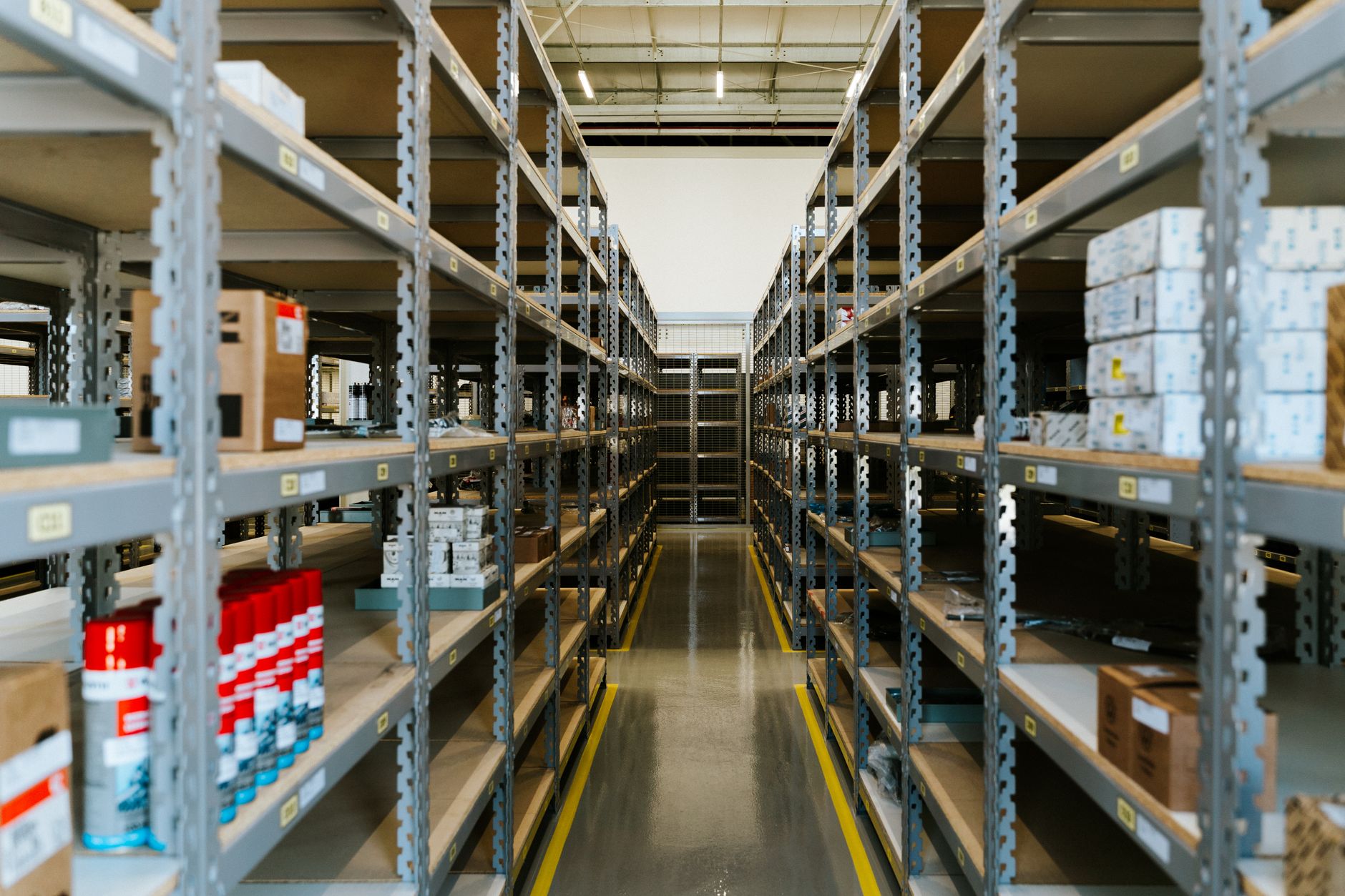
Autonomous mobile robots for auto parts warehouses take over the walking that slows order picks. In a large parts building, a picker often spends more time moving between aisles than selecting parts. A robot brings a shelf or tote to the picker along a fixed route, so the picker stays at one station and works through the order from there.
The benefit grows with the building. As part numbers multiply, the walk between the first and last item on an order gets longer, and that walk becomes the biggest drain on each pick. Moving the shelf to the person, rather than the person to the shelf, removes a large share of that walk on the routes the robots serve.
The size of the gain depends on the site. The figures published by robot vendors are large, but they are self-reported, and the general warehouse research we could verify is not specific to auto parts. The sections below explain what drives the result, where the robots work, and how a site assessment shows what your building can expect.
What slows order picking at auto parts warehouses today?
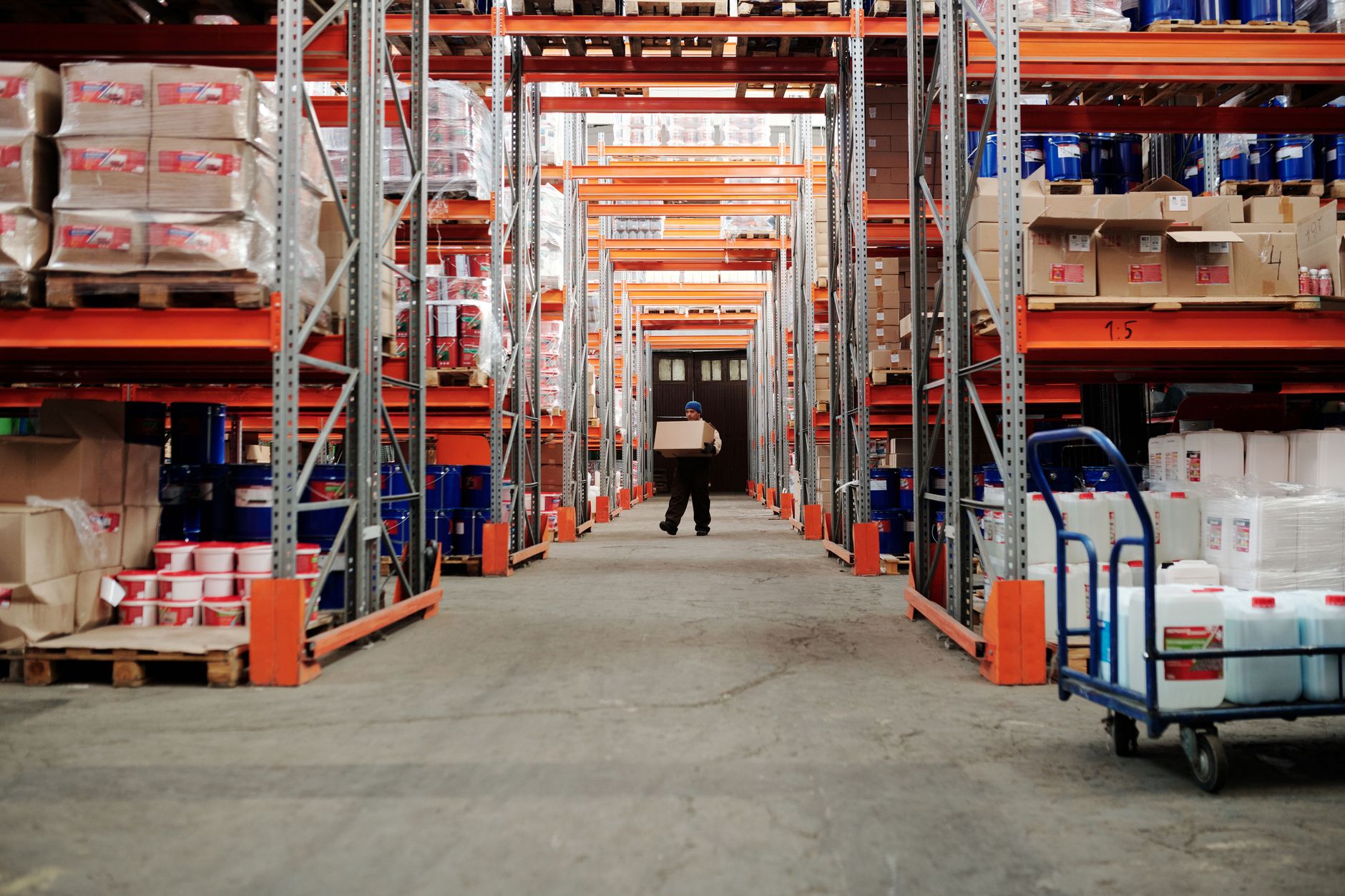
An auto parts warehouse carries a wide range of part numbers, many of them slow movers stored in long rows of racking. Every added line lengthens the path a picker walks to fill an order. The picker walks to the bin, reads the label, scans, and walks on. The walking is the part of the job that grows with the building.
Order picking takes up most of the labor in a warehouse. A 2009 study by Burinskiene, Merkurjeva and Merkurjevs reports that order picking consumes almost 60% of all warehouse labour activities. That study covered warehouses in general, not auto parts, but it matches what most operators see at the bench: picking is where the hours go.
Walking distance is the part operators tend to underestimate. According to a robot vendor's article on warehouse walking, average pickers walk 5 to 10 miles per shift, and some distribution centers report 12 miles. That figure comes from a vendor, not an independent count, so log one full shift for your own pickers before you rely on any average.
What are the main benefits for an auto parts operation?
The main benefit is less walking per pick, which shows up as more picks per person per shift. Research on warehouse routing reports that combined optimization methods can cut picker travel distance by about 60%, according to Burinskiene, Merkurjeva and Merkurjevs (2009). That is a routing study, not a robot study, but it points at the same walk that robots remove.
Vendors report larger gains. One robot vendor case study reports a 50% increase in picking performance, with the system installed in eight weeks. A separate vendor case study about an automotive parts supplier reports a 500% gain in picking and putaway productivity, with 68 robots and 90,000 bins. Both are self-published, and starting points vary widely, so use them as a reason to test rather than a forecast for your building.
Other benefits follow from the same change. Pickers stay in one place, so the pace becomes more even across shifts. New staff learn one station and a fixed route instead of a map of the whole building. Growth in part numbers adds stock to the robot routes rather than adding steps to every picker's day.
How does the robot work there day to day?
The day starts in the warehouse management system. Orders release to the robot system, which assigns a shelf or tote to a station and sends a unit to lift it. The unit follows a fixed route through the building, joins a short queue at the station when needed, and returns the carrier to storage once the picks are done.
At the station, the picker sees the next item on a screen or light display, confirms the pick by scan, and sends the carrier on. Replenishment loads go to the pick faces on their own route so the picking line does not stop. Units charge during slower periods, and the system keeps enough units in service that one unit's charge does not stall a route.
Routes are set during a site assessment. Our team maps the floor, measures aisle widths, notes dock doors and fire lanes, and marks where forklifts and people already cross. That map decides which zones the robots can serve and how many units the building needs to keep the pick line supplied.
Which areas of the warehouse does the robot cover?
Robots work best where the route repeats and the aisles stay predictable. In an auto parts warehouse, that usually means the pick faces, the replenishment path from bulk storage, and the staging area where picked orders wait for packing. Some areas need a person or a different tool, and the site assessment decides where the line falls.
The six areas below cover the work from the dock to the counter. Each has its own traffic, pace and stock, so the robot's route and unit count differ from one to the next.
What drives the savings, and what does the evidence show?
The savings come from walking hours removed from each shift and from less waiting for the next carrier. Those hours are the number to measure at your site. We did not find a verified figure for hours saved at auto parts sites, so any hours estimate should come from your own shift data and the site assessment, not from a published average.
Labor needs for this work are steady. According to an occupational data aggregator, employment for stockers and order fillers is projected to grow 8.5% from 2024 to 2034, with about 472,300 openings a year. The staffing question will not go away, so a measured answer before you decide is worth the time.
The industry around these operations is large and steady. According to IBISWorld, 50,965 auto parts store businesses operated in the US in 2025, up 1.9% from 2024, and it projects 51,931 for 2026. Its five-year trend averages a decline of 0.2% a year from 2021 to 2026. The count covers stores, not warehouses, but it shows how wide the parts supply base is.
Vendor case studies show large gains but report one site each, with their own measurement. Ask any vendor, including us, for the baseline behind a claim before you accept it.
What can the robot not do?
The robot cannot pick a part from a bin it cannot reach, carry a load too heavy or oddly shaped for its carrier, or catch a wrong fitment note. Items that do not fit a standard tote or shelf need a person or a separate process.
The building matters too. Floors must be level and clear, racking must leave a clean path for the unit, and the warehouse system must send orders reliably. A robot cannot fix a slow receiving process or a poor bin location plan, so those come first.
It does not run the building alone, and it does not shrink a shift you have not measured. Its results depend on the routes you set, the stock you keep in each zone, and the people who work with it every day.
How do you get started?
Start with a free site assessment. We map the floor, measure the pick routes, check the walking your team logs, and identify which zones suit a robot. From there we recommend the right robot for the site and a deployment plan that fits your shifts.
The robot is leased through financing. The payment comes in the quote, which we give after the site assessment, so it reflects your building, your unit count and your service needs. Robot lease options and lease financing programs vary by term and by how many units you start with, and many operators begin with one leased unit to test the route before adding more.
Deployment and integration come next. The robot connects to your warehouse system, staff train on the station and the exception steps, and go-live support runs through the first weeks. Service follows nationwide, with on-site dispatch, remote triage and a backup robot program where the site needs spare coverage, so one unit's downtime does not stop the pick line.
Frequently asked questions
Want a warehouse robot at your auto parts warehouse?
Tell us about your site. We will recommend the robot, quote the lease, and keep it serviced.
Sources
- IBISWorld, auto parts stores in the United States
- Burinskiene, Merkurjeva and Merkurjevs (2009), warehouse order picking study
- Robot vendor case study on picking performance
- Robot vendor case study on automotive parts supplier productivity
- Robot vendor article on warehouse walking distance
- Occupational data aggregator, stockers and order fillers