
Key takeaways
- Battery plants move cells and modules through fixed stations, a repeatable flow that robots can serve every shift.
- Hiring gaps in battery manufacturing make staffed transport hard to keep steady.
- Savings come from hours of hand transport, handling injuries and idle waits, measured on your own floor.
- Robots carry loads. People still load, run stations and handle exceptions.
- Start with a free site assessment, then receive a lease quote.
How can autonomous mobile robots help a battery plant?
Autonomous mobile robots for battery plants carry cells, modules and trays between fixed process stations, so staff do not have to walk the line with every load. A battery plant runs electrode coating, cell assembly, formation and module integration in a set order. That repeatable flow is what makes the job a good fit, because the robot follows the same routes, picks up at one station, drops at the next and returns to charge on its own.
The main problem it solves is transport labor that is hard to keep filled. When the person who moves material is out sick or the position is open, a station waits for its next load and the line slows. A robot does not get pulled off the route, and it runs the same path on the second shift as on the first.
We are a US commercial robot integrator. We pick the robot that suits the site, lease it through financing, deploy and integrate it, train your staff and service it nationwide. The sections below cover the work itself, the labor picture, the savings drivers and the limits, so you can judge the fit before anything is signed.
Why is transport hard to staff at battery plants?
The U.S. had 12 battery gigafactories operating and 23 under construction as of early 2026, according to a trade-education blog that follows battery plant hiring. The same source says roughly 10 projects were canceled or stalled, so the buildout is uneven and the staffing picture changes from site to site.
The hiring need is large. One Kansas plant had about 1,400 employees in February 2026, needed at least 300 more for its fourth line and projects 4,000 at full capacity, according to the same blog. A Kentucky site planning about 2,100 jobs after roughly 1,500 layoffs shows how fast headcount can swing in this sector.
Ohio has 58,000 EV-related job openings but only 25,000 high school graduates per year statewide, according to an automation careers blog. Michigan's training pilot aimed at 2,000 workers drew only 220 applicants, according to the same blog. Those numbers describe the labor market, not your floor, but they explain why an operator cannot count on filling every transport role by hiring alone.
What are the main benefits?
Autonomous mobile robots for battery plants earn their keep most on steady routes. The first benefit is steadier flow. A route that runs every cycle keeps stations fed, so a process step does not sit idle while someone is found to carry its load. Fewer waits between stations also means fewer half finished loads stacking up at the end of a step.
The second benefit is less manual handling. A vendor page on material handling, which is not an independent study, states that material handling can equal up to 25% of manufacturing labor costs and 15% of overall manufacturing costs, and that up to 50% of workers' compensation claims relate to manual material handling. Those are supplier figures, so measure your own claim history before you lean on them.
The third benefit is traceability. A supplier case study on AMRs in lithium battery factories describes a fleet that takes task information automatically from the plant's warehouse and manufacturing execution systems. Each move is dispatched from a record rather than a verbal request, which makes it easier to see where a load was and why it waited.
How does the robot work day to day?
A task arrives from the plant's system, the fleet assigns a unit, and the robot navigates to the pickup point. Navigation on many AMRs uses QR codes on the floor or laser assisted natural feature navigation, according to a vendor product page. Onboard sensors detect people, objects and obstacles, and the robot slows or stops for them.
A single unit can carry a substantial load. According to the same vendor page, its AMR models move loads of up to 1500 kilograms per transport journey, and intelligent fleet management sends a unit to a charging station when its battery is low. A buyers guide we reviewed notes that AMRs can work continuously without breaks, which is why shift coverage is a planning question and not a staffing guess.
Charging is a choice, not a default. A preprint on arXiv reports that aggressive charging rates, while reducing downtime, can significantly accelerate battery degradation in AMRs. We set the charging policy with you during commissioning, balancing uptime against the working life of the robots.
Which areas of the plant does the robot work in?
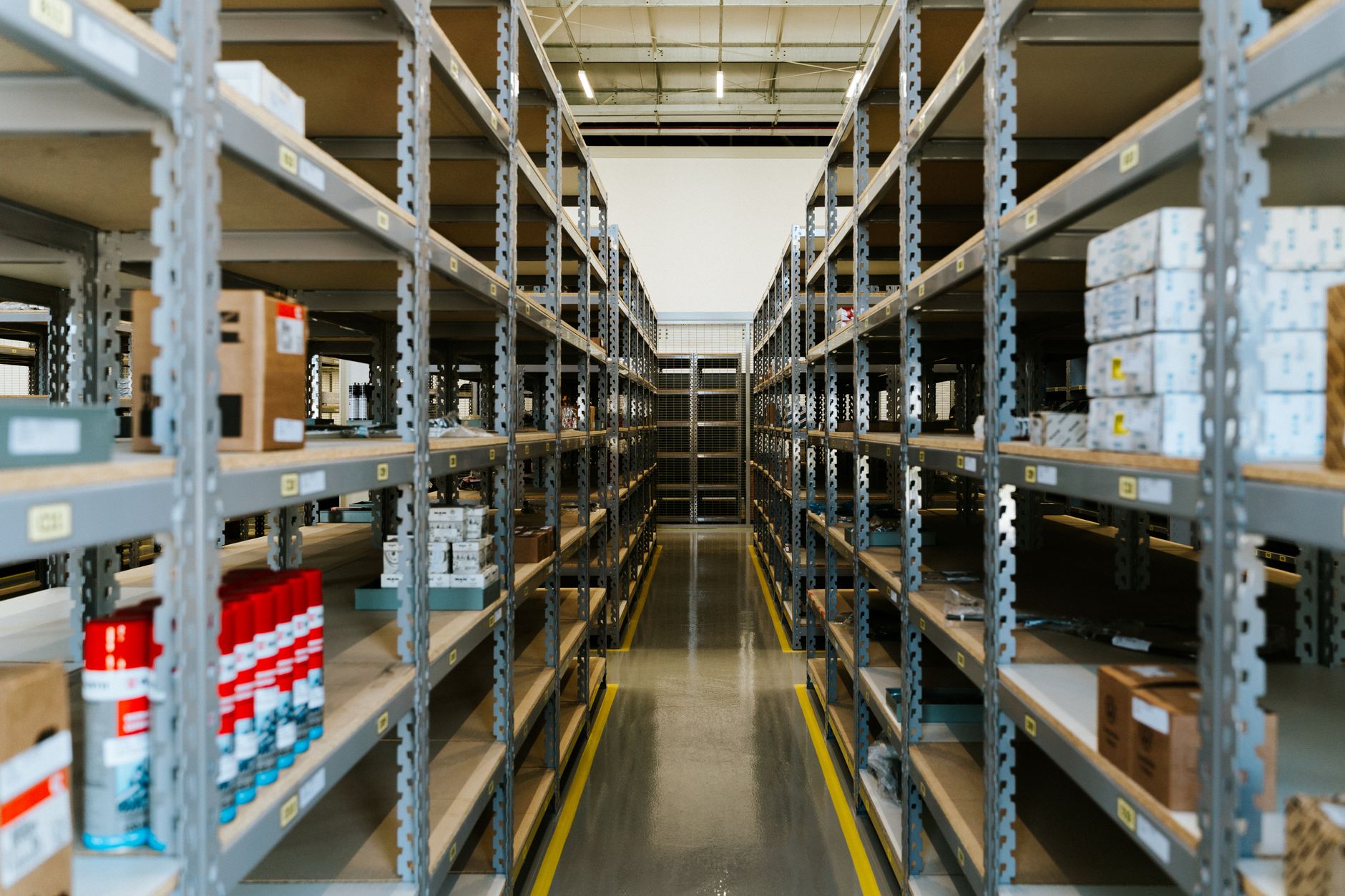
Battery plant facilities span millions of square feet, according to an automation careers blog, with electrode coating, cell assembly, formation cycling and module integration all running on automation. The robot does not cover every corner. It works the aisles and docks between those process areas, where cells and modules move from one station to the next.
The supplier case study describes the environment as high frequency handling, mixed human and vehicle traffic, narrow spaces, and interactions with air showers and lifts. That is why the site assessment maps every route and door, and why the route plan has to account for lifts, doorways and staff walkways before any unit moves.
How does the robot work alongside existing staff?
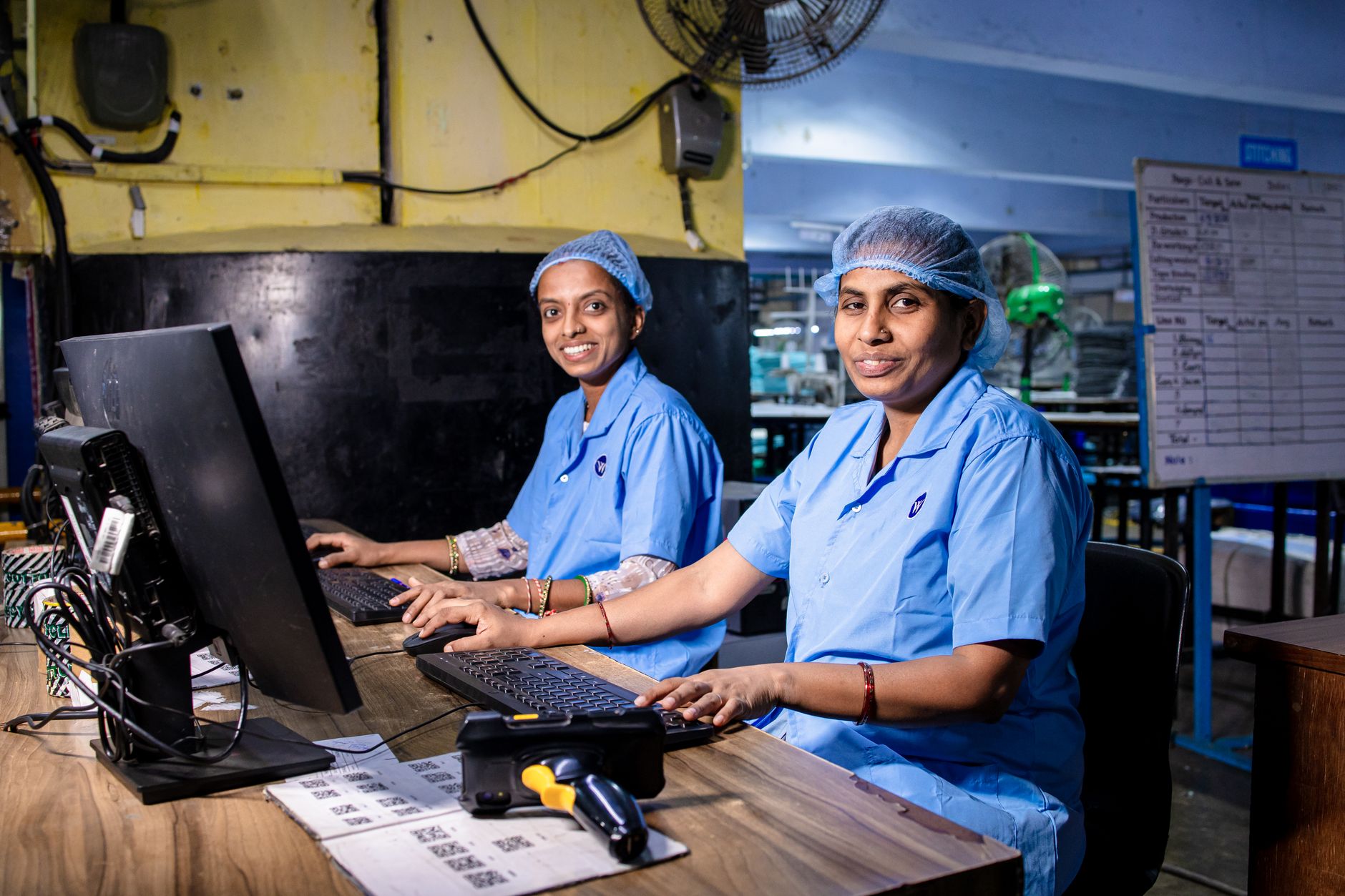
The robot takes the carrying, not the process work. Operators stay at their stations, technicians keep equipment running and quality staff keep inspecting. The team still needs people who load and unload at the ends of the line and who handle the exceptions a robot cannot resolve.
Plan for a robot plus a smaller team. A workable setup keeps one person who watches the dispatch screen and clears exceptions, one who handles loading at the docks, and maintenance staff who know the fleet. Many plants also keep human carriers as backup during the first weeks after go live.
Mixed traffic is normal, so the people who walk the aisles need training too. The buyers guide we reviewed says AMRs integrate more easily with human workers and processes than AGVs do. We train staff on how the robot behaves at a crossing, what its sensors see and how to clear a stopped unit safely.
What drives the savings?
Savings come from four places: hours of hand transport per shift, handling injuries, idle waits at stations and overtime used to cover open transport shifts. Each one can be measured on your floor, and the size of each depends on your route count, your shift pattern and your injury history.
We did not find a verified figure for the hours per shift that people spend moving cells or modules by hand at battery plants in the public sources reviewed, so we will not quote one. During the free site assessment we time the moves, count the stops and log the waits, then present a range built from your own numbers.
For context, the U.S. Bureau of Labor Statistics counted 3,008,300 hand laborers and material movers nationally in May 2023, according to its OEWS estimates. That is a national occupation count, not a battery plant figure, but it shows how large the labor pool for this work is and how many employers compete for the same people.
What can the robot not do?
The robot moves loads along routes. It does not load a module into a fixture, pick loose parts from a bin or clear a jam at a machine. Those tasks stay with people, and a plan that expects the robot to do them will disappoint everyone involved.
It needs a stable layout. Moving a station means changing the route, and routes need clear aisles, usable doorways and features the navigation can read. Heavy changes to the plant layout are a planning project, not a software adjustment.
It also has battery limits of its own. Fast charging helps uptime but can shorten the life of the robot battery, so the fleet may need spare units or a deliberate charging schedule. A robot can keep a station fed, but if that station is short on operators, the loads will simply wait longer at the end of the line.
How do you get started?
Start with a free site assessment. We map the floor, measure traffic and doors, check how the plant's warehouse and manufacturing systems would send tasks, and find the moves that carry the most hours. You receive a plan that names the route, the robot and the staffing that goes with it.
Robots are leased through financing, which is the robot leasing for business path most plants choose when they want the fleet in service without a large upfront commitment. The payment comes in the quote after the site assessment, so the number reflects your route, your shifts and your service needs. Nothing is quoted before we have seen the floor.
Deployment is phased so the line keeps running. We integrate the fleet with your systems, train the people who will work beside it, support go live and service the fleet nationwide with on site dispatch and remote triage. The first route is the test, and a second route follows only when the first one runs cleanly.
Frequently asked questions
Want a warehouse robot at your battery plant?
Tell us about your site. We will recommend the robot, quote the lease, and keep it serviced.
Sources
- Trade-education blog on battery plant hiring
- Automation careers blog on battery and EV manufacturing
- Supplier case study on AMRs in lithium battery factories
- Vendor page on material handling labor
- Vendor page on AMR specifications and navigation
- Buyers guide to autonomous mobile robots
- Preprint on AMR charging and battery degradation
- U.S. Bureau of Labor Statistics OEWS May 2023 estimates