
Key takeaways
- Crews in cold rooms make many short trips in, and picks slow as shifts drag on.
- Robots carrying totes between cold zones and dock doors cut repeat entries into freezing space.
- The savings come from fewer walking hours and less cold exposure, with staff still on the floor.
- Measure your trips per shift first, because that number sets the size of the pilot.
- Robots are leased through financing, and the payment comes in a quote after a free site assessment.
How can autonomous mobile robots help a cold storage warehouse today?
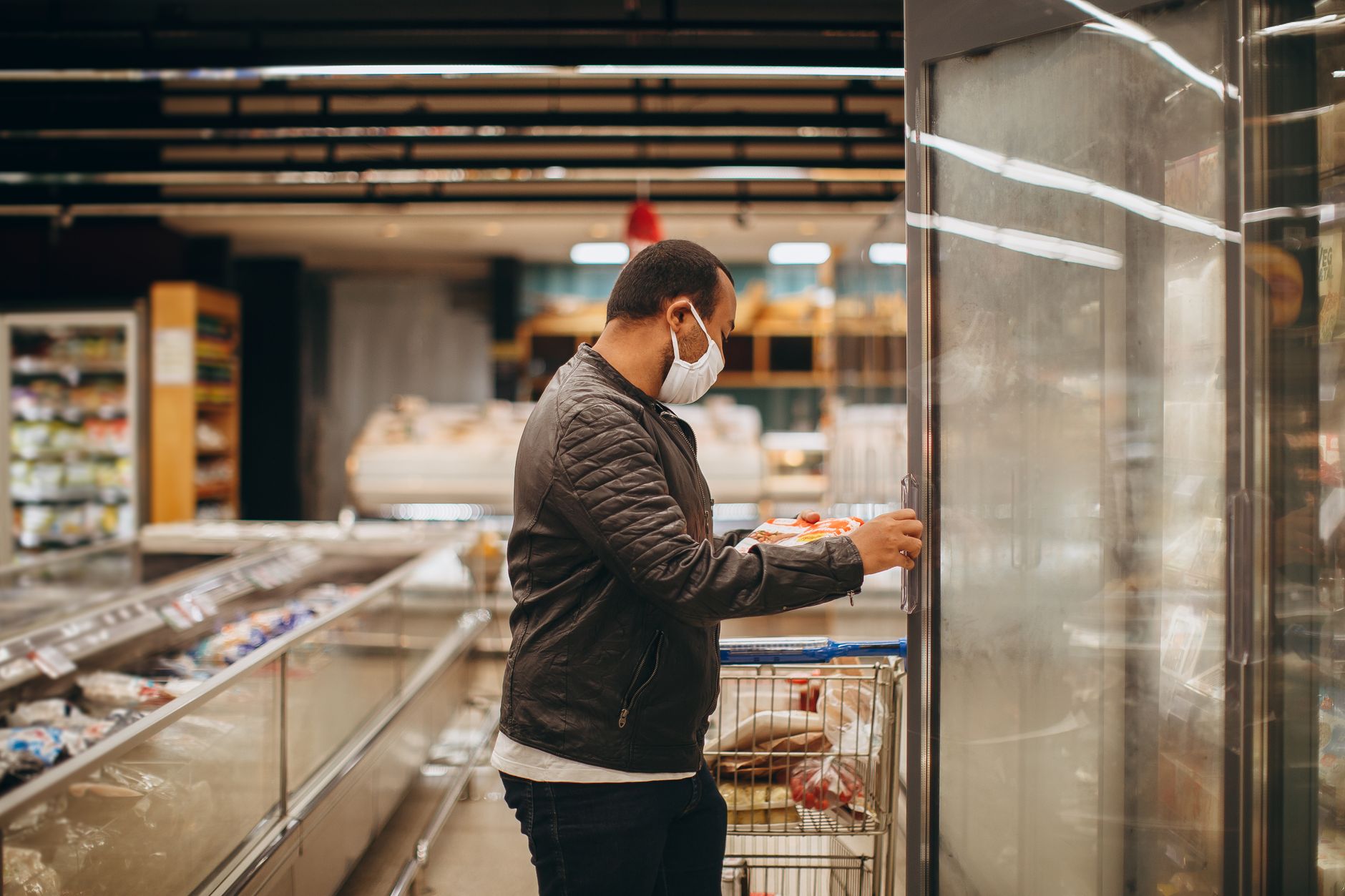
Autonomous mobile robots for cold storage warehouses take over the most repetitive part of the day: carrying totes, cases and staging loads between cold zones and dock doors. A worker who would otherwise walk into a freezer dozens of times a shift makes fewer entries, and the picks that depend on that worker stay steadier later in the shift.
The benefits follow from that one change. Fewer entries mean less time at deep-freeze temperatures, fewer walking miles inside cold rooms, and less strain on hands and feet, which is where cold work tends to wear people down. Staging loads near the dock also means the people at the dock wait less for product to arrive.
A robot does not run a cold room alone. It works beside a team, handles the repeat trips, and leaves picking judgment, damaged-goods checks and exceptions to people. The gains are real but come mainly from fewer trips, so the first step is counting how many trips your crew makes now.
What does cold work do to staff and picking speed?
A time-motion study of a cold storage warehouse, published by Morioka and colleagues, recorded a mean of 52 warehouse entries per worker per day, with a mean total of 3 h 42 min spent inside. The longest single stay was 60 min 35 s. The study is roughly two decades old, but the pattern of many short entries into cold space is one many cold operations still run.
The same study reported that more than 60% of subjects had nasal discharge and hand coldness or pain, and that the effects were greater in winter than in summer. A 2025 study of a cold store operating at -21 °C logged 514,953 storage-location visits by 40 order pickers over four months. It found that the best working period after a rest break depends on how long the break is, and its abstract notes that many cold storage systems still rely on human labor.
OSHwiki, run by the European Agency for Safety and Health at Work, summarizes related research. In one study of 60 workers, order picking at -24 °C was perceived as more physically demanding than at +3 °C for the same workload. In another, 50% of 24 workers at -43 °C to -62 °C reported episodic finger symptoms.
How many cold storage warehouses are there in the US?
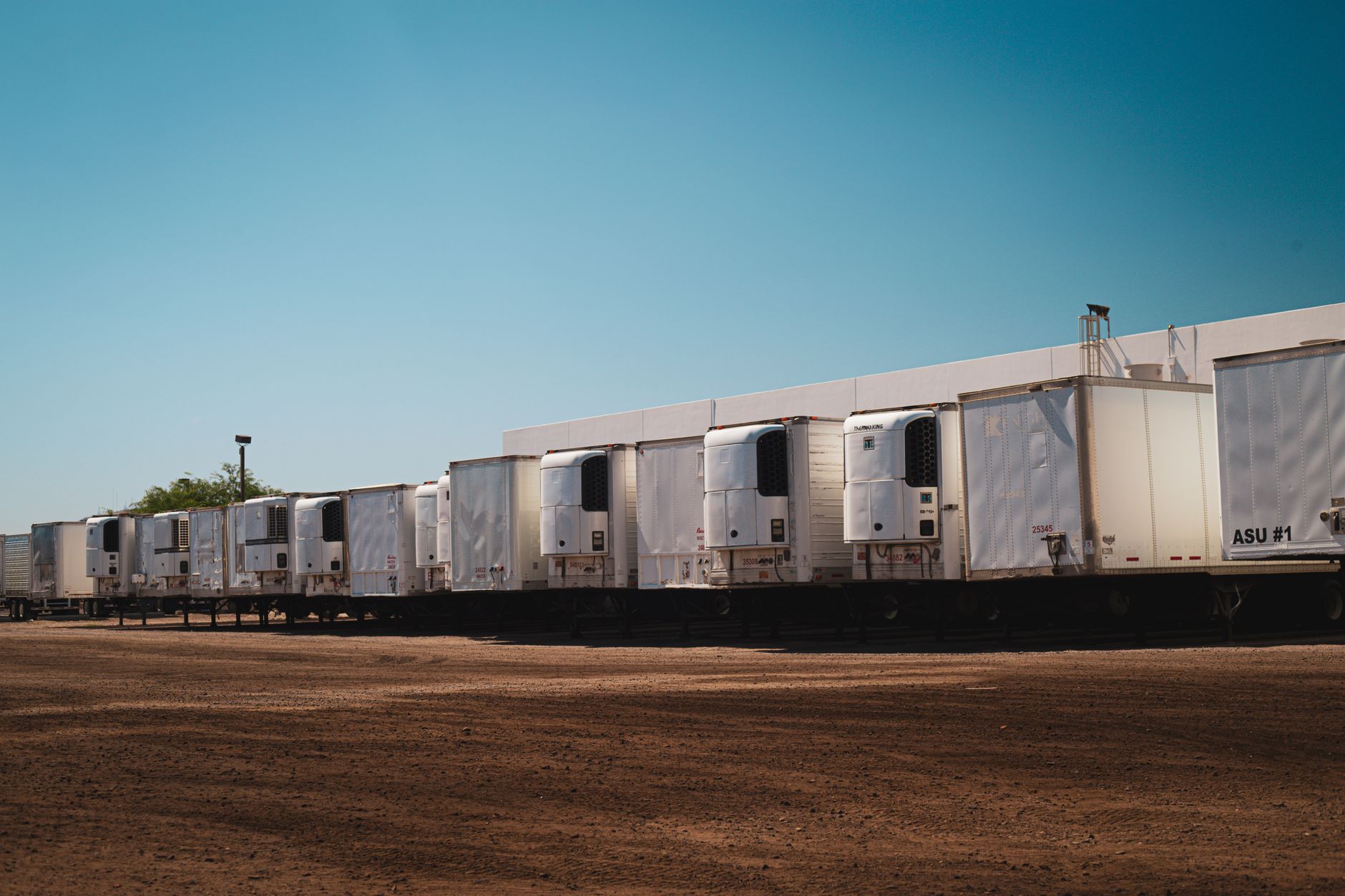
According to the USDA National Agricultural Statistics Service, its 2025 Summary counted 931 qualifying refrigerated warehouse locations, with gross capacity of 3,987,732 thousand cubic feet on October 1, 2025. Of those locations, 275 of 931, or 29.5% by a published calculation from USDA tables, were at least 5 million cubic feet, up from 258 of 900 in 2023.
The count is narrow by design. USDA includes only sites cooled to 50 °F or lower that normally store food for 30 days or more and hold at least one of 110 tracked commodities. Many smaller cold operations are therefore not in the total, so your own count of trips per shift matters more than the national figure.
Larger buildings give a robot longer routes to cover, and that is where trip savings add up. A small cold room with a short route may need only a pilot, while a multi-zone building with a long walk from freezer to dock is a stronger case to measure.
Where in the building does the robot work?
Most of the value sits in the path between the cold zones and the rest of the building. The robot's route is the part of the operation that the crew walks most, so the first map is usually the path a tote takes from rack to dock.
The areas below are the ones where we see the most repeat traffic. Your layout decides which of them apply and in what order, and a site assessment is the place to settle that.
How does a robot work day to day in a cold room?
A fleet is usually set up with a charging bay near the cold room door, where robots top up between tasks. A robot maker's case study describes a Scandinavian logistics site, a dry warehouse rather than a cold one, where three AMRs carry pallets from a stacker to aisles and staff save approximately 40 hours a week. The vendor reports that robots charge themselves between tasks and that fleet software assigns each task to the robot that can finish it fastest.
In a cold room the practical questions are the same as anywhere else: where the robot waits, how it hands over totes, and how a worker calls it. A pick location near the dock is a good first pilot because the route is short and easy to watch. Each trip the robot takes is a trip the picker no longer makes into the freezer, which is the whole point of the arrangement.
Where do the hours savings come from?
The largest savings come from walking time. In a 2026 simulation of 1,000 storage locations with 50 AMRs, order fulfillment time fell from 18.4 to 11.2 minutes, a 39.1% drop, and worker travel distance fell 67.3%. Those are simulated results, not field measurements, so they are a reason to test on your own routes rather than a forecast for your building.
The labor context comes from US government data. The Bureau of Labor Statistics counts 6,917,800 hand laborers and material movers in 2025 and projects 4% growth from 2025 to 2035, as fast as average. Hours that a shift gets back from repeat carries can go to picks, checks and dock work instead of the walk.
Your own numbers should drive the estimate: trips into the cold zone per shift, minutes spent on each trip, and how many shifts run. Published studies give a starting point, and the quote after a site assessment is built from your floor.
How do robots work alongside existing staff?
A robot works best with a crew, not in place of one. A typical arrangement keeps the picker, the dock lead and the checker, and adds one or more robots to carry totes and staging loads between the cold zones and dock doors. Staff still decide what gets picked, how it is checked, and what happens when a pallet arrives damaged.
Service Robot Co. is a US commercial robot integrator. We choose the robot for your site, lease it through financing, deploy and integrate it, train your staff, and service it nationwide. Training covers routing, charging, handovers and what to do when a robot stops, so people on shift are never left guessing.
What can a robot not do in a cold storage warehouse?
A robot does not replace the judgment that cold work needs. It cannot check product quality by eye, handle an irregular load alone, or clear a jam in a frozen aisle without a person. Most published evidence on AMRs comes from dry warehouses, and the cold-specific material is mostly from suppliers or small case accounts.
Cold conditions also raise hardware questions. A cold chain robot supplier reports two AMRs in a frozen warehouse, with sealed casings, batteries rated to -22 °F, and lidar that the author says did not fog from condensation. That is one operator's account, and it should be checked against the specific model and temperature range on your floor.
A robot is also not a fix for a crew that is already short. The 2025 cold store study shows that how workers pace themselves still matters, so plan rest breaks around the work, not only around the fleet.
How do you get started?
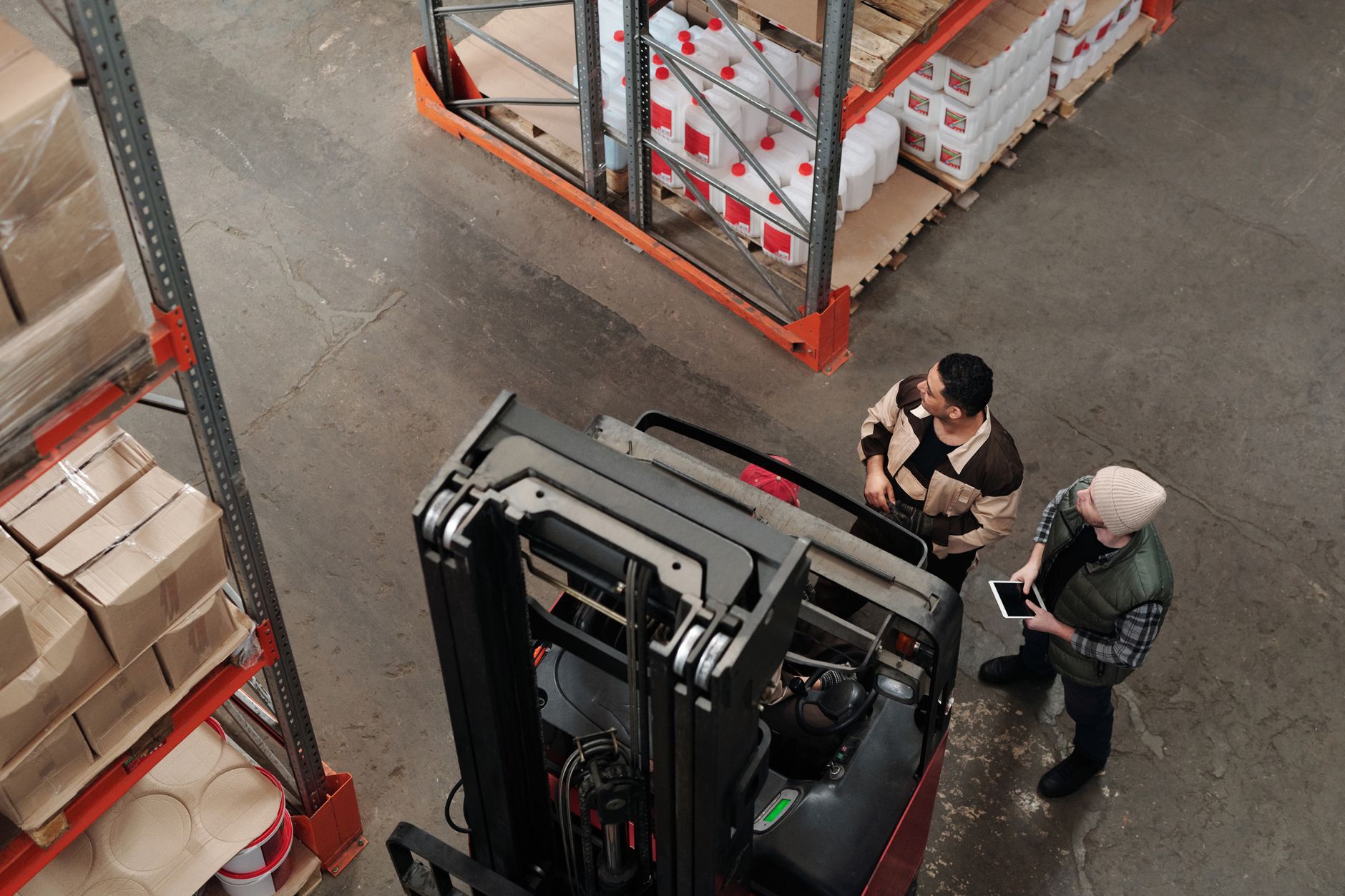
Start with a free site assessment. We map the cold zones, dock doors, aisles and charging spots, count the trips your crew makes per shift, and identify the route where a robot would save the most walking. Nothing is committed at that stage.
After the assessment you receive a quote built on your floor. Robots are leased through financing, and the payment comes in the quote. Deployment and integration follow, with go live support and training for each shift. We then service the fleet nationwide, so a robot that needs attention is handled without the crew carrying the repair.
Frequently asked questions
Want a warehouse robot at your cold storage warehouse?
Tell us about your site. We will recommend the robot, quote the lease, and keep it serviced.
Sources
- Morioka et al., time-motion study of a cold storage warehouse
- 2025 study of order picking in a cold store
- OSHwiki, European Agency for Safety and Health at Work, working in the cold
- USDA National Agricultural Statistics Service, 2025 Summary of refrigerated warehouse capacity
- Bureau of Labor Statistics, Occupational Outlook Handbook, hand laborers and material movers
- 2026 AMR simulation study, PETI journal
- Robot maker case study, Scandinavian logistics site
- Cold chain robot supplier account, frozen warehouse