
Key takeaways
- Dairy plants repeat the same product routes every shift, which suits a robot that runs them the same way.
- The repeat legs between processing and cold areas are the easiest place to start.
- The robot covers transport legs when a shift runs short, while the crew keeps the line and the cleaning.
- Savings depend on your own hours per shift on each leg, measured in a free site assessment.
- Robots are leased through financing, and the payment comes in the quote after the site is assessed.
How can autonomous mobile robots for dairy processing plants help?
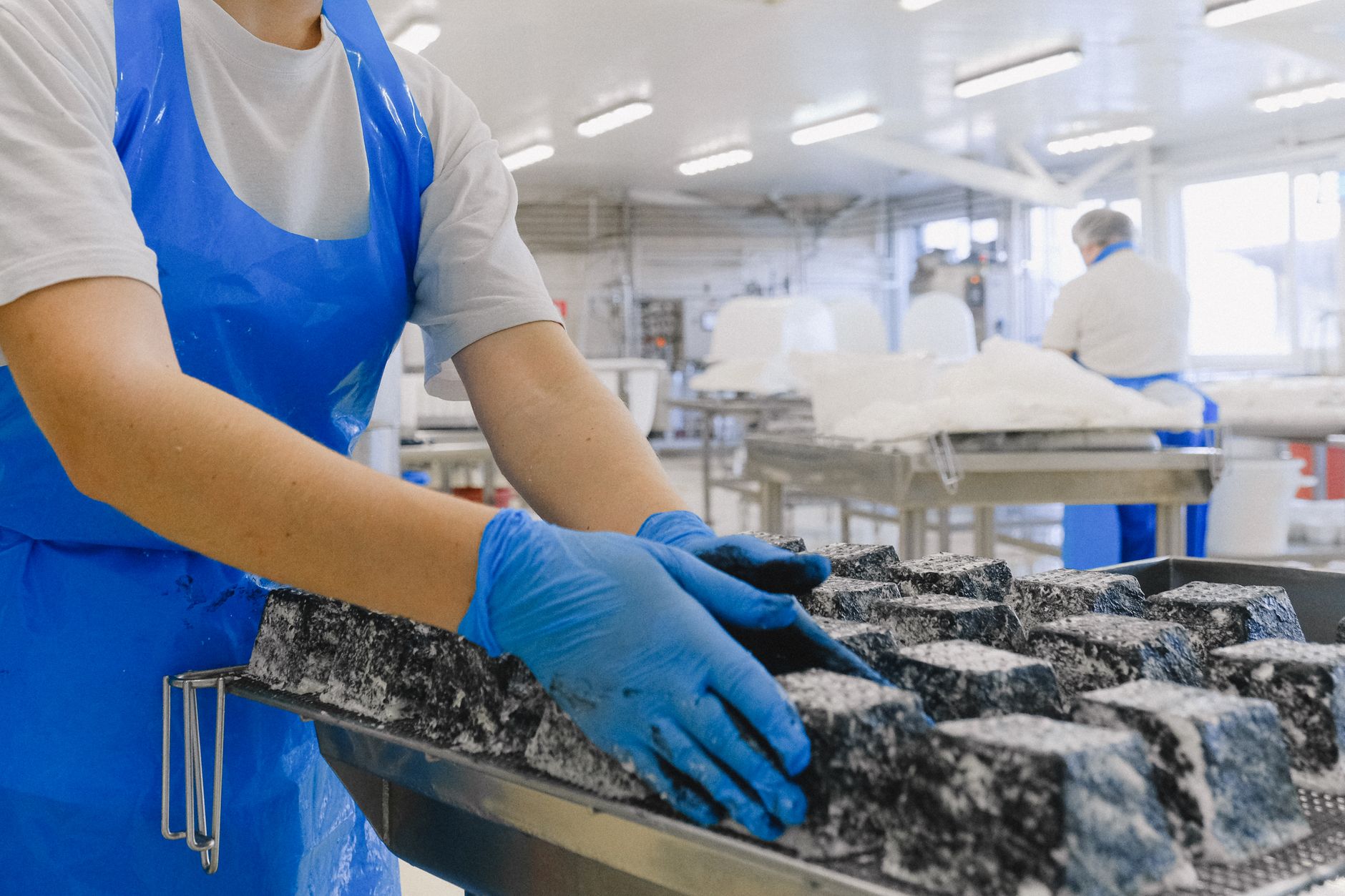
Autonomous mobile robots for dairy processing plants take on the repeat hauling that drains crew time on a short shift. Milk and ingredients move from receiving into processing, and finished cases move from the packaging line to staging and the cold rooms. Those routes repeat every shift, the loads are predictable, and the robot runs them without a driver. When people are missing, the moves still happen.
The benefit is practical rather than dramatic. The robot does not replace the cheese maker, the packaging operator or the sanitation crew. It covers the transport legs that would otherwise pull those people off their stations, or simply go undone when a shift is light. In most plants these repeat legs are the easiest place to start, because they can be timed, mapped and measured before anything changes.
Service Robot Co. is a US commercial robot integrator. We pick the robot for the site, lease it through financing, deploy and integrate it, train the staff and service it nationwide. The place to start is a free site assessment, where we map the routes and measure the hauling you do now.
What does hauling product cost a dairy plant today?
Dairy plants run on a steady rhythm. Ingredients arrive, move through processing, and finished product leaves for cold storage and the dock. Each leg is usually a person with a cart, a pallet jack or a forklift, covering the same corridors every shift. When the crew is short, these are the first moves to slip, and the processing line waits or cases sit too long on the floor.
The labor pool is tight. According to the U.S. Bureau of Labor Statistics, 297,000 people worked as food processing equipment workers in 2025, and the Bureau projects 5 percent growth in that job from 2025 to 2035. The Bureau's May 2023 count also lists employment of 2,260 in the all other food processing workers group at dairy product manufacturing. That is a small pool to draw from when a shift goes short.
Hiring across manufacturing is also slower than it was. According to a summary of the BLS release on Reliamag, there were 522,000 manufacturing job openings in August 2026, a 4.0 percent openings rate, up from 416,000 a year earlier. The same summary reports that the Census Bureau's Q2 2026 plant survey found 22.2 percent of manufacturing plants that gave a reason for operating below capacity cited insufficient labor.
What are the main benefits for a dairy plant?
The clearest gain is time on the line. A 2026 peer-reviewed study of an autonomous mobile robot in final assembly material delivery reported an overall efficiency of 57 percent, mainly from less idle time and better material replenishment, with an average travel distance of 118.81 meters per cycle. That study covered a different industry, so read it as a sign of the mechanism, not a dairy forecast.
The second gain is steadier moves. A robot runs the same route the same way on a short shift as on a full one, so the cold room gets its product on time even when two people have called out. The third is fewer hand carries of heavy cases, which matters on a floor where people lift product all day.
The fourth is a record. Every move is logged, so you can see when a run was late, where the bottlenecks sit and how many trips each route takes. That data helps the shift lead plan the next week, not just the next hour.
How does the robot work day to day?
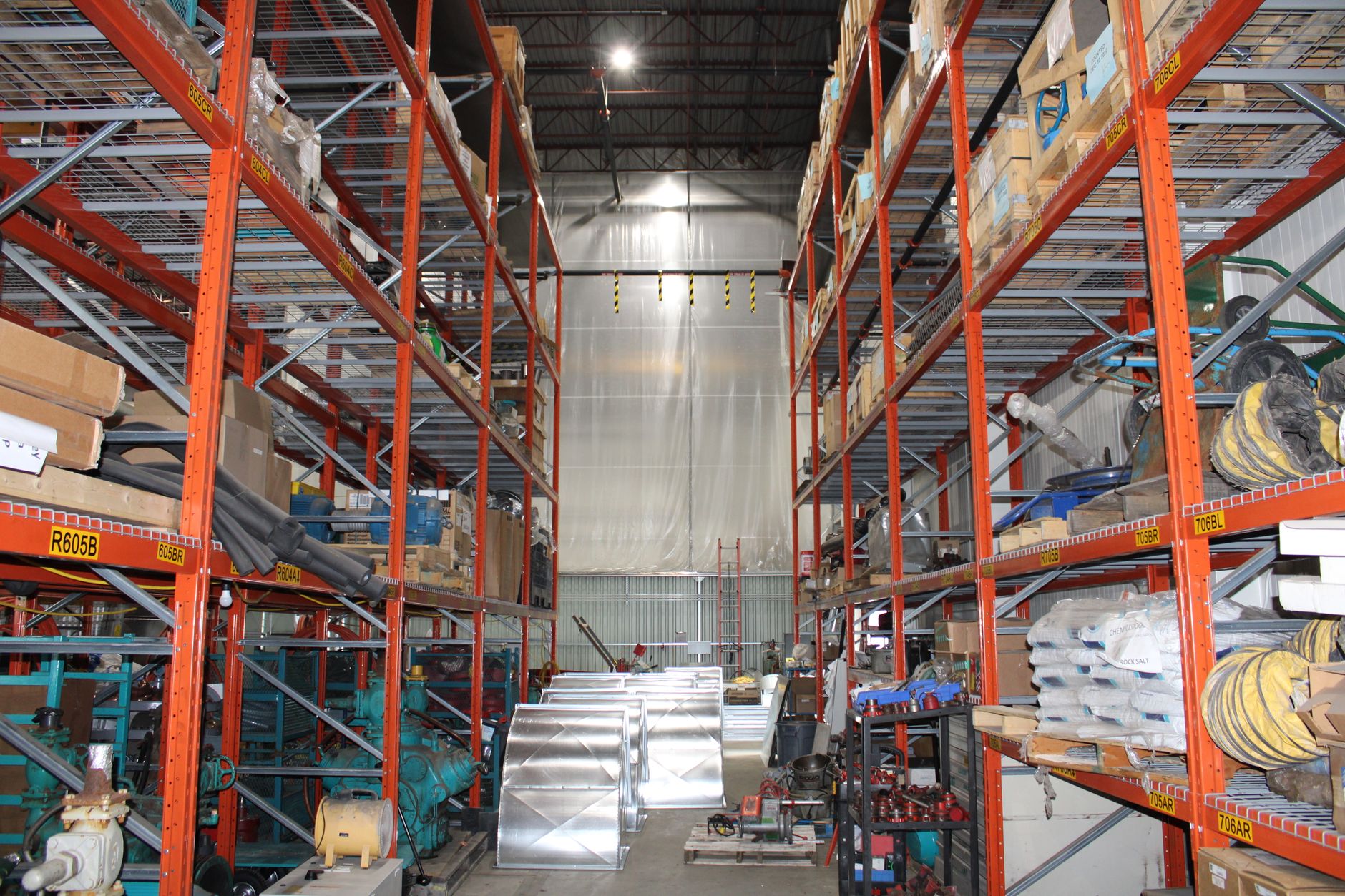
Before any robot runs, the site is mapped. The team walks the routes with you, marks the stations and cold room doors, sets the load points, and tests the paths at the times of day that matter. The robot then runs from a call queue, so a packaging lead can request a case move or an ingredient run from a station screen and the robot takes it.
A typical cycle is short. The robot goes to a pickup point, waits for a person to load it or confirms the load, carries it along a fixed path, and unloads at a drop point. Sensors slow or stop the robot near people and forklifts, and it returns to its charging spot between runs. The shift lead watches the queue and can move priorities as the line changes.
Sanitation windows matter. The robot needs cleaning on the schedule your food safety team sets, and its route should stay clear of wash down areas while those are active. Those rules are written during the site assessment, not guessed at during the first week.
Which areas of the plant does the robot work in?
According to USDA NASS, its Dairy Products survey covers over 1,000 cheese plants, butter plants, ice cream plants and other facilities. The 2023 USDA based count lists 1,183 U.S. dairy processors, according to the Progressive Dairy statistics sheet. Across that many sites, the same kinds of routes repeat, even when the buildings differ. The zones below are the ones we see most often in plants of this kind, and each has its own load, its own traffic and its own floor.
Start with the legs that run most often and have the fewest people crossing them. Those are usually the receiving to processing leg and the case run from packaging to the cold room. Once those are steady, more stops and areas can be added in phases without shutting the plant down.
How does the robot work alongside existing staff?
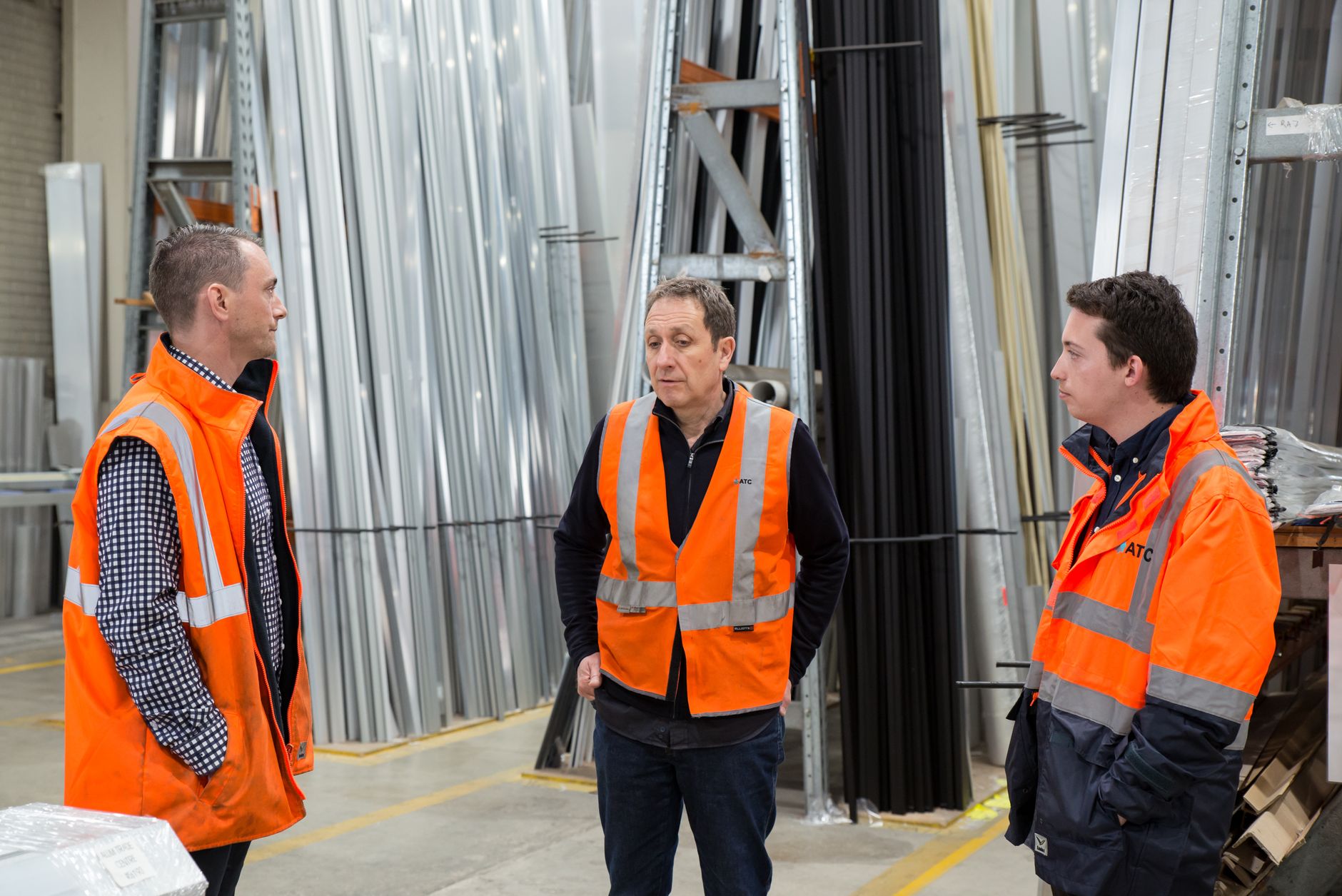
A robot never works alone in a plant. It runs beside a crew, and the crew is still needed. Operators load and release the robot, a shift lead manages the queue, and sanitation keeps the floor and the robot clean. The point is that the people in those roles spend less time walking and more time on work only they can do.
This matters because the roles that are hardest to fill are often the ones the robot touches. A food processing labor blog from Spotwork names forklift operators with food facility experience and sanitation team members among the hardest-to-fill roles. That is not government data, but it describes the same pressure. The robot does not fill those roles. It keeps the moves going while they stay open.
Training is part of the deployment. We train the staff who load, release and queue the robot, and the people who clean it and respond to alarms, so no single person holds all of the knowledge.
What drives the savings?
The savings come from three places: hours moved off hauling, idle minutes on the line, and overtime avoided when a short shift would otherwise be covered by extra hours. These are the drivers to measure, and they differ by plant, so the figure that matters is your own baseline in hours per shift for each leg.
Published figures give a range to plan around, but they are vendor claims. According to Oxmaint, a vendor blog, autonomous mobile robots in food production have been reported to cut internal logistics labor cost by 40 to 60 percent. That figure is not verified. We do not offer it as a promise for your plant. We use it as a reason to measure carefully in the site assessment, then set the target with your numbers.
No published hours figure for hauling in dairy plants was verified for this page. That is why the assessment measures the baseline on your floor. Once the hours are known, the payment comes in the quote, built on your routes and your schedule.
What can the robot not do?
It does not lift a case off a high rack, open a carton or fix a jam at the packaging line. It does not clean product contact surfaces and it does not set food safety steps. It will not run a blocked route, pass a door that does not open for it, or cross a floor that has not been cleared for it. Those limits belong in the plan from the start.
Failures happen. According to the same Oxmaint vendor blog, unplanned failure recovery in food production is 3 to 8 hours, a figure we have not verified and do not promise. For that reason the plan keeps a manual route in place, so a stopped robot does not stop the plant. Service Robot Co. services units nationwide, and backup coverage can be discussed during the quote.
The layout also counts. Tight turns, uneven floors and pallets staged in the aisles slow the robot down, and the assessment will show where those problems sit.
How do you get started?
Start with a free site assessment. We walk the plant with the shift lead, map the routes, measure the hauling you do now and identify the two or three legs that would gain most. You get a written view of what fits, what does not, and where the robot should begin.
Next comes the choice of robot for the site, then the quote. The robot is leased through financing, and the payment comes in the quote, after the assessment has set the route, the load and the schedule. Deployment and integration follow, with the robot tied into your queue and your cleaning plan, and staff trained before the first live run.
Go live in phases. Begin with one route, watch the numbers for a few weeks, then add the next. That pace keeps the plant running and lets your team judge the result with its own data. Service Robot Co. stays on the account after go live, with service across the country.
Frequently asked questions
Want a warehouse robot at your dairy processing plant?
Tell us about your site. We will recommend the robot, quote the lease, and keep it serviced.
Sources
- USDA National Agricultural Statistics Service, Dairy Products survey
- Progressive Dairy statistics sheet, 2024 edition (USDA-ERS and USDA-NASS 2023 data)
- U.S. Bureau of Labor Statistics, Occupational Outlook Handbook, food and tobacco processing workers
- U.S. Bureau of Labor Statistics, May 2023 occupational employment statistics
- Reliamag, cost of manufacturing labor shortages
- Autonomous mobile robot implementation for final assembly material delivery system (study, 2026)
- Oxmaint, automation advancements in food production lines (vendor blog)
- Spotwork, food processing labor market 2026 workforce challenges (vendor blog)