
Key takeaways
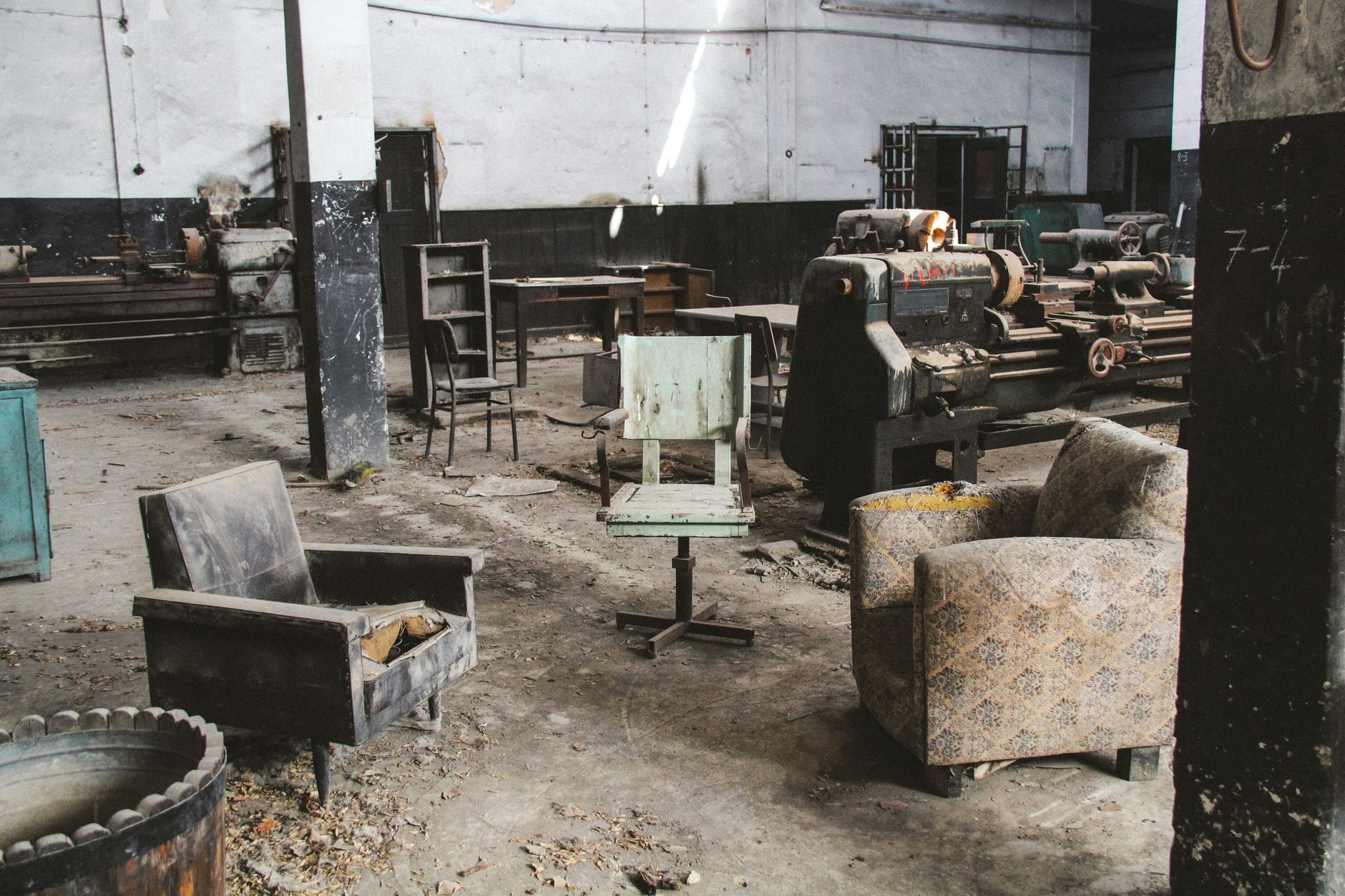
- Forklift and cart traffic often slows a furniture line, and it gets harder to staff every shift.
- Furniture plants move panels, parts and finished goods on set routes, which suits autonomous mobile robots.
- The savings come from fewer hours spent waiting on transport and fewer heavy manual loads, not from removing people.
- A robot plus a smaller team keeps the line moving and lets staff spend more time on skilled work.
- Start with a free site assessment, then pilot one route before adding more.
How can autonomous mobile robots help a furniture factory?
Autonomous mobile robots for furniture factories take over the repeated moves that tie up forklifts and carts: panels from the saw room to the assembly line, kitted parts to work cells, and finished goods to staging. They follow set routes, stop when a person enters their path, and return to charge on their own. In a plant that struggles to keep trained operators on every shift, that means fewer lines waiting on a truck.
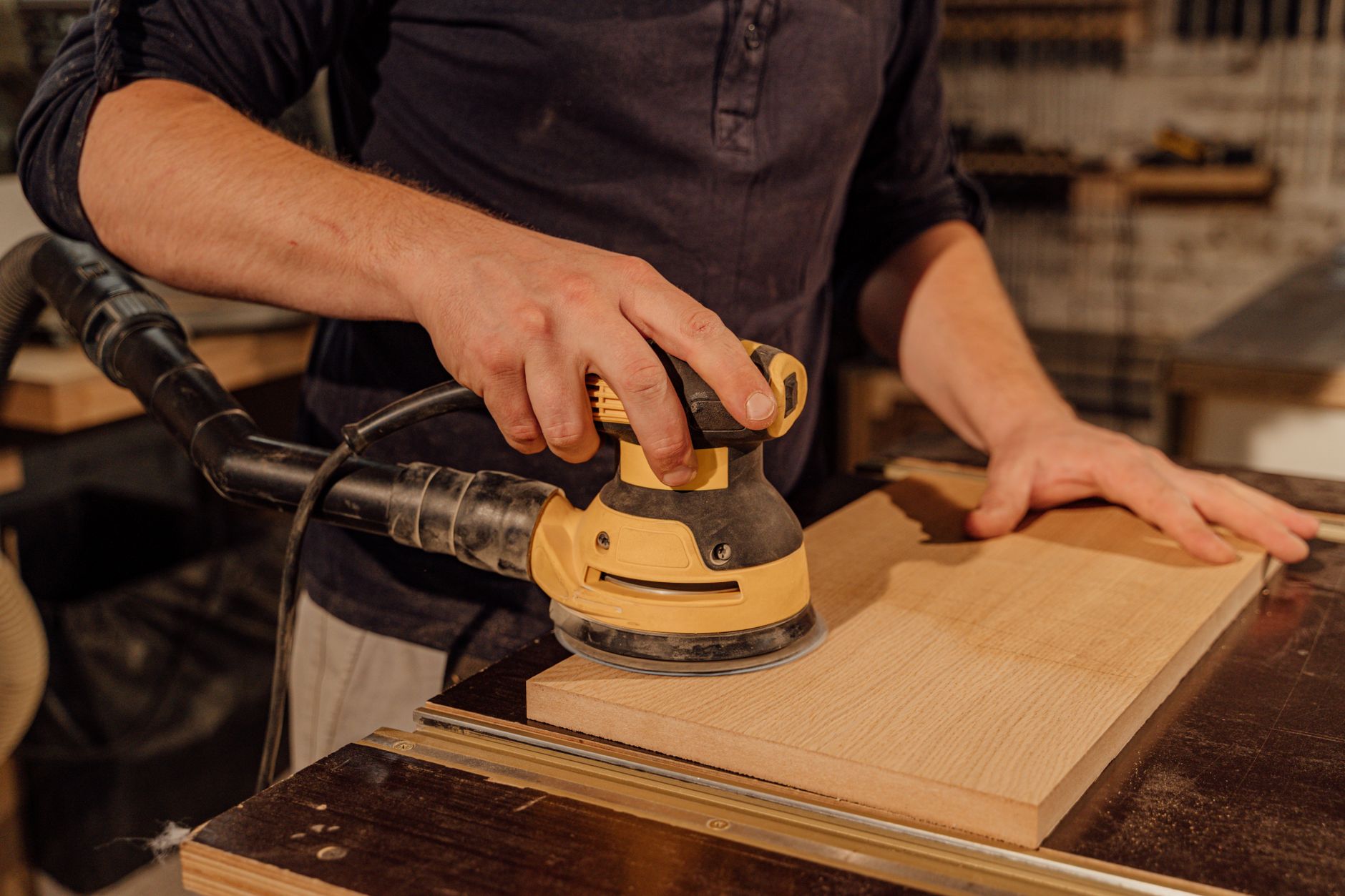
The robot does not replace the people who run the plant. It covers the transport a short-staffed crew cannot reach in time, so machinists, assemblers and finishers spend more of the shift on work that needs a person. Most plants begin with one or two routes, measure the time saved there, and add robots as the route map grows.
We select the right robot for the site, arrange leasing through financing, deploy and integrate it with your existing systems, train your staff, and service the robots nationwide. The payment comes in the quote, which follows a free site assessment.
What slows furniture lines today?
Furniture and related product manufacturing employed 327.4 thousand people in September 2026, according to the U.S. Bureau of Labor Statistics, a preliminary and seasonally adjusted figure. That was down from 330.5 thousand in June 2026, so the pool of people on plant floors is shrinking rather than growing. Production and nonsupervisory employees numbered 230.9 thousand in the same month.
Team assemblers were the largest occupation listed for the industry, at 38,870 in 2025, and woodworking machine setters, operators and tenders numbered 14,590 that year. When one of these roles stays empty, the work usually moves to whoever is left on the shift. The same agency put average weekly hours for production workers at 38.9 in September 2026, so the people who remain are already working long weeks.
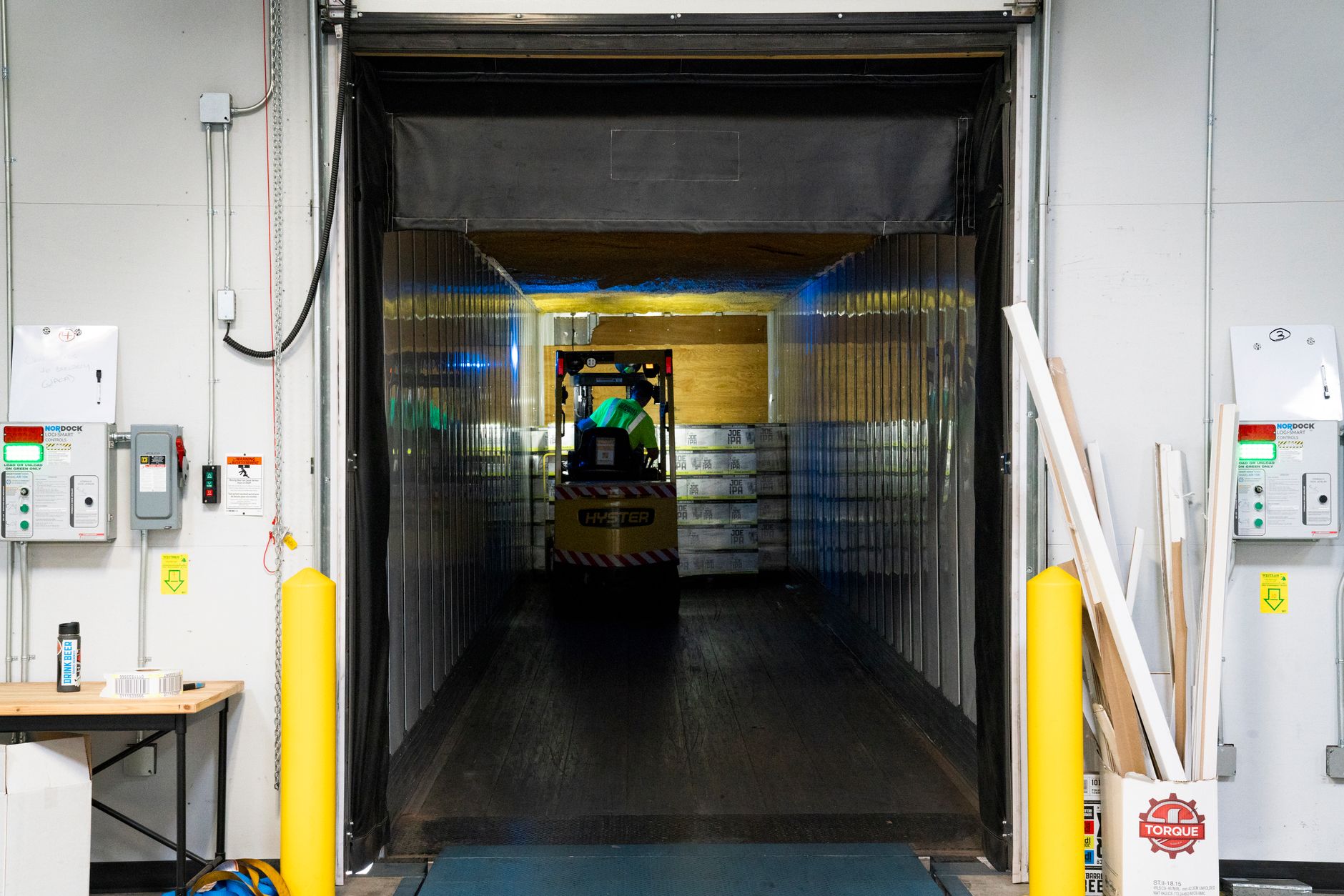
Forklift and cart traffic is what operators feel first. Nearly every plant has to move material, and forklift operators have long been the traditional way to do it. An industry report on the Upstate of South Carolina quotes a staffing director describing hundreds of unfilled forklift or material handling positions in that region alone. When the driver is missing, panels wait at the saw room exit and assembly stations sit idle.
What are the main benefits for a furniture plant?
The gains come from fewer stops, fewer hand-offs and fewer heavy loads moved by hand. Four benefits tend to matter most on a furniture floor.
Safety improves as well. The goal in one furniture case was a work environment where ergonomics and safety come first. The robots run the same route at the same pace on every shift, which is useful in a plant where people, carts and finished pieces share the same aisles.
- Steady feed to each station, so a line is less likely to wait on a cart or forklift that is busy somewhere else.
- Less manual handling of heavy panels and pallets. A robot maker's case study of a furniture plant said that before automation, pallet composition happened in a large workspace, involved manual handling of loads over 25 kilograms, and required multiple workers.
- Predictable routes that can be timed, so supervisors can see where material waits and adjust the schedule.
- Room to grow. The same case study says the customer chose mobile robots over conveyors and automated guided vehicles for flexibility, safety, productivity and scalability.
How does the robot work day to day?
Each robot is loaded at a pickup point, usually a cart, pallet or tote staged by a person or a machine. Its route is set in the fleet software, and it drives that route using onboard sensors and a stored map. It slows or stops for people and waits for a free dock or a clear aisle when needed. When the job is done, it returns to charge for the next run.
Most of the day is routine. Operators load and unload, a supervisor checks the queue, and whoever manages the fleet watches for a route that is backing up. A pallet left in an aisle can stall a route, so keeping the travel lanes clear becomes a regular shift task. The robots are most useful when the route is short enough to repeat many times per shift.
Which areas of the plant does the robot cover?
A furniture plant runs in a rough sequence: raw material comes in, is cut and shaped, is assembled, is finished, and is packed and shipped. A robot earns its place on the legs of that sequence where the same path repeats many times per shift. The zones below are the ones we see most often.
The best first route is usually the one with the most trips and the longest waits. Map that path before setting the robot count, because the right number depends on route length and how often the line calls for material.
What drives the savings in hours and labor?
Savings come from hours that are no longer lost. In a 2025 case study published in the International Journal of Production Economics, implementing mobile robots saved around 1.14 hours per shift across 15 workstations. That plant was not a furniture factory, so treat the figure as a benchmark for checking your own route map, not as a promise.
The labor math starts with turnover. According to an industry guide for production operators that cites Bureau of Labor Statistics job turnover data, manufacturing turnover runs 26 to 28 percent a year, and production-line roles reach 30 to 38 percent. Each departure means recruiting, training and a stretch of lower output, so fewer hand-carried moves reduce how often a line depends on one person.
Demand for production labor stays steady too. The Bureau of Labor Statistics projects about 867,700 openings a year in production occupations, mostly to replace workers who leave. The Bureau reported 522,000 manufacturing job openings in August 2026, preliminary, according to an industry article that cites that release.
The savings are hours recovered, not a headcount cut. Track the time operators now spend waiting on or pushing transport, then compare that with the route the robot would take.
What can an autonomous mobile robot not do?
It cannot create people. Technology protects existing capacity, but when demand exceeds the supply of staff, a robot will not close that gap by itself. Industry commentary makes the same point about forklifts: task data does not automatically mean a plant needs fewer drivers, because the work still has to be done.
It cannot run a route that is blocked. A pallet in an aisle, a locked door or a stack of material on the floor will stall the robot until a person clears it. Plants that want the full benefit treat clear travel lanes as a standing rule.
It is not the right tool for every move. Lifts to height, odd-shaped loads and one-off jobs usually stay with people or a forklift. We will tell you during the site assessment which moves suit a robot and which do not.
How do you get started?
Start with a free site assessment. We map the plant, measure the current transport routes and count the trips, then recommend the right robot for the site and the first route to pilot. The assessment shows where a robot earns its place and where it does not.
Robots are leased through financing, so you do not need a large upfront commitment to try one route. We handle deployment and integration, train your staff and provide go-live support so the line keeps running while the robot joins it. Deployment can be phased, so the rest of the plant keeps running through the change.
The payment comes in the quote after the assessment. Service is handled nationwide, with on-site dispatch when a robot needs hands-on work and remote triage for simpler faults. Once the first route runs well, add routes one at a time so each change is measured before the next.

Frequently asked questions
Want a warehouse robot at your furniture factory?
Tell us about your site. We will recommend the robot, quote the lease, and keep it serviced.
Sources
- U.S. Bureau of Labor Statistics, Furniture and related product manufacturing
- U.S. Bureau of Labor Statistics, Occupational Outlook Handbook: Production occupations
- TechBridge Global Services, Production Operators: The Complete 2026 Guide
- Signalo, Manufacturing labor shortage in the US
- SCBIZ, Forklift operator shortage affecting plants across the Upstate
- KUKA, Automated furniture manufacturing with mobile industrial robots and robotic palletizer
- ResearchGate, Implementation of Industry 4.0 in Manufacturing Industry: An Autonomous Mobile Robots Case Study
- Global Market Insights, Forklift market report