
Key takeaways
- Racks move between tanks, dryers and staging along fixed paths, which makes that carrying work a strong fit for autonomous mobile robots.
- The main gain is freeing trained operators for line work, not replacing them.
- One integrator-reported chrome plating case cut operator touch points by 60%, but it used guided carts, so treat it as a starting point.
- Industrial robot order data shows automation momentum, but it does not measure mobile robots.
- Start with one lane and one leased robot after a free site assessment, then expand only what the shift data supports.
See what a autonomous mobile robot costsRun the numbers in the ROI calculator
How can autonomous mobile robots for metal finishing shops help on the line?
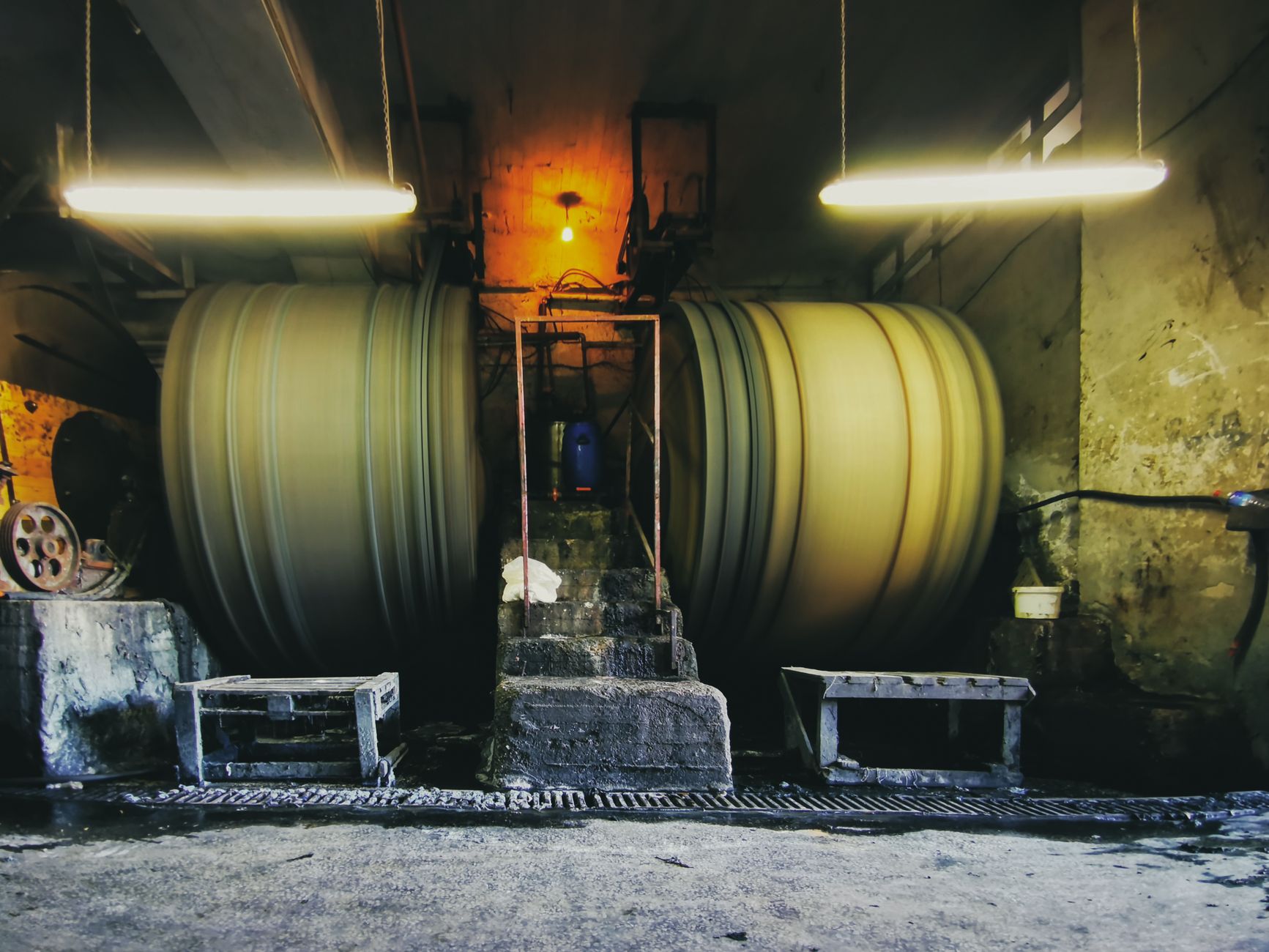
Autonomous mobile robots for metal finishing shops take over the carrying work that sits between process stations: moving racks of parts from a tank to a rinse, from a rinse to a dryer, and from the dryer to staging. They do not load parts onto racks or judge the finish. What they do is repeat the same route at the same pace on every shift, so a trained operator is not tied to a cart all day.
The fit is strongest where the paths repeat. Racks in a finishing line usually follow the same sequence of stations, which makes the moves predictable enough to map once and run many times. A robot handling those moves frees experienced people for work only they can do, such as setting up racks, watching bath readings and catching defects early.
The practical question for your shop is which lane, which tank and which shift will return the most trained time first. That is a site question, and the rest of this page walks through how to answer it.
What is hard about running a finishing line today?
Finishing lines are a chain of tanks, rinses, dryers and staging tables, and racks have to move through that chain in the right order and at the right time. Each move is a touch point, and each touch is a chance for a dropped rack, a missed rinse or a part left too long in a bath. Much of that work falls to the most experienced people on the floor, who are also the hardest to replace.
Staffing makes this harder. According to WagEdex, which profiles the occupation Plating Machine Setters, Operators, and Tenders, Metal and Plastic, employment for that occupation shows a change of -13.6% from 2023 to 2033. WagEdex is a third-party aggregator rather than an official projection, but the figure points to a shrinking pool of people trained for this work.
Loading is the hard part of automation here. Products Finishing has noted that automating part loading onto racks is difficult, and that automation usually raises line density rather than line speed. Set your expectations accordingly. Robots move racks well, but rack loading stays a people job for a long time.
What are the main benefits for a finishing shop?
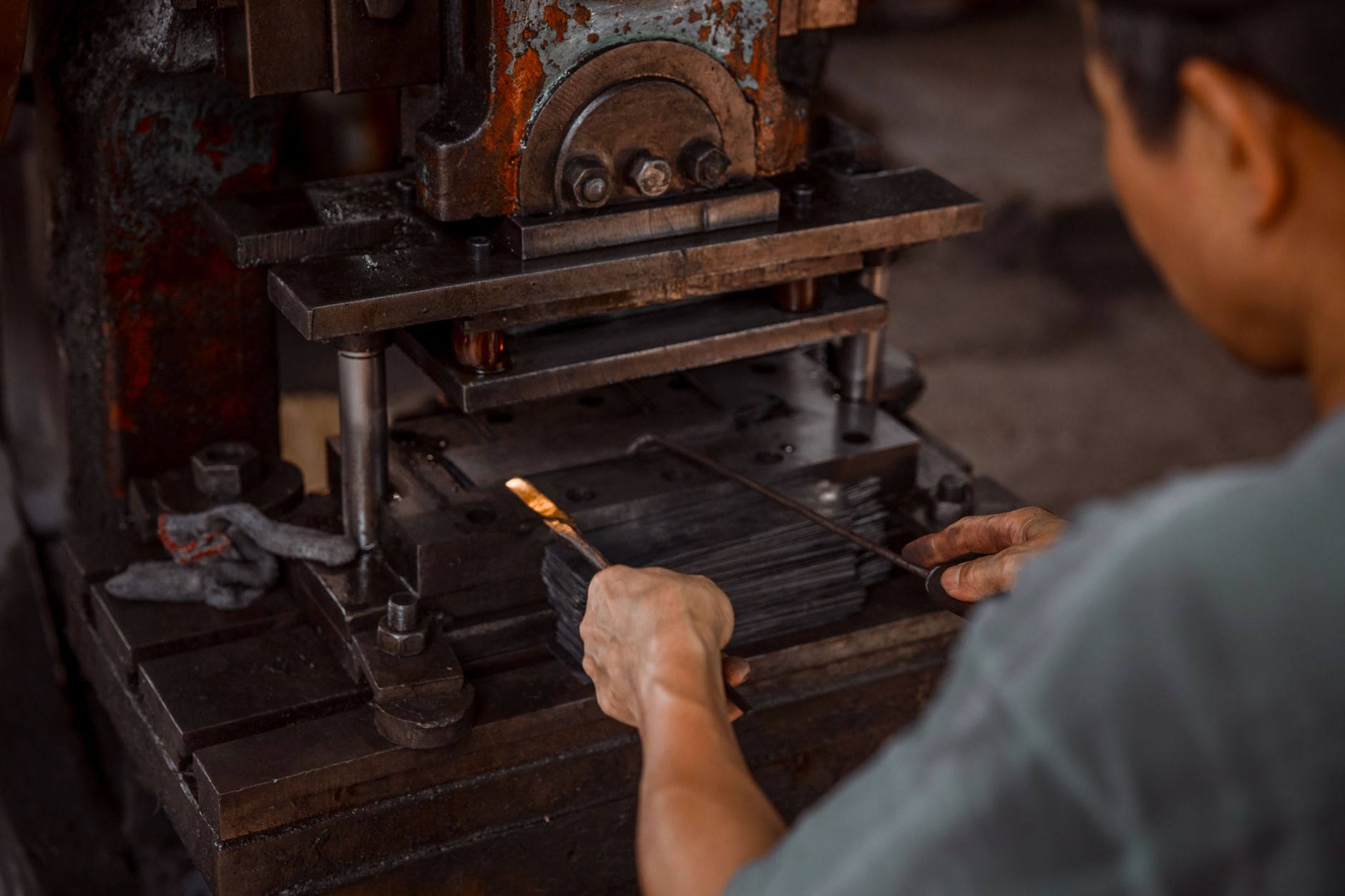
The biggest benefit is reclaimed trained time. When a robot carries racks between stations, operators spend less time walking, lifting and waiting, and more time on work that depends on their judgment. A USPTO patent for automated rack transfer between lines describes the same goal, reducing the physical loads that workers carry by hand.
A second benefit is consistency. A robot follows the same route and timing, so the dwell time in each tank depends less on who happens to be working that shift. That helps shops with multiple shifts or a thin bench of experienced people.
The published figures are worth knowing, with a caution. An integrator reported that a chrome plating shop cut operator touch points, meaning the picking up and putting down of parts, by 60%, six of 10. That shop used automated guided carts rather than AMRs. The same 2017 write-up reports an electroplating reject reduction of almost 11%. Both are vendor-reported and not a forecast for your line.
How does the robot work day to day in a finishing shop?
Before the robot runs, the site is mapped and routes are set. The team marks pickup and drop points at the ends of the tank line, at the dryer and at the staging table, and defines where racks wait when a station is busy. Once running, the robot moves a rack from a pickup point to the next station, waits for an operator to confirm the handoff, and returns to its waiting spot.
Operators stay in charge at the stations. They load and unload racks at the handoffs, watch bath readings, inspect parts and make the calls on timing and rework. The robot handles the carry between points, so a typical shift is a steady flow of short moves rather than long trips.
Plan for the details, because they decide whether the robot earns its place. Keep aisles clear, mark handoff points clearly, and agree on what happens when a rack is late. If the robot spends long stretches waiting at a station, the cause is usually the handoff or the schedule rather than the robot, and that is a layout question to fix first.
Which areas of a finishing shop does the robot work in?
The robot works wherever racks travel between defined points. That covers more of the building than the tank line alone, and the zones below show the common ones. Each is a place where transport repeats and where a trained person is currently the one moving the rack.
Two zones often pay off first: the tank to rinse to dryer lane, and the path from the dryer to finished goods staging. Both have fixed sequences and a clear end point, which makes the first routes easier to prove. Other zones can follow once the first lane runs cleanly.
How does the robot work alongside your existing staff?
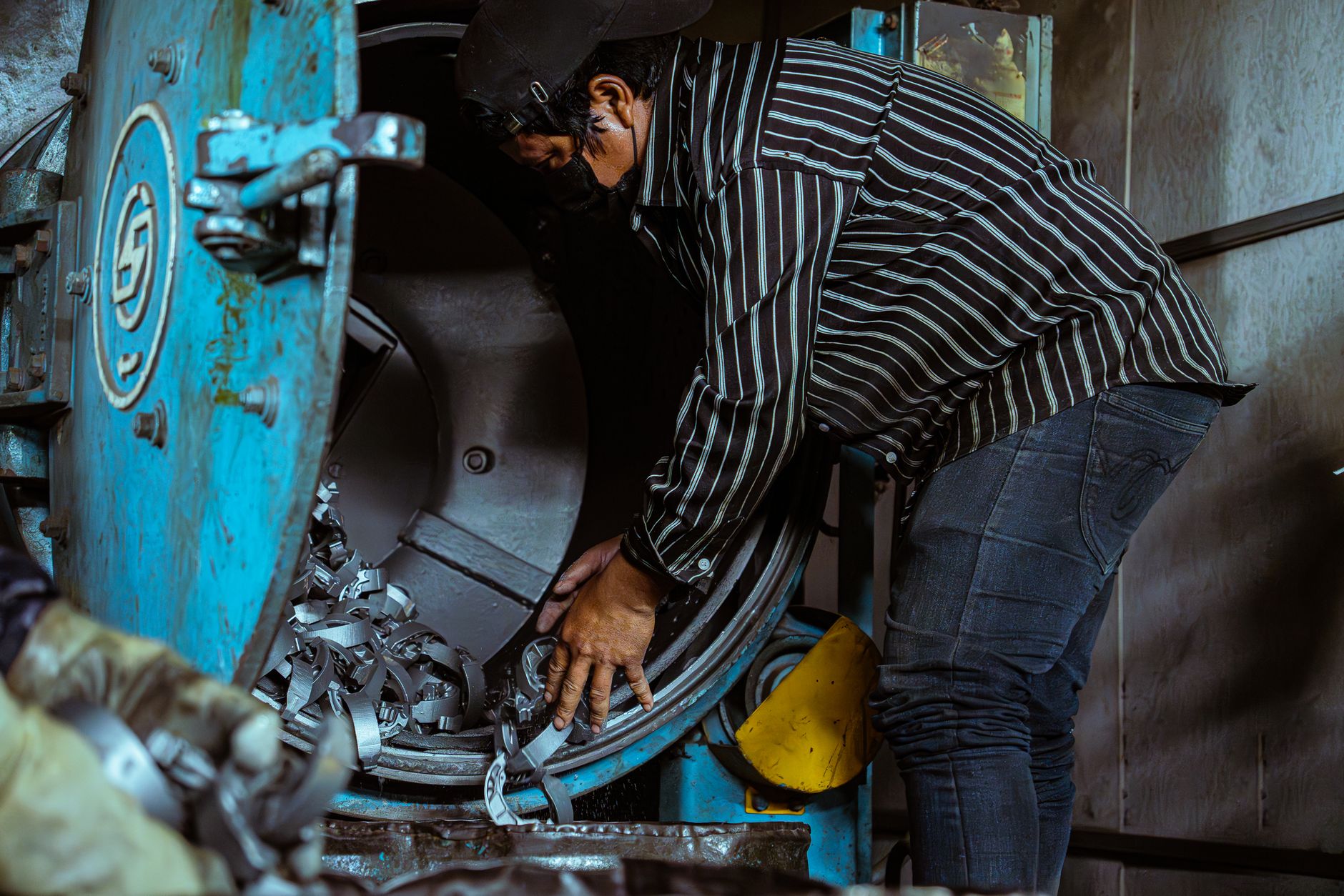
A robot never replaces the whole crew. The right setup is a robot plus a smaller team, and that team still needs operators who know the chemistry, the racks, the inspection standards and the handoffs at each station. Shops that try to run a line with no staff usually find that loading, exceptions and inspection fall back on whoever is closest.
Training matters more than most managers expect. Operators need to know how the robot behaves at a handoff, what its status lights and alerts mean, and how to clear a blocked path safely. We are a commercial robot integrator. We pick the right robot for the site, lease it through financing, deploy and integrate it, train staff and service it nationwide.
Expect a shift in roles rather than a cut. The experienced operator who spent half a shift walking racks can spend that time on setup, inspection and coaching the next person.
What drives the savings, and what is still unknown?
Savings in a finishing shop come from fewer touch points, less walking between stations, fewer dropped or misrouted racks, and more time for trained people. The best published figure is a 60% drop in touch points from one integrator-reported chrome plating case that used guided carts, not AMRs.
Wider market data gives context, but it does not measure mobile robots. According to A3 as reported by Robotics 247, North American robot orders rose 6.6% in 2025, to 36,766 units, and collaborative robots were 19.6% of units ordered and 10.7% of revenue. Those figures cover industrial robot arms, and A3's EVP said they exclude mobile robots, so they show automation momentum, not a benchmark for AMRs in your shop.
The Robot Report, also citing A3, reported that first-half 2025 unit orders rose 4.3%. Robotics 247 noted that Q4 2025 was the sixth consecutive quarter of year-over-year growth.
We did not find a verified hours saved figure for AMRs on a plating line, so we will not quote one. The savings you can count are the ones your own shift logs show: hours spent walking racks, touch points per rack, and rework from handling. Measure those for two weeks before the site assessment and bring the numbers to the conversation.
What can an autonomous mobile robot not do in a finishing shop?
It cannot load parts onto racks or hooks, and it cannot judge plating quality, coverage or cure. It does not handle process chemistry, change a bath, or move hazardous material outside an approved route. Those jobs stay with trained people, and a good plan keeps them there.
Layout limits matter too. Routes need clear floors, reliable handoff points and a waiting spot that does not block aisles. Racks that do not sit consistently on carriers, or stations that are often blocked, will cut into the time the robot can save.
A robot is also not a fix for a process problem. If rejects are high because of chemistry or rack design, moving racks faster will not solve it. Solve the process question first, then automate the carry.
How do you get started with autonomous mobile robots at a finishing shop?
Start small and measure. Pick one lane, usually the tank to rinse to dryer path or the dryer to staging move, and map it with the robot team. A pilot with one leased unit tests the route, the handoffs and the training before any wider plan.
Our process begins with a free site assessment. We map the route, look at the racks and handoffs, and identify the lane that will return the most trained time. We then pick the right robot for the site and walk you through robot lease options. Robots are leased through financing, and the payment comes in the quote, which follows the site assessment so you can compare it against your own shift data.
After go live, we train your staff and keep the robot serviced nationwide, so the people on the line are not the only support when something goes wrong. Bring your rack counts, a route sketch and two weeks of shift notes, and we will start from what your floor really does.
Frequently asked questions
Upcoming manufacturing events
- Trade showBrats & RobotsNov 10, 2026Alliant Energy Center Exhibition Hall, Madison, WI
- Trade showMATE Farm & Ranch ShowFeb 11 to 13, 2027MetraPark, Billings, MT
- ExpoPFMA Expo 2027Feb 17 to 18, 2027Washington County Fair Park, West Bend, WI
- ExpoLouisville Facilities Maintenance ExpoApr 15, 2027Mellwood Art Center, Louisville, KY
Want a warehouse robot at your metal finishing shop?
Tell us about your site. We will recommend the robot, quote the lease, and keep it serviced.