
Key takeaways
- Repetitive carrying between stations is a measurable strain source, and it is the part a robot can take over.
- High turnover in poultry processing makes a steady, predictable material-move routine worth protecting.
- The robot works alongside the crew. It does not replace the people who cut, trim and debone by hand.
- Savings depend on hours your site already logs, so the first step is a free site assessment, not a guess.
- Robots are leased through financing, and the payment comes in a quote after the site assessment.
How can autonomous mobile robots for poultry processing plants help?
Autonomous mobile robots for poultry processing plants take over the repetitive material moves that run between stations on the line. Empty totes, crates, packaging stock and finished cases travel by hand for much of every shift, and that carrying is where many repetitive-motion injuries begin. A robot that follows a fixed route can handle those moves on a schedule the crew can plan around.
The main benefit is fewer manual carries per worker. Each carry the robot makes is one less lift, twist and reach for someone already working in a cold, repetitive setting. The second benefit is steadier staffing. When routine moves are covered, people on the line stay on the tasks that need a human hand, and the plant spends less time covering gaps caused by strain and turnover.
A robot does not replace the crew. It is a supporting team member that handles the walking and carrying, while your people keep the cutting, trimming, deboning and quality calls. We pick the machine that fits your floor, deploy and integrate it, train your staff, and service it nationwide, so the plant can start with one route and add more as the team gets comfortable.
What does the injury problem look like on a poultry line today?
Repetitive-motion injuries are a long-running problem in this industry. According to OSHA's 2013 guidelines, the poultry industry's repetitive-motion rate in 2011 and 2012 stayed more than five times the average for all U.S. industries. The same guidelines report carpal tunnel rates over three times the national average in 2012 and seven times in 2011.
According to BLS data cited in that OSHA document, 33% (1,190 of 3,620) of poultry processing cases requiring days away from work in 2011 and 2012 were musculoskeletal disorders. For an operations lead, that means strain cases make up a large share of lost-time injuries, not a side issue.
OSHA lists repetition, force, awkward postures and vibration as risk factors in poultry work, and notes that many operations run in cold environments. A CDC and NIOSH bulletin adds that highly repetitive tasks, forceful movements and cold together raise risk, and it reports that repetition or sprain entries were the most common OSHA recordable injury at one plant in 2010, 2011 and 2013. A GAO report notes that although plants have increased automation, much of the work is still done by hand with saws, knives and other tools.
What are the main benefits for the plant?
Most of the gains come from taking the carrying out of workers' hands. Over a full shift, each removed carry adds up, and it is usually the first place a plant should look before changing anything else on the line.
In practice, the benefits tend to show up in a few places:
- Fewer hand-carried totes, crates and cases moving between stations
- Fewer loads that arrive late, because the route runs the same way every shift
- Less walking and reaching for line workers who should be at their stations
- Routine moves that a new hire does not have to learn on day one
How does the robot work there day to day?
The robot starts its shift with routes loaded from a map of the plant. Before go-live, we walk the floor, map the aisles and docks, and set stopping points at each station where the crew drops off or picks up material. Routes stay fixed, which keeps the work predictable for the people who depend on it.
During the shift the robot moves between those points at a steady pace, stops for people and obstacles, and waits at a station until a worker or a conveyor is ready. There are no wires or tracks to install, so a route can be changed without tearing up the floor. Early routes are easy to adjust once the crew has used them for a few days.
Charging is scheduled around the shift, so the fleet does not depend on someone plugging in a unit at the wrong time. Staff can request a move, and supervisors can see where each unit is and what it is carrying. The aim is that a line lead never has to wonder where the next tote is.
Which areas of the plant does it work in?
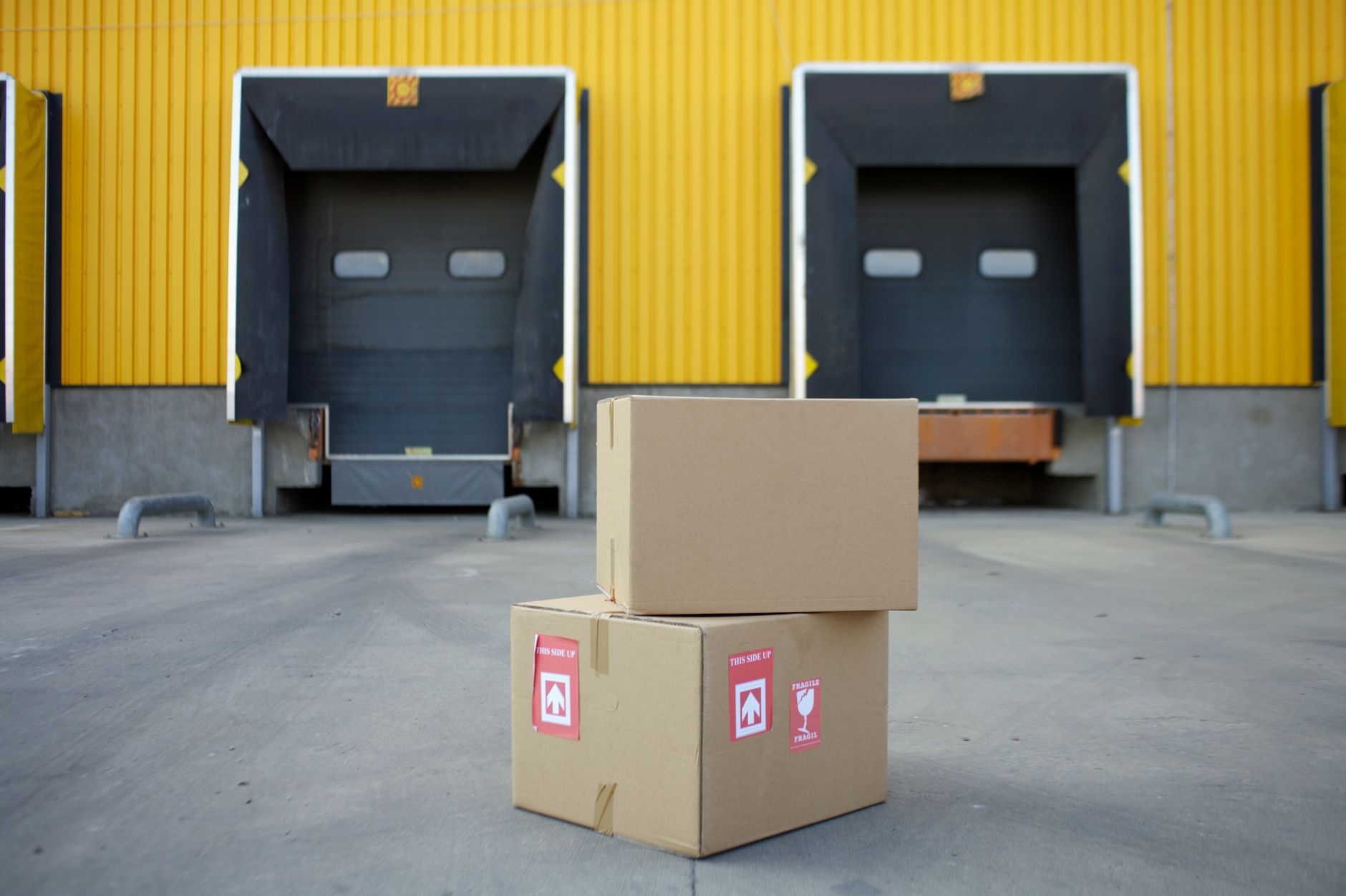
Most of the value sits between stations, not inside them. The robot covers the paths that connect the dock, the raw staging area, the processing lines, the packaging area, the wash bay and the finished goods cold storage. The zones below show the areas we usually map first.
Some work should stay with people. Cutting, trimming and deboning are hand tasks at the station, and the robot's job is to bring what those stations need and carry away what they finish. Keeping that boundary clear helps the crew trust the system.
Cold rooms and wet areas need a closer look during assessment. Many poultry operations run in cold conditions, as OSHA notes, so we test battery, floor and sensor performance in the actual conditions before we set routes there.
How does the robot work alongside the existing crew?
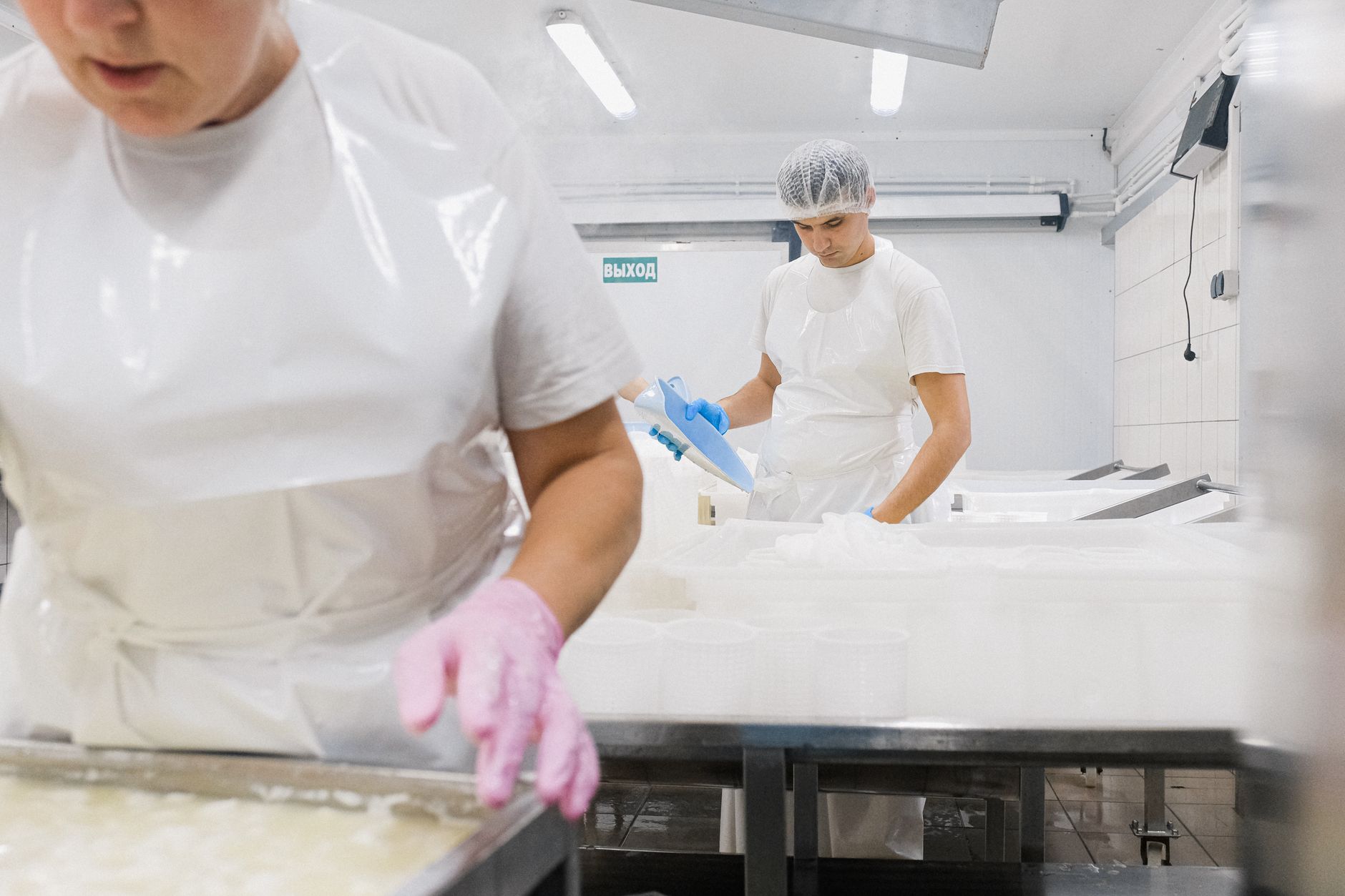
A robot does not run a line by itself, and a plant should not plan for one. The model we recommend pairs the robot with a smaller crew that handles exceptions, loads, clearing blocked routes and a few supervisory tasks. The robot takes the repetitive walking and carrying, and people keep the judgment calls.
Training matters as much as the machine. Line leads learn how to call a move, how to clear a blocked route and what to do when a unit stops. Maintenance staff learn the basic checks. We train those people on site, so the knowledge stays in the plant when the schedule changes.
Turnover makes this pairing more important. According to Avinews, turnover in poultry processing is very high, and in many countries over 60% of slaughterhouse workers quit within 90 days. The same article cites BLS data showing 2.4% turnover for manufacturing in November 2024, and calls about 10% a healthy rate for any production sector. A WattAgNet report, citing workforce data, puts employee turnover in food production at about 40%. A University of Arkansas Division of Agriculture researcher says turnover in the first 90 days can be as high as 50 percent, and that the tasks are repetitive and potentially risky.
What drives the savings?
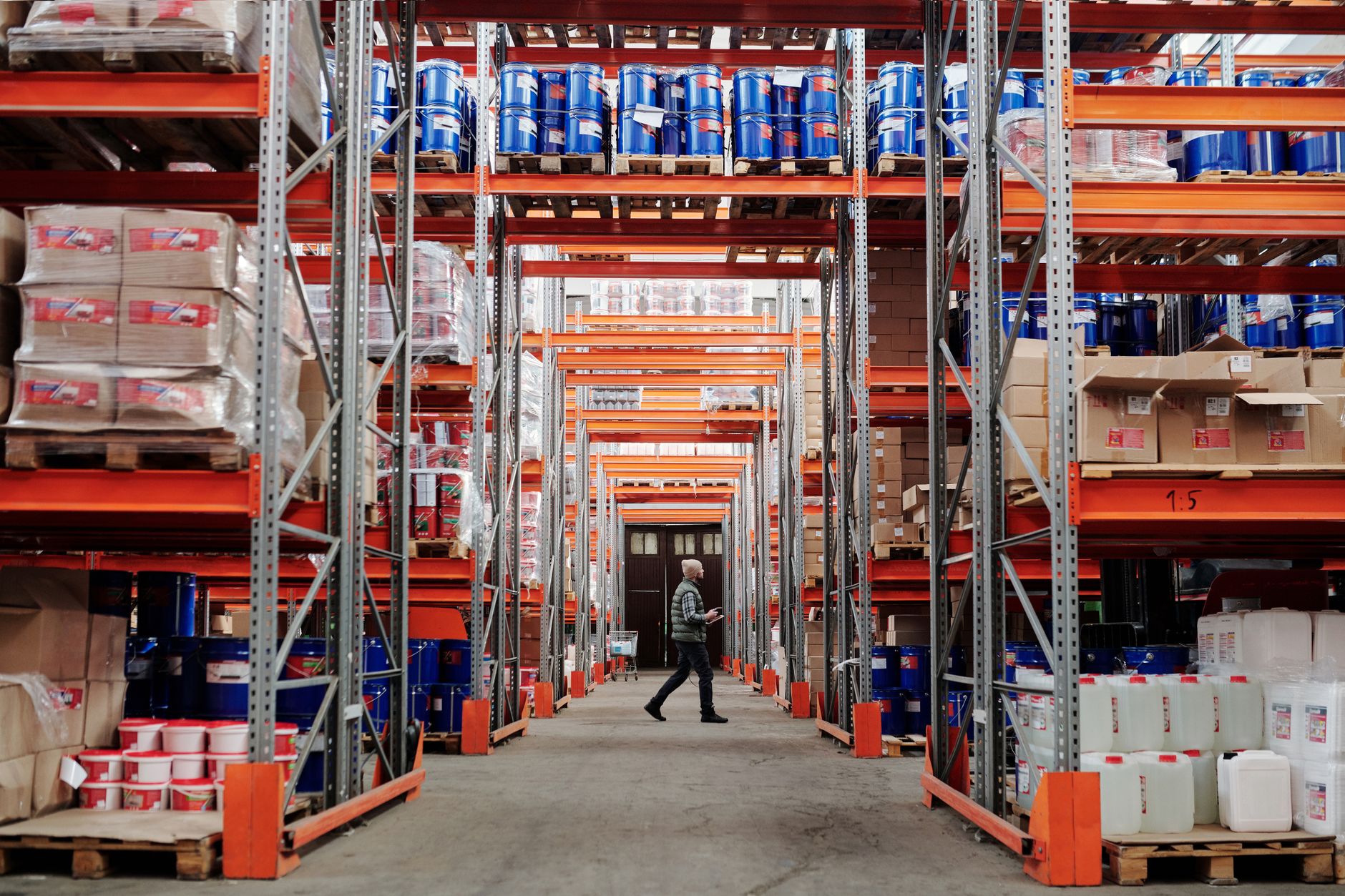
The savings come from hours. Every carry that moves off a worker's shift returns time to the crew, or lets a plant leave an open role unfilled for less time. Much of that time is repetitive walking and lifting that workers already do between stations, so the reclaimed hours are real, even though each plant has to measure them for itself.
Scale helps set expectations. According to County Business Patterns as summarized by naicscodes.org, 520 U.S. poultry processing establishments had paid employees in 2023, employing about 238,600 people, an average of 459 per location. The same summary reports employment under this code down 3.3% since 2018. Also according to the U.S. Bureau of Labor Statistics Occupational Outlook Handbook, there were 359,300 jobs for meat, poultry and fish processing workers in 2025, with projected growth of 4% from 2025 to 2035.
We do not promise a savings figure in advance. The honest number comes from the hours your site already logs for material moves, turnover and lost-time cases. During the free site assessment we measure those hours with you and show what they support, and the payment comes in the quote that follows.
What can the robot not do?
The robot is not a cutting, trimming or deboning tool. It cannot replace the hand skills on the line, and it will not fix a process that is already broken. Expect it to take the carrying and the repetitive walking, and nothing beyond that without a separate project.
Some limits are physical. Routes need clear paths, so pallets stacked in aisles, wet spots or blocked doors will stop a unit until someone clears them. Steep ramps, uneven floors and heavy loads may not suit every route, so the assessment checks the floor before any route is planned.
It also does not run the plant. The robot follows the moves you set, so the crew still owns scheduling, quality holds and sanitation decisions. Be realistic about what a first route can carry, and plan the second and third routes as the team learns the system.
How do you get started?
Start with a free site assessment. We look at your floor plan, the material flows, the stations that generate the most carrying, and the cold and wet areas that need testing. From that visit we recommend a robot type and a route plan for your site.
Robots are leased through financing. The payment comes in a quote after the site assessment, so you see the terms for your plant before you commit to anything. We deploy and integrate the fleet, train your staff and service it nationwide, and a backup robot program covers downtime while a unit is in the shop.
Go-live support follows deployment. Our team stays with the crew through the first runs, adjusts routes, and checks that line leads are comfortable calling and clearing moves. Many plants start with a pilot route, then expand on the results they measure.
Frequently asked questions
Want a warehouse robot at your poultry processing plant?
Tell us about your site. We will recommend the robot, quote the lease, and keep it serviced.
Sources
- OSHA 2013 poultry guidelines (OSHA 3213)
- CDC NIOSH bulletin on poultry workers
- GAO report GAO-16-337
- Avinews, labor shortage in the poultry industry
- WattAgNet, first 90 days key to poultry processing worker retention
- University of Arkansas Division of Agriculture news release
- County Business Patterns via naicscodes.org, NAICS 311615
- BLS Occupational Outlook Handbook