
Key takeaways
- Heavy core and coil moves between stations repeat on the same routes, which makes them a strong first target for a mobile robot.
- Crane and forklift crews get back time for lifts that only people and cranes can make.
- Cranes still set active parts and lift finished units, so the robot moves loads and does not replace the lift.
- Measure your own moves per shift before anyone promises hours back.
- Start with one leased unit on the busiest route, then expand after a site assessment.
How can autonomous mobile robots for transformer manufacturing plants help?
Autonomous mobile robots for transformer manufacturing plants can take over the repeated floor moves that keep crane and forklift crews busy. Cores, coils and tank sections are heavy and awkward to handle, and they travel the same routes between winding, assembly and test stations shift after shift. A mobile robot follows a mapped route, carries the load on its platform and sets it down at the next station without a driver at the controls.
The benefit is less about speed and more about where the people go. When the heavy transport moves to a robot, the crane and forklift crews spend more of their shift on lifts that only they can do. Plants that already run the same routes between the same stations are the strongest candidates, because a robot repeats a fixed path without drifting.
We are a US commercial robot integrator. We pick the robot for the floor, lease it through financing, deploy and integrate it, train the staff and service it nationwide. The sections below cover the problem, the benefits, the work day, the team, what drives the savings and what the robot cannot do.
Why do heavy core and coil moves tie up crews today?
A transformer plant moves heavy material through a long chain of stations. Core steel is cut and stacked, coils are wound and dried, and tank sections are welded and filled. Each handoff needs a crane, a forklift or a team with carts, and each lift has to fit around the others. When one move slips, the station upstream waits.
The pressure outside the plant makes this harder. According to analysts quoted by pv magazine USA in May 2026, lead times for high-capacity US power transformers can run as long as four years. A Q2 2025 industry survey reported by Power Magazine put average power transformer delivery at 128 weeks, and generator step-up units at 144 weeks. Plants are being asked to build more units with the same floor and the same crews.
Labor is tight as well. According to NEMA estimates, the transformer workforce is about 30,700 people, with a present-day shortage of roughly 13,400 workers. A forecast reported by T&D World projects a 30% power transformer deficit for 2025, and one energy supply chain analysis says domestic production covers about 20% of large transformer demand. These are estimates and forecasts, but they point to the same problem: every hour a heavy move waits is an hour of lost capacity.
What are the main benefits for this kind of plant?
The first benefit is fewer heavy moves waiting on a crane. A robot on a fixed route can carry a core or coil from one station to the next on a timed schedule, so the crane stays on the lifts that only a crane can make, such as setting an active part or loading a finished unit.
The second is steadier flow. Repeated transport is easy to schedule and easy to measure. You can see how many moves a shift makes, where the queue builds and which station runs short of material, and that data is often the first useful thing a plant learns from a deployment.
The third is a cleaner floor. Fewer forklift trips through winding and assembly areas mean fewer moments when a heavy load and a person share an aisle. Core stacking is typically done by fixed robotic systems, according to examples in a transformer industry trade publication, so the mobile robot's job is the transport between those stations.
Which areas of the plant does the robot serve?
Most of the value sits in the transit lanes between stations rather than inside any one machine. Map the route from steel storage through cutting, stacking, winding, assembly, drying, tank work, testing and shipping, then decide which legs are heavy and repeated enough to automate first.
Count before choosing. Log the moves for a full week and note the weight, the distance and the wait at each end. The legs with the most traffic and the longest waits make the best first route, and the route can expand to more legs once it runs cleanly.
How does the robot work through a typical day?
The robot starts its shift at a charging dock, checks its battery and takes its first move from the plant's material system or a simple call station. It travels the mapped route, stops at each pickup and drop point, and reports its position so the next move can be planned. Between moves it waits in a clear bay rather than in a working aisle.
Charging runs on a set schedule so the robot does not go flat in the middle of a coil move. Staff load and unload at each station using the plant's existing fixtures and carts, so the robot fits the process rather than forcing a new one on the crew. A supervisor can see the queue and any stopped move on a screen.
When a fault occurs, the crew gets an alert, and a trained person clears it or moves the load by hand under the usual safety rules. Our technicians handle the repairs and service the unit nationwide, so the plant does not have to keep a robot specialist on staff.
How does the robot work alongside the existing crew?
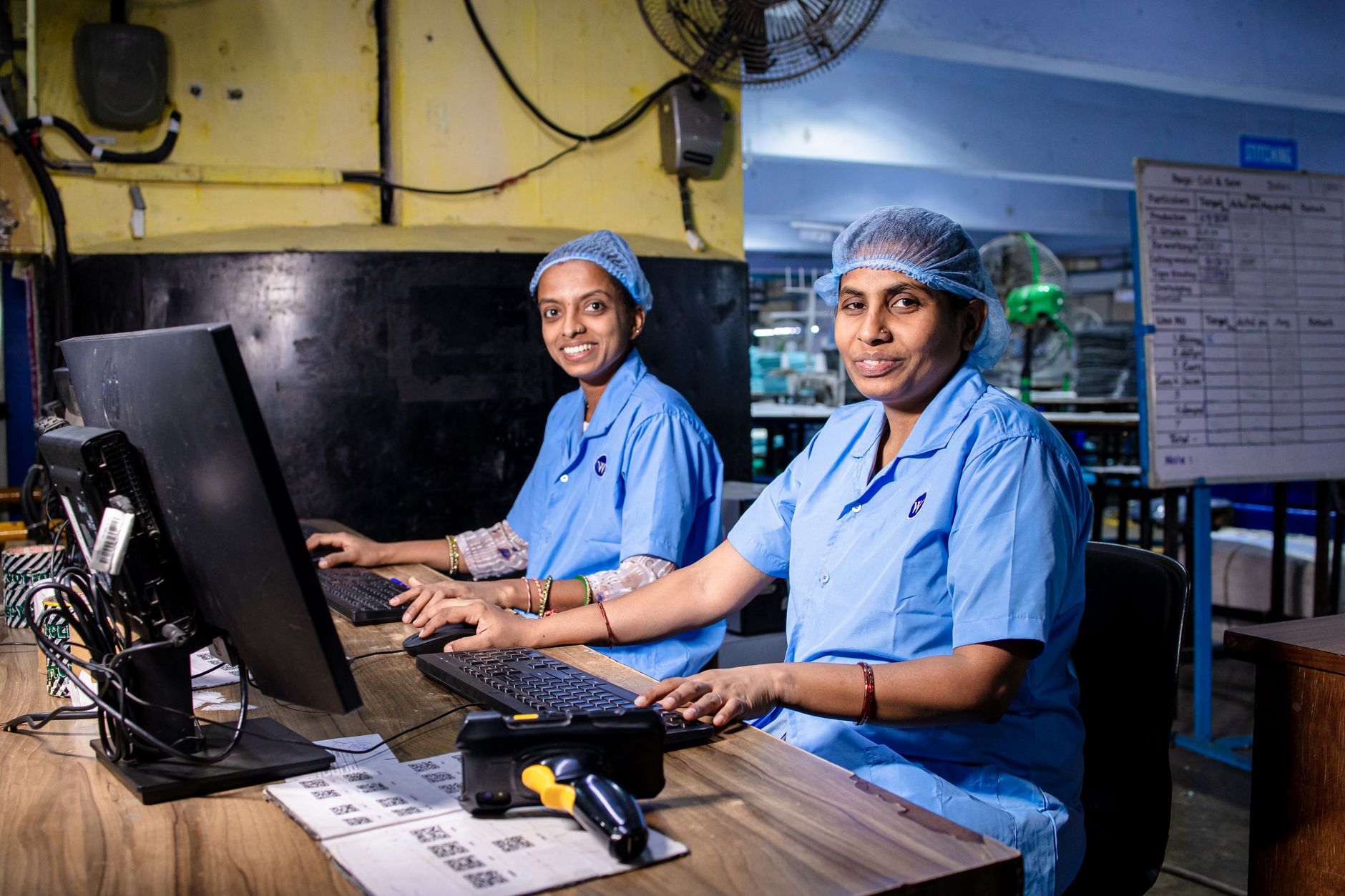
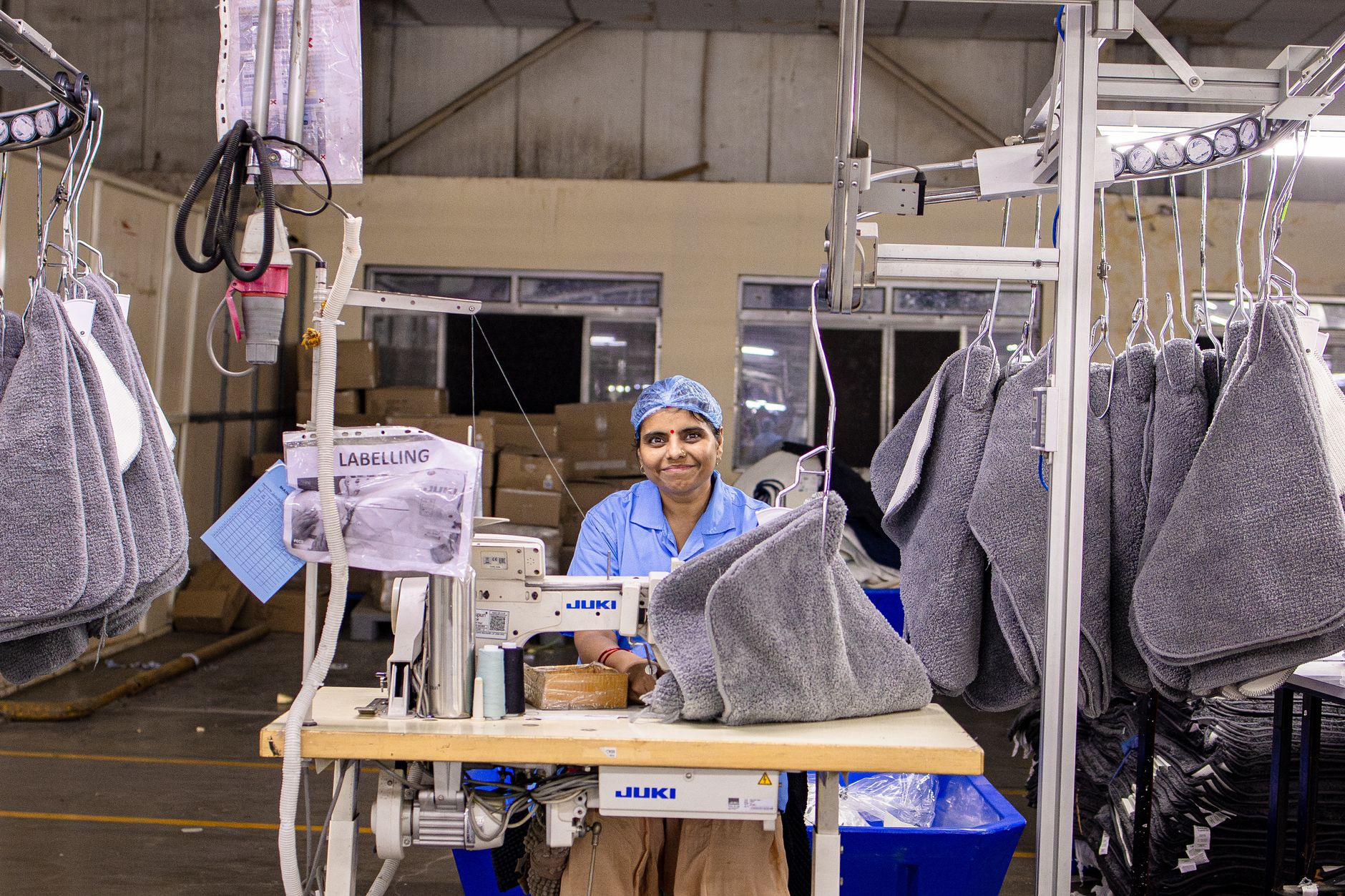
The robot does not replace the crew. It takes the repeated transport so the crane operator, the forklift driver and the material handler can stay on the work only they can do. The people who know the core, the coil, the tank and the test sequence still choose the load, the route and the order.
Plan for a robot plus a smaller team, not for zero staff. One common way to start is to keep the existing crew, train one person to supervise the route, and name a maintenance contact who can clear faults. The robot takes the moves, and the people handle the exceptions, the lifts and the decisions.
Give the operators time to shadow the route before go-live. The friction at this stage is usually practical: material staged where the robot cannot reach it, or a cart left across a marked path. Walk those habits with the crew early, and the first weeks run smoother.
Labor planning matters too. According to a jobs site citing BLS projections, employment of industrial truck and tractor operators is projected to grow 1.1% from 2024 to 2034. That is slow growth, so a plant should not count on new forklift hires to absorb a rising move count.
What drives the savings, and how do you measure them?
The savings come from hours that crane and forklift crews no longer spend on repeated transport, and from the waiting time that stops building up at upstream stations. We did not find published, independent measurements of hours saved by mobile robots moving cores or coils, so this page gives no hour range. Vendor claims in this area were not independently verified.
Measure your own baseline. Count the moves per shift, the distance between stations, the minutes each move takes and the minutes a station waits for material. Those four counts are what the site assessment works from, and the payment comes in the quote after that free assessment.
Fewer shared aisles also lower the number of moments when a heavy load and a person are close together. That benefit is harder to put a number on, but it belongs in the case you bring to your own team.
What can the robot not do?
It cannot do the lifting. A mobile robot carries a load on its platform, so it does not replace the crane for setting an active part into a tank or for lifting a finished unit. Those lifts stay with the crane crew, and the robot's job is to bring the load to the right spot.
It cannot carry loads beyond its rated capacity, and the heaviest core or tank section sets that requirement. Uneven or sloped floor sections, doors that have not been set up for the route and aisles blocked by staged material also stop it. Changes to a route need a trained person and a site review.
It cannot make decisions about the transformer. Fault sorting, quality checks and the choice of which unit goes next remain human jobs. A robot can run its route well and still depend on the plant's people to decide what the route carries.
How do you get started?

A site assessment is the right first step for autonomous mobile robots for transformer manufacturing plants. We walk the floor, map the candidate routes, check the floors, doors and charging spots, weigh the heaviest loads and time the moves you already make. The assessment is free.
We lease robots through financing, and the payment comes in a quote after the site assessment, so the terms reflect your real route and loads. We deploy and integrate the robot, train your staff, support the go-live and service the unit nationwide. You work with one partner for the whole job.
Start with one leased unit on the route that hurts most. A phased deployment lets the crane and forklift crews keep running while the new route is proven, and the plant adds units only when its own measured moves justify them.
Frequently asked questions
Want a warehouse robot at your transformer manufacturing plant?
Tell us about your site. We will recommend the robot, quote the lease, and keep it serviced.
Sources
- pv magazine USA, US transformer lead times May 2026
- Power Magazine, transformer shortage outlook 2026
- Industry Today, NEMA transformer workforce estimates
- T&D World, transformer shortage report
- Energy supply chain analysis, Pulse
- Transformers Magazine, automatic core manufacturing
- BLS OEWS, industrial truck and tractor operators May 2023
- Jobs site citing BLS projections, industrial truck and tractor operators