
Key takeaways
- Cobots take repetitive counting, packing and machine tending off skilled operators on high-volume fastener lines.
- One operator can keep several machines running when a cobot handles loading and unloading at the tending cell.
- Operators move toward setup, inspection and changeovers instead of standing at one station all shift.
- Savings come from hours returned to the line, measured on your own cycle times rather than a generic promise.
- A free site assessment comes before any lease quote, so the fit is checked on your floor first.
How can cobots for fastener manufacturers help a high-volume line?
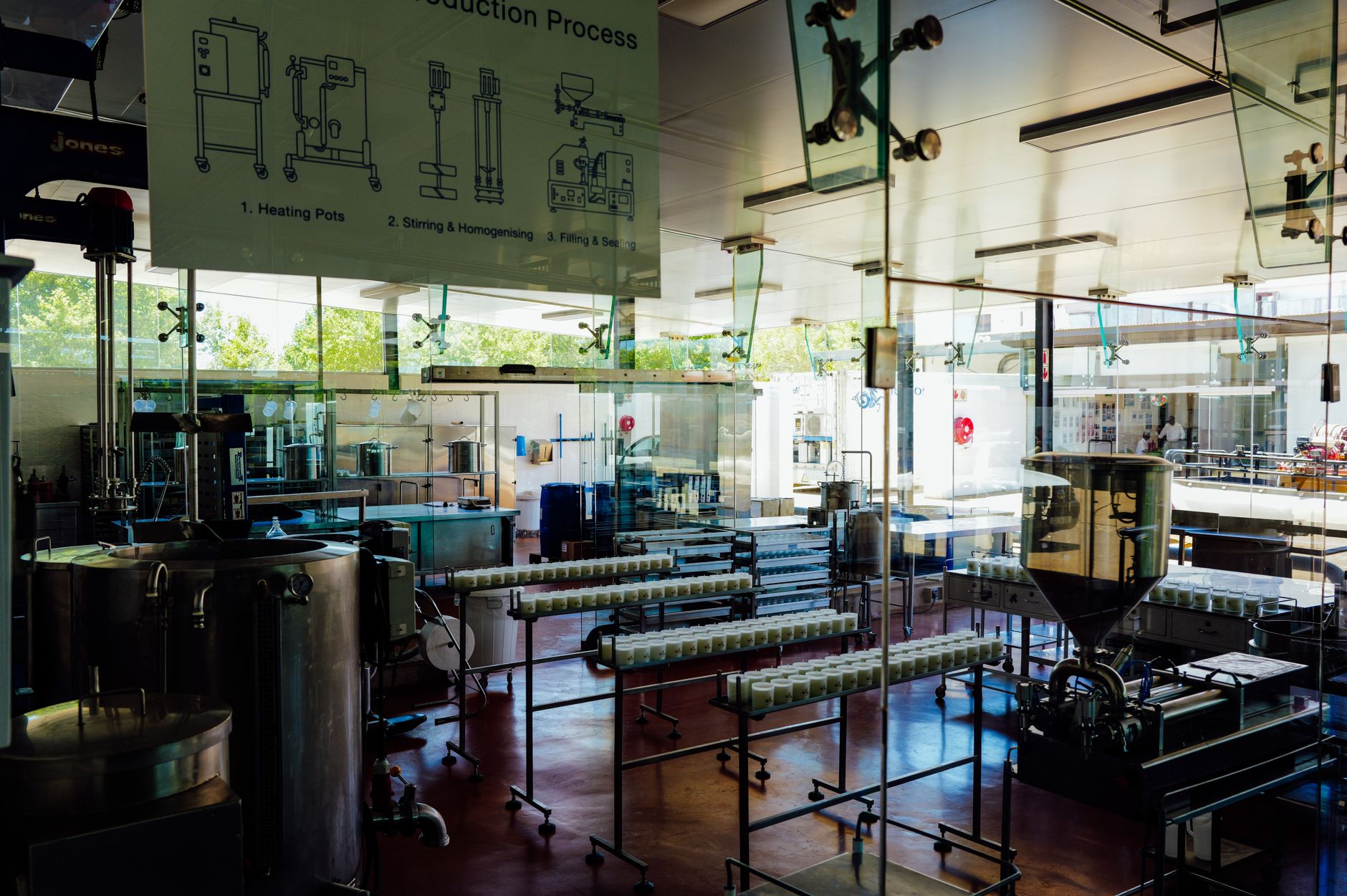
Cobots for fastener manufacturers do most of their work at the edges of the line. A collaborative robot arm stands at a packing station, a counting table or a machine tending cell and takes over the repetitive handling that keeps a skilled operator tied to one spot. The operator stays on the floor, watching the process and catching defects, while the arm loads blanks, moves finished parts into trays and keeps count.
The case is strongest where one handling step repeats thousands of times per shift. Fasteners move fast through forming, threading, plating and packing, and the bottleneck is often not the press but the person who has to feed, count and box what comes off it. A cobot is built to share a workspace with people, so it can often sit beside an existing station rather than in a separate cell, subject to a site risk assessment.
The trend is real. According to the International Federation of Robotics, cobots made up about 11% of industrial robot installations in 2025, about 66,000 units out of 603,000 total installations. The useful question for your plant is narrower: which stations repeat enough to justify a robot, and which ones should stay with people.
What slows down fastener plants on high-volume lines today?
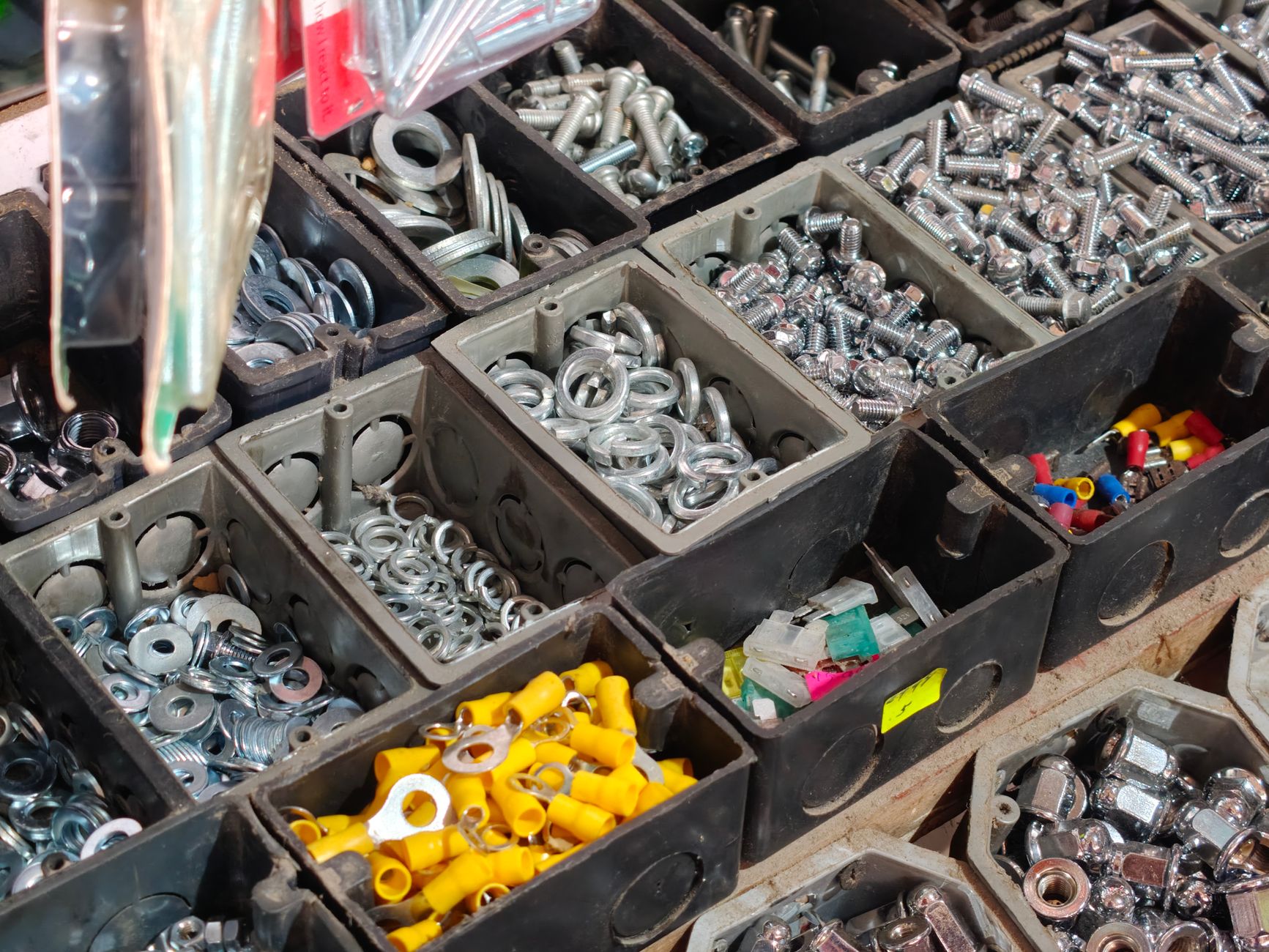
Most fastener plants run lean crews on a lot of small, repeated tasks. A third-party industry database lists 87 firms, 94 establishments and 3,678 employees in NAICS 339993, which covers fastener, button, needle and pin manufacturing. The listing does not state a year, so read those counts as a sizing check rather than a dated census.
On a high-volume line the shift is made of short jobs. An operator counts parts into bags or trays, feeds blanks into a machine, clears a jam, pulls a sample, then boxes and labels the result. Each step is brief, but together they hold a skilled person at one station for much of the shift. A slow count or a late tray can hold up the whole run, and the person who could fix the real problem is often the one stuck counting.
Labor is the pressure point. Employment in screw, nut and bolt manufacturing grew 3.8% on average over the five years between 2021 and 2026, according to an industry research report. Growth like that means plants compete for the same skilled people, so every hour an experienced operator spends on counting is an hour not spent on setup, inspection or changeovers.
What are the main benefits of cobots in a fastener plant?

The first benefit is operator time. When a cobot handles loading and packing, one operator can watch more than one station. In a vendor-reported case at a Swedish machine shop, one operator could keep three to four machines running once the cobot took over tending, and the project saved about 500 hours on a 150,000-part production run.
The second benefit is steadiness. A robot places and counts the same way on the last part of a long shift as on the first, so the packing line does not lose accuracy as the operator tires. Your own count records will show how much that matters on your parts, and we track those records during the pilot rather than assume them.
The third benefit is that people move up. In a vendor-reported case at an assembly and packaging operation, the case reported a 30% efficiency increase, less than 12 months ROI, and employees reassigned to higher-value work. A fastener plant will see its own mix of results, but the pattern holds: the operator spends the freed hours on setup, inspection and changeovers that a person has to handle.
How does the robot work at a fastener plant day to day?
A cobot on a fastener line runs a fixed routine. It picks from a feed or tray, places or counts the parts, loads them into a box or onto a fixture, then returns for the next part. The operator sets the recipe, swaps trays, refills the feed and handles any exception. The arm moves only parts that have already passed the step the operator approved.
The shift has a rhythm. Setup and recipe checks happen before the first run, then the cobot handles the repeated work while the operator watches the cells and pulls samples. Mid-shift the operator restocks material and clears stoppages, and at shift end the counts are reconciled against the paperwork. The sampling schedule stays with the operator and is written into the recipe notes. The shift below shows one typical pattern.
Expect the first weeks to be a tuning period. Feed timing, part orientation and grip settings are adjusted on your parts, and some stoppages are normal until the recipe settles. We stay on site through go live support so the operators learn each adjustment as it happens.
Which areas of a fastener plant can the robot cover?
The robot earns its place where handling repeats. The zones below show six areas, each with a distinct job. Coverage depends on your floor, part sizes and cell layout, so treat the list as a starting point rather than a fixed scope.
The stations that matter most are the ones where a skilled person does the same handling again and again. A machine feeding station, a packing station at the end of a run and a counting table all share that pattern. During the site assessment we mark these stations with your own cycle times, not with a generic plan for the category.
Cobots for fastener manufacturers also reach into staging. A robot can move containers from the packing step to pallet staging, which keeps the outfeed clear and frees an operator for the tasks that need judgment. Every zone is checked for safety and reach before it goes on the plan.
How does the robot work alongside existing staff?
A cobot for fastener manufacturers is a teammate, not a replacement for the team. A typical deployment keeps the operator, the setup person and the quality check in place, with the robot taking the repeated handling. We do not plan around zero staff, because the plant still needs people for changeovers, material, maintenance and exceptions.
Machine tending shows the pattern. In one vendor-reported broach machining case, the operator moved from full-time tending to periodic check-ins, staging parts and starting the system. That case gave no hours figure, but the shape of the work changed: one person checks more stations from one spot.
Training decides how well the team adapts. Operators learn to load recipes, read stop codes, clear a fault and call for service. Staff who understand the cell tend to trust it, and that trust keeps the line running through shifts when the schedule is tight.
What drives the savings, and in what ranges?
The savings come from hours. The clearest figures we found are from vendor-reported cases, so read them as what one plant achieved, not a forecast for yours. At a Swedish machine shop, one operator kept three to four machines running and the project saved about 500 hours on a 150,000-part run, with payback expected in nine months.
Hours on your line add up in a predictable way. Start with the seconds an operator spends on each repeated task, multiply by the cycles in a shift, then by the shifts in a week. The result is the hours you could return to setup and inspection, and the cobot's share is the part of that time it takes over.
We build that model with your cycle times during the site assessment, so the savings case uses your numbers rather than a generic range. Labor is the input that drives it, and we express it in hours, because your schedules and staffing rules are yours to share with us. A range from one plant is a starting point, and your own run sets the real figure.
What can a cobot not do in a fastener plant?
A cobot does not run the whole line. It does not set up a new part, decide on its own why a batch came out wrong, fix a jammed press or judge every thread. Compared with a large industrial arm, a cobot carries less payload and works at lower speed, so heavy parts and very fast cycles may not suit it.
Cobots also depend on the cell. Part variety, fixture design and feed reliability decide if a cobot runs a full shift. A line that changes part shape several times a day needs a changeover plan, and some stoppages are normal in the first weeks while the recipe is tuned and an operator learns to clear them.
Being direct about limits is part of the fit. Some high-volume cells are better served by a fixed automation line, and we say so in the assessment when that is the case, rather than sell a robot that will not carry the work.
How do you get started with a cobot lease?
Start with a free site assessment. We walk the line, record cycle times and handling steps, check part sizes and feed methods, and look for the stations where a cobot fits. The assessment covers layout and safety too, and you get a written recommendation before any commitment.
Robots are leased through financing, and the payment comes in the quote after the site assessment, so the figure reflects your floor and your run. Lease financing programs cover the robot, deployment and integration, staff training and nationwide service. Deployment is phased so the line keeps running, and go live support stays on site until the operators are confident.
We are a US commercial robot integrator. We pick the robot for the site, lease it, deploy and integrate it, train the staff and service it nationwide. A common first step is one leased cobot at one station, with a second added once the numbers from the first are in hand.
Frequently asked questions
Want a cobot at your fastener manufacturer?
Tell us about your site. We will recommend the robot, quote the lease, and keep it serviced.
Sources
- International Federation of Robotics, President's report (2026)
- Vendor-reported case study, Swedish machine shop
- Vendor-reported case study, assembly and packaging
- Vendor-reported case study, broach machining
- Third-party industry database, NAICS 339993
- Industry research report, screw, nut and bolt manufacturing