
Key takeaways
- A cobot takes the repetitive stacking and boxing that wears on packing crews at the end of the line.
- Most mattress plants gain first at one station, not across the whole plant.
- Workers move to inspection and exception handling while the cell handles the lift.
- Savings depend on your own hours and lift counts, measured during a free site assessment.
- The robot is leased through financing, and the payment comes in the quote.
How can cobots for mattress factories help?
Cobots for mattress factories earn their place at the packing end of the line. Finished mattresses, foam pieces and spring units are bulky, and a person who stacks and boxes them all shift repeats the same lift, turn and reach thousands of times. A collaborative robot arm set up at a workstation beside your crew takes over the repetitive part of that handling, so the line keeps a steadier pace and people move toward inspection, bagging exceptions and quality checks.
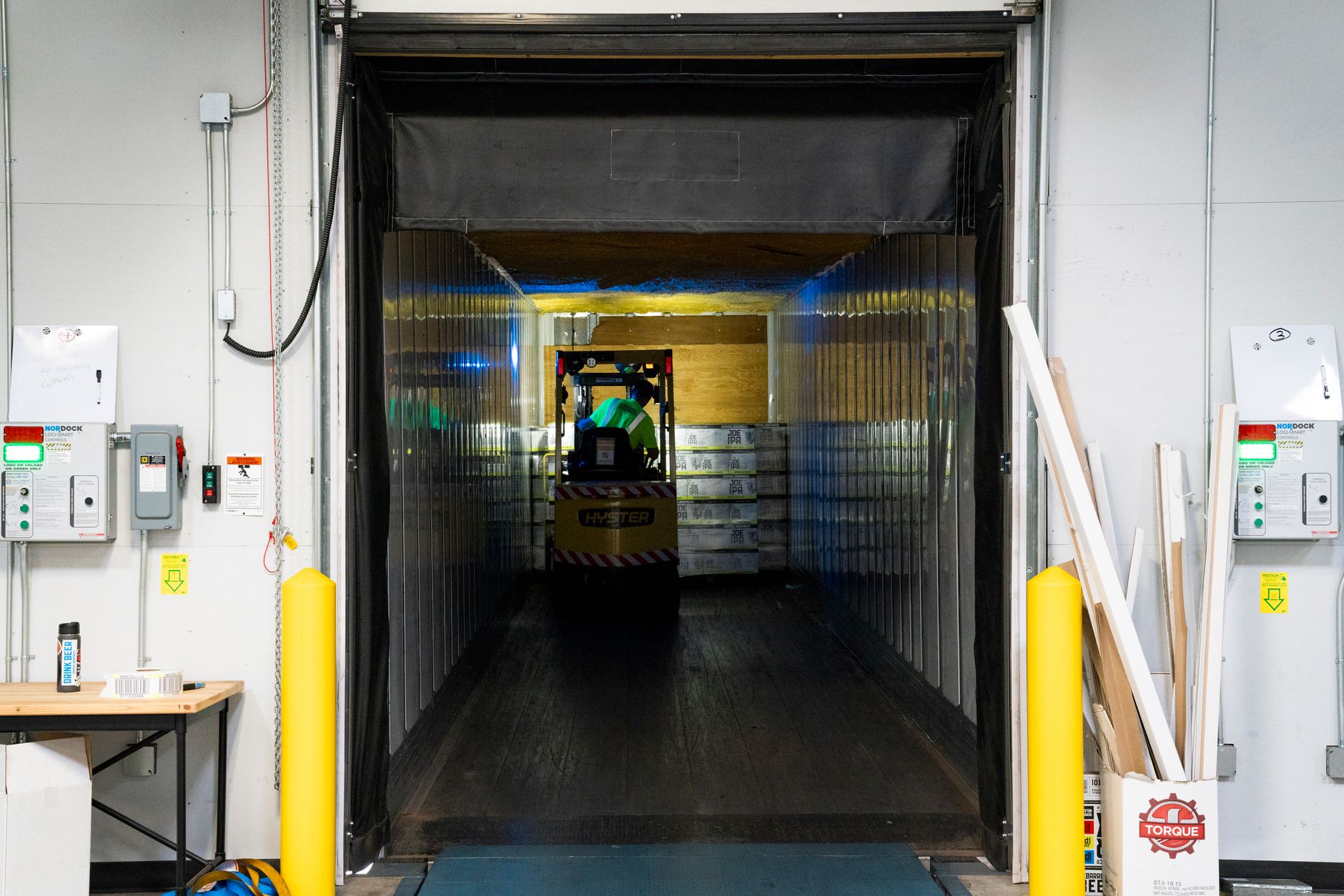
A cobot does not replace the packing crew. It takes the most physical repetition at one station, usually stacking or boxing, which often sets the pace for everything upstream. Plants that start with this work usually see the first gains at the handoff point, not in a fully automated line.
The injury record explains why this station deserves a close look. According to the Bureau of Labor Statistics, most sprains, strains and tears from overexertion resulted from lifting. Packing is lifting repeated all shift, which is the motion a cobot can carry for the worker.
What problem does this create at mattress plants today?
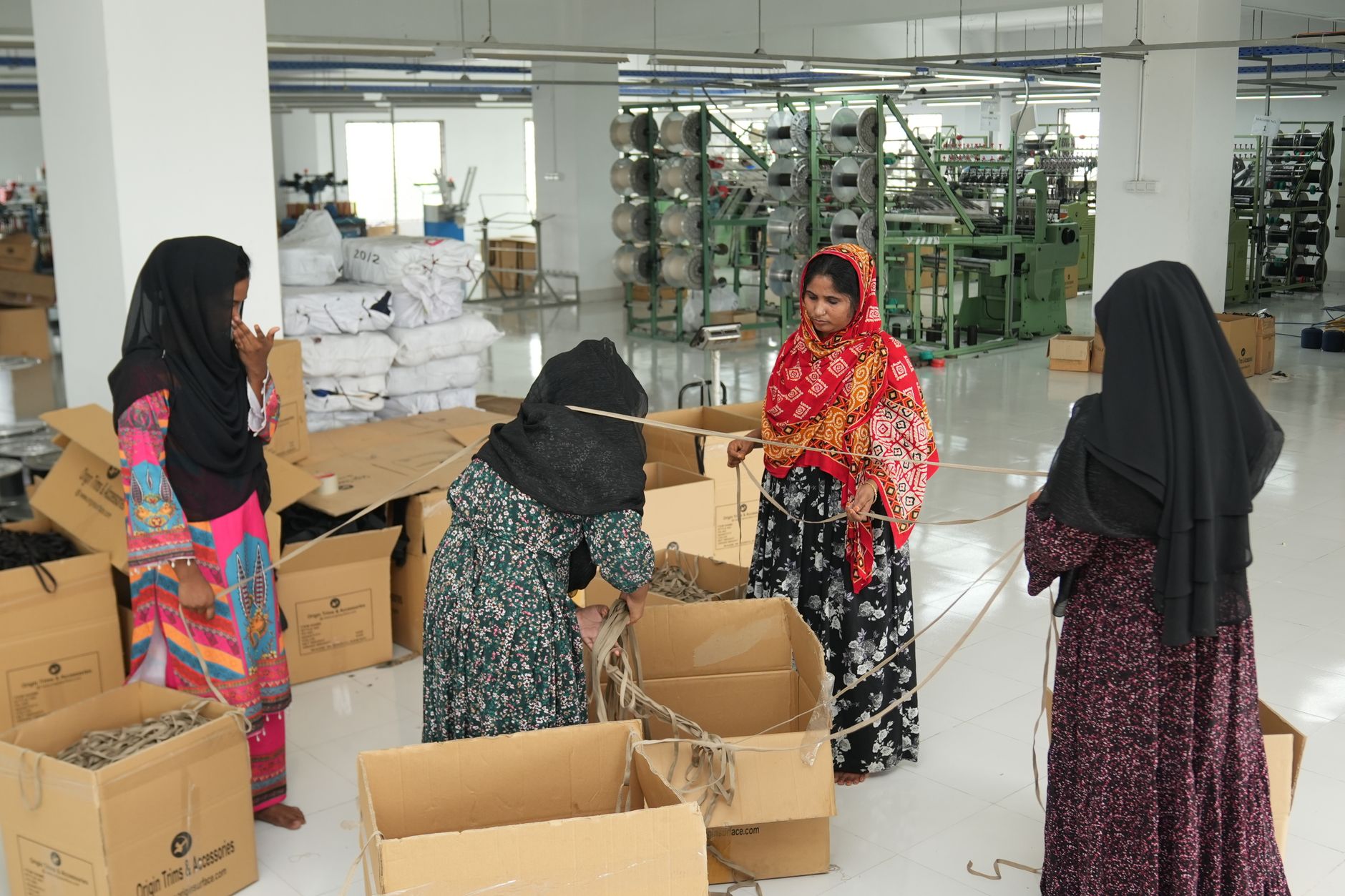
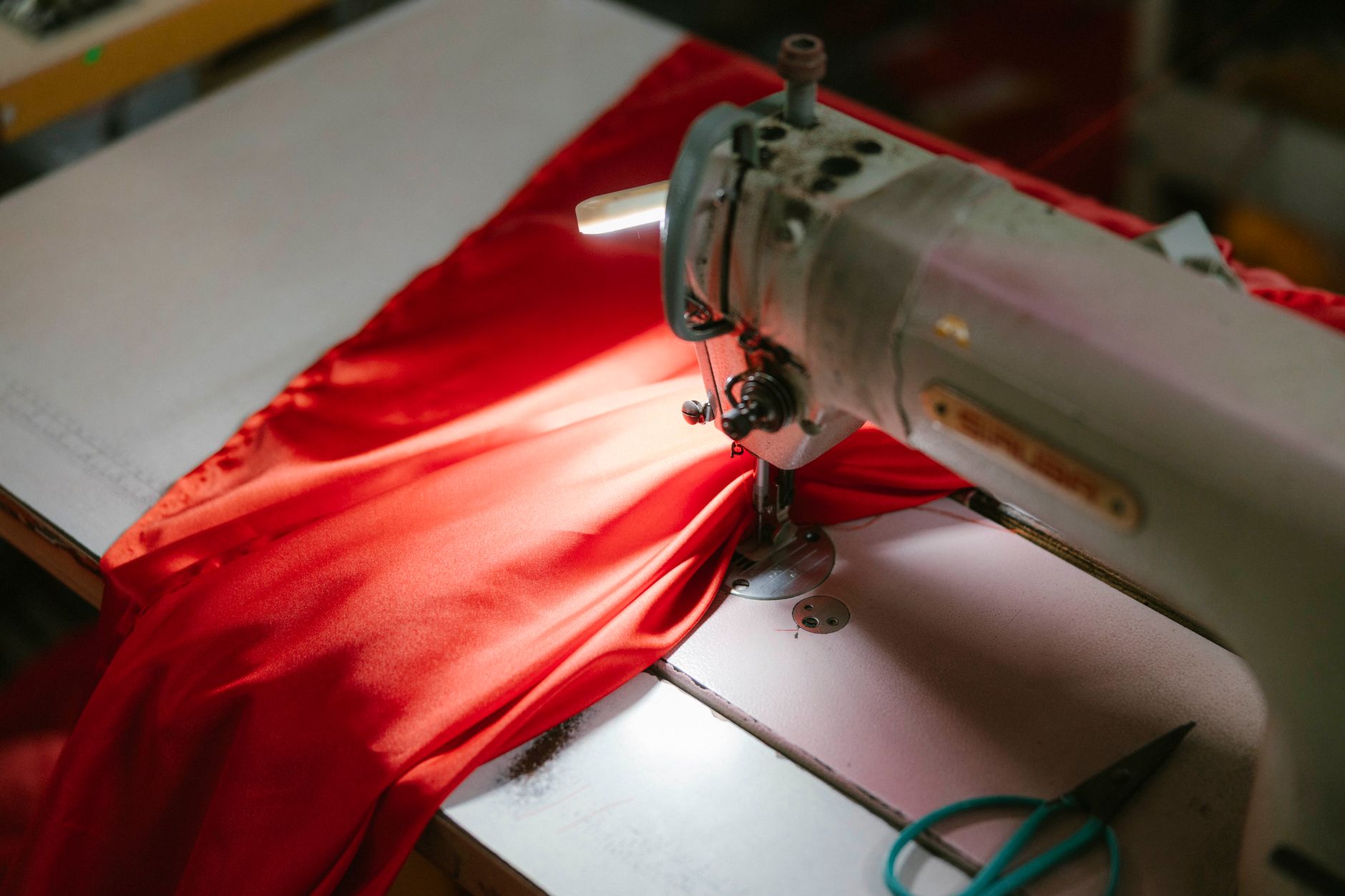
A mattress plant is a chain of heavy handoffs. Foam is cut and moved, spring units are assembled, covers are sewn and quilted, and then each finished unit has to be stacked, wrapped or boxed and moved to a pallet. The last handoffs tend to be the most physical, because they come after the product is complete and the pace is set by how quickly someone can lift and place it.
The industry is small and specialized. The North American Industry Classification System, code 337910, covers innerspring, box spring and noninnerspring mattress manufacturing. According to Vanta Insights, which reproduces Census County Business Patterns data for 2023, that industry had 385 establishments and 22,226 employees.
The handling work itself is common across the economy. According to the Bureau of Labor Statistics, about 645,000 people worked as hand packers and packagers nationally in May 2023, across all industries. That figure does not describe mattress plants alone, but it shows how many workers do this kind of physical handling, and why a packing station is worth designing around people as well as product.
What are the main benefits of cobots in a mattress plant?
The first benefit is fewer repeated lifts per shift at the station where the crew works hardest. A cobot picks from a conveyor or staging table, places the unit into a box or onto a stack, and returns for the next one without a break. The workers stay in the cell to load, check and manage exceptions, which keeps them close to the product.
The second is pace. A packing station that runs only as fast as its slowest lift can become the bottleneck for cutting and sewing upstream. When the cell holds a steady cycle, the rest of the line can be balanced around it, and the crew knows what the station will do on a given shift.
The third is consistency. Stack heights and box placement come out the same from unit to unit, which makes pallets easier to build and easier to load at the dock. Consistent output also gives your quality lead a cleaner signal when something drifts.
Adoption across industry is growing. According to the International Federation of Robotics, preliminary data for 2025 show 66,000 new collaborative robot installations, which the federation reports as 11% of all industrial robot installations. In its earlier summary, the federation put the 2023 cobot share at 10.5% of industrial robots installed worldwide.
How does the robot work at the packing station day to day?
A typical cell has a robot arm fixed to a bench or floor frame, a gripper sized for the product, a sensor that confirms each pick, and a simple screen for the operator. Product arrives on a conveyor or from a staging table. The arm picks the unit, places it in the pattern set for that order, and signals the next cycle.
Changing to a different product should be a recipe change on the screen, not a rebuild of the cell. Your integrator confirms that during setup, along with the gripper and pattern for each product family you run.
The operator stays at the cell. The job shifts from lifting to watching the sensor and screen, clearing a jam, tucking loose cover material, and pulling any unit that fails inspection. A line lead decides which units the cell handles and which go to hand packing on a given shift.
Which areas of the plant can the cobot cover?
A cobot earns its keep wherever a person repeats the same lift and place at a fixed spot. In a mattress plant that is rarely one big floor. It is several stations along the flow, and each one has its own product, pace and layout. The areas below are where this kind of handling usually happens, and the site assessment decides which ones fit your floor and product mix.
Most plants start with one station rather than the whole flow. A first cell in one area lets the crew learn the equipment, and it keeps the first project small enough to measure before anything else changes.
How does the robot work alongside existing staff?
The robot is a teammate at the station, not a replacement for the team. A typical arrangement is a robot cell with a smaller team around it: an operator who feeds and watches the cell, a second person who inspects and handles exceptions, and a lead who keeps the line balanced. The change is in the kind of work each person does, not in whether the line has people on it.
Training matters as much as the arm. Operators need to learn the screen, the stop controls, the reset steps, and the signs that a pick is about to fail. Training happens on site, so the people who run the cell can clear small problems without waiting for a call.
What drives the savings, and how do you measure them?
Savings come from a few measurable drivers: hours spent on manual stacking and boxing each shift, overtime used to cover that station, lost-time injury cases tied to lifting, and how often the line stops because packing falls behind. Each can be counted before the robot arrives, and that count is the baseline for any return you expect.
The injury side is large nationally. According to the National Safety Council, summarizing Bureau of Labor Statistics data for 2023 to 2024, overexertion remains the leading cause of serious nonfatal injuries, with nearly 1 million days away from work, job restriction or transfer cases. That is why a packing station with heavy lifting deserves careful measurement.
Public data does not give a mattress-specific figure for hours per shift on stacking or boxing, so we do not publish a savings range for this work. The site assessment builds the hours and lift counts from your own station data. The number that matters comes from your plant, not from a national average.
What can a cobot not do?
A cobot has a payload and a reach, and product outside those limits stays with people or moves to a different machine. Very large or heavy units, awkward shapes, and loose covers that bunch or fold unpredictably can need a different gripper, extra sensing or hand work. Those limits are checked during the site assessment, not discovered after installation.
A cobot is also not a line redesign. If the cell is fed too slowly, or product piles up before it reaches the station, one arm will not fix the flow. The robot also does not make judgment calls about defects, which stay with the inspection step. For a high-volume line, one station is often the start of a longer plan rather than a complete fix.
How do you get started with a cobot?
Start with a free site assessment. We look at the packing end of your line, the product mix, the layout, the cycle your crew runs today, and where lifting costs the most time or strain. From that we recommend the robot that fits the work and the floor, and we say plainly what it cannot handle.
The robot is leased through financing, and the payment comes in the quote after the site assessment. We handle deployment and integration, including site mapping, go live support and training for the staff. Once the cell runs, we service the robot nationwide, so a plant in any state gets the same support path.
Many operators begin with one station and one leased unit, measure the change over a run of shifts, and decide from there. That keeps the first step small and the numbers honest.

Frequently asked questions
Want a cobot at your mattress factory?
Tell us about your site. We will recommend the robot, quote the lease, and keep it serviced.
Sources
- Bureau of Labor Statistics, Occupational Employment and Wage Statistics, May 2023 (Packers and Packagers, Hand)
- Vanta Insights, NAICS 337910 Mattress Manufacturing (citing Census County Business Patterns 2023)
- NAICS List, NAICS 337910
- International Federation of Robotics, President's report, early 2026
- National Safety Council, summary of BLS workplace injury data 2023 to 2024
- Bureau of Labor Statistics, Monthly Labor Review, Putting a strain on workers' health