
Key takeaways
- A delivery robot carries concession orders from the counter to auditorium doors while counter staff keep the line moving.
- Peak showtimes are where the trip to the door causes the most delay, so that is where the fit is strongest.
- The robot works beside a smaller team, never in place of all staff.
- Savings depend on the hours your own team spends on concession trips, which a free site assessment measures.
- The robot is leased through financing, and the payment comes in a quote after the site assessment.
See what a delivery robot costsRun the numbers in the ROI calculator
How can delivery robots for movie theaters help at peak showtimes?
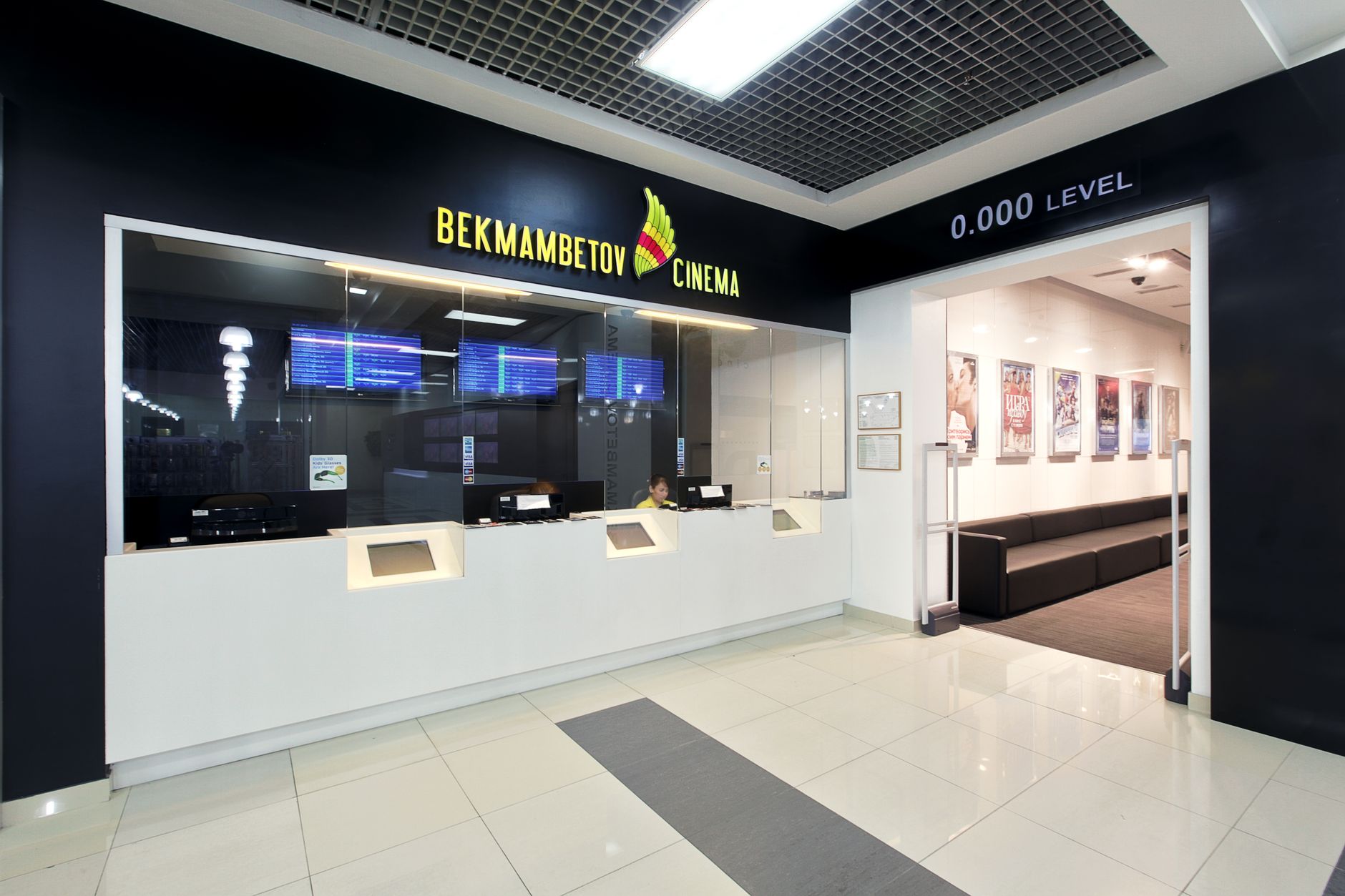
Delivery robots for movie theaters take over the walk between the concession counter and the auditorium doors. At a busy showtime, the few people on the stand have to ring up orders, make drinks and then carry trays down a hallway before the film starts. A robot can carry those orders to the door while the staff member stays at the counter, where the next guest is already waiting.
The fit is strongest where the trip is the bottleneck. People still make the popcorn, pour the drinks and take payment, but the robot removes the part of the job that pulls the counter team away from the line. For the person running the building, the real question is whether your hallway layout, your showtimes and your staffing turn that trip into a delay.
This page covers how the work runs day to day, which areas the robot serves, how it works beside your team, what drives the savings and what it cannot do. We are a US commercial robot integrator, so the advice comes from site work and deployments rather than from one product.
What does the concession problem look like at a movie theater today?
Most of the pressure on a concession stand comes in the minutes before a film starts. Guests arrive in a rush, orders stack up, and the counter staff are also the people who fill cups and carry trays to the auditoriums. Every trip down the hall means one fewer person at the register, and the line keeps growing while the trip is underway.
Staffing makes the squeeze harder. A 2022 business press article reported that a tight labor market made it harder for some theaters to staff concession stands. When the stand is short-handed, each trip to a hallway takes more from the counter than it would with a full crew.
The sector is large enough that many operators face this at once. According to March 2025 news coverage of the national cinema trade association's rebrand, US movie screens number more than 32,000. The trade association's own 2025 release describes its membership as 31,000 movie screens across all 50 US states and Canada, with more than 30,000 more in 80 countries. That is a membership figure, not a count of US screens alone. An industry count for 2025 lists 2,004 movie theater businesses in the US, while a 2017 count of active US cinema sites reported 5,747. These figures measure different things, so they show scale rather than how many of your own showtimes run long.
What are the main benefits for a theater?
The most direct benefit is that counter staff stay on the counter. When the order leaves with the robot, the person who took payment can take the next guest in line instead of walking the hall. The line keeps moving through the busiest minutes, which is when a slow stand frustrates the most guests.
- Counter staff stay at the register during peak showtimes.
- Orders reach auditorium doors on a steady schedule, not when someone happens to be free.
- Staff spend less of each film in hallways and more of it at the stand.
- If the ordering system logs times, you can see which showtimes need the most help and plan staffing around them.
How does the robot work day to day?
A staff member loads the order at the counter and sends the robot to the chosen auditorium. The robot follows its mapped route down the hall and stops at the door. A staff member or a guest holding the order details receives it there, and the robot returns to the stand for the next trip.
A university student prototype shows how small the physical job is. Its design had a cylindrical body with two shelf levels, each holding four orders, and orders were placed through a mobile app. That project was a concept built to remove the concession line, not a product deployed in a theater, but it makes the point that a robot can carry a handful of orders on each trip.
In a real deployment, capacity, route length, door handling and the handoff point are set for your building during the site assessment. The robot does not replace the counter, and the team still makes, checks and sorts every order before it leaves the stand.
Which areas of the theater does the robot work in?
The robot works in the stretch between the concession stand and the auditoriums, along with the areas that connect them. The route in your building depends on how far the trip is, how many doors it reaches and whether the building has more than one level. The areas below are the ones we look at first.
Each area has its own limits. A lobby with a crowd needs a clear path that does not block guests, a long corridor needs a route that avoids people walking the other way, and a multilevel building needs a plan for a lift. The route is planned for each area, not for the lobby alone.
How does the robot work alongside the existing staff?
The robot does not replace the team. It moves orders, and people still take payment, make drinks, check each order and help guests who need it. A theater with a robot still runs a smaller team, with the robot covering the trip and staff covering everything else.
The day-to-day split matters. Someone loads the robot, someone receives the order at the door, and someone watches the route, clears a blockage and resets the robot after a delivery. Those tasks take staff time, so the planning has to include them from the start.
The team gets training on loading, the route, the door handoff and what to do when something goes wrong. Our integration work includes that training, so the people on shift know the robot before the first busy weekend.
What drives the savings?

The savings come from hours. The main drivers are the number of concession trips at each busy showtime, how long each trip takes, how many people are pulled from the counter, and how hard it is to fill the shifts that cover the stand. A site assessment measures those inputs for your building.
We did not find verified hours figures for concession runs in the research behind this page, so we do not offer a range for theaters in general. An estimate built on someone else's building would not be fair to yours. The quote is built from your showtimes, your layout and your staffing, after a free site assessment.
Savings are not promised. They depend on how often the robot runs, how well the route fits the building and how the team uses the time it gets back. The lease payment comes in the quote, so you can set it against the hours you expect to free up.
What can the robot not do?
The robot cannot make the drink, fill the cup or take a payment. It cannot fix a short-staffed stand, and it does not clear a crowd from a hallway. A robot covers one part of the job, and a stand with too few people will still run slow at the register.
In our research, we did not find a major chain confirmed to run robots that enter auditoriums to reach seats. Some vendor material and a trade item describe auditorium delivery, but the vendor material is marketing and the trade item names no operator, so we treat both as unverified. Plan on the robot stopping at the door.
Expect a learning period. The route, the handoff and the timing all need adjustment for your showtimes, and the first weeks show what the robot needs from the team and what the team needs from the robot.

How do we get started with delivery robots for movie theaters?
Start with a free site assessment. We walk the building, measure the hallways and doors, study your showtime schedule and map a route. From that, we recommend the right robot for your site and prepare the lease quote.
The robot is leased through financing, with no upfront capital. The payment comes in the quote that follows the site assessment, so you can compare it against the staffing hours you expect to free up. Many operators begin with a single leased unit as a pilot program and add units only if the busy showtimes show the need.
We handle the full job: picking the robot for the site, leasing it through financing, deploying and integrating it, training the staff and servicing it nationwide. Support continues after go live, so the team has one partner for the robot's life on site.
Frequently asked questions
Upcoming event venues & stadiums events
- Trade showBrats & RobotsNov 10, 2026Alliant Energy Center Exhibition Hall, Madison, WI
- MeetupMPI Virginia Morning Brew Meet-Up, November 2026Nov 10, 2026Hampton, VA
- SummitVA1 Governor's Tourism Summit 2026Nov 18 to 20, 2026Kalahari Resorts & Conventions, Spotsylvania, VA
- ConferenceVirginia Association of Fairs ConventionJan 14 to 17, 2027Williamsburg Lodge, Autograph Collection, Williamsburg, VA
Want a delivery robot at your movie theater?
Tell us about your site. We will recommend the robot, quote the lease, and keep it serviced.
Sources
- University engineering student project page on a concession delivery prototype
- Cinema trade association 2025 release on membership
- March 2025 news coverage of the cinema trade association rebrand
- Industry business count for US movie theaters, 2025
- Cinema site count by type for the US, 2017
- 2022 business press article on theater concession staffing
- Trade item on auditorium delivery (unverified, no operator named)