
Key takeaways
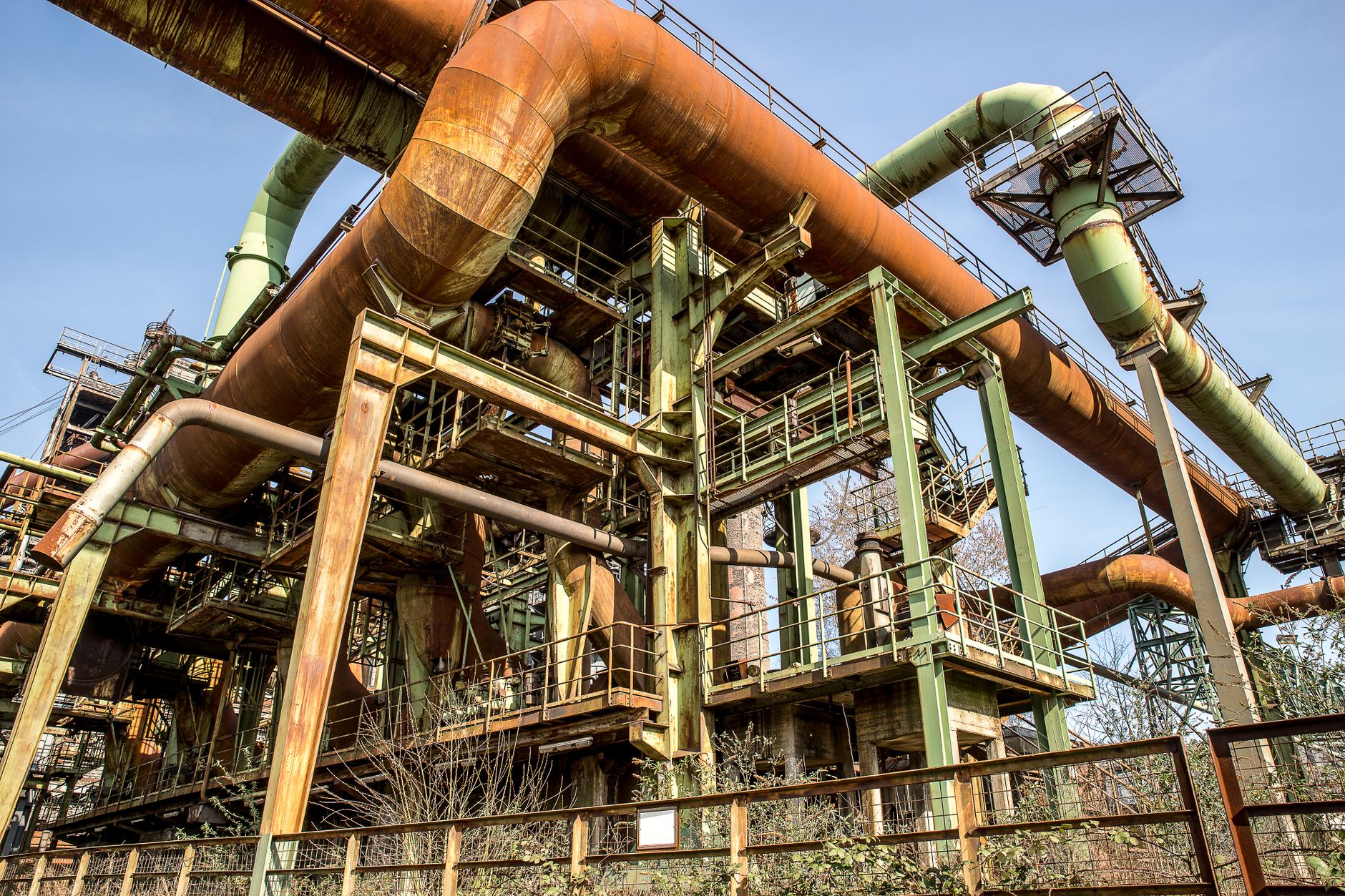
- Drones for chemical plants can survey flare stacks, pipe racks and tank roofs so crews climb only where a problem is confirmed.
- Vendor case studies report drone flare inspections of about one to two hours on the stacks they describe.
- Where site rules allow, a flare can keep burning during drone work.
- A drone works best as a drone plus a small trained team, with crews still doing the confirmed repairs.
- Start with a free site assessment, then get the lease quote and financing terms in writing.
How can drones for chemical plants reduce climbing?
Drones for chemical plants take over the looking part of routine inspection. A pilot flies the drone around a flare stack, along an overhead pipe rack or over a tank roof, and the inspector reviews the images and readings afterward. Crews go up only when the survey shows that something needs hands on work.
The main benefit is fewer hours at height on checks that mostly confirm nothing has changed. Many chemical plants have flare systems, pipe racks, vessel tops and tank roofs on a regular schedule, and each climb brings a permit, access equipment, fall protection and a second person on the ground. A drone survey covers the first look without anyone leaving the ground, so climbing is reserved for the items that need it.
Reported case studies also show survey times that are a fraction of traditional work. Those figures come from vendors, so the sections below quote each one with its source and explain what it does and does not show.
What makes routine checks at height a problem today?
Routine checks on flare systems, pipe racks and tank roofs send workers up structures that are tall, hot, cramped or hard to reach. Each trip needs planning, a work permit, fall protection and someone watching from below. Most of the time the climb confirms that nothing has changed since the last check.
Falls are a serious part of the risk. According to a workplace safety blog that summarizes federal data, 680 of 5,190 fatal workplace injuries in 2021 were associated with falls from height, about 13%. According to a safety compliance summary, the OSHA general industry fall protection threshold is four feet, and the structures on a chemical site sit well above that line.
A drone flight can do the first look from the ground, so the crew's climbs go to the items the survey has already flagged.
What are the main benefits for plant crews?
The first benefit is fewer people at height on routine work. The inspector sees flare tips, pipe supports, roof seams and tank shells before deciding whether a climb is needed. When the answer is no, the crew stays on the ground and moves on to other work.
The second benefit is consistent records. Drone imagery captures the same views each time, so the next inspection can be compared with the last one. A published case study of a pipe rack inspection at a pharmaceutical plant describes full coverage with no climbing risk to the crew.
The third benefit is less disruption to the process. A vendor case study on an in-service flare stack reports that the flare stayed lit during drone work, and a tall-stack service provider describes the same approach. In a petrochemical case described by an AI drone inspection guide, drone plus AI found 89 defects, against 82 found by the prior year's manual inspection. That is a defect count rather than a time saving, but it shows what a planned aerial survey can add to a manual pass.
How does a drone work at a chemical plant day to day?
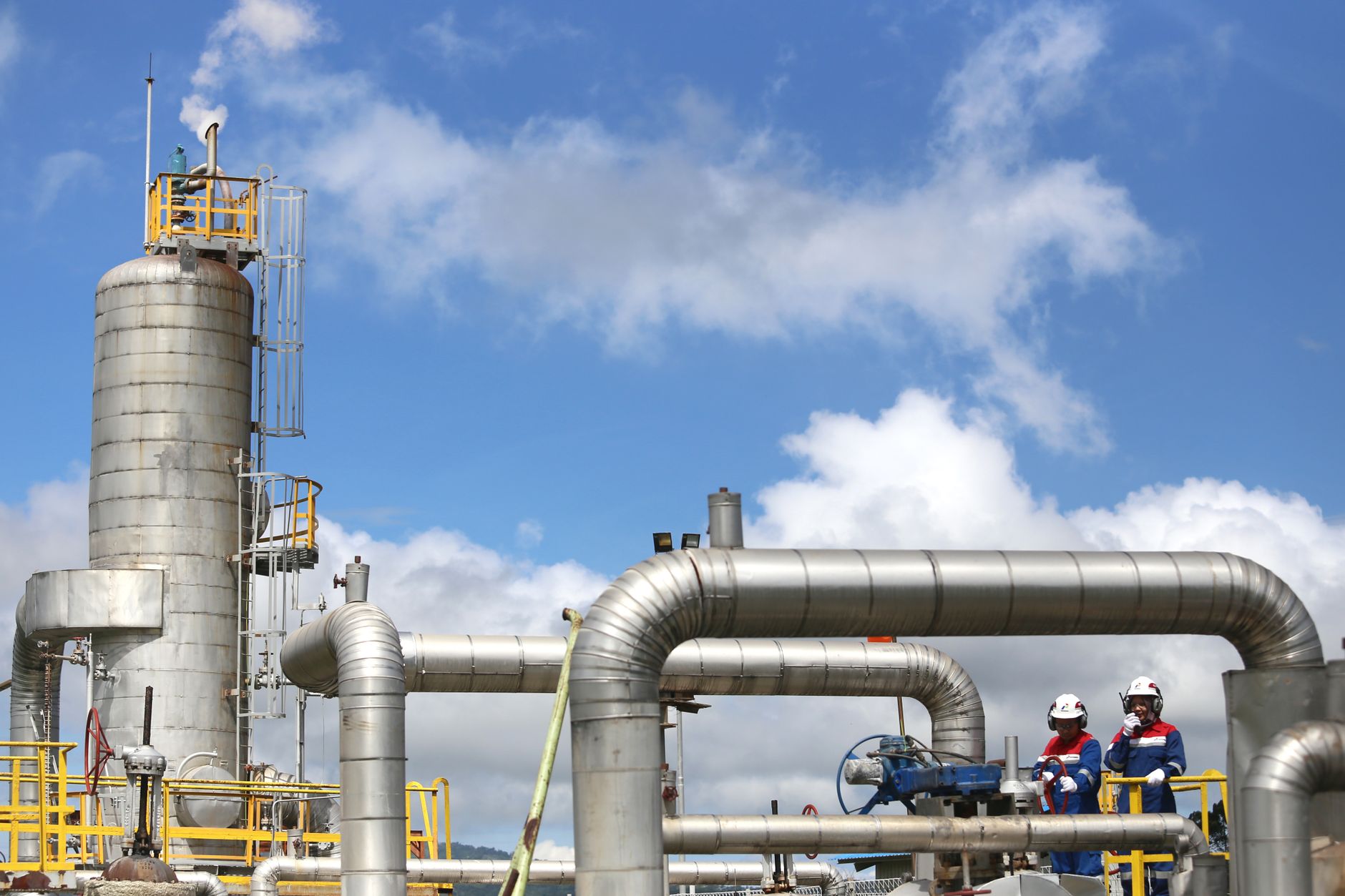
A job starts with paperwork, not flight. The inspection lead confirms the work permit, the flare and process status, the wind limits and which structures are off limits. The pilot then reviews the flight route with operations so that nobody is working under the flight path.
The flight itself is short and repeatable. The pilot follows a set route around the stack, rack or roof with a camera, or with a payload such as an ultrasonic thickness sensor for wall readings. A second person watches the aircraft from the ground and keeps it in sight at all times.
Afterward, the inspector reviews the imagery and readings and tags anything that needs a closer look. Only the tagged items go onto a crew's work order, and those climbs are planned around the findings instead of the calendar.
Which areas of a chemical plant does a drone cover?
Drones suit the tall, hard to reach structures that drive most routine climbs. The areas below are where a survey can replace a trip up, and the zones panel that follows shows how each one is worked.
Flare stacks are the clearest case. The reported time differences for tall stacks are the largest on this page, and the flare can keep burning during the work when the site allows it. Pipe racks come next, because a single rack can run a long way and one set of routes can cover its full length.
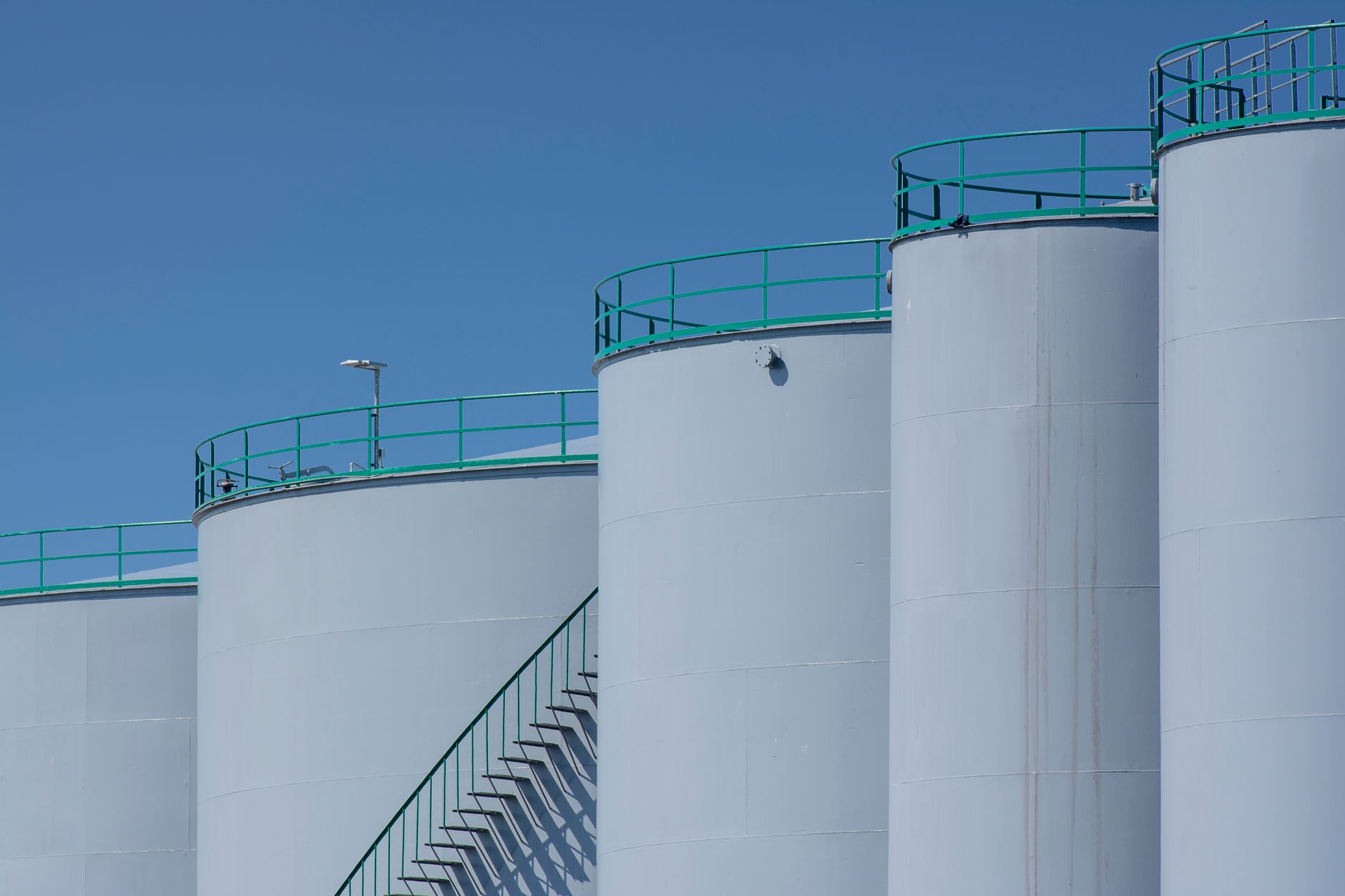
Tank roofs, vessel tops and cooling towers follow the same logic. Each has surfaces that take effort to reach, and each needs a routine look and a few readings more than a hands on climb. Perimeter fence lines and containment areas are also suited to aerial survey, since the route runs along the outside of the process units.
Can a drone work alongside the existing staff?
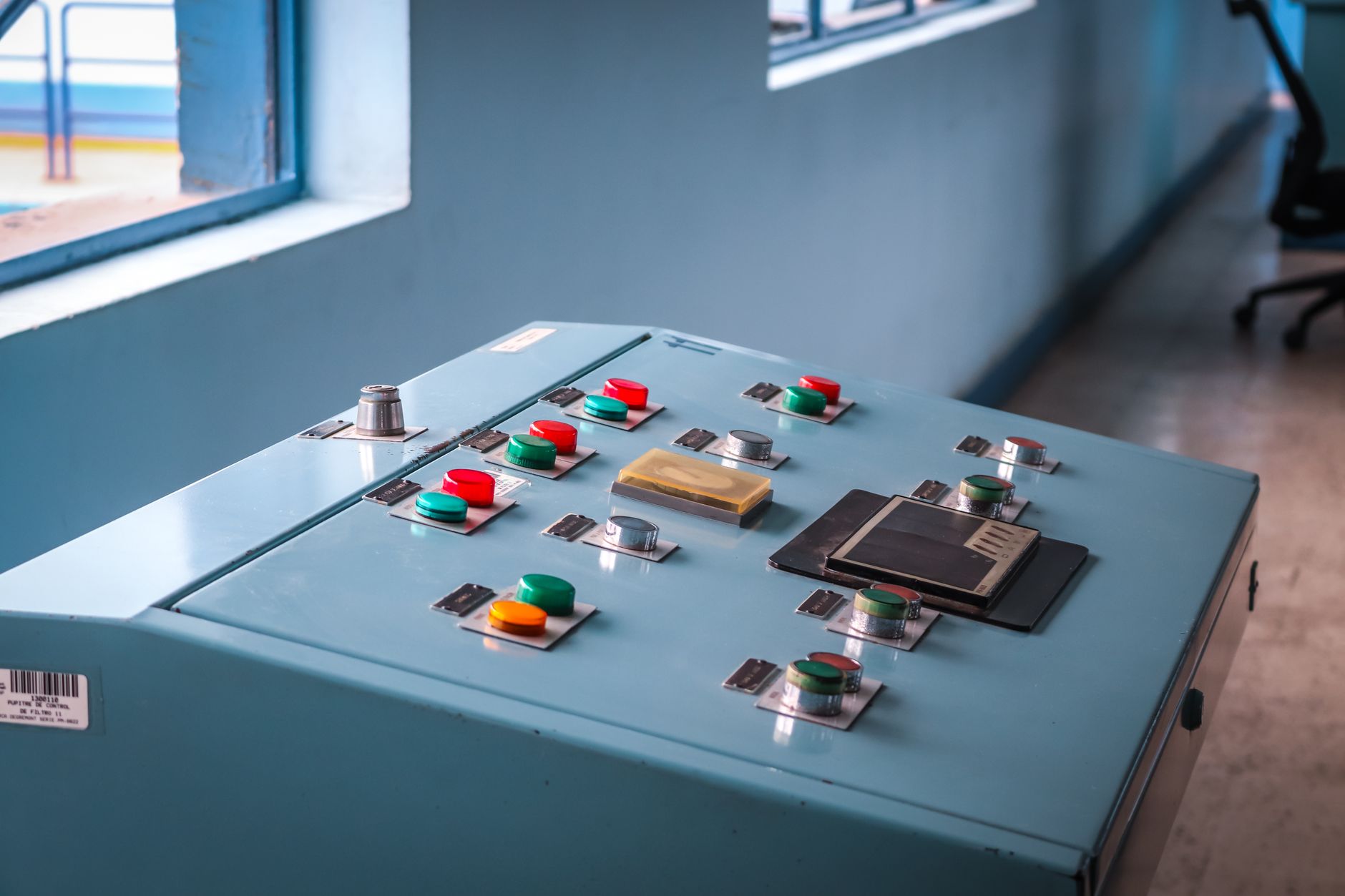
Yes, and it works best as a drone plus a small team, not as a replacement for the team. The drone needs a qualified pilot, a ground observer, and an inspector who knows what sound flare tips, pipe supports and tank seams look like. Operations still decides when a flight is safe to make.
Existing maintenance and inspection staff take on the review and the climbs that remain. The crew moves from routine ladder and rope work toward planned repairs on the items the survey flags. That means training a few people to fly and review, rather than building a new group.
Training is part of deployment, so the people who already know the plant learn the drone and keep control of the permit, the route and the report.
What drives the savings, and how much time can a survey save?
The savings come from hours at height, from crane and access time, and from the number of separate trips a job needs. Vendor case studies show how large the gap can be on tall structures, but each figure is self-reported and tied to one site.
The reported survey times for flare and stack work are:
- A 200-foot flare stack at a California refinery: 2 hours of drone inspection, against a typical three-day job with cranes and technicians, according to a vendor case study.
- A 180 ft flare stack: 1 hour 40 minutes, with no service downtime, according to a vendor case study.
- A tall-stack survey that traditionally could take 3 to 4 weeks, with the flare kept burning during drone work, according to a flare and stack service provider's case study.
- An interior flare inspection by drone in about one hour, against two days for the traditional method, not counting shutdown and cooling time, according to the same service provider's case study.
What can a drone not do at a chemical plant?
A drone sees surfaces and shapes well, and it measures wall thickness only when it carries the right payload. It does not replace a hands on inspection when a defect needs confirming, and it cannot see inside a closed vessel or sealed pipe. Probing, sampling and any sealed space entry still need a trained person on site.
Weather and wind limit when it can fly. Flights near flares, active process areas or busy airspace follow the site's permit and gas detection rules and the pilot's certification, so the schedule may need to move around operations.
Battery time limits each flight, so a large plant is surveyed in several flights across one or more shifts. A survey is only as useful as the review that follows it, and no finding is closed without the inspector's sign off.
How do you get started with drones at a chemical plant?
Start with a free site assessment. We walk the plant with operations and maintenance leads, map the structures in scope, check the permit and airspace rules, and recommend the right drone and payload for the job. The lease quote comes after that assessment, so the figures reflect your actual sites.
We are a US commercial robot integrator. We pick the right robot for the site, lease it through financing, deploy and integrate it into your permit and reporting steps, train your staff and service it nationwide. The fixed lease payment comes in the quote, and a pilot program on one structure type is a sensible first step before the work expands.
Ask for the service terms, the training plan and the go live support in writing before you sign. Then compare the first survey with your existing route, and decide from your own site data.
Frequently asked questions
Want a drone at your chemical plant?
Tell us about your site. We will recommend the robot, quote the lease, and keep it serviced.
Sources
- Workplace safety blog summarizing federal injury data
- Safety compliance summary on fall protection threshold
- Vendor case study on flare stack inspection
- Service provider case study on tall stack and flare inspection
- Pharma plant pipe rack inspection case study
- AI drone inspection guide for industrial facilities
- County economic development article on chemical manufacturers