
Key takeaways
- Drones can survey boiler and stack exteriors before an outage, so crews plan scaffolding instead of guessing.
- A vendor case study reports full boiler coverage in hours rather than days, which is worth testing against your own records.
- Flight work moves time at height into planning and data review, while qualified inspectors still make the calls.
- EIA counts 219 coal power plants in the US, so the same planning approach applies across a large fleet.
- A lease is quoted after a free site assessment, so the payment reflects your own site and outage schedule.
How can drones for coal-fired power plants help during inspections?
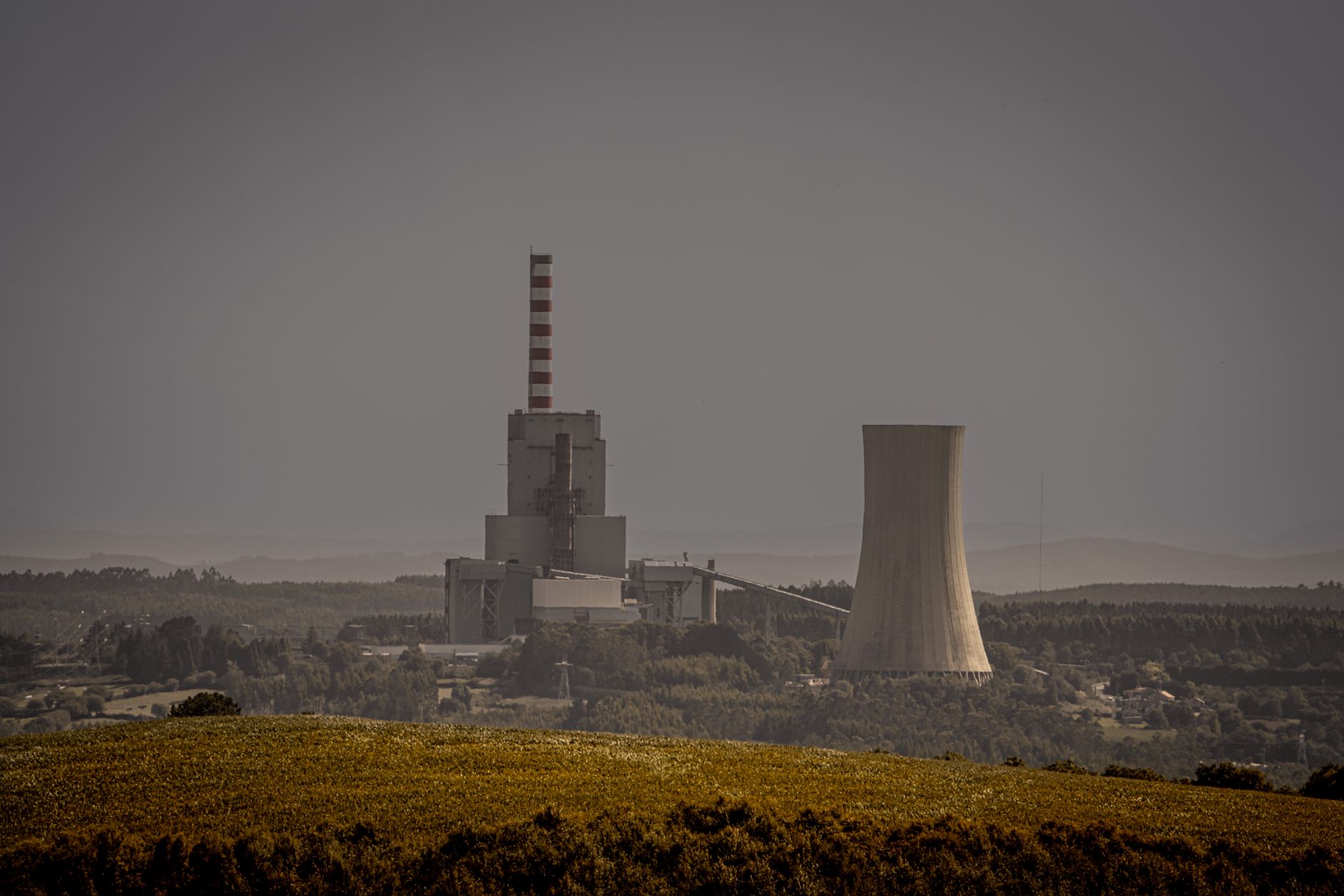
Drones for coal-fired power plants mainly address one slow part of an outage: inspecting boilers and stacks. Much of that work waits on scaffolding or lifts, because inspectors cannot reach tube walls, steel and upper sections until access is built. A drone can fly the outside of the boiler, the stack and nearby structures, then give the plant a detailed picture before anyone climbs.
That picture helps the team decide where access is truly needed, how long the work will take and which crews to bring in. The benefit is less time at height and better outage planning, not the removal of people from the job. Inspectors still judge what they see, maintenance crews still do the repairs, and the plant still owns the schedule.
The sections below cover the problem at a typical plant, the main benefits, how a drone works on site day to day, which areas it covers, how it fits with your existing team, what drives the savings, what it cannot do, and how to get started.
What slows boiler and stack inspection at a coal plant today?
Boiler and stack inspections often sit on the critical path of an outage. Scaffolding or lifts must go up before inspectors can reach the work, and the boiler must cool before people can safely enter. According to a 2019 trade publication article on drone inspection, a 500 MW coal boiler inspection can last up to four days, plus about two days to take the scaffolding down.
The same article says flying the drone from outside can save at least a day in cooling time. For a plant manager, that day can decide if the outage closes on schedule or runs into the next production window. Because the article is from 2019, treat its numbers as a planning reference and check them against your own outage history.
Stacks follow a similar pattern. Inspectors need a way to reach the exterior and upper sections, and access for those jobs usually means a lift or scaffold. A drone can survey those areas without building access first, which keeps the outage plan flexible.
What are the main benefits of drones at coal-fired power plants?
The first benefit is time. A drone inspection vendor's case study reports that a 150 MW circulating fluidized bed boiler in the Philippines was fully covered by drone in 4 to 5 hours, and that this saved the plant 2 to 3 days compared with traditional methods. These are vendor-reported figures from one job, so they show what is possible on a unit like this, not what every plant will see.
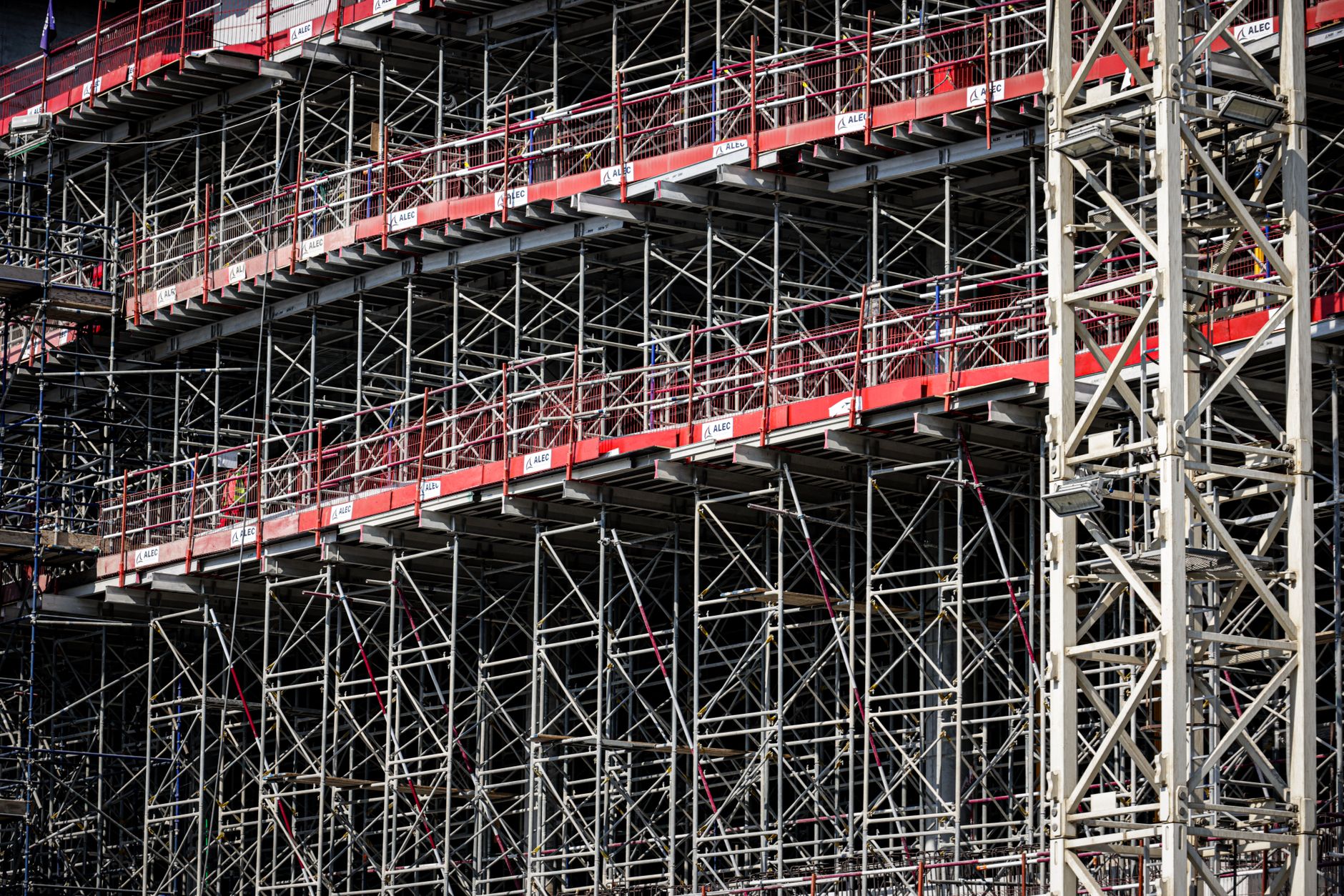
The second benefit is better access planning. In a South African coal plant tube-leak case described in a 2019 engineering news report, a drone pinpointed the leak without the scaffolding that would otherwise have been erected first. Knowing where the leak sits lets the crew build access only where the repair happens.
The third benefit is a record. Imagery from each flight can be stored and compared from one outage to the next, so the team can see what was altered on a boiler wall or stack shell. That record supports planning, and it gives the inspector a reference point when a surface looks altered from the last visit.
How does a drone work at the plant day to day?
A typical job starts before the aircraft leaves the ground. The site team marks the areas to survey, identifies restricted zones near energized equipment, and agrees on a time window with operations. US commercial flights follow federal aviation rules, so the pilot holds the credentials those rules require, and the flight plan follows the plant's own safety procedures.
On flight day, the pilot launches from a planned point, flies a set route around the boiler, stack or structure, and captures imagery. Flights can be planned in short blocks, which makes it easier to fit them around maintenance activity. The pilot hands the data to the inspector, who reviews it on screen and marks areas that need a closer look.
After the flight, the team compares the images with earlier inspection records. Where a surface needs contact testing or a closer look, the inspector adds it to the scaffolding plan. The drone is one step in the chain, and it gives the crew a better starting point for the hands-on work.
Which areas of a coal plant does a drone cover?
The drone covers the outside and upper areas of the plant, where access is hardest to build. The six areas below are typical, each with a specific use. Actual coverage depends on the plant layout, clearances and what operations allows on the day of the flight.
Because a coal plant is a set of connected systems, the drone's job is to show where inspection effort should go, not to replace inspection inside the boiler. Plant staff still decide which spots get a close look, and the site assessment maps the zones before the first flight.
How do drones fit with your existing team?
A drone works best alongside a team, not in place of one. A typical arrangement pairs the aircraft with a certified pilot, an inspector who reviews the data, and a maintenance lead who plans the outage work. Some plants also keep a plant engineer who approves flight areas. The team may be small, but people on site always stay in the loop.
We are a US commercial robot integrator. We pick the right aircraft for the site, lease it through financing, deploy and integrate it into your planning process, train your staff and service it nationwide. Training covers flight planning, data handling and the checks your inspectors will use, so your team can run routine flights on its own.
Staff time shifts rather than disappears. Fewer hours go to erecting access and working at height, and more go to planning and reviewing data. That shift matters for a small team that already carries a full outage schedule.
Where do the savings from drone inspections come from?
The savings come from three places: outage days, scaffolding and lift hours, and time spent at height. Each one can be estimated from your own records. The figures in this page show what other jobs have reported, and they are not a promise for your plant.
Outage days drive most of the value. According to the 2019 trade publication article, a 500 MW boiler inspection can last up to four days plus about two days to remove scaffolding, and an outside drone flight can save at least a day of cooling time. Each day saved shortens the outage and the crew hours it requires.
Scaffolding and lift hours come next. Fewer erections mean fewer crew hours spent building and taking down access. Measure your current hours per outage before comparing, so the estimate reflects your own work. The payment comes in the quote after a free site assessment, which is where the numbers for your plant get worked out.
How many coal plants could use drones for inspections?
The US coal fleet is large and still operating. According to the U.S. Energy Information Administration, there were 219 coal power plants in the United States with 462 generators at about 188,952 MW of generator nameplate capacity, as of March 2026. A third-party project tracker counts 213 utility-scale coal power plants as of May 2026, so counts differ by method.
EIA also expects the fleet to shrink. Its analysis says total operating capacity of US coal-fired power plants is scheduled to fall from 172 GW in May 2025 to 145 GW by the end of 2028. Plants that stay in service still need outage planning, so inspection work stays relevant for the units that remain.
What can a drone not do at a coal plant?
A drone cannot do the hands-on work. It does not tighten a tube, replace a section of wall or confirm wall thickness on its own, because those jobs need contact tools and trained technicians. It shows surfaces and structures from the outside, which helps planning but is not the whole inspection.
Weather and wind limit flights, and some areas may be off limits at certain times because of operations or airspace rules. Imagery depends on lighting and viewing angle, so some spots still need a lift or an inspector on site. Treat drone results as one input among several, not a final answer.
How do you get started with drone inspections?
Start with a free site assessment. We walk the plant with your team, review the boiler and stack areas you plan to inspect, note restricted zones and outage windows, and map flight routes. The assessment also shows which aircraft fits the site, so the recommendation rests on your layout.
Next comes the lease. The aircraft is leased through our financing programs, and the lease is quoted after the site assessment. We deploy and integrate it, train your staff and service it nationwide, and you can start with one leased unit before deciding whether to expand. A pilot on one unit lets your team test the process against your next outage.
If your outage window is tight and your scaffolding list is long, the useful first step is finding where a drone saves the most days. A site assessment answers that with your own numbers.
Frequently asked questions
Want a drone at your coal-fired power plant?
Tell us about your site. We will recommend the robot, quote the lease, and keep it serviced.
Sources
- U.S. Energy Information Administration, coal power plant FAQ
- U.S. Energy Information Administration, Today in Energy, coal capacity outlook
- Third-party US coal power plant project tracker
- 2019 trade publication article on drone boiler and stack inspection
- Drone inspection vendor case study, coal boiler in the Philippines
- 2019 South African engineering news report on drone tube-leak inspection