

Key takeaways
- Drones let steel mills survey stacks, roofs and structures without clearing a crew for climbing work.
- A manufacturer's report says inspection time can fall by as much as 50 percent, depending on the asset.
- Scaffold and lift hours are the access cost a drone can reduce.
- Drones cannot enter enclosed spaces, so permitted entry crews stay in the plan.
- Start with a free site assessment, then a lease quote through financing.
How can drones help steel mills cut inspection downtime?
Drones for steel mills solve a narrow but expensive problem. Stacks, roof sheeting, overhead structures and yard surfaces all need regular looks, and the usual way to see them means scaffolding, man lifts or a crew working at height while the line is stopped or slowed. A drone can survey those areas between operating shifts, from the air, so the line keeps running while the data comes in.
The gain is time. According to a manufacturer's report on inspecting industrial assets, drones and other robots can cut inspection time by as much as 50 percent, depending on the asset. That report covers industrial assets in general rather than steel mills alone, so treat the figure as a range to test. It also says inspections can last several days and repairs can add several more, which means every hour saved on the survey is an hour the line does not lose to the inspection.
Service Robot Co. helps mill operators decide if a drone fits a given area. We lease the aerial system through financing, deploy and integrate it, train the inspection staff to run it, and service it nationwide. The rest of this page explains how that works on a real site, where it helps, and where it falls short.
What does inspection downtime cost a steel mill today?
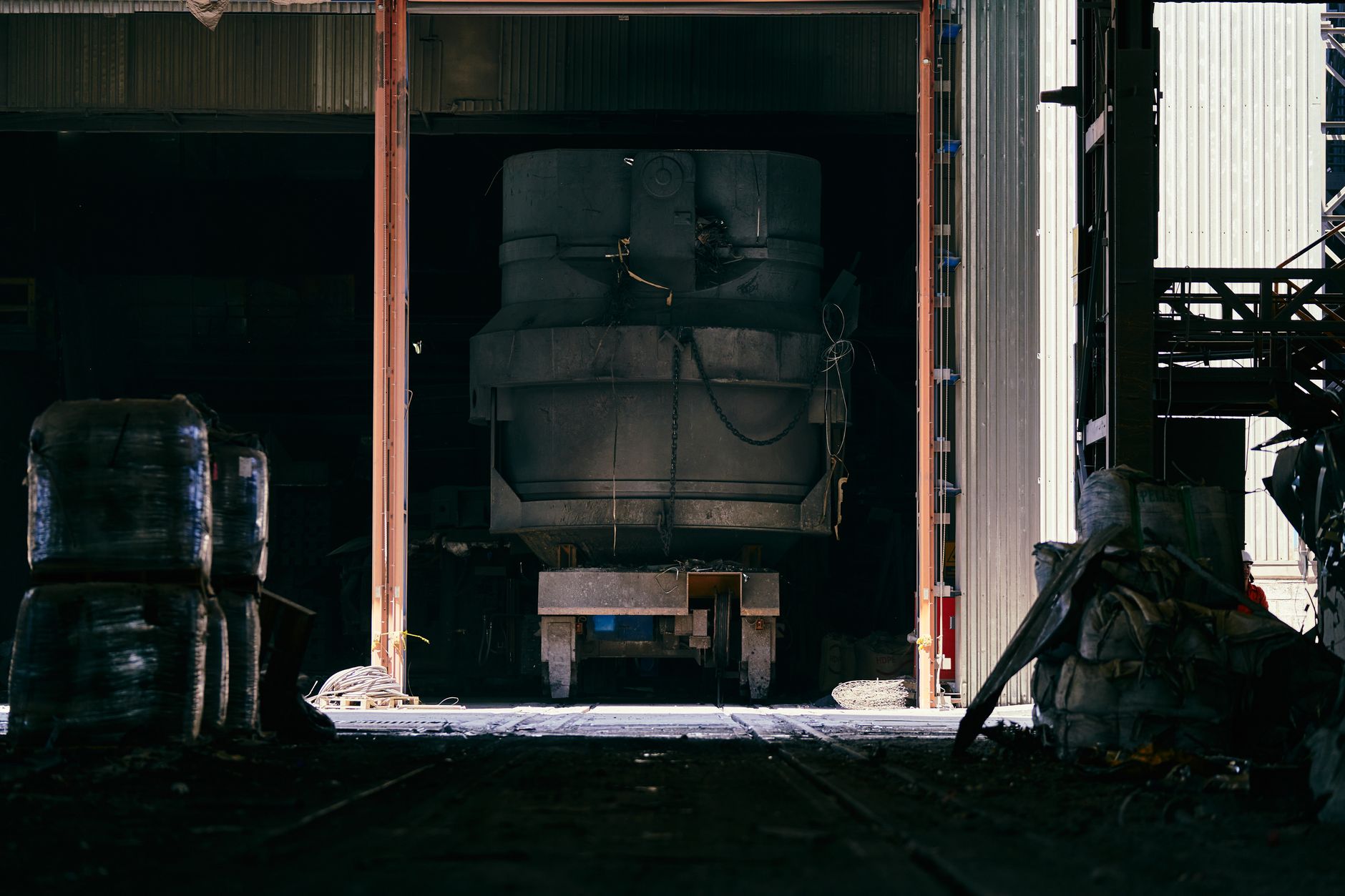
Steel mills run around the clock or close to it, and much of the large equipment cannot be examined properly while it is hot, loaded or in service. An inspection that needs a stack walked or a roof crossed often means the area is cleared, the line is slowed, and a crew sets up access before anyone sees a defect. The stoppage is the cost, even when the inspection finds nothing.
The industry has been shrinking. According to Wikipedia's summary of US iron and steel data, there were 9 operating integrated steel mills in 2017, plus one idled, down from 13 in 2000. With fewer integrated sites left, the mills still running have less slack to absorb a stop.
Access is the other half of the cost, and it is a labor question too. The archived BLS Occupational Outlook Handbook projects growth of 14 percent from 2021 to 2031 for industrial machinery mechanics, maintenance workers and millwrights. The same archive says they may be on call, work night or weekend shifts, and that overtime is common. Crews who spend their hours building access are crews not doing repairs.
What are the main benefits of drones at a steel mill?
The first benefit is fewer hours in the middle of production. An inspection that once needed a line slowed for days can be flown in a window the operator already has, and the crew's time shifts from gaining access to acting on findings. The benefit shows up in the calendar as much as in the hours.
The second is reach. Stacks, roof edges and the upper bays of a rolling mill are places people usually reach with lifts or scaffolding. A drone reaches them by flying, so the area does not need to be cleared for a crew to climb in. According to a drone inspection vendor, a drone took ultrasonic thickness readings on a 100 ft tower at a steel manufacturer, reducing time and labor. The vendor gave no hour count, so your own records are the real test.
The third is data that compares well over time. A drone flying the same route at each interval produces images that line up from one pass to the next, so corrosion or sheeting wear shows up as a trend instead of a surprise on the day someone finally climbs up.
How does a drone work at the mill day to day?
A drone system at a mill is a small team with a plan. A trained pilot flies from routes set with the melt shop and maintenance leads, and a spotter on the ground watches the airspace and the people moving through the yard. Routes come from a site survey so the aircraft stays clear of areas the mill has restricted.
The day runs around production. Before a shift, the pilot checks the weather and confirms which areas are open for flight. During shift changes the drone stays grounded while people and vehicles move. Between shifts it flies the survey, and then images and any sensor readings go to the inspection team, who tag defects and pass them to the maintenance planner.
A drone inspection vendor reports that three drones completed dozens of stacks in weeks instead of months, with wall thickness data collected while the stacks stayed online. That is a vendor figure for stacks in general, not for one mill, but it shows the rhythm: a short flight window, a data pass, then planned work.
Which areas of the mill can drones survey?
Drones suit the outside and the high points of a plant, and anywhere the thing you need to see can be captured from outside. That covers much of a mill's exterior and upper structure: stacks and gas cleaning equipment, melt shop and casthouse roofs, the steel framing of rolling bays, overhead crane runways, yard surfaces and cooling water towers.
They are less useful for anything that must be touched, measured by hand, or seen inside an enclosed space. Those jobs still belong to trained crews working under the mill's entry procedures, and the drone's role is to show them where to look and what to bring.
Who works alongside the drone, and what does the team look like?
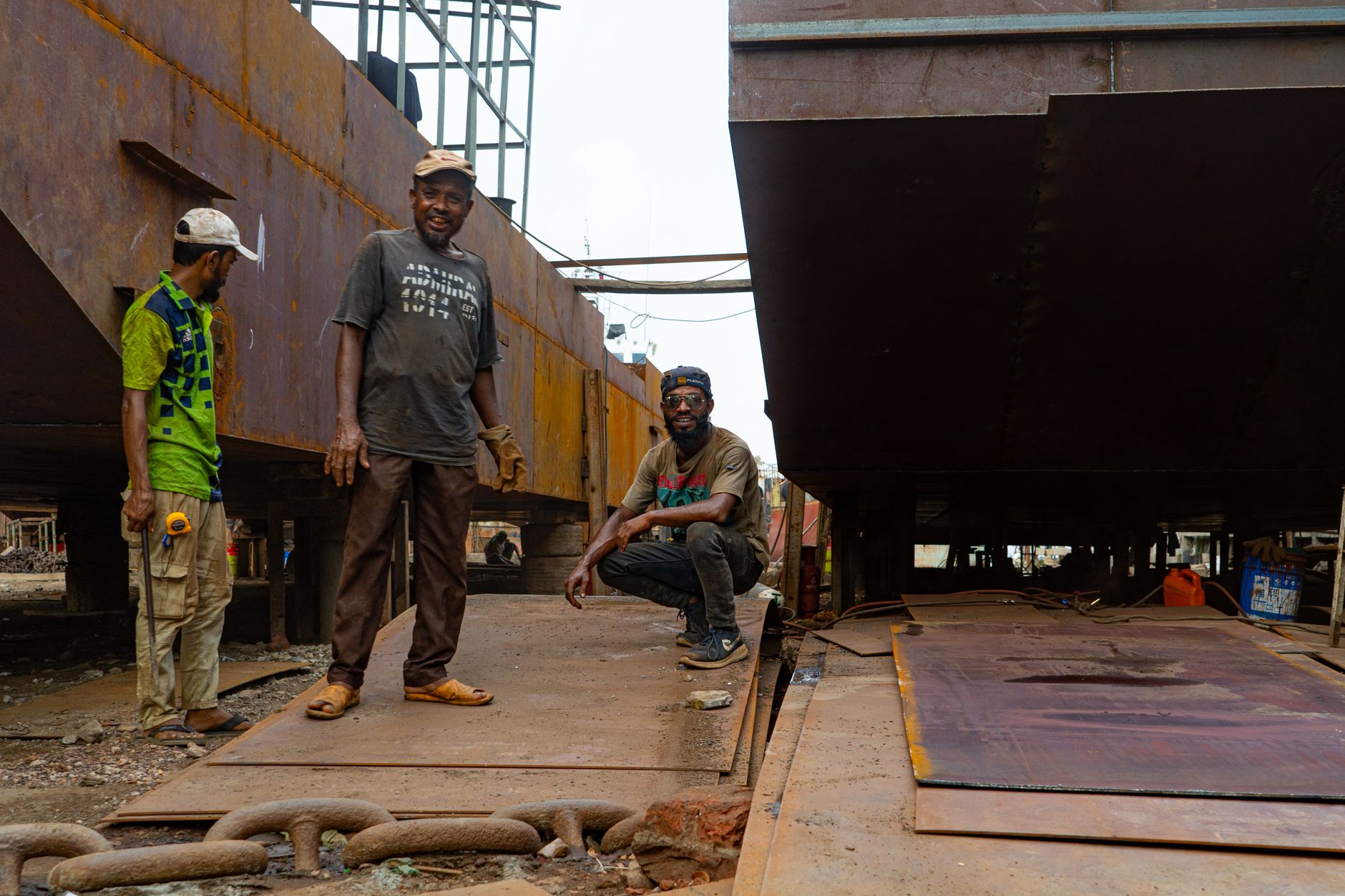
A drone does not replace the people who know the plant. It takes over the flight and image capture, which frees inspection and maintenance staff for the parts that need judgment. A typical setup is a drone, a trained pilot, a spotter, and the mill's own inspectors and planners who decide what the data means.
Staffing shapes the case. The BLS archive notes that the mechanics and millwrights who do much of this work face on call and night shifts, with overtime common. Moving survey time to a drone does not remove those roles, but it can shift hours from climbing and rigging toward the repair work the team was hired to do.
Service Robot Co. sets the system up with a small trained crew that stays on site, rather than handing over equipment and leaving. Staff learn the routine flights, and our technicians support the system nationwide when something needs service. The drone supports your team and never stands in for it.
What drives the savings at a steel mill?
Savings come mostly from hours. The biggest lever is the window in which a survey can be done without stopping the line. The manufacturer's figure of up to 50 percent less inspection time, depending on the asset, is a range to test against your own records, not a promise. Track the hours spent on access, the hours the line is slowed, and the days an inspection stretches out.
The second lever is labor on access work. Scaffold build and tear down, lift setup, and crew time spent working at height are the hours a drone can reduce. The steel case reported reduced time and labor on thickness readings, without an hour count, so the honest test is your own before and after numbers.
The third lever is planning. When the same route is flown on schedule, the team catches change early and schedules repairs in an open window instead of an emergency one. Planned work is easier to fit around production than emergency work, and that is where the hours are easiest to protect.
What can a drone not do at a steel mill?
Drones have limits, and a good plan works around them. They do not enter enclosed spaces such as vessels, ducts or tanks, which still need a permitted entry crew. Weather can stop flying for the day, since rain, heavy wind, low visibility or heat rising off equipment can all ground an aircraft. Flights near the plant also depend on airspace rules and the mill's own restricted zones.
No single tool covers every need. A drone sees surfaces and takes readings from outside. It does not replace ultrasonic or hand measurements inside the plant, nor a visit from a trained inspector. Treat the drone as the first look that tells the team where to spend the expensive hours.
How do you get started with drones for steel mills?
Start with a free site assessment. Service Robot Co. maps the areas you want covered, reviews restricted zones, weather and access constraints, and recommends a drone setup for the site. The lease payment comes in the quote after that assessment, so you can see what the arrangement looks like for your mill before you decide anything.
The aerial system is leased through financing. Service Robot Co. deploys and integrates it, trains your inspection staff, and services it nationwide, so flight support does not depend on one local vendor. Many operators begin with one survey area and one leased unit, then extend coverage once the data shows where the hours went.
Frequently asked questions
Want a drone at your steel mill?
Tell us about your site. We will recommend the robot, quote the lease, and keep it serviced.