
Key takeaways
- Drones can photograph roofs, signage and ride steel without a lift, a climbing crew or a closed walkway.
- Vendor-reported figures put a drone roof flight at a fraction of the hours a manual survey takes.
- Flights over guests and at night fall under FAA Part 107 conditions that must be planned in advance.
- A drone adds a survey tool to a maintenance team. It does not replace the team or the engineer who signs off.
- A free site assessment comes before any lease quote, so the numbers come from your own grounds.
How can drones for theme parks help?
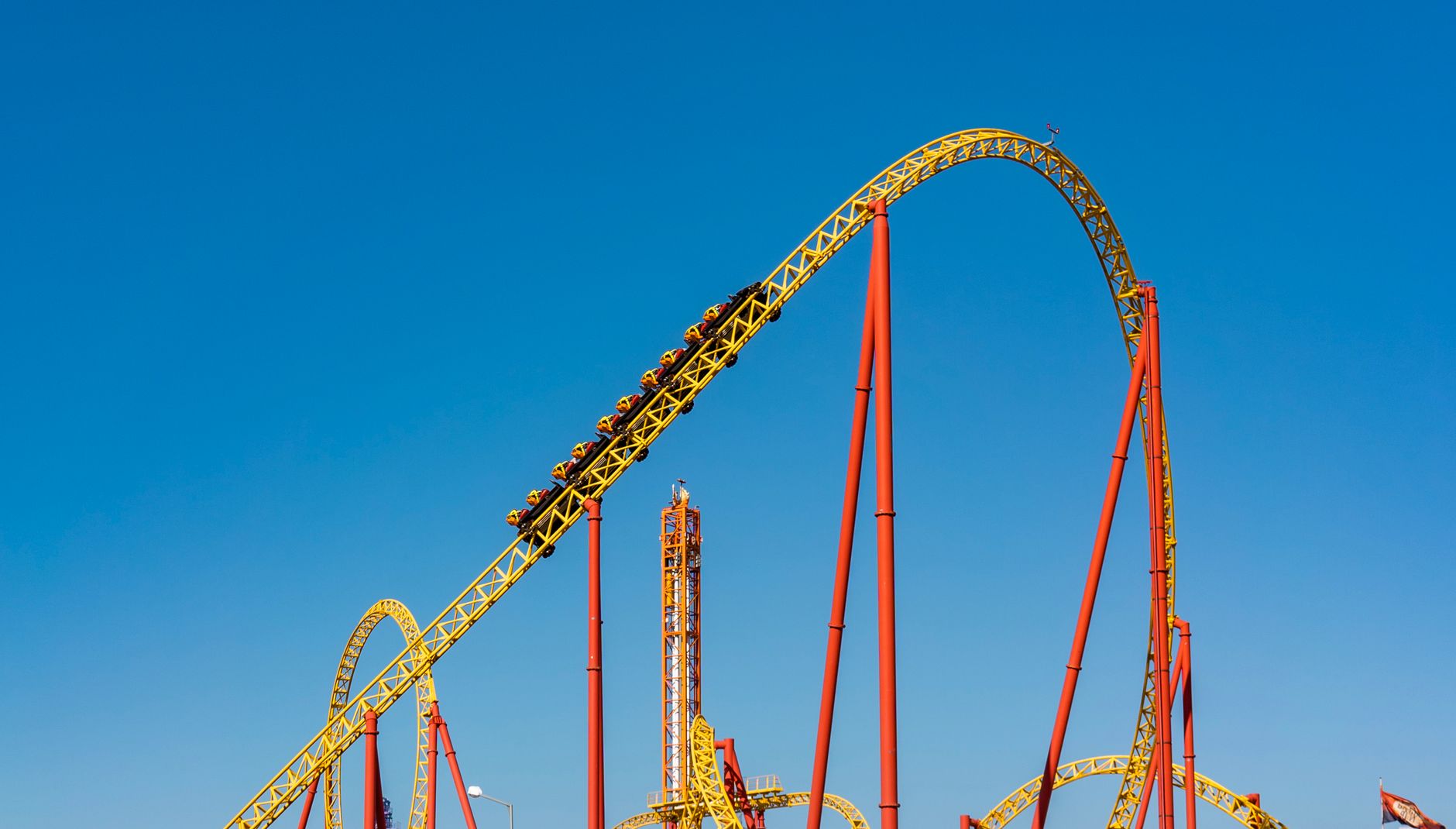
Drones for theme parks solve one narrow problem very well: they let a team look at high or hard-to-reach structures without sending a person up to them or shutting an area down. A drone can photograph show-building roofs, entrance signs and the steel that holds up rides, then send the images back to the maintenance team the same shift.
The fit is strongest where the question is visual. A membrane lifting at a roof seam, a cracked sign panel and corrosion on a steel bracket are all problems a camera can document from a safe distance. The usual alternative is a boom lift on site, a climbing crew, or a closed walkway while someone looks, and each one costs guest access or crew hours.
In short, drones for theme parks are a survey tool for overhead work. They shorten the time from question to answer, and they keep areas open that would otherwise close for a look.
What makes roof and ride checks hard at a theme park today?
A large park has a lot of overhead work. Roofs cover shows, restaurants, shops and maintenance buildings. Entrance marquees and ride signs sit above the walkways, and track and support steel run across the grounds. Checking any of it usually means a person goes up on a lift, a ladder or a rope, or the area closes while someone looks.
The closure is the costly part for a guest-facing operation. A walkway or queue that closes for an inspection has to be routed around, and the guests who would have used it wait somewhere else. Crews also have to fit this work between show hours, which narrows the window and pushes checks into nights or quieter weeks.
The number of places facing this question is large and growing. According to the U.S. Bureau of Labor Statistics, Florida had the most amusement and theme parks in 2023, with 175, followed by Texas at 135 and California at 110. The same BLS table counts 890 parks in 2013 and 978 in 2016.
What are the main benefits for a theme park?
The benefits are mostly about access and records. Operators tend to notice four things first.
The benefits depend on the flight plan. A drone that flies over guests during a busy hour takes on rules and risks that a daytime survey of an empty roof does not, so the plan should be built around the operating calendar from the start. Weekly flights on a fixed route also give the team a steady rhythm, and that makes the comparison from one season to the next far more reliable.
- Fewer closures, since many views can be captured while a walkway or queue stays open, within the FAA conditions covered later on this page.
- Less time on lifts and ladders, which cuts the crew hours spent just getting into position to look.
- Dated images of every roof, sign and steel run, so the next inspection can be compared with the last one.
- A faster first look after a storm or a structural complaint, so the team knows what is damaged before anyone climbs.
How does a drone inspection work day to day?
Most inspections follow the same rhythm. The team sets a target list the day before, usually the roofs, sign faces and steel sections with open work orders or due on the seasonal calendar. Weather is checked the morning of the flight, not the day before. A pilot then checks the airspace and the closure map, and flies a set route at a height chosen for the detail needed.
The images are reviewed the same shift. The maintenance lead marks anything that needs a closer look, a lift or an engineer, and the rest is filed by structure. For scale, a drone-service vendor's blog reports that a manual roof measurement of a typical single-family home takes 2 to 4 hours, while a drone flight takes about 15 to 30 minutes. That is a vendor's own figure for houses, so treat it as a starting point for your own timing.
Keep the flight log and the image set with the work order for that structure. A record that lives with the asset is what makes next season's comparison possible, and it is what an engineer will ask for first.
Which areas of the park does a drone cover?
A drone is useful wherever the question is visual and the surface is high up or away from people. In a park that usually means six areas, listed below in the order crews tend to start.
Each area has its own closure pattern and its own rules. A roof over a show building is easiest to fly on a closed morning, while a queue canopy over an open walkway needs a route that keeps guests clear of the aircraft. The pilot should walk each route before the flight, not the morning of it.
Ride structures need the most care. Steel close to a track or a moving car should be photographed from a set distance, with the ride closed or the walkway clear, and the flight plan should keep a buffer from every moving component. Ask the pilot to show you each route on a map before the first flight.
How does a drone work alongside existing staff?
A drone does not replace the maintenance team, the ride engineers or the guest-facing staff. It gives a small team a way to see high work without leaving the ground. It still needs one person who knows the structure being photographed and one person who can fly, and in many parks those are two separate people.
The front-line team is large. According to the U.S. Bureau of Labor Statistics, 69,610 amusement and recreation attendants worked in amusement parks and arcades in May 2023. Those attendants should not be pulled into flight duty, which is why the pilot role usually belongs to maintenance or to a service pilot.
As a commercial robot integrator, we help parks set this up. We map the structures, choose the drone that fits the site, deploy and integrate it with the work order process, and train the staff who will fly it or review the images. When a unit needs attention, we provide remote triage and on-site dispatch, so the team is not left alone with a flight problem.
What drives the savings, and how big can they be?
Savings come from hours and closures, and they should be measured rather than promised. The biggest share is usually crew time spent getting into position, plus the time a closure holds staff in place. According to a drone-service vendor's blog, a drone flight can take up to 90% less time than a manual roof survey. That is a vendor-reported claim, so test it on your own roofs.
A claims-sector article quotes an investigator saying drones 'cut inspection time by 50% in some cases.' That comes from another trade, but it points the same way. The gains are largest where the climbing and the closure time are greatest.
For your own estimate, track three numbers for one season: crew hours on lifts and ladders per roof or sign, minutes of closure per inspection, and hours until the first image set is reviewed. Those figures make the savings specific to your grounds, and they are what the site assessment should start from.
What can a drone not do?
A drone sees the surface. It does not test the steel underneath, measure bolt torque or certify a ride. Any finding that bears on guest safety still goes to a qualified engineer or inspector, who decides the repair and signs off the work.
The FAA rules are real and specific. Under the FAA's 2021 final rule, Part 107 operations over people and at night no longer need an individual waiver, but they come with conditions. Night flights require anti-collision lighting. Sustained flight over moving vehicles with people aboard is limited to closed or restricted-access sites in Categories 1 through 3, with occupants given advance notice.
Sustained flight over open-air assemblies must follow remote identification rules. Pilots must hold a Remote Pilot Certificate and yield to manned aircraft. Wind, rain and low light also limit what a drone can do on a given day, and a drone cannot see inside a structure it cannot reach. Plan for days when the aircraft stays on the ground and the team falls back on its usual checks.
How do we get started with drones for theme parks?
Start with a free site assessment. We are a US commercial robot integrator. We pick the right robot for the site, lease it through financing, deploy and integrate it, train the staff and service it nationwide. The assessment covers which structures matter, where flight paths and closures fall, and how the FAA conditions apply to your operating hours.
Robots are leased through financing, and the payment comes in the quote after the site assessment, so the lease terms are visible before any decision. Ask about robot lease options that include a robot maintenance service plan, with on-site dispatch and remote triage when a unit needs attention.
A sensible first step is one unit covering one set of structures, run for a season with the three measurements from the savings section. Go live support covers the first flights, and the decision about more units or more structures can rest on figures from your own grounds.
Frequently asked questions
Want a drone at your theme park?
Tell us about your site. We will recommend the robot, quote the lease, and keep it serviced.
Sources
- U.S. Bureau of Labor Statistics, A Look at a Thrilling Industry: Amusement and Theme Parks
- U.S. Bureau of Labor Statistics, Other Amusement and Recreation Industries
- U.S. Bureau of Labor Statistics, Occupational Employment and Wages, May 2023, Amusement and Recreation Attendants
- Drone-service vendor blog on drone roof inspections
- Claims-sector article on drone inspections
- Federal Aviation Administration, Operations Over People