
Key takeaways
- Campuses have large, recurring mowing jobs that fit a fixed schedule well.
- Staffing gaps make a robot a way to keep turf cut, not a reason to drop the crew.
- Manufacturer coverage figures are specifications, so measure your own acreage first.
- Boundary setup, blade care, and software updates still need people on site.
- We lease the robot through financing and quote after a free site assessment.
How can robotic lawn mowers for school campuses help?
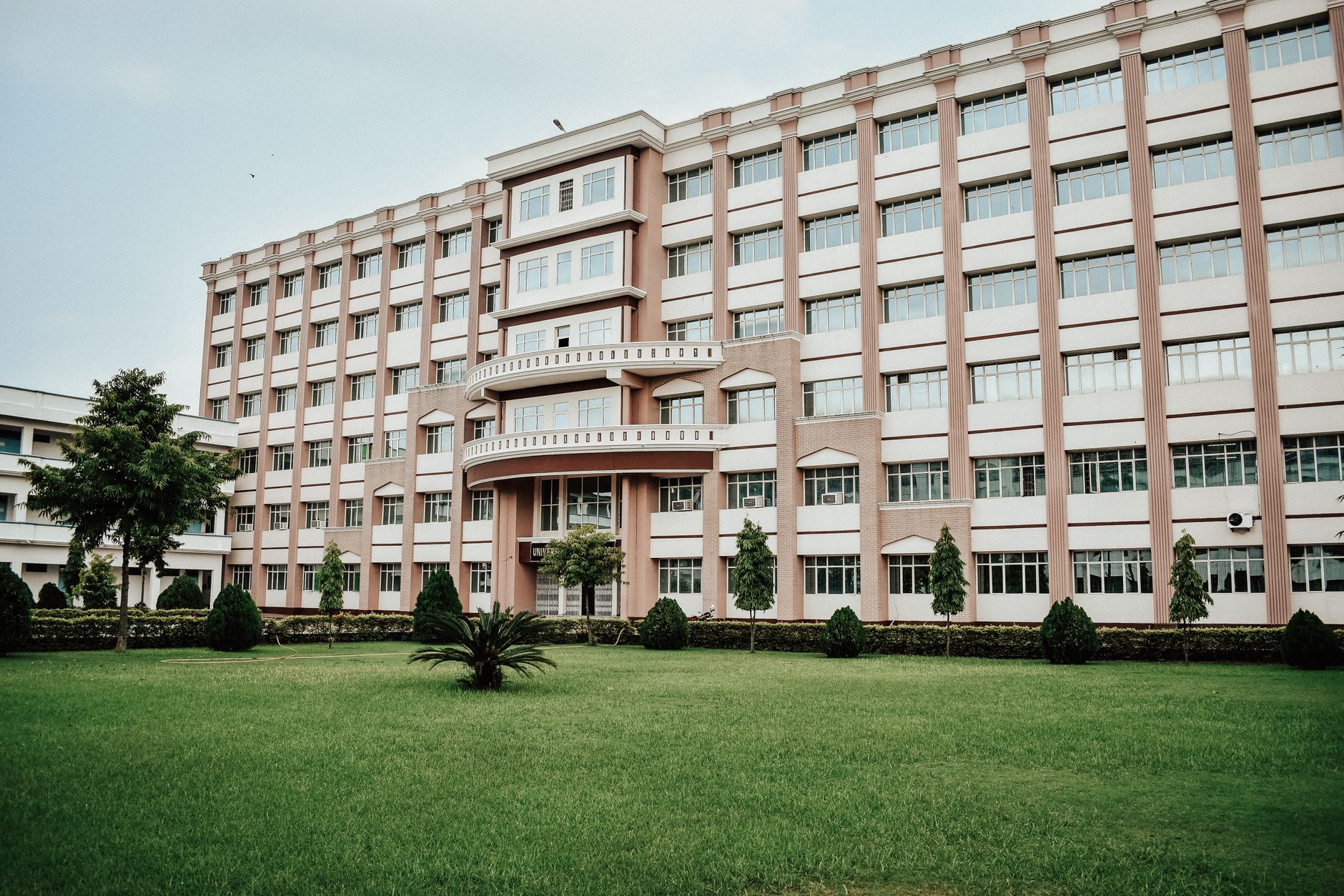
Robotic lawn mowers for school campuses take the most repetitive part of grounds work and put it on a fixed schedule. A commercial mower can cut athletic fields, lawns between buildings, and perimeter turf on a calendar your crew sets. That frees people for trimming, edging, bed work, and repairs that a machine does not do. The real gain is steady coverage on acreage that otherwise waits behind everything else on the list.
The labor pressure is measurable. The US Bureau of Labor Statistics counts 1,299,200 people employed as grounds maintenance workers in 2025 and projects about 162,500 openings each year through 2035. Campuses compete for the same pool of workers, so a grounds department one or two people short has little room to absorb a sick day or a vacant summer post.
A robot solves this without removing the crew from the picture. It cuts how many crew hours go into the same mowing loop each week, so the people you have can cover more ground properly. The rest of this page covers where that works, where it does not, and how we would scope it for a site like yours.
What problem does a school campus face today?
Most school grounds are large, recurring, and uneven in attention. Athletic fields need regular cuts through the growing season, lawns around classrooms need to look finished before the first bell, and outlying turf gets cut when someone has a gap in the day. The mowing is not hard in the abstract. The volume and the calendar wear a small crew down.
The scale is national. The NCES Common Core of Data counts 99,073 operating schools and 19,183 operating districts in the 2024-25 school year, serving 49,269,882 students. Every one of those sites has turf to keep up, and many run that work with small grounds crews.
The staffing gap shows up in small ways first. In an earlier news report, a school district in Oregon said one person was responsible for removing weeds across more than 30 campuses, and it listed seven maintenance positions open at the time. When roles stay empty, mowing is the task that cannot skip a week, so it tends to show the strain first.
What are the main benefits?
The most important benefit is continuity. One university campus that added an autonomous mower in spring 2025 cites continuous maintenance, including running the machine at night, and says no grounds staff are being replaced. Staff are meant to move to higher service levels and detailed work instead.
These benefits matter most because they change who does what. The machine takes the long repetitive passes, and your people take the work that shows at game day and at the front entrance. That is a different job from the one most small crews are doing now.
- Continuous upkeep: the mower follows a set schedule, including after hours when fields are empty.
- Quieter operation: the campus page cites quieter, electric running as a benefit near classrooms and offices.
- Walkway protection: virtual boundaries keep the mower off walkways, according to the same page.
- Crew time: the work shifts from the same mowing loop to trimming, beds, repairs, and visible finish work.
Which areas does the robot work in?
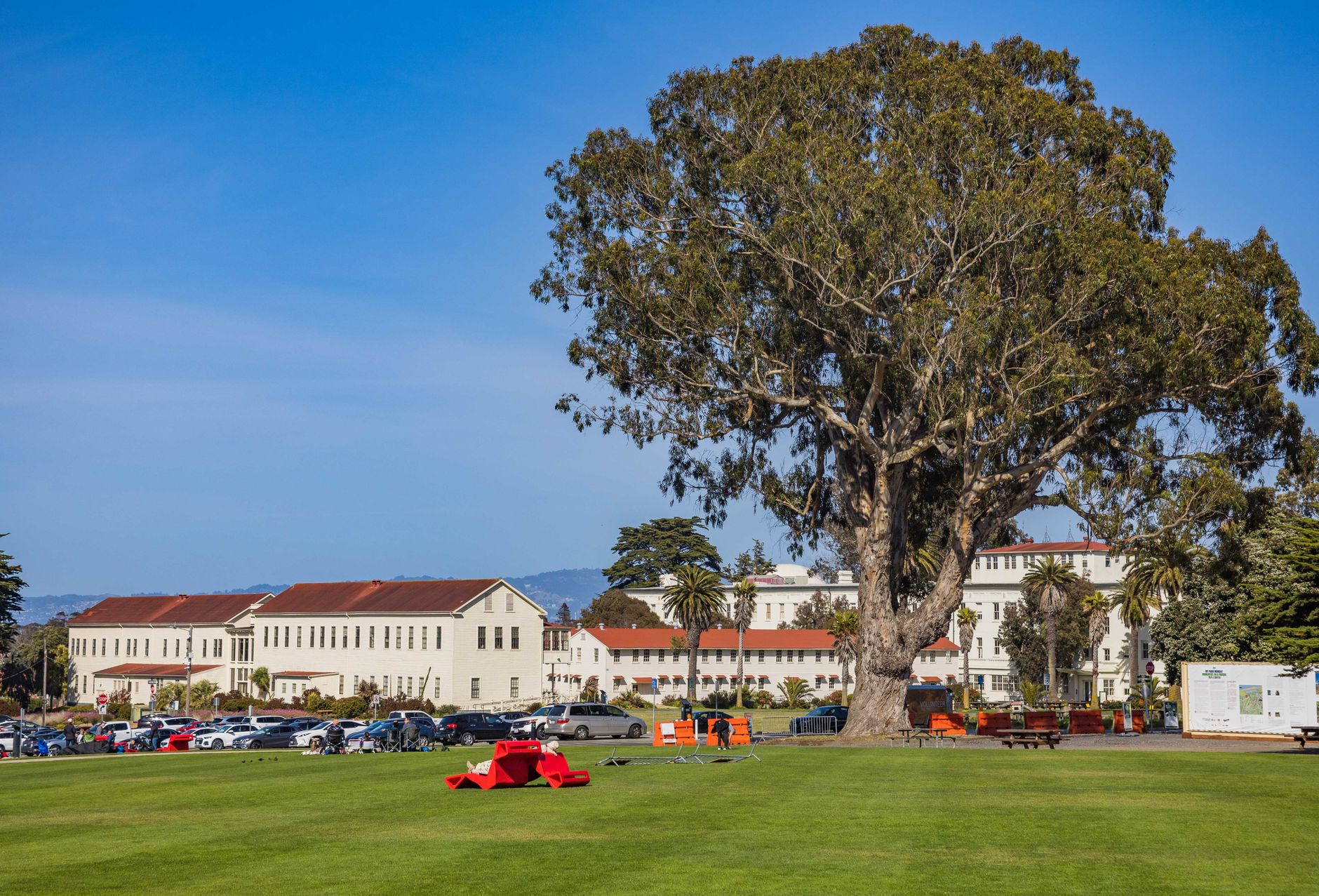
The best fits are open, relatively flat turf. An airport study of an automated mower notes that the machine was originally designed for sports fields and is better suited to relatively flat areas, and that standing water or swampy ground may be a problem. On a campus, that points first at athletic fields, practice fields, and broad lawns, where the layout is simplest to set up.
Size matters too. One manufacturer's sports clubs page states that its larger model maintains areas up to 6 acres per day without boundary wires, and its model for single fields and smaller turf areas handles up to 2 acres per day. Those are manufacturer specifications, not site results. The same airport study reports about 28 hectares (70 acres) of airfield turf cut at one site, which gives a sense of scale for an operating site.
Areas with tight corners, many islands of beds, or heavy obstacles usually stay with hand mowing or a different tool. The site assessment is where we sort that out, zone by zone.
How does the robot work day to day?
Setup happens before the first cut. The site is mapped, the cutting zones are defined, and the boundaries are set. Some machines run on a buried boundary wire, and installing that wire can be labor-intensive and may need professional help. Others use virtual boundaries or work without boundary wires, so the setup method is one of the choices we make during the assessment.
After that, the day is mostly quiet. The robot runs its zones on the schedule you set, returns to its charging station when the battery runs low, and heads back out. Battery capacity sets how long each run lasts, so the zone plan has to match the machine and the acreage. Staff check runs, clear obstacles, and watch wet low spots.
Upkeep does not disappear. Blades need sharpening, software needs updates, and boundary and charging hardware need periodic checks. A small crew can absorb those tasks, and we service the robot nationwide so the campus is not left to troubleshoot alone.
How does it work alongside existing staff?
A robot does not work alone on a campus. The grounds crew stays, and the robot takes the repetitive mowing so the crew can move to trimming, edging, repairs, and finish work. The university example in our notes is explicit that staff shift to higher service levels and detailed work rather than being cut.
The usual arrangement is a robot plus a smaller team, never zero staff. A campus might keep one or two grounds workers who oversee the robot, check the zones, and handle hand work while the machine covers the loop. That keeps a person accountable for the site and gives the crew real work when the machine is running.
We train the staff who will run the robot during deployment and integration, and we provide go-live support. The first weeks are when zones get adjusted, so we plan time for that rather than leaving it to chance.
What drives the savings?
The savings come from hours, not headcount. What changes is how many crew hours go into the repetitive mowing loop each week, and what those hours cover instead. The honest starting point is a baseline. Log the hours your crew spends mowing for several weeks, along with acreage and the number of cuts per season, and you will know what a robot would take over.
Some context helps set expectations. The Bureau of Labor Statistics projects 5 percent growth in grounds maintenance employment from 2025 to 2035, which is modest, so hiring alone will not always close a gap quickly. Hours are the lever a campus controls directly.
We did not find a verified figure for hours saved per week on school mowing, so we will not quote one. The site assessment produces an hour estimate from your own acreage, cut frequency, and crew schedule. The payment comes in the quote after that assessment.
What can the robot not do?
Plenty, and it helps to say so plainly. Manufacturer specifications are a ceiling, not a guarantee. The USGA Green Section Record reports that superintendents new to robotic mowing often find the machines cannot maintain as much acreage as the specifications state. The same article credits a productivity gain to using AI to optimize mowing zones and schedules, which is why zone planning matters.
Terrain and layout are the other limits. Standing water, swampy ground, and uneven ground all work against the machine, and battery capacity limits how long each run lasts. Setup labor is real, and a boundary wire may need professional help. Some areas will stay on the crew's list.
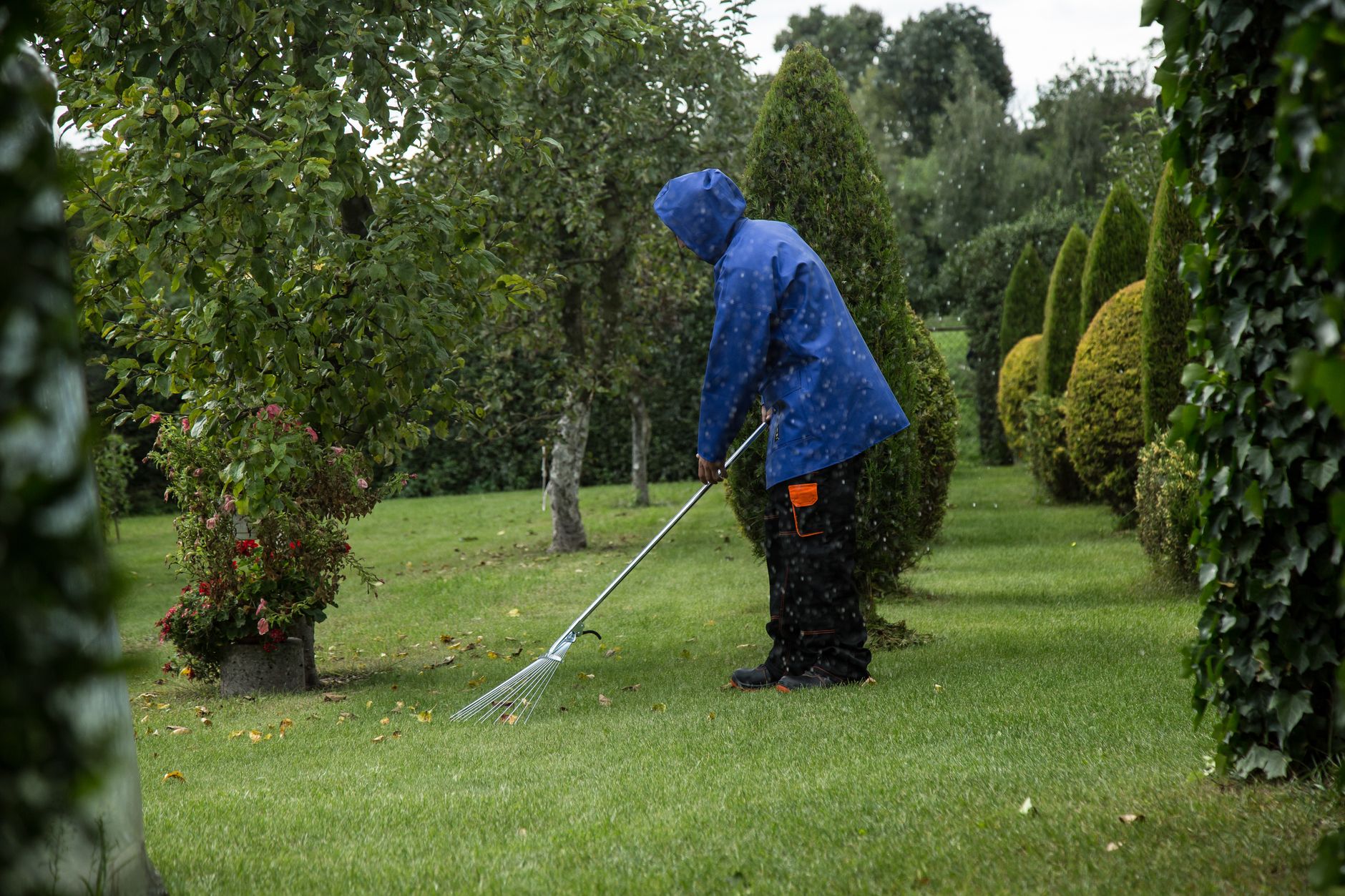
A robot also does not do the finish work. Edging, trimming along fences and walls, debris clearing, and detailed bed care still need people. Software and blade upkeep do not go away either. Being clear about those limits keeps the robot from becoming one more thing the crew has to rescue.
How do we get started?
Start with a free site assessment. We map the grounds, measure acreage by zone, note the flat and difficult areas, and review the crew's current schedule. From that we pick the right robot for the site rather than fitting the site to a machine. We are a vendor neutral integrator, so the recommendation is not tied to one maker.
Robots are leased through financing. The payment comes in a quote after the site assessment, once the zones, schedule, and staffing plan are settled. Deployment and integration follow: we set the boundaries, configure the zones, train the staff who will run the machine, and provide go-live support.
After go-live we service the robot nationwide, with on-site dispatch when something needs hands on it. Send us your acreage, current crew hours, and the areas you want covered, and the assessment will show where a robot fits and where it does not.
Frequently asked questions
Sources
- Bureau of Labor Statistics, Occupational Outlook Handbook: Grounds maintenance workers
- NCES Common Core of Data, 2024-25 summary
- KEZI news report on school groundskeeper shortage
- University campus sustainable landscapes page on robotic mower
- Manufacturer sports clubs page, robotic mower coverage specifications
- USGA Green Section Record, AI for autonomous mowers
- Case study of an automated mower at an airport, Sustainability journal
- Robotic mower guide for campus grounds management