
Key takeaways
- Robotic lawn mowers can run overnight, freeing daytime crews for edging, trimming and field care.
- In one reported case, three autonomous mowers needed one employee to operate, but a manned crew still handles the edges.
- Obstacles and narrow passages lengthen run times and create manual positioning and finishing work.
- Published trials report large gaps in energy and labor hours, but results depend on the turf layout.
- Staffing shortages make the case for robotic mowing as much as the mowing hours do.
How can robotic lawn mowers for public parks benefit a park?
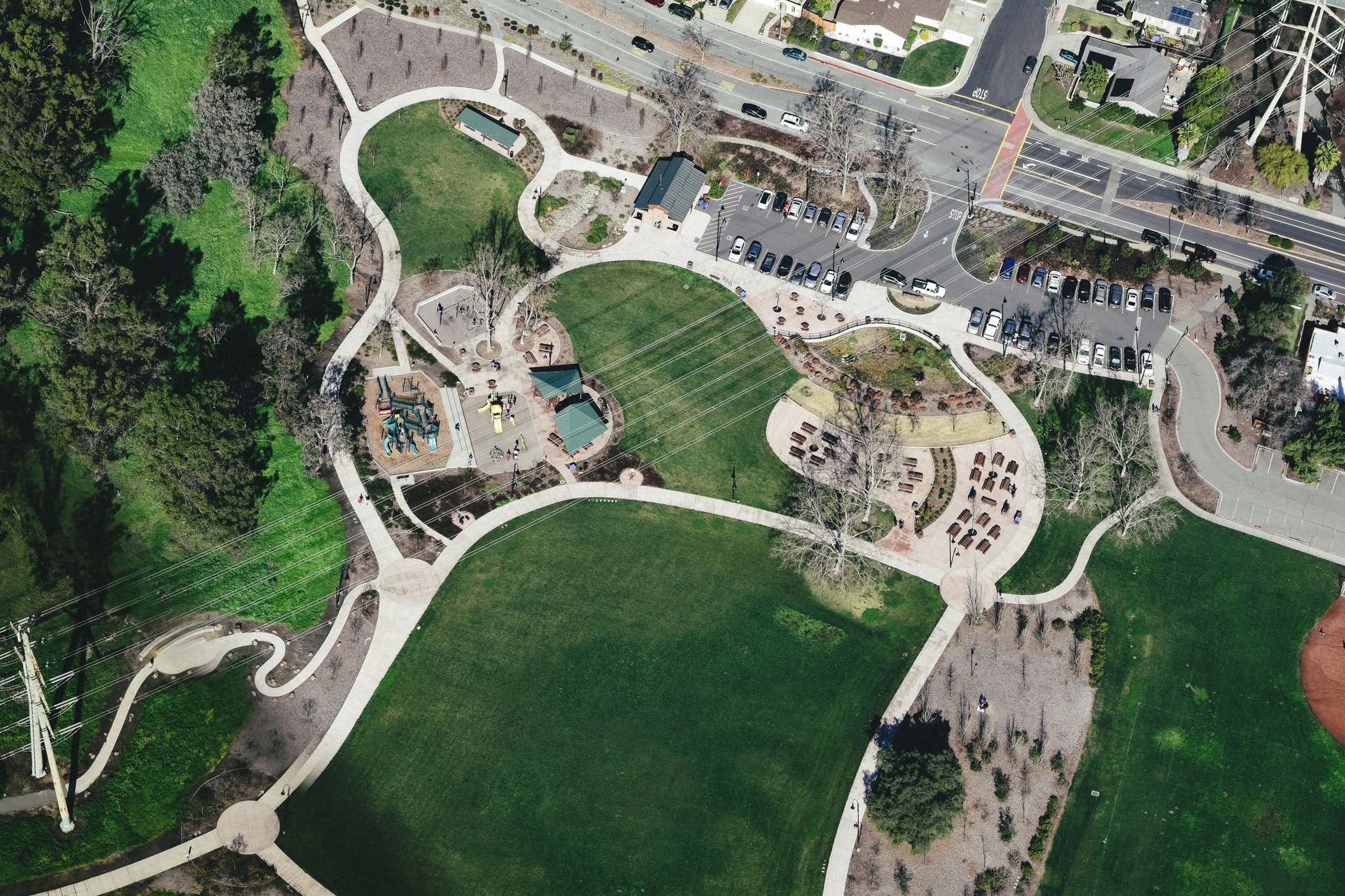
Robotic lawn mowers for public parks take on the bulk of the mowing on a municipal grounds crew's list, including the long open lawns, sports fields and perimeter turf that a manual crew can only reach a few times a week.
The main benefit is capacity. A machine on a schedule keeps turf cut at a steady height and frees daytime crews for edging, trimming and field care, without adding shifts to a roster that is already thin.
The clearest public example comes from the City of Manhattan, Kansas. According to WIBW, the city had 28 robotic mowers deployed, with 39 expected within a month. Its superintendent said manual crews would probably mow a sports field only twice a week, while the mowers run nightly from 11 pm when staff have gone home. Crews still do maintenance, stringing, trimming and edging.
What problem does mowing create at a park today?
Parks run on a labor model that struggles with volume. Municipal grounds are large, mowing peaks in the warm months, and the same people who mow are also asked to edge, trim, line and maintain facilities. When acreage grows faster than the roster, mowing is the task that slips first.
The labor pool is tight. According to the National Recreation and Park Association's summer seasonal hiring report on 2023 hiring, 97 percent of agencies hired summer seasonal staff, nine in 10 had hiring or retention challenges, and 56 percent diverted full-time staff to cover unfilled seasonal duties. When a summer role goes unfilled, the mowing lands on someone else's list.
Heat and outdoor work add pressure. In Franklin, Tennessee, Grounds Crew Chief Lee Williams said heat danger and hiring difficulty for outdoor work helped drive the choice of autonomous mowers, according to local news. The crew stays on the work that still needs a person.
What are the main benefits for a park operator?
The benefits fall into four areas. Each one matters differently depending on how a park is staffed and how its turf is laid out.
- More mowing hours without more daytime crew. Overnight runs, such as the 11 pm schedule in Manhattan, put cutting on the grounds when staff are gone.
- Crew time moved to other work. A Major League Baseball outfield trial reported the robot takes about 25 percent more time than a rider on a reel mower, but the operator is removed and that time moves to top dressing or irrigation work, according to Athletic Business.
- Less operator exposure. A 2020 Agronomy study notes that autonomous mowers run overnight and silently, and the operator is not exposed to exhaust, noise or injury.
- Lower energy use on uniform turf. A 2019 study of a 1,296 square meter lawn reported about 4.80 kWh per week for the autonomous mower versus 12.60 kWh per week for a gasoline rotary mower.

How does a robotic lawn mower work on park grounds day to day?
The day runs on a boundary and a schedule. Staff set the mowing area, the robot runs in quiet hours, and crews check it when they arrive. Most of the day's attention goes to the work that still needs a person.
Planning matters. In the 2019 study, the autonomous mower was set to 10 hours per day, about 7.8 hours of mowing and 2.2 hours of recharging. A traditional rotary mower took 1.02 hours per week for the same lawn. That split is a useful planning template: the recharge time has to be built into the schedule, while the rotary mower needs only a short weekly block.
Expect the robot to be slower than a rider. It still works while nobody is on the grounds, so the real question is whether its total weekly coverage meets the park's schedule.
Which areas of a park does the robot cover?
The robot works best on large, open turf with clear boundaries. Sports fields are the clearest case because the grass is uniform and the mowing area is big. Open lawns, practice fields and perimeter strips suit it well too.
Most of its time goes to the areas where a manual crew would otherwise cut only once a week. Edges along paths, playground surrounds and tight spaces around trees usually stay with a person. Treat the robot as a tool for coverage, not detail work.
What can a robotic lawn mower not do?
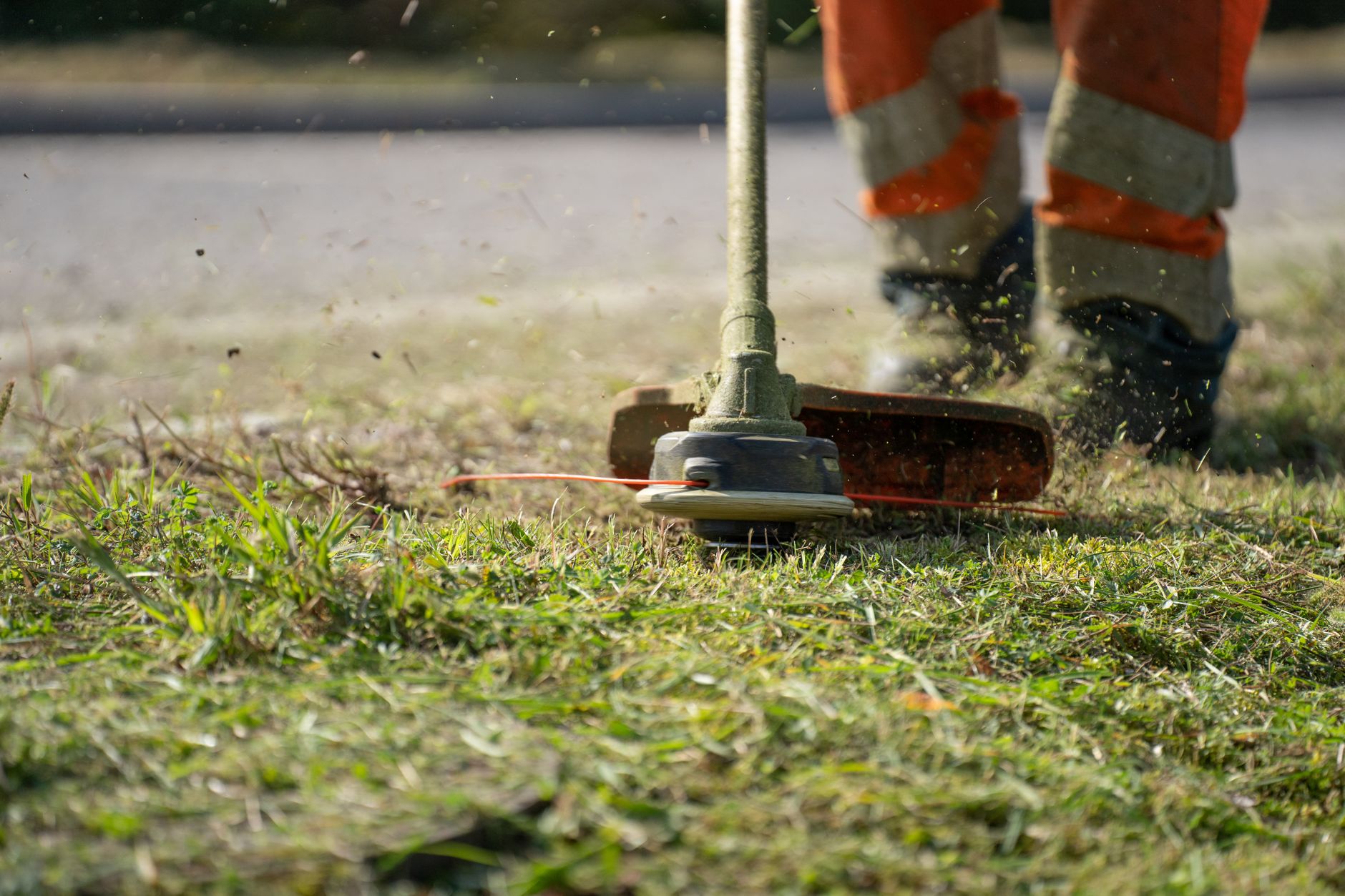
A robot does not do the whole job. The Franklin crew still does the edges, and Manhattan's crews still handle maintenance, stringing, trimming and edging. Expect the robot to take over a share of the mowing hours, not the detail work.
Obstacles slow it down. A 2020 Agronomy study found that on a site with many obstacles, mowers covered 90 percent of one area in about 2 hours, but a more obstructed site took 1.7 to 2 times longer. A 2019 study on one site found that obstacles and narrow passages meant mowers needed manual positioning and finishing work.
Site layout is the main variable. Before a boundary is set, the grounds should be walked and mapped so that obstacles, narrow gaps and hard edges are known in advance.
How do robots and existing staff work together?
The crew gets smaller on the mowing, not on the job. Franklin reported that three autonomous mowers need one employee to operate, versus three employees to mow the same area manually, and a manned crew still does the edges. That is the pattern to aim for: a robot plus a smaller team, with people on site every day.
The staff role shifts toward supervision, edging, maintenance and field care. In the Major League Baseball outfield case, the operator's time moved to top dressing or irrigation work. Staff also check the machines, clear the obstacles and handle the spots the robot cannot reach.
Training the team on the schedule and the boundary work is what makes the arrangement last, so plan for it before the first overnight run.
What drives the savings, in hours and labor?
The savings come from hours moved off manual crews, not from a single headline figure, because every park has its own mix of acreage, edges and staffing. Plan them as a range of hours and test that range on your own grounds. The clearest labor ratio in these sources is Franklin's, where three autonomous mowers need one employee to operate, versus three employees to mow the same area manually.
Hours are the other lever. The 2019 trial set the mower to 10 hours per day, while the traditional rotary mower took 1.02 hours per week for the same 1,296 square meter lawn. The gap shows that the robot's value comes from coverage on a schedule, not only from raw speed.
Scale explains why the labor math matters. According to the National Recreation and Park Association, the 10,000 plus local park and recreation agencies in the U.S. employ more than 160,000 full-time staff, plus hundreds of thousands of part-time and seasonal workers. Each of those agencies faces the same question: where do the mowing hours come from when seasonal roles stay open?
How do you get started with robotic lawn mowers for public parks?
Start with a free site assessment. We walk the grounds, map the boundaries and obstacles, and identify which areas suit the robot and which still need a crew. That gives a realistic picture of coverage before any commitment.
Robots are only leased, through financing. The payment comes in the quote after the site assessment, so the decision sits next to the crew hours and seasonal gaps you already track.
Service Robot Co. is a US commercial robot integrator. We pick the right robot for the site, lease it through financing, deploy and integrate it, train the staff and service it nationwide. The result is a park that gets more coverage without losing the people who keep it looking good.
Frequently asked questions
Sources
- WIBW, Manhattan deploys robotic lawnmowers in city parks (April 2026)
- Local news, autonomous mowers bring benefits to Franklin parks (2024)
- Athletic Business, turf care professionals entering the age of autonomous mowers
- MDPI Agriculture, autonomous mower study (2019)
- MDPI Agronomy, autonomous mower study (2020)
- NRPA Summer Seasonal Hiring Report
- U.S. Bureau of Labor Statistics, Occupational Outlook Handbook, grounds maintenance workers
- National Recreation and Park Association, salary survey