Key takeaways
- Parking garages present a dual challenge: constant debris accumulation and persistent security vulnerabilities.
- A combined fleet of robotic sweepers and security patrols can operate overnight, ensuring cleanliness and vigilance without disrupting peak hours.
- Autonomous robots reduce labor costs, mitigate slip-and-fall risks, and provide a visible security deterrent that improves visitor confidence.
- An OEM-neutral integrator is key to deploying and managing a mixed fleet of specialized robots from different manufacturers.
- Automated systems provide consistent, verifiable performance data, taking the guesswork out of facility maintenance and security.
What Is the Dual Challenge of Parking Structures?
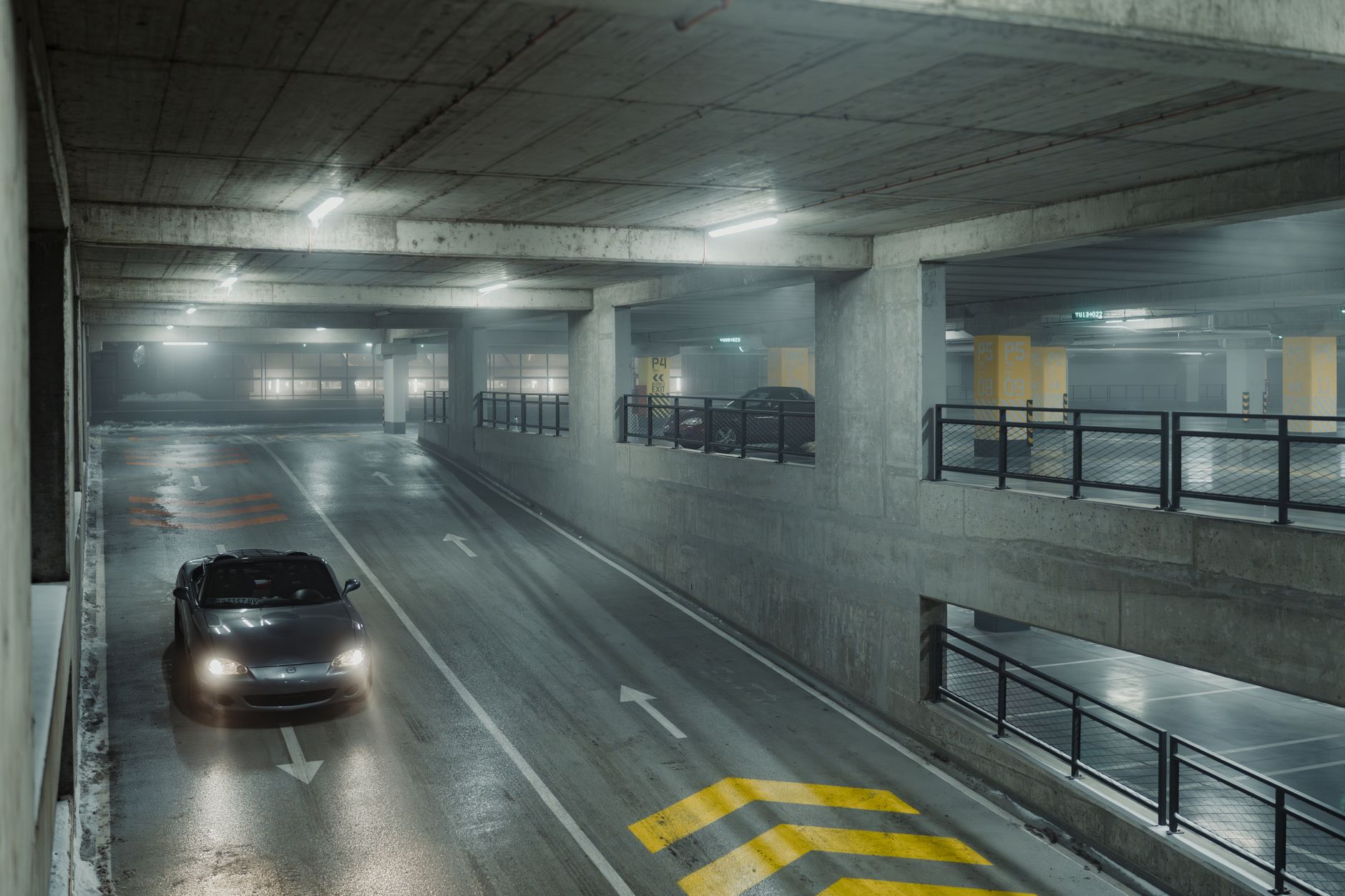
Multi-story parking garages are harsh, demanding environments. They are the first and last impression for visitors to offices, shopping centers, and airports, yet they are notoriously difficult to maintain. The challenges are twofold: relentless filth and persistent security risks.
Vehicles constantly track in dirt, salt, oil, and debris, creating slip hazards and accelerating the deterioration of the structure itself. At the same time, their isolated corners, poor lighting, and predictable lulls in traffic make them magnets for crime. According to the FBI, parking facilities are the third most common location for violent crime. More than half of all people surveyed in one study feel least safe in parking areas compared to other retail spaces.
A modern, effective approach requires tackling both problems at once. An automated strategy, pairing autonomous floor sweepers with security patrol robots, provides a continuous, powerful response to keep these critical facilities clean, safe, and welcoming.
Why Do Manual Methods Fall Short in a Garage?
The sheer scale of a multi-level parking structure makes manual cleaning a losing battle. The vast expanses of concrete are too large for spot-cleaning to be effective, and comprehensive cleaning is highly disruptive during operating hours. Scheduling a human crew for overnight cleaning involves significant labor costs and supervision challenges.
Furthermore, the nature of the work is physically demanding and repetitive. Manual sweeping is slow, raises dust, and is often inconsistent from one shift to the next. According to the International Sanitary Supply Association (ISSA), manual mopping typically achieves a productivity rate of only 2,000 to 2,700 square feet per hour. This inefficiency means cleaning is often done less frequently than needed, allowing grime and safety hazards to accumulate.
How Does an Autonomous Sweeper Handle a Parking Garage?
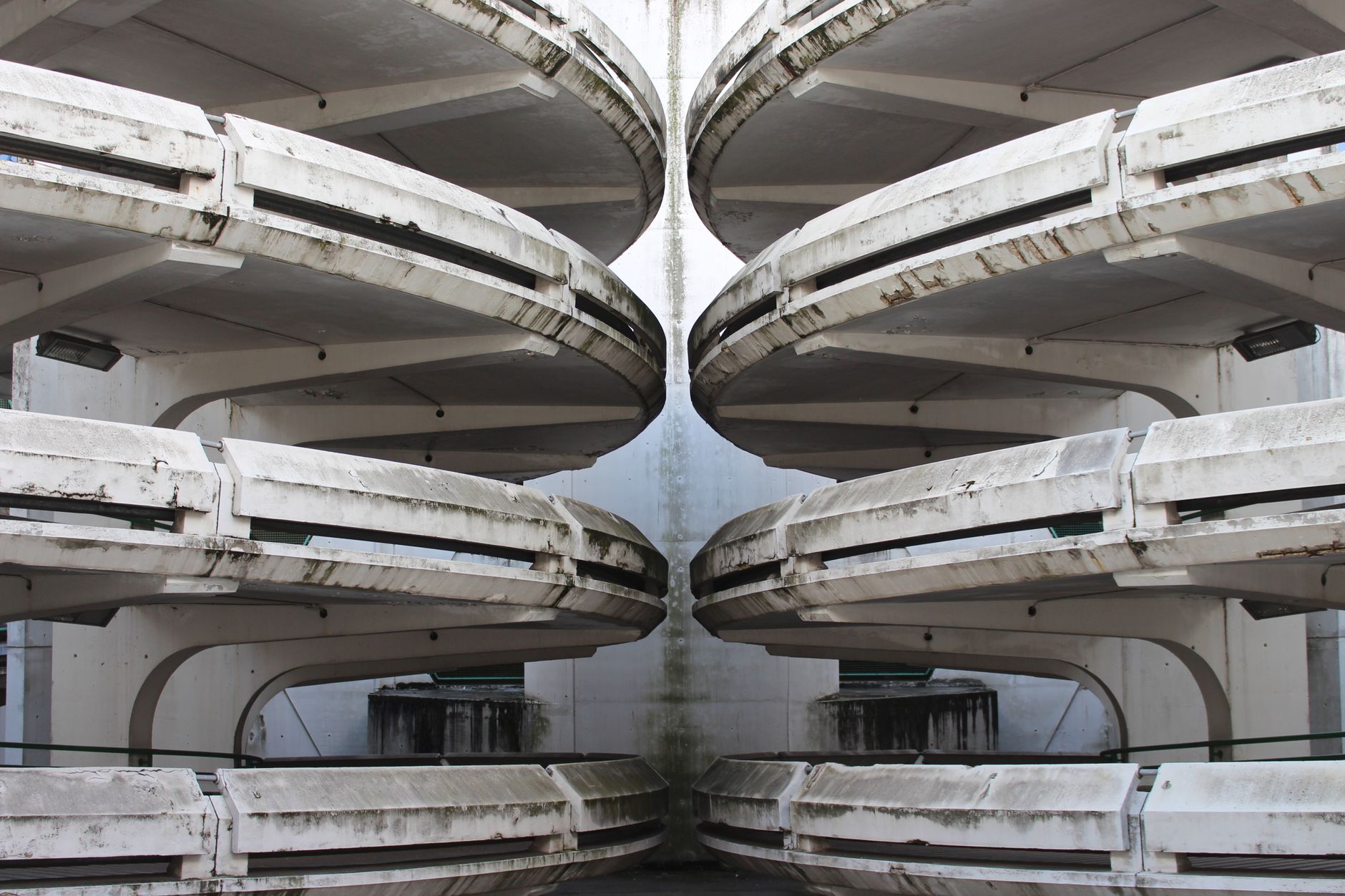
An industrial floor sweeping robot is engineered specifically for large, challenging environments like parking garages. Unlike manual methods, these machines provide consistent and thorough cleaning, operating for hours without fatigue or a drop in performance. They can cover tens of thousands of square feet per hour, a tenfold increase over manual productivity.
Using advanced navigation systems like LiDAR, these robots map the entire facility, including the ramps between levels. They are programmed to run on a schedule, typically during off-hours or overnight, for true lights-out cleaning with no operator present. This allows for daily cleaning that would be logistically impossible with a manual crew.
These autonomous mobile robots effectively collect the fine dust, gravel, fluid residue, and trash common to garages. This not only improves aesthetics but directly addresses safety by removing slip-and-fall hazards before they can cause an incident.
What Is the Role of a Robotic Security Patrol?
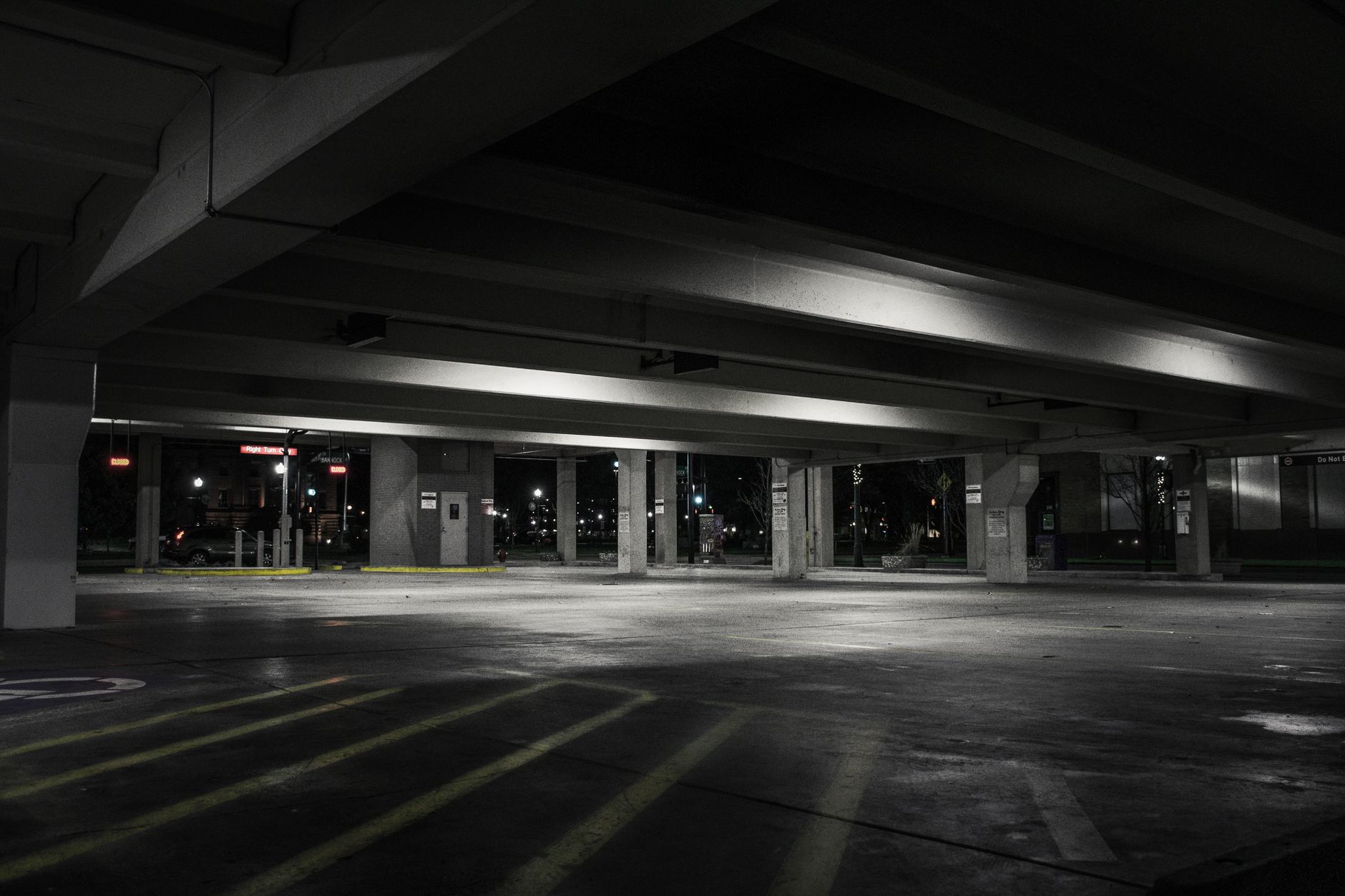
While sweepers address physical hazards, security patrol robots tackle human ones. Parking facilities are a leading location for vehicle break-ins, theft, and even violent assaults. An autonomous patrol robot provides a persistent, visible deterrent that criminals find difficult to ignore.
These robots autonomously patrol designated routes 24/7, never tiring or becoming complacent. Equipped with 360-degree cameras, thermal imaging, and other sensors, they can detect unauthorized presence, identify unusual activity, and stream real-time data to a central monitoring station. Their visible presence alone can significantly reduce crime; some studies have shown drops in theft and vandalism by up to 40% in areas where robotic patrols are introduced.
This frees human security personnel from monotonous and often dangerous patrol routes, allowing them to act as high-level responders when the robot detects a genuine issue. The robot becomes a force multiplier, extending the reach and effectiveness of the human security team.
The Synergy of a Combined Robotic Fleet
The true power of this approach lies in deploying both types of robots in concert. The cleaning robot creates a safer, more orderly environment. Well-maintained floors are less likely to cause injuries, and a clean space is inherently easier to monitor, with fewer shadows or debris piles to conceal threats.
Simultaneously, the security robot ensures the facility is protected while the cleaning happens overnight. It provides a watchful eye, documenting conditions and deterring potential criminals who might see an empty, late-night garage as an opportunity.
Both systems generate valuable data. Facility managers can review cleaning reports to confirm coverage and identify problem areas, while security logs provide a complete, unbiased record of patrols and any incidents that occurred. This creates a verifiable and consistent standard of care.
Can One Partner Manage a Fleet of Different Robots?
A significant operational hurdle is that the best robotic sweeper and the most effective security robot often come from different manufacturers. This can leave a facility manager juggling multiple software platforms, service contracts, and vendor relationships, which complicates deployment and maintenance.
This is where a vendor-neutral robot integrator becomes essential. At Service Robot Co., we specialize in assessing your specific facility needs to select the right machines for the job, regardless of the brand. We are OEM-neutral, meaning our loyalty is to your operational success, not to a single equipment maker.
As a full-service integrator, we provide one point of contact for the entire lifecycle. From the initial site assessment and mapping to financing, deployment, staff training, and ongoing service, you have one partner and one number to call. Our nationwide network of US engineers handles all maintenance and repairs, ensuring your fleet operates with minimal downtime.
What Are the Financial and Operational Benefits?
Adopting an automated strategy delivers clear, measurable returns. It directly addresses labor shortages and rising costs by reallocating staff from repetitive cleaning and patrol tasks to more valuable roles. The robots handle the dull, dirty, and dangerous work, consistently and reliably.
The financial impact on liability is substantial. The national average settlement for a slip-and-fall case on commercial property is significant, potentially running into hundreds of thousands of dollars. Consistent, automated cleaning provides a powerful defense against such claims. Likewise, reducing crime prevents losses from theft and vandalism while protecting against negligent security lawsuits, which can also carry six-figure settlements.
The result is a cleaner, safer, and more appealing facility, managed with greater efficiency and lower risk. This enhances the visitor experience, protects assets, and delivers a strong return on investment.
How Do You Begin with Robotic Automation?
Implementing a robotic fleet is a structured process. It begins not with a purchase order, but with a conversation and a thorough evaluation of your property. A free site assessment is the first step to understanding the unique layout, traffic patterns, and specific cleaning and security challenges of your parking structure.
Following the assessment, a robot pilot program allows you to validate the technology in your actual environment. This try-before-you-buy approach ensures the selected machines meet your operational demands. Flexible financing models, such as a RaaS monthly subscription or other robot rental and leasing programs, make the technology accessible without major upfront capital expenditure.
A phased deployment, managed by an experienced integrator, ensures a smooth transition without shutting down operations. Proper integration and training for your staff are key to maximizing the value of your automated workforce from day one.