
The question, in the buyer's words
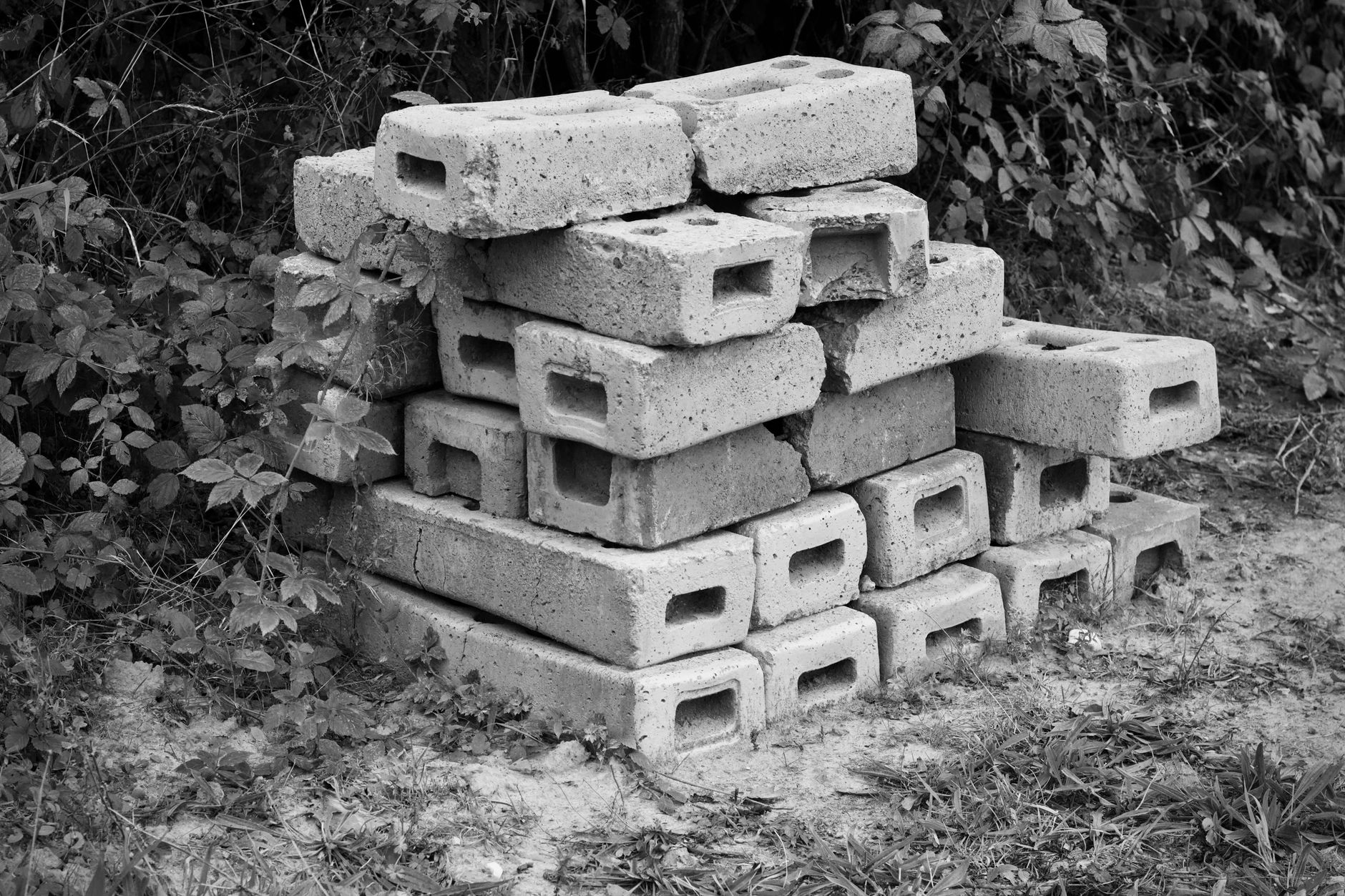
I run four concrete block plants in Alabama, and the yards are dusty and two-person crews keep getting hurt; I don't know which robot type fits a block plant or whether it's worth looking at yet.
Key takeaways
- A robot fits the repeated lifting and pallet moves at a block plant more often than it fits the dusty yard.
- Silica control at a block plant is an engineering and wet methods job first, and a robot second if at all.
- BLS reported a total nonfatal injury incidence rate of 8.3 for block and brick makers in 2013, the latest figure for this code in our research.
- Alabama production workers in manufacturing averaged 44.3 hours a week in April 2026, according to FRED.
- A free site assessment is the fastest way to test fit at each plant before any lease quote.
Which robot type fits an Alabama block plant?
If you run four concrete block plants in Alabama, the first step is to split your problem in two. Crews getting hurt usually points to handling: lifting, stacking, pallet moves and repeated bending at the end of the line. Dusty yards point to ground cleaning and silica control. Those need different tools and a different plan, and treating them as one project is the most common way to pick the wrong equipment.
A robot is worth a look only where a repeated task has a clear start and end, a steady flow of product, and a floor or route a machine can travel without people working around it. That description fits some block plant work and leaves much of it out. Sort your tasks by what repeats and what needs judgment before you talk to anyone about hardware.
How often are block and brick workers hurt?
The Bureau of Labor Statistics groups block plants under NAICS 327331, concrete block and brick manufacturing. According to the BLS summary historical table, that code recorded a total nonfatal injury incidence rate of 8.3 in 2013, up from 6.1 in 2012. A companion table in the same BLS file lists 8.6 and 6.2 for those years, so the published figures do not perfectly agree. The data is more than a decade old, so read it as a sign of exposure, not as a rate for today's plants.
Your own OSHA 300 logs will tell you more than any industry average. Sort the recordable cases by task, body part and shift. If most strains come from stacking or pallet moves, a robot has a real target. If most come from the yard, a robot may not reach the cause.
Why is the dust in the yard hard for a robot?
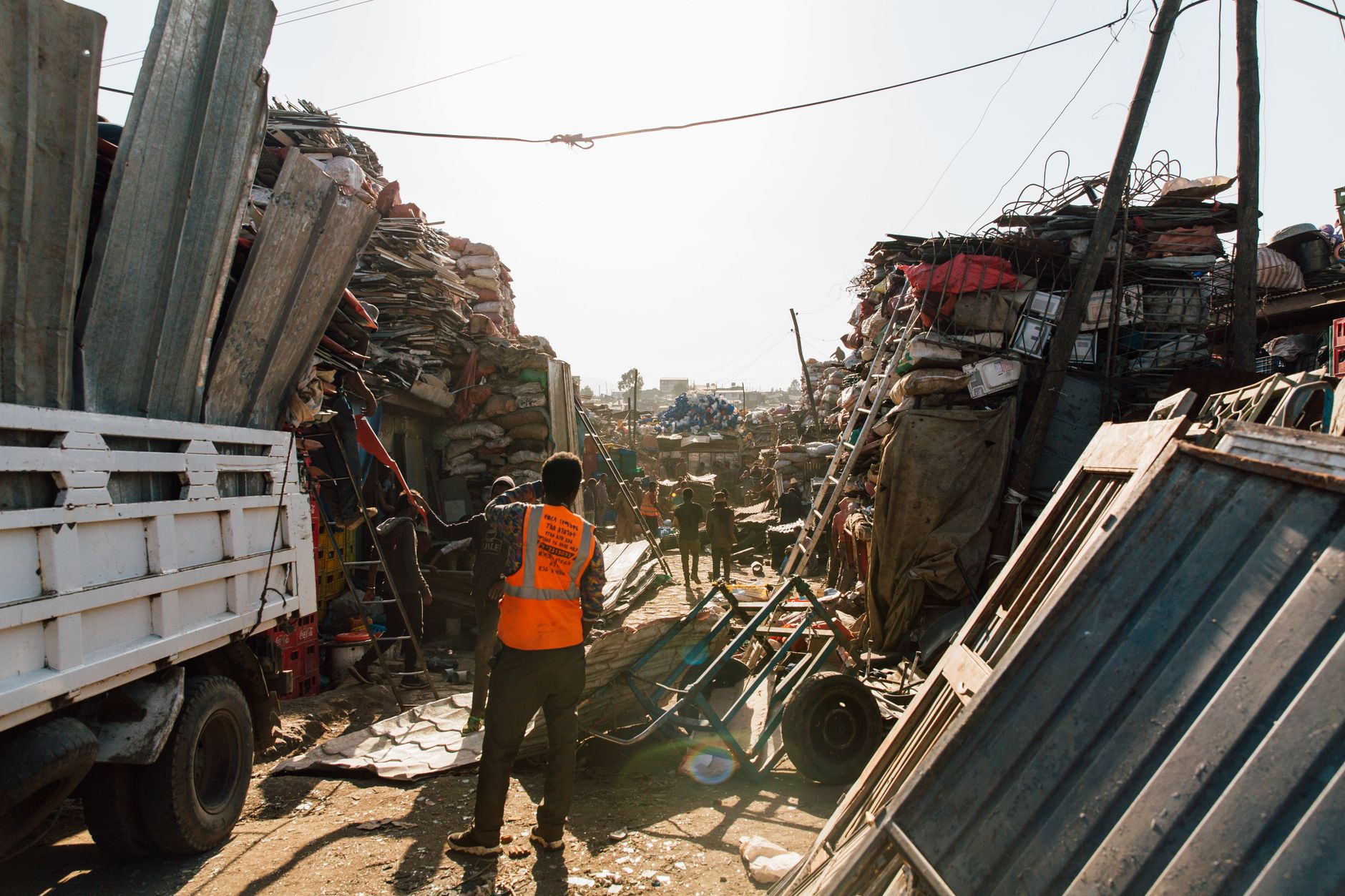
Silica is the dust that matters. According to OSHA, respirable crystalline silica is found in sand, concrete, brick, stone and mortar. The construction standard at 29 CFR 1926.1153 sets a permissible exposure limit of 50 micrograms per cubic meter as an 8-hour time-weighted average, with an action level of 25 micrograms. The old construction limit was 250 micrograms. Block plants generally fall under a separate OSHA rule for general industry, which we did not verify for this page, so confirm the standard that applies to your plants with your safety advisor.
Silica is controlled at the source. That means water or other wet methods on haul roads and stockpiles, enclosure at crushing and transfer points, and ventilation where dust is released. None of those are robots. A floor machine that stirs up dry dust without proper controls can add to the problem, so any dust control plan has to come before the equipment.
Which robot types fit block plant work?
Three robot types have a real case at a block plant, and each needs one specific task. A collaborative robot arm, often called a cobot, can palletize at the end of the line, stacking cured block onto pallets in a fixed pattern. A cobot is built to work near people and suits a station with steady flow and one stack pattern. Pattern changes that happen every shift weaken the case.
An autonomous mobile robot, or AMR, can carry pallets between the machine, the curing area and the staging zone on set routes. An AMR pallet transport job needs a clear, mapped floor and a route that does not cross open yard ground with uneven surface and mixed traffic. Those conditions are much harder than a paved plant aisle, and the route has to be walked before anyone promises it.
An autonomous floor scrubber works indoors on a hard, mapped floor and can clean the plant floor overnight when the floor is clear. It does not clean open ground. We did not verify a robot for unpaved yard sweeping in this research, so we are not claiming one here. If the yard is your main dust source, the plan starts with the control measures listed above.
- Repeat stacking
Robot
Stacks the same pattern for long stretches without fatigue, if the pallet and block arrive on time
Staff
Slows over a long shift and strains backs and shoulders, but handles uneven loads with care
- Pattern change
Robot
Needs reprogramming and a tested route for each new pattern or pallet type
Staff
Changes pattern on the spot without a setup step
- Dust and yard
Robot
Does not control silica or clean open ground
Staff
Can run wet methods, check stockpiles and see visible dust
- Judgment
Robot
Follows its route and stops at obstacles, but does not judge a cracked or off-spec block
Staff
Spots a damaged block or a jammed pallet and decides what to do
- Shift coverage
Robot
Runs set hours if charged and the route is clear, with no break for a meal
Staff
Takes breaks and shift changes, and covers a call out with a change of plan
Where does a robot not fit a block plant?
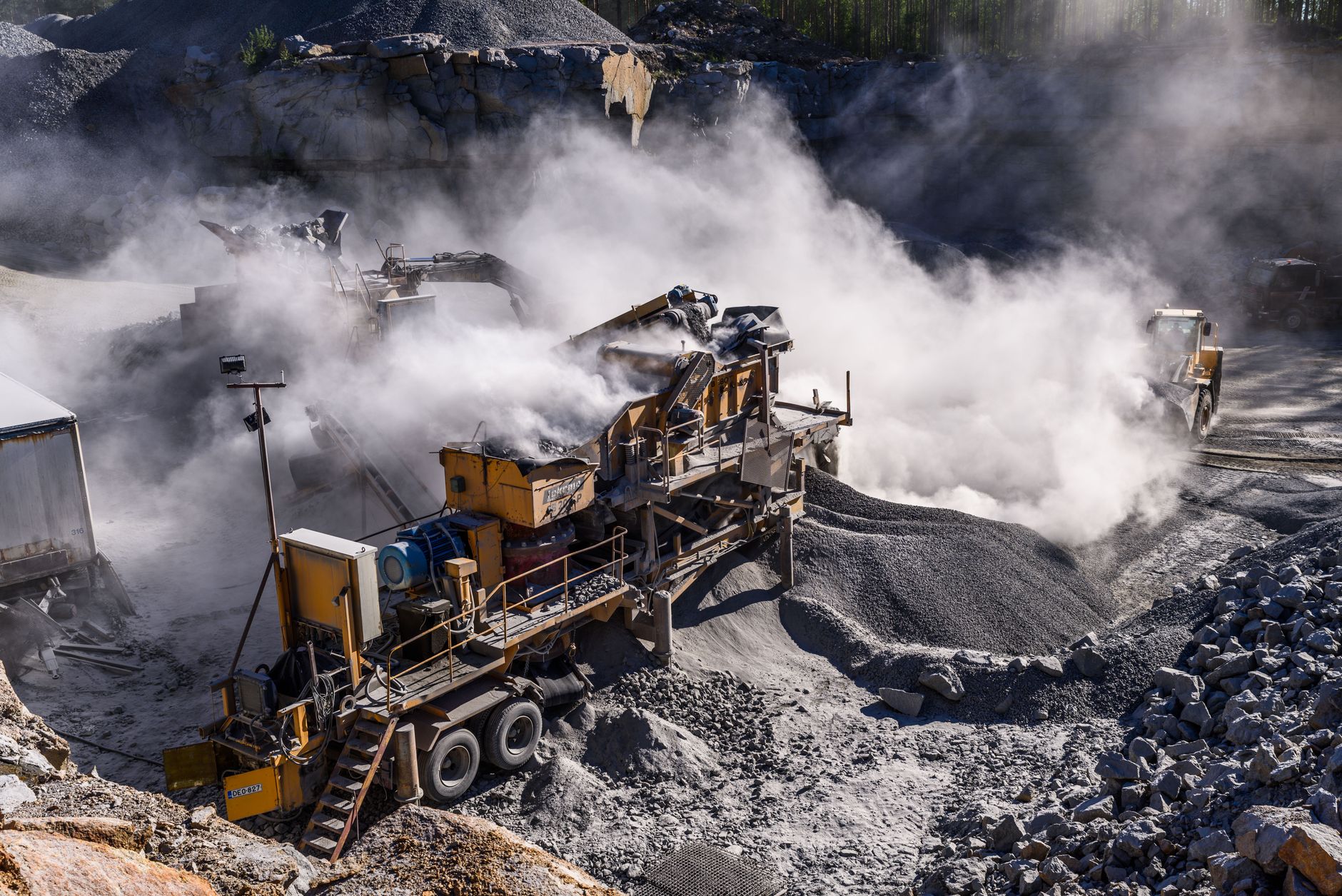
Much of a block plant does not fit a robot, and saying so keeps you from paying for a machine that cannot do the job. Loader operation, equipment repair, mold changes, quality checks on a cracked or out-of-spec block, and any work on uneven or muddy ground all need people. Frequent changes in block size or pattern also make a fixed robot routine hard to justify.
Outdoor dust is the clearest case of no fit. A robot cannot replace a dust control plan, wet methods on roads or enclosures at transfer points. If the yard is the main source of exposure, a robot may leave the problem where it is while the crew keeps breathing it.
Plant size matters too. A robot needs a route, a charging spot and a working network connection. A plant with a single line and short hours may not give a robot enough working time to earn its place. Four plants mean four separate site checks, because a fit at one plant does not carry over to the others.
What do Alabama's labor market and climate mean for a robot?
Alabama's manufacturing hours show a labor picture with little slack. According to the St. Louis Fed's FRED series, average weekly hours for Alabama production workers in manufacturing were 44.3 in April 2026, down from 44.6 in February 2026. When hours and headcount are tight, the workers left on shift cover the lifting, which is exactly the work you are trying to protect. National turnover data points the same way. According to JOLTS figures as summarized by Relia, manufacturing quits were about 2.1 million in 2025, with an average quit rate of 1.4 percent a month, down from 2.4 percent in 2021.
Heat is the local factor to plan for. According to WeatherSpark, citing NOAA normals, Birmingham's July normal high from 1991 to 2020 is 91 degrees Fahrenheit. Charging, motor heat and control cabinet cooling belong on your site check list, and the equipment's rated operating range should be confirmed in writing. Birmingham is only one point in the state, and we did not verify a statewide Alabama summer average, so check conditions at each plant instead of assuming one reading covers all four.
How many block plants are there in the US?
The count is small, so lessons from one plant tend to carry to others. IBISWorld estimated about 420 businesses in concrete pipe and block manufacturing in 2026, a figure that includes pipe makers. According to the NCMA CMU Sales Survey reported by Concrete Products in 2020, the sample covered 187 plant locations from 39 companies in the United States and Canada. That is a survey sample, not a full census, so use it as a sense of scale, not a head count.
Robot demand is also rising across industries. According to A3, North American robot orders rose 6.6 percent in units in 2025, the highest annual total since 2022, and collaborative robots made up 19.6 percent of units ordered. A rising market does not tell you whether a block plant's stacking line fits. That answer comes from your floor.
For four plants, the practical move is one pilot. Pick the plant with the worst handling record, test one task, and measure the result before you decide on the others.
How does getting a robot work with us?
We are an integrator, not a single-brand seller. We pick the robot for each site from more than one manufacturer, lease it through financing, deploy and integrate it, train your staff, and service it under our service plan, backed by regional service engineers in every state we serve. One partner handles the whole lifecycle, so you do not manage several vendors and their separate service calls.
The quote comes after a free site assessment, so the terms reflect your own plant, route and task rather than a generic offer. Leasing spreads the equipment over the financing term, and the agreement spells out what happens at the end before you sign.
Should you look at a robot now?
Yes, but only for handling tasks, and only at the plant where the injury record and the layout line up. Start with a free site assessment at the plant with the worst record. Ask for written answers on the task, the floor, the route, the heat range and the service response time. If the answer is no for palletizing and no for AMR routes, take that answer and keep your people and your dust plan.
Do not expect a robot to fix the yard dust. Fix the dust with a plan and controls first, then decide whether a robot adds anything after that. The honest outcome may be a smaller robot project than you hoped for, and that is still a good result for your crews.
Frequently asked questions
Upcoming manufacturing events
- Trade showBrats & RobotsNov 10, 2026Alliant Energy Center Exhibition Hall, Madison, WI
- Trade showMATE Farm & Ranch ShowFeb 11 to 13, 2027MetraPark, Billings, MT
- ExpoPFMA Expo 2027Feb 17 to 18, 2027Washington County Fair Park, West Bend, WI
- ExpoLouisville Facilities Maintenance ExpoApr 15, 2027Mellwood Art Center, Louisville, KY
Want a robot at your concrete block plants and yards?
Tell us about your site. We will recommend the robot, quote the lease, and keep it serviced.
Sources
- BLS Summary of Work Injuries historical table
- OSHA respirable crystalline silica, construction information
- IBISWorld, concrete pipe and block manufacturing number of businesses
- Concrete Products, NCMA CMU Sales Survey 2020
- FRED, Alabama average weekly hours, manufacturing production workers
- Robotics 24/7, A3 2025 North American robot orders
- WeatherSpark, Birmingham Alabama average weather
- Relia, JOLTS manufacturing turnover summary