
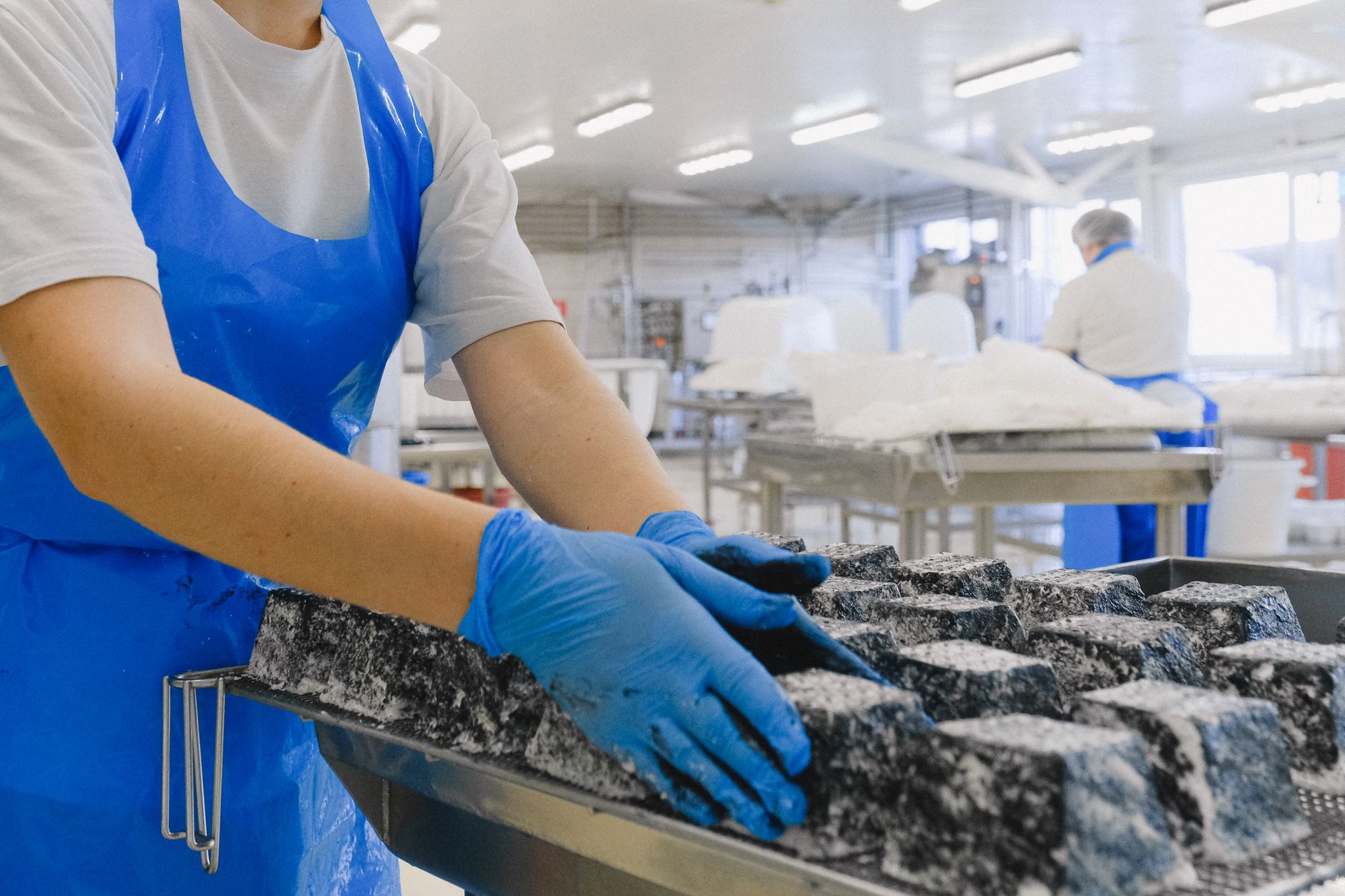
The question, in the buyer's words
I run a 45-person pickle and relish plant in Cincinnati, Ohio, and our packers still scoop peppers and brine into jars by hand every shift while we lose people faster than we can train replacements; could one cobot start filling jars on our line this season?
Key takeaways
- A cobot fits a fixed, repeatable jar step better than loose pepper scooping.
- One arm rarely covers a full shift, so plan for one station first.
- Food-contact surfaces and washdown rules shape the design before the arm is picked.
- Time your own packers for two shifts, because public figures do not describe pickle lines.
- The quote follows a free site assessment, and the lease runs through financing.
Can a cobot fill jars at a Cincinnati pickle plant this season?
The phrase scoop peppers and brine into jars hides three jobs. The first is getting product into the jar, which is the hardest to automate because peppers come in irregular pieces and brine is a liquid that must be dosed to a level. The second is moving empty and full jars between stations, which is repeatable work well suited to a collaborative robot arm, meaning an arm designed to work near people at reduced speed. The third is checking fill and rejecting bad jars, which still needs a trained eye on the hard cases.
The realistic first project is one station, not the whole filling line. A single leased unit at one station shows you how your jars, lids and product behave under a robot before you commit to more. Whether it can go live this season depends on your production calendar and on how much change that station needs, and the site assessment is where those answers come from.
Why is packer turnover so hard to fix on a pickle line?
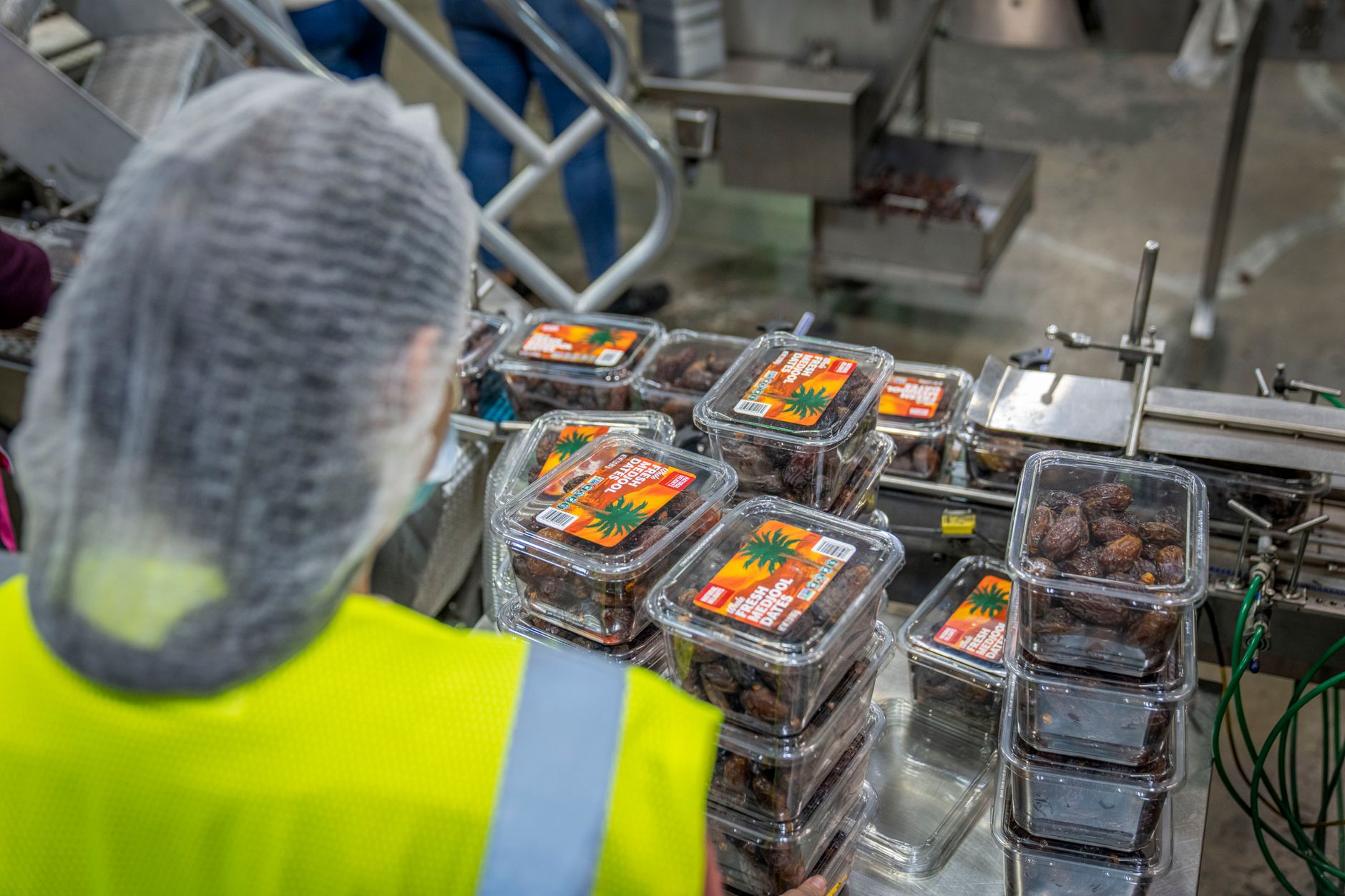
No turnover rate specific to food or pickle packing was found, so your own separation records are the number that counts. The closest official figures are economy-wide. According to a third-party summary of the BLS JOLTS annual data for 2025, the hires rate and the separations rate were both 3.3 percent. That summary was not checked against the BLS tables themselves, and it describes the whole economy, so a packing floor with repetitive work, heat and night shifts may churn faster. Your records will show how much.
The sector is large and draws on the same labor pool you do. According to the Bureau of Labor Statistics, food and beverage manufacturing employed 16 percent of all manufacturing workers in 2024, the largest share of any of the 20 manufacturing industries. The BLS industry profile for food manufacturing, NAICS 311, puts employment at about 1,780 thousand, seasonally adjusted, from November 2025 through February 2026.
Locally, the Cincinnati metro area had 124.4 thousand manufacturing jobs in December 2025, not seasonally adjusted, according to the Federal Reserve Bank of St. Louis economic data series built from BLS figures. A metro with that much factory employment means your packing roles compete with other plants, warehouses and maintenance trades, so a staffing gap is rarely solved by a single hiring push.
What can a cobot realistically do on a pickle line?
A cobot handles rigid, repeatable motions well: picking empty jars from a conveyor, setting them at a fixed fill point, moving full jars to a lidding or inspection spot, and placing them in cases. Loose, irregular product is a different problem. Pepper pieces vary in size and shape, so an arm that scoops them needs a tested gripper, sensing or a dosing device, and a site assessment has to try that setup on your actual product. Brine is usually better handled by fixed dosing hardware, so the arm's role is often to position jars and hold them while equipment works.
Food plants are adding robots, though from a small base. According to a robotics trade publication, citing preliminary figures from the International Federation of Robotics, US food sector installations rose 30 percent in 2025 to about 3,000 units, while overall US installations rose 11 percent to 38,000 units. Growth is real, but adoption figures say nothing about whether a given station will work, so judge your own line.
A cobot is also not a high speed filler. Its value is steady, safe work beside people, and it slows or stops when someone enters its zone. If your throughput needs outpace a hand line, you may need dedicated filling equipment with an arm for handling, and the integrator should put that comparison in writing.
- Repeatable jar moves
Cobot
Same motion every cycle, with no fatigue from repetition
Staff
Accurate, but tires and slows over a long shift
- Irregular peppers
Cobot
Needs a tested gripper or sensing setup and may struggle with odd pieces
Staff
Reads each piece by feel and sorts quickly
- Jar and lid changeovers
Cobot
Needs reprogramming or a tool change for each jar size
Staff
Adjusts by eye in seconds
- Fill checks and rejects
Cobot
Checks against defined sensor criteria
Staff
Judges odd fills and damaged glass from experience
- Night shift coverage
Cobot
Runs without a person at the station if the line allows it
Staff
Needs a crew member on every shift, plus training
- Hiring and training
Cobot
No new hires for that station, but staff must learn to supervise it
Staff
Continuous recruiting, training and turnover
- Sanitation and washdown
Cobot
Depends on the chosen unit and its washdown rating, confirmed in the site assessment
Staff
Hands follow food safety training and the sanitation procedure
How much of each shift is hand work a cobot could take?
The research did not produce verified hour figures for pickle packing, so this page does not say how many hours a shift the hand jar work takes. Any cobot project should start from a measured baseline. Time one station for two full shifts and record jars filled by hand, minutes spent scooping, minutes lifting empty and full jars, and minutes lost to rejects and to gaps when a packer is missing.
The table below shows which tasks are candidates. The right-hand column describes the expected role of the robot, not a measured time saving, because that number depends on your line and your baseline.
What do food safety and robot safety rules change for your plant?
Two sets of rules shape the design. The first is hygiene. Any surface that touches product needs a material and cleaning method suited to food processing, and the arm, its cover and its mounting must survive your sanitation routine. Confirm which surfaces are product contact and which washdown method applies before you choose a unit, because a cobot that cannot take your wash water will not last on this floor.
The second is the robot safety standard. According to Automate, ANSI/A3 R15.06-2025 is the first major US revision in over a decade. It replaces the 2012 edition, is adapted from ISO 10218-1:2025 and ISO 10218-2:2025, folds in collaborative content from ISO/TS 15066, and calls these systems collaborative application rather than cobot. It also adds cybersecurity requirements. Automate reported that a part aimed at end users, covering cells, was expected later in 2025, but its publication status was not verified for this page, so ask your integrator which edition the cell is built to.
What moves the cost of a jar filling cobot up or down?
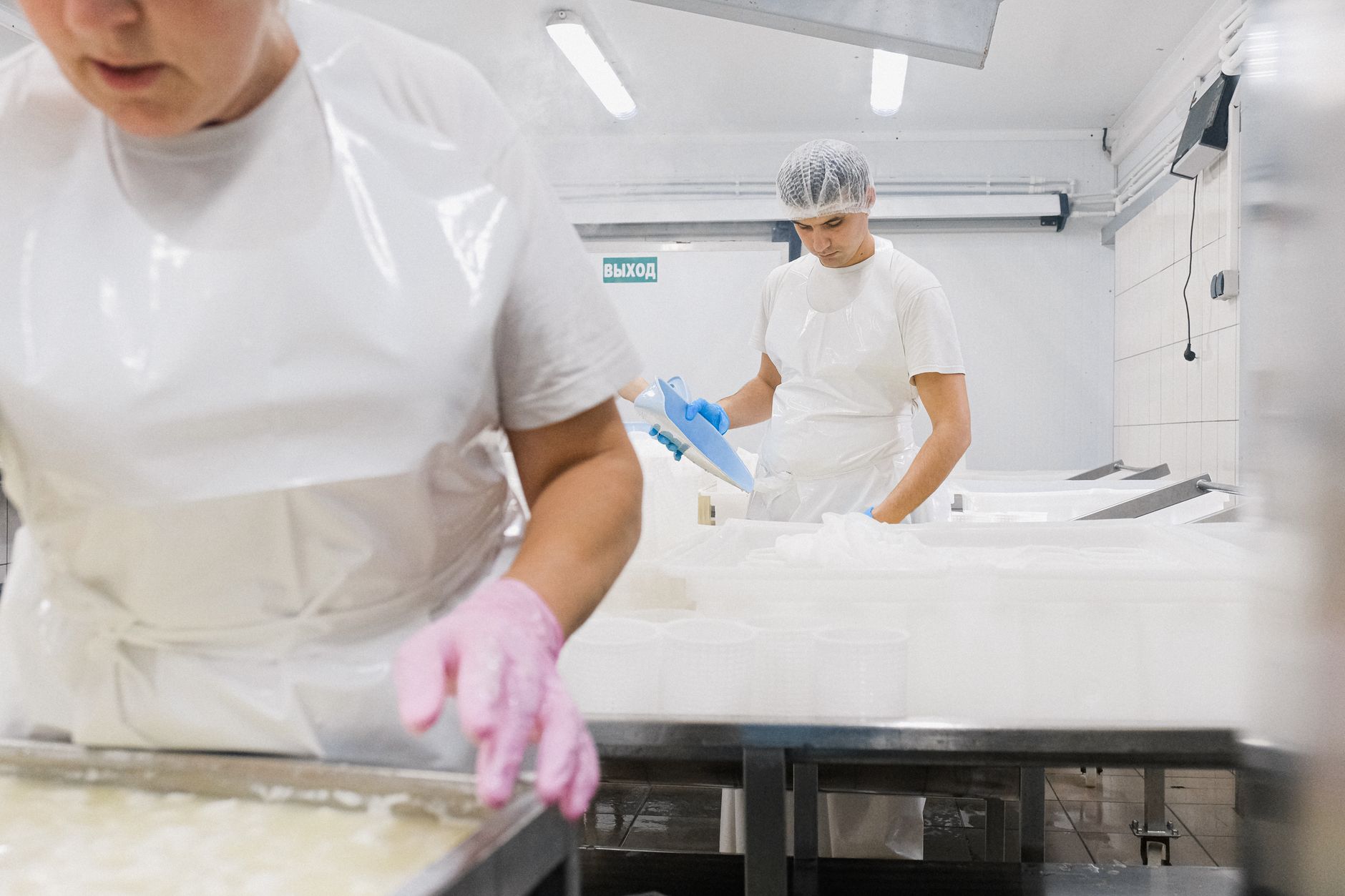
No dollar figure appears here, because a quote depends on your site. Cost is shaped by a short list of factors, shown in the diagram below. The biggest swing usually comes from how variable the product is and how many jar formats you run, since each format adds tooling, programming and testing before a shift relies on it.
Local conditions matter too. Cincinnati summers are hot. According to NOAA 1991 to 2020 normals at Cincinnati Muni Airport, as summarized by a climate reference site, July is the hottest month, with an average daily high near 87 degrees Fahrenheit. July humidity of about 74 percent is modeled from NASA satellite and weather data, not measured by NOAA. Plan for a hot, humid packing floor when you choose a unit, and ask the vendor to confirm its operating range in those conditions.
What is the Cincinnati food and manufacturing picture?
Cincinnati has a large manufacturing base and a food cluster that a regional economic development agency actively markets. That agency says food, flavoring and beverage employment grew 15 percent since 2019. This is promotional material and was not independently verified here, so treat it as the agency's own claim. The practical point is that food employers in the region compete for the same production and maintenance workers you need.
Timing is the other local factor. This page does not verify harvest or production dates for your region, so align the pilot with your own peak production weeks. A station that is short-staffed during peak runs gains the most from a dependable helper, while a pilot scheduled in a slow month will tell you little about your real line. Plan the site assessment and install window around peak runs, not around the calendar alone.
What should you check before you ask for a quote?
A useful first conversation covers the product, the station and the staffing gap. Bring photos or samples of the peppers and jars, a sketch of the line, your shift schedule and your own records of open positions and missed shifts at the station. Those inputs let the site assessment test one station rather than guess at the whole plant.
The checklist below lists the conditions that most often change the answer. If several of them are missing, the honest next step is a narrower pilot, or a decision to keep the station on hand work for now.
How does getting a leased cobot start with us?
We are OEM-neutral. We pick the right robot across manufacturers for your station, then lease it through financing, deploy and integrate it, train your staff and service it under our service plan, backed by regional service engineers in every state we service. One partner handles the whole lifecycle rather than several vendors that each own a piece.
The sequence starts with a free site assessment. Our team maps the station, tests your product and jars, and reviews the staffing gap. The lease is quoted after that assessment and runs through financing. Installation follows, then go live support and training for the crew that will supervise the unit. A pilot on one leased unit lets you prove the station before deciding on more.
Frequently asked questions
Upcoming events in Ohio
No events are listed in Cincinnati yet. These are elsewhere in Ohio.
Put a robot to work in Cincinnati.
We walk your site, learn the job, and recommend the unit that fits. Then we quote the lease, deploy it, and keep it serviced.
Sources
- Third-party summary of BLS JOLTS annual data, 2025
- BLS Economics Daily: food and beverage manufacturing projected to expand through 2034
- BLS industry profile NAICS 311, food manufacturing
- The Robot Report: US robotics industry growth in 2025, citing IFR
- Automate: ANSI/A3 R15.06-2025 revised industrial robot safety standard
- Federal Reserve Bank of St. Louis: Cincinnati metro manufacturing employment
- Regional economic development food and flavoring cluster page
- Climate reference page for Greater Cincinnati Airport