
The question, in the buyer's words
I run a 120,000-square-foot electronics distributor in Seattle, Washington, and afternoon orders pile up because pickers walk every aisle to fill each wave; could autonomous mobile robots carry totes from the shelves to our pack tables?
Key takeaways
- Tote robots take over the carrying between pick zones and pack tables, not the picking itself.
- Published travel studies put walking at about half of order-picking time, so the gain is real but bounded.
- Aisle layout, mixed traffic and wet dock conditions decide the plan more than the robot count does.
- Start with one zone and a pilot measured against a routed baseline before choosing a fleet size.
- A lease quote follows a free site assessment, and the lease payment is fixed in that quote.
How do mobile robots carry totes from pick aisles to pack tables?
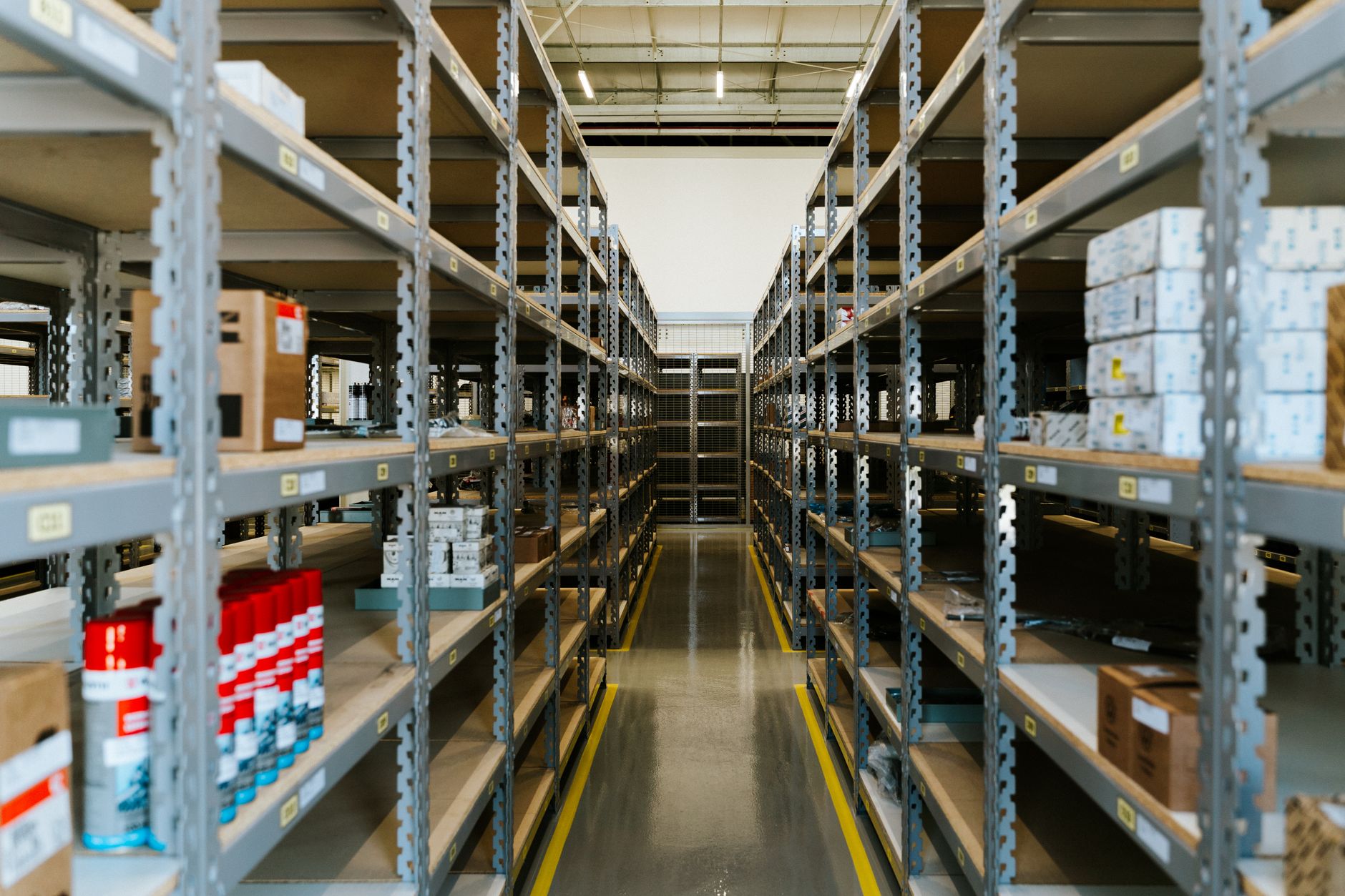
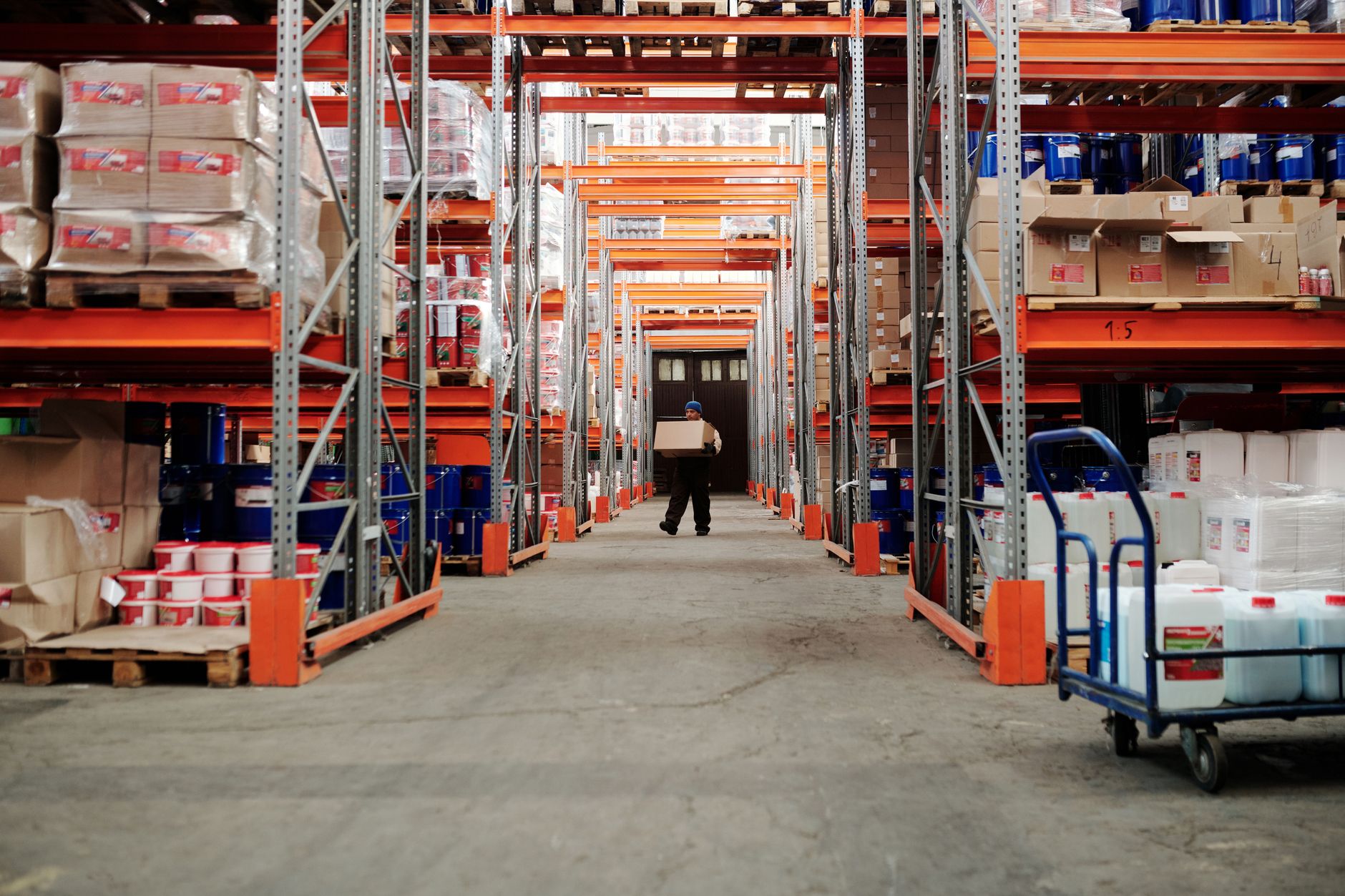
In a typical Seattle electronics distributor, a picker walks an aisle, fills a tote from bins, and carries it to a staging point or pack table. Each wave repeats that walk for every order, so the afternoon backlog grows with the number of aisles and the number of waves. An autonomous mobile robot takes over the carrying: the picker loads the tote at the bin, and the robot drives it along a set route to the pack table.
The robot does not pick. A picker still reaches, scans and places each item, but the trip between the pick face and the pack area goes to the fleet. That distinction is the whole decision, because the fleet can only remove the part of the shift that is walking.
For a building of about 120,000 square feet, the job is to match the number of robots to the number of picking zones and the rate at which totes leave each zone. A single robot cannot cover every zone in a building that size, so a pilot in one zone is the practical way to see whether the gain holds before you add units.
Where the carry starts and ends matters. Pick zones at the far end of the building create the longest walks, and a robot pays off first on those routes. Pack tables that sit beside the pick zones leave little to carry, so the pilot should map the longest two or three routes first and measure them.
How much of a picker's shift is spent walking?
Travel is the largest single slice of order-picking time in the research. Dukic and Oluic, writing in the International Journal of Logistics Systems and Management in 2007, report that travel is 50 percent of total order-picking time. Elbert and Müller, in a Winter Simulation Conference 2017 paper, report that travel between storage positions accounts for 50 percent of overall order-picking time.
A 2022 analysis in Operations Research and Decisions by Dmytrow gives a finer split. It states that 55 percent of picking time goes to travel, 15 percent to searching and 10 percent to extracting, citing an earlier study. Those shares describe conventional manual picking, so your floor may differ, and they are best used as a reason to measure your own walk times.
Routing is the other lever. Dukic and Oluic's simulations found up to 80 percent travel-distance reduction with combined methods. Routing and carrying robots address overlapping problems, so a robot pilot should be measured against a routed baseline, not against today's unplanned walk.
Does the Seattle labor market make picking harder to staff?
Seattle's transportation and warehousing workforce is large and grew through late 2025. According to the Federal Reserve Bank of St. Louis, which publishes BLS data for the Seattle-Bellevue-Kent metro area, about 66,000 people worked in transportation and warehousing in December 2025, not seasonally adjusted, up from about 65,200 in October 2025. Your competitors draw from the same pool of workers, so staffing a wave is a shared problem across the local market.
Turnover is the staffing cost that matters most for a pick operation. The IARW/GCCA North American warehouse employee turnover survey reported an average of 32.5 percent for the year ending December 2018, and a later edition reported 32.6 percent, down from 32.8 percent. Those are warehouse-wide figures rather than picker-specific ones, and no order-picker-only annual figure was found for this page. Even so, roughly a third of the workforce turning over each year makes onboarding a constant cost.
Each new hire also needs time before reaching normal pace, and training is the cost that repeats with every turnover event. A carrying robot does not remove turnover. It does mean fewer pickers spend the wave walking, so a given volume can be covered by fewer people to train.
Job-board listings suggest steady warehouse hiring in Seattle through 2026, with more seasonal hiring from September through November, although those listings are not verified totals. If your volume peaks in the fall, the pilot needs to be live before that window, not during it.
Are other warehouses already using mobile robots for this work?
Adoption is real but uneven. A 2025 automation survey of 139 respondents, reported by a materials handling trade publication, found that 41 percent use shuttle systems and/or mobile robotic storage and retrieval, and 59 percent plan to upgrade or implement within two years. Those shuttle and mobile storage systems are not the same as tote-carrying mobile robots, so read the 41 percent as evidence that mobile automation is common, not as proof that tote carriers work in your building.
Two things follow. Most operations in that survey were not yet at the stage you are considering, so a pilot is a normal first step rather than a fringe bet. The 59 percent planning to act within two years also means deployment and repair capacity may tighten, which is a good reason to ask any provider for deployment and repair lead times in writing.
Ask for reference sites with aisle layouts, pick rates and building ages similar to yours. A general claim that a robot works in warehouses tells you far less than a site where tote flow and pack-table handoffs look like your own.
What injury risks come with robots in pick aisles?
Warehousing is not a low-risk setting. The Bureau of Labor Statistics industry profile for Warehousing and Storage reports a 2024 total recordable case rate of 4.8 per 100 full-time workers. Within that rate, the profile reports 4.1 for cases with days away, job restriction or transfer, 1.5 for cases with days away alone, and 2.6 for cases with job transfer or restriction.
A tote carrier changes the mix of risk more than it lowers it. Less walking may cut the repeated trips that add to fatigue, but the sources used for this page do not measure that effect, so check it against your own incident log. A fleet also adds moving machines to the aisles where people reach, lift and cross, so the plan needs physical separation, floor markings and a rule that no one steps into a robot's path to reach a bin.
Do not assume a robot improves your safety record on its own. Build the plan with your safety lead, define where people and robots share space, and set up near-miss reporting from the first day of the pilot.
Where does a tote robot fit better than adding pickers?
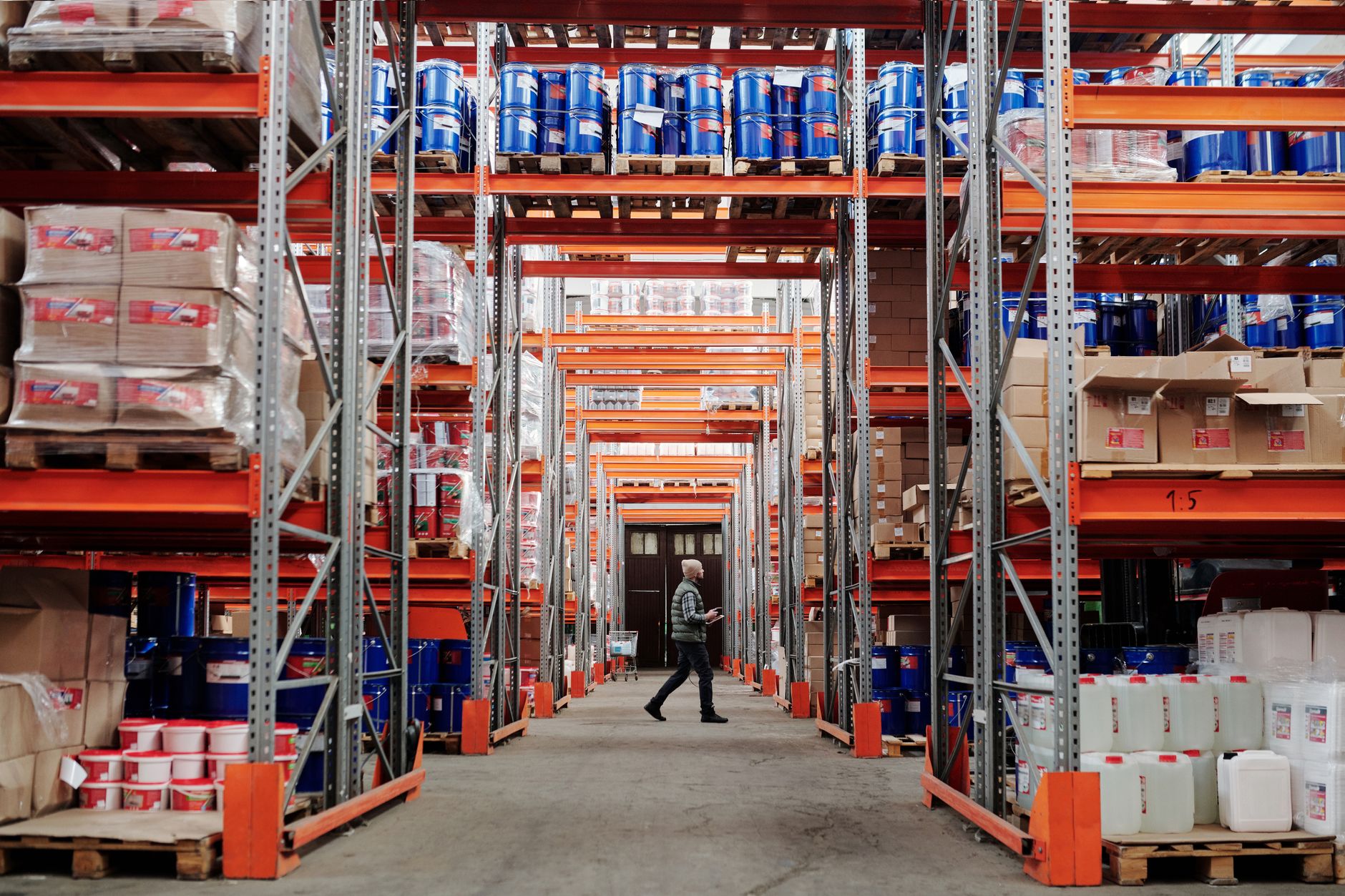
The fit is strongest where the walk is long, repetitive and predictable: long straight aisles feeding a fixed pack area, with totes moving in a steady stream. It is weaker where a picker works a short zone, handles many small irregular items, or inspects each piece for condition or serial matching, since that work stays with the person in any case.
Adding pickers is the simpler option, and in some buildings it is the right one. People absorb a surge with little notice, handle exceptions without reprogramming and move between zones during a rush. Robots need a planned route, a charged fleet and a clear floor. If your waves are spiky and your staff can flex, that flexibility may beat a robot.
A workable middle path is a small fleet on the longest aisle corridor, with people kept on short zones and exception handling. Measure travel per order before and after, count blocked aisles and stops, and check whether the pack-table backlog clears before the last wave goes out.
Peak handling deserves its own test. Run a surge wave during the pilot, the way a real afternoon backlog would arrive, and see how many robots the pack area can absorb before totes queue on the floor. That number, not the fleet's top speed, sets how many units the building actually needs.
- Aisle walking
Autonomous Mobile Robot
Carries totes on a set route between pick zones and pack tables
Staff
Walks each aisle, stops at each bin and slows on crowded runs
- Peak surges
Autonomous Mobile Robot
Limited by fleet size and charging time, so adding units needs planning
Staff
Absorbs a surge at short notice by moving between zones
- Exceptions and damaged stock
Autonomous Mobile Robot
Needs a person to clear jams, reroute or pull damaged items
Staff
Checks condition, resolves short picks and handles odd items on the spot
- Consistency across a shift
Autonomous Mobile Robot
Same route and speed every wave, without fatigue
Staff
Pace and accuracy vary with shift length and fatigue
- Reaching and inspection
Autonomous Mobile Robot
Cannot reach into bins, inspect items or match serials
Staff
Does all reaching, scanning and inspection
- Layout changes
Autonomous Mobile Robot
Needs remapping when racks, pack areas or staging move
Staff
Adapts to a new layout within the first shift
What do Seattle's rainy months mean for a warehouse floor?
Seattle's rain is steady rather than dramatic. A climate summary citing NOAA 1991 to 2020 normals for Sea-Tac Airport reports about 39 inches of precipitation a year. November is the wettest month at 6.3 inches, while July averages about 0.60 inches. In a warehouse, the wet months are when trailers, dock plates and tote bottoms bring water and grit onto the floor.
Those conditions matter for a tote robot in two ways. Wet concrete and wet dock transitions can affect wheel grip and the robot's read of the floor at the edges of the route, so plan the route to avoid dock thresholds and drain low spots. The fall months also overlap the seasonal hiring window, which means the pilot must run through the conditions it will face at peak.
Plan charging away from dock doors, keep a dry staging lane for the pack tables, and ask any provider how its units handle wet floor patches and what floor care its route requires. Those details matter more in November than in the drier summer months.
How do you lease a tote robot and get it running?
Service Robot Co. is OEM-neutral, so we choose the robot for your aisles across manufacturers, then lease it through financing, deploy and integrate it, train your staff and service it. The lease payment is quoted after a free site assessment, not before. In that assessment we map your aisles, pick zones, pack tables, dock flow and traffic, then recommend the robot type and count that fits your building.
After the assessment you receive a written quote covering the fleet, deployment, integration, training and service under our RoboCare service plan. The lease payment is fixed in that quote, so you know the cost before the first unit runs. Deployment starts with one zone and a pilot, then expands only if travel per order and pack-table backlog move the way the measurements predicted.
Service is part of the plan. We train your staff, support go-live, and handle remote triage and on-site dispatch through regional service engineers, so the goal is that a stopped unit slows one lane rather than the whole afternoon wave.
Go-live timing deserves a plan of its own. Schedule the first zone for a slow week, keep the manual route active for the first several waves, and review the logs with your lead after each shift. A phased deployment with no shutdown keeps the rest of the building running while the pilot settles.
Frequently asked questions
Upcoming warehouses & 3pl events
Put a robot to work in Seattle.
We walk your site, learn the job, and recommend the unit that fits. Then we quote the lease, deploy it, and keep it serviced.
Sources
- Bureau of Labor Statistics, Warehousing and Storage industry profile
- IARW/GCCA North American warehouse employee turnover survey report
- Dukic and Oluic (2007), International Journal of Logistics Systems and Management
- Elbert and Müller, Winter Simulation Conference 2017
- Dmytrow (2022), Operations Research and Decisions
- Federal Reserve Bank of St. Louis (FRED), Seattle-Bellevue-Kent transportation and warehousing employment
- Materials handling trade publication, 2025 warehouse robotics adoption survey
- Climate summary citing NOAA 1991 to 2020 normals for Sea-Tac Airport