
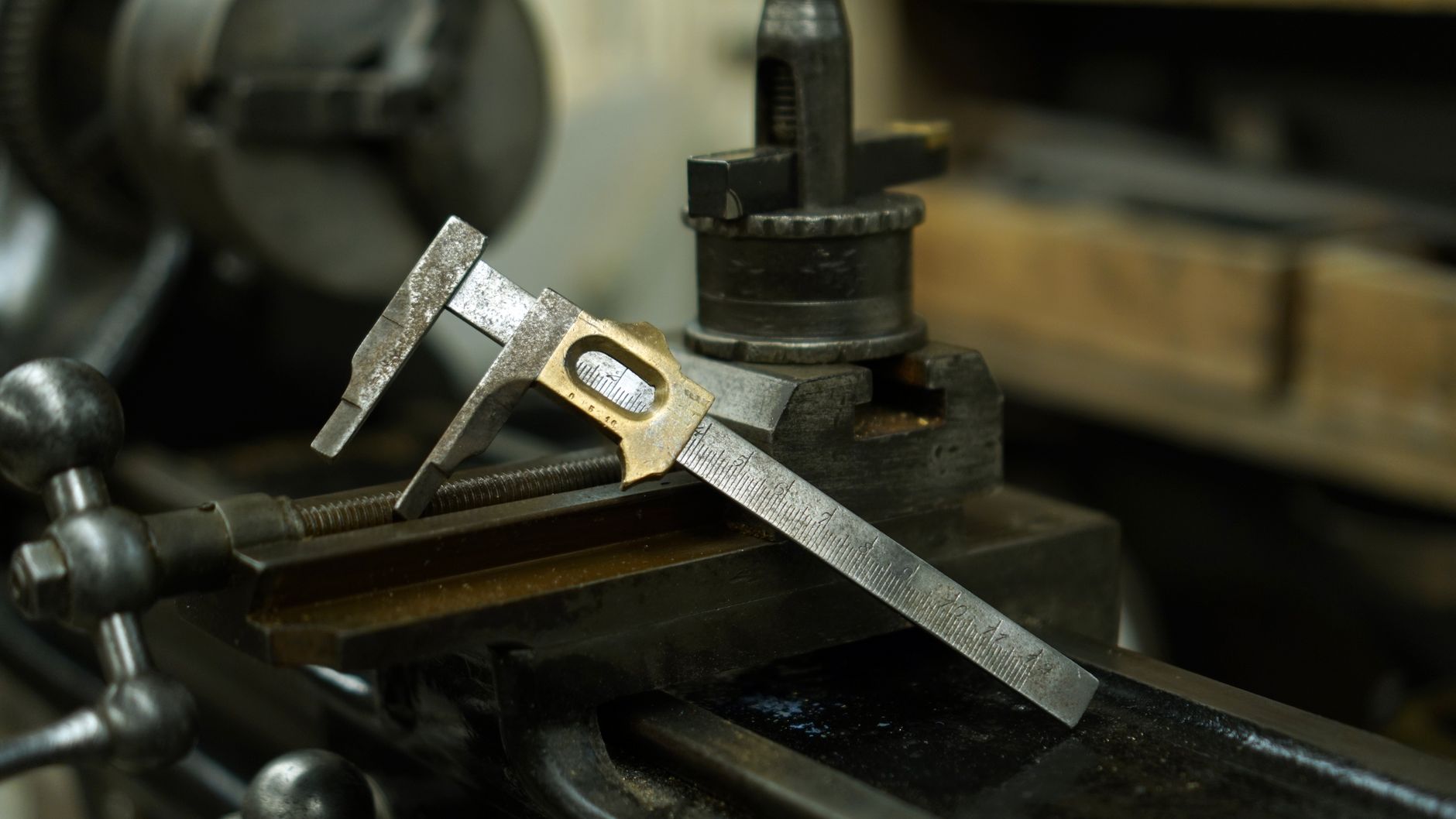
The question, in the buyer's words
I run a 110-person tool and die shop where carts of dies and fixtures move between machining and assembly all shift; which robot type fits that, and does it make sense before we add a second shift?
Key takeaways
- A cart-towing autonomous mobile robot is the first robot type to test for cart moves between machining and assembly.
- Robots move carts, but people still load, set up, inspect and assemble, so a robot cannot replace a full second shift.
- Count cart moves per shift before deciding, because the published figures I found give no shop-level hours.
- Heavy die sets may need a pallet-type forklift unit, and a fixed collaborative arm cannot cover floor moves.
- A pilot with one leased unit produces real run data, and the lease is quoted only after a free site assessment.
Which robot type fits tool and die shop cart moves?
For a tool and die shop, the robot type that fits cart moves is an autonomous mobile robot that tows or carries carts along a mapped route. It runs from a machining cell to an assembly bench, waits at each stop until someone releases the cart, and then returns to its charging spot. It suits repeated trips with the same start and end points, which describes most dies and fixtures that move between two work areas on a normal shift.
It does not fit every cart. Heavy die sets stored on pallets may need a pallet-type autonomous forklift instead, and a fixed collaborative arm at a machine can help load and unload parts but cannot travel the floor with a cart. A person still handles the hand-off at each end of the run, so the robot changes who walks the carts, not who decides what goes where.
The honest first answer is a cart-moving robot, sized to your heaviest cart and your actual route, with people still handling loads at each station. Whether that is worth doing before a second shift depends on how many hours cart moves take today, and that is the number to measure first.
How many tool and die shops and workers are there in the US?
The federal industry code for this work is broad, which makes shop counts rough. NAICS 333514 covers special die and tool, die set, jig and fixture manufacturing, described as establishments primarily engaged in manufacturing special tools and fixtures, such as cutting dies and jigs, according to the Encyclopedia.com summary of the code. Many tool and die shops fall under that code, though some sit in other manufacturing codes.
An industry data aggregator reports 1,950 firms, 2,006 establishments and 40,862 employees nationally for that code. The site gives no data year, so treat those as rough orders of magnitude rather than an up to date count. I did not retrieve an official County Business Patterns count while researching this page.
On the occupation side, the Bureau of Labor Statistics Occupational Outlook Handbook reports about 55,200 jobs for tool and die makers in 2024. It is a small trade, so the few people who know your dies and fixtures well are hard to replace on short notice. A second shift that depends on a handful of setup people carries real staffing risk.
Robot adoption is spreading beyond the car plant. According to A3, the North American robot industry association, robot orders rose 6.6 percent in 2025, and collaborative robots made up 19.6 percent of 2025 orders, or 7,212 units. A3's third quarter 2025 figures reported orders up 11.6 percent that quarter, with non-automotive sectors at 59 percent of demand. A3 does not break out autonomous mobile robots in these figures, so they show general industrial adoption, not cart mover demand specifically.
Which robot types fit cart moves, and which do not?
Match the robot to the move, not to the word robot. Four types come up for shops like yours, and only the first fits the cart question directly.
- Cart-towing autonomous mobile robot: fits repeated cart runs on a fixed route between machining and assembly. This is the first type to test.
- Pallet-type autonomous forklift: fits heavy die sets on pallets or racks, if aisles and staging areas allow it. It is more capacity than light fixture carts need.
- Collaborative robot arm: fits loading and unloading one machine or bench. It stays in one place, so it does not answer the cart question on its own.
- Humanoid, cleaning or inspection robot: none fits cart moves. Floor care units clean floors rather than carry loads, and inspection robots look at structures.
What would a robot cart run look like on a shift?
Picture one cart-towing robot on the route from machining to assembly. Carts are staged at the machining exit with tags matching the job list. The robot takes a loaded cart to the assembly staging bay, waits for the release, and returns empty to charge.
Off hours is where the robot earns its place, because the people who would otherwise walk those carts are on other shifts or away from the floor. The timeline below is an example of a second shift run, not a measured one. Your own times should come from counting the moves on your floor.
A robot runs the same loop every time, which is its strength and its limit. If someone adds a rush job mid-route, that route needs a new stop or a manual move. Plan for the exceptions in advance: a rush die that must reach assembly ahead of the loop, a cart that arrives without its tag, or a jam at a shared door. Each exception either gets a person or a new route rule.
Do cart moves cause strain injuries a robot would reduce?

Pushing, pulling and lifting heavy carts is manual handling, and that is where many strain injuries come from. According to a Montana Department of Labor and Industry report citing the Bureau of Labor Statistics, manufacturing there had about 5 nonfatal cases per 100 full-time workers in 2022, against a national rate of 3.2.
The same report found that sprains, strains or tears made up 29.3 percent of cases, and that contact with objects or equipment was the most common event at 37.9 percent. Those are state figures for manufacturing as a whole, not tool and die shops, so use them as direction rather than a benchmark for your own injury log.
An older OSHA industry profile for metal products names strains and sprains from manual handling of materials and heavy loads as a key hazard. A robot removes the push and pull of some cart runs. It does not remove the lift at the cart load and unload, which is where a person still works, so keep that step in your ergonomic review.
Does a robot make sense before adding a second shift?
Partly, and only after you measure. A robot covering cart moves on second shift can keep machines from waiting on carts, which matters most where machines run with a person close by. It does not do setup, first article checks, troubleshooting or assembly, so it cannot stand in for the people a second shift needs.
Staffing is the other side of the ledger. According to Bureau of Labor Statistics flexible and shift schedules data from the 2017 to 2018 survey, 16.4 percent of workers were on non-day schedules, with 5.9 percent on evening schedules and 3.6 percent on night schedules, out of 144,295 thousand workers aged 15 and over. That is an all-industry national picture from an older survey, but it shows that off-hours work is uncommon and hard to staff.
I did not find a published figure for hours per shift spent on cart moves in shops like yours, and no shop-level turnover figure for tool and die staff. Those two numbers decide the case. If cart moves take a small share of a shift, a robot is unlikely to change the second shift decision. If they take most of a person's time, the robot becomes a serious offset.
What should you check before deciding on a robot?
Before you talk to any vendor, collect the facts that decide the robot type and the case. The checklist below covers them, and each item can change the answer, so skip none.
Two items matter most: the count of cart moves and the weight of the heaviest cart. The count tells you whether the case has enough volume to offload. The weight tells you which robot type can handle the work safely. Everything else refines the design once those two are known.
How does a pilot start with a commercial robot leasing partner?
We are a full-service commercial robot integrator for US businesses. We are vendor neutral: we select the robot for your floor across manufacturers, then lease it through financing, deploy and integrate it, train your staff and service it under our service plan, backed by regional service engineers in every state we service. One partner covers the whole lifecycle.
We start with a free site assessment that maps your route, measures your carts and checks aisles, doors and staging spots. The lease payment comes in a quote after that assessment, so no figure appears on this page. A pilot with one leased unit gives you real cart run data to compare against your manual count before you commit to more units or a second shift plan.
A useful first meeting brings the cart count, the weight of the largest die set, a floor plan and your second shift staffing plan. With those in hand, the assessment answers whether a robot fits before any lease is discussed.

Frequently asked questions
Upcoming manufacturing events
- Trade showBrats & RobotsNov 10, 2026Alliant Energy Center Exhibition Hall, Madison, WI
- Trade showMATE Farm & Ranch ShowFeb 11 to 13, 2027MetraPark, Billings, MT
- ExpoPFMA Expo 2027Feb 17 to 18, 2027Washington County Fair Park, West Bend, WI
- ExpoLouisville Facilities Maintenance ExpoApr 15, 2027Mellwood Art Center, Louisville, KY
Want a robot at your tool and die shops?
Tell us about your site. We will recommend the robot, quote the lease, and keep it serviced.
Sources
- Bureau of Labor Statistics, Occupational Outlook Handbook, tool and die makers
- Encyclopedia.com, NAICS 333514 summary
- Industry data aggregator, NAICS 333514 figures (no data year stated)
- Bureau of Labor Statistics, flexible and shift schedules table
- Montana Department of Labor and Industry, manufacturing injury report
- A3, 2025 North American robot orders, trade coverage
- A3, third quarter 2025 robot orders release
- OSHA, industry profile for metal products (archived)