Key takeaways
- AMRs automate the high-risk task of moving cash boxes from the gaming floor to the count room, minimizing human touchpoints.
- Robotic transport enhances physical security through locked containers, access control, real-time tracking, and onboard video.
- The detailed digital audit trails generated by robots strengthen compliance, simplify reporting, and aid in loss prevention.
- Automation allows highly-trained security personnel to shift from manual transport duties to high-value surveillance and response.
- A full-service, vendor-neutral integrator simplifies AMR adoption by handling deployment, service, and financing as a single partner.
What is the most secure way to move cash inside a casino?
The journey of a cash box from a slot machine to the count room is one of the most vulnerable processes in a casino. Traditionally, this high-stakes task relies on a team of security officers and a rolling cart, a method that, while established, is laden with potential security gaps and inefficiencies. Every human interaction, every blind spot on the floor, represents a point of risk.
A modern and far more secure method involves automating the transport with specialized Autonomous Mobile Robots (AMRs). These are not standard delivery robots. They are purpose-built for high-security environments, featuring integrated, access-controlled safes, constant surveillance, and precise, unalterable digital audit trails. This technology directly addresses the core challenge: moving high-value assets through a dynamic public space securely and accountably.
By deploying a robotic cash transport system, a casino can create a locked-down chain of custody from the moment a box is collected to its arrival in the count room. This reduces opportunities for internal theft, minimizes the risk of external threats, and frees valuable security personnel to perform duties where human intelligence and judgment are indispensable.
How does a robotic cash transport system work?
The operational flow of a robotic cash drop is designed for security, simplicity, and accountability. It transforms a manual, multi-person process into a predictable, automated workflow.
It begins when a member of the drop team summons an available robot to their location using a secure tablet or mobile device. The robot navigates autonomously from its docking station to the designated slot bank or table game area.
Upon arrival, the authorized employee identifies themselves to the robot, typically via a badge scan or biometric reader. This action unlocks a specific secure compartment. The employee places the cash box inside, the robot logs the user and the time, and the compartment door is electronically sealed. The robot now has sole custody of the asset.
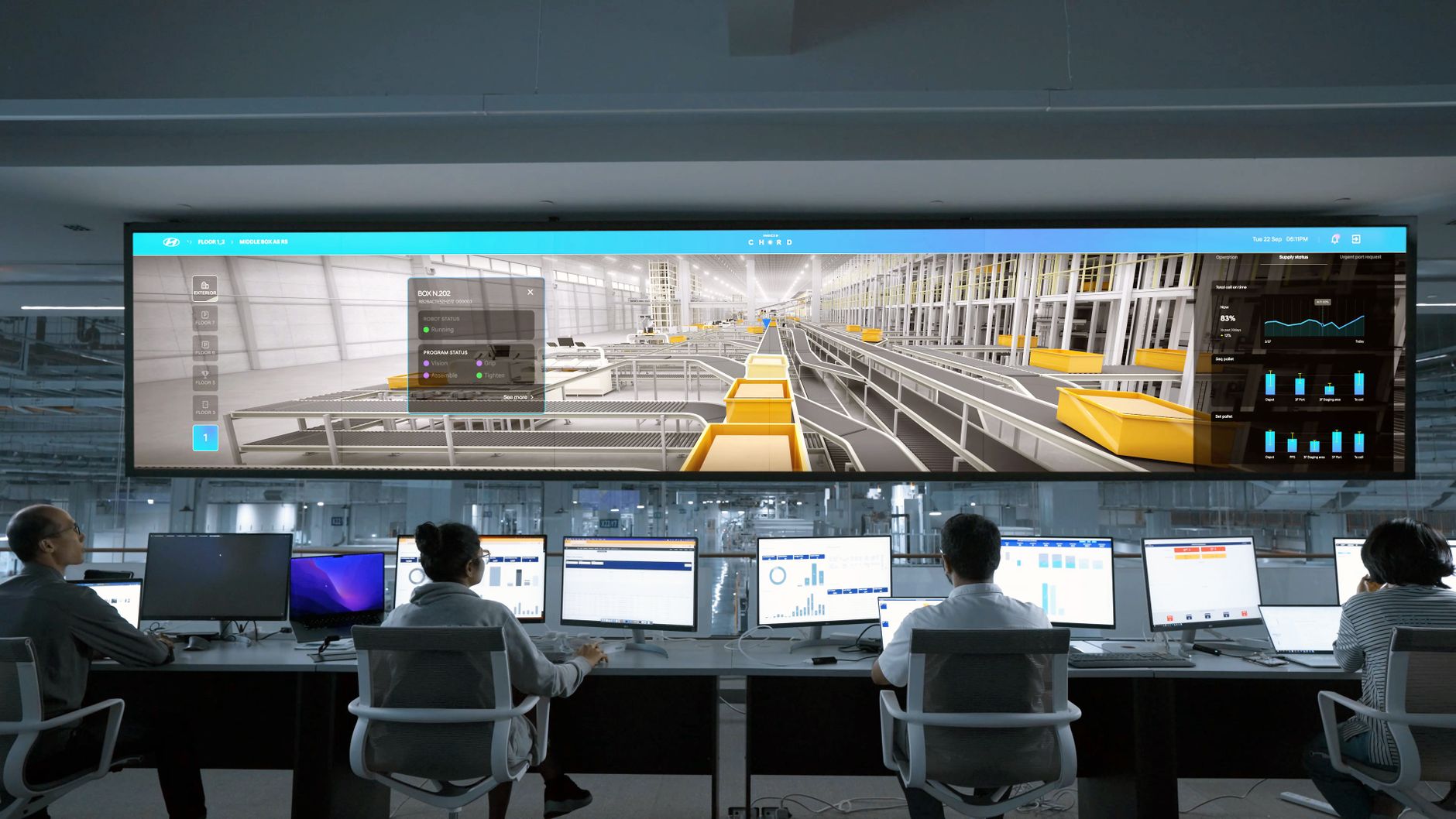
From there, the AMR navigates a pre-approved, optimized path to the count room, avoiding patrons and obstacles. The journey is monitored in real-time by the security operations center. When it arrives at the secure destination, it signals its presence. A count room employee, also using verified credentials, is then able to access the robot and retrieve the box, completing the audited transfer.
What makes an AMR more secure than a manual transport cart?
While traditional cash carts are secured with locks, their fundamental weakness is the constant human element required for operation. An AMR system hardens security by minimizing these human touchpoints and introducing layers of digital oversight.
The core advantage is the creation of an automated, end-to-end chain of custody. Key security enhancements include:
First, access to the robot's payload is strictly controlled. Only credentialed staff can open the robot's secure container, and every access event is logged with a user ID, location, and timestamp. There is no ambiguity about who handled the asset and when.
Second, the robot's movement is continuously tracked. If it deviates from its planned route or stops for an unscheduled reason, it sends an immediate alert to security. Onboard sensors can also detect tampering attempts, triggering alarms and activating local recording.
Finally, many secure transport AMRs are equipped with 360-degree cameras. This provides an unbroken video record of the entire transit, from the moment the cash box is loaded until it is safely delivered. This visual evidence is invaluable for investigations and regulatory audits.
How do robots improve casino audits and compliance?
Gaming is one ofthe most heavily regulated industries, with bodies like the Nevada Gaming Control Board mandating strict procedures for cash handling. Manual, paper-based logging is prone to human error, illegibility, and falsification. Robotic transport automates the creation of a perfect, immutable digital record.
For every trip, the system generates a detailed report that contains a wealth of audit data. This includes the IDs of the employees who loaded and unloaded the robot, the precise timestamps for each action, the exact path the robot traveled, and the duration of the trip. This digital log can be integrated directly with casino management systems, streamlining compliance reporting.
This level of detail makes it vastly simpler to prove that established cash handling protocols were followed. During an audit, an operator can instantly produce a complete history for any cash box movement, backed by digital logs that cannot be altered after the fact. This robust data trail is a powerful tool for loss prevention and demonstrating regulatory adherence.
Can automation help address the security labor shortage?
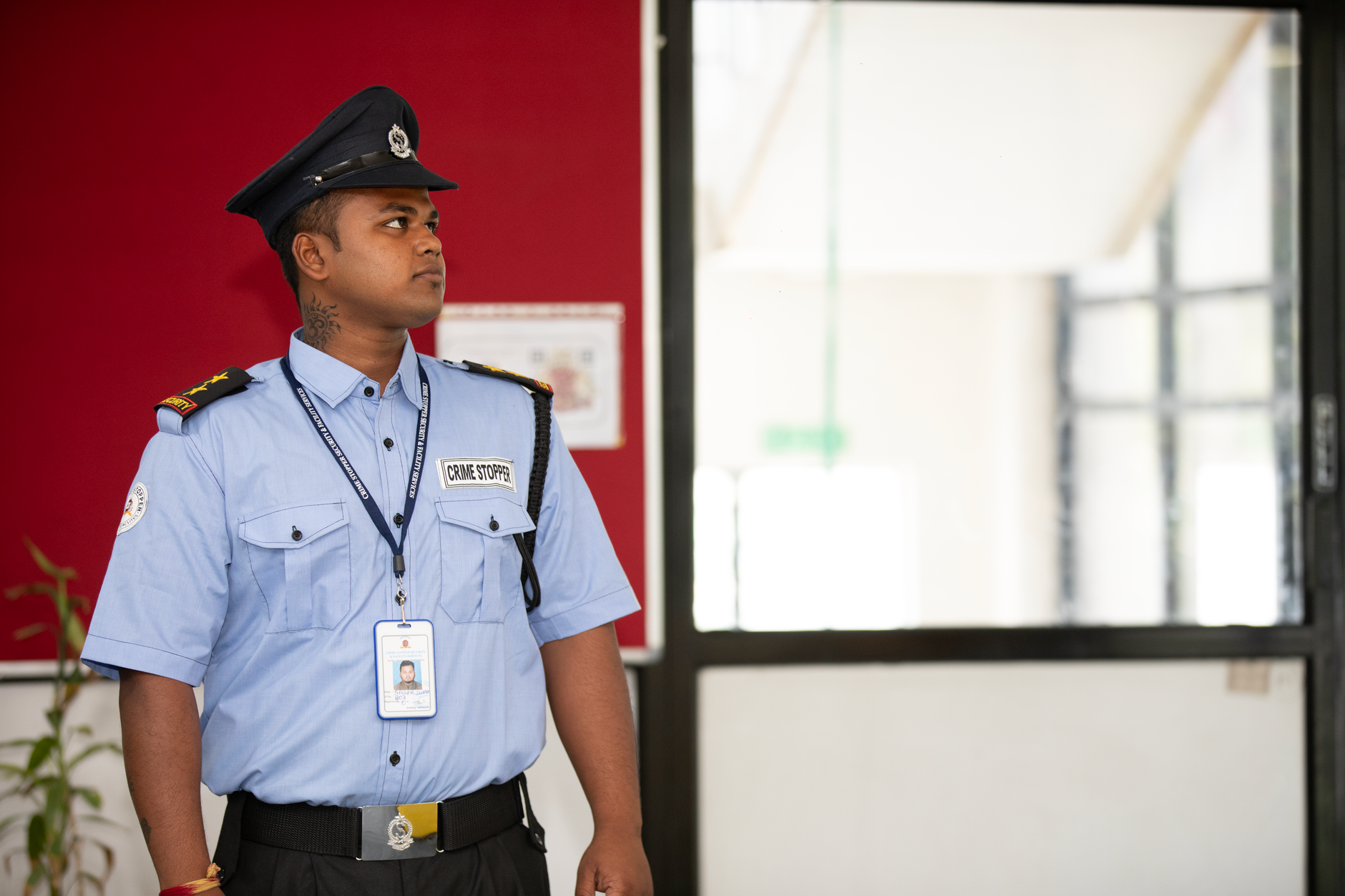
The task of pushing a cash cart is repetitive and requires significant manpower, yet it does not make full use of a security officer's training. In a tight labor market, assigning skilled personnel to serve as transport escorts is an inefficient allocation of a critical resource.
Automating this repetitive transport automation allows a casino to redeploy its security team more effectively. Instead of spending hours walking the floor as part of a drop team, officers can remain focused on proactive surveillance, guest safety, and rapid incident response. Their skills are directed toward threat identification and mitigation, tasks where human observation is essential.
This shift turns security into more of a force multiplier. With AMRs handling the predictable logistics of cash movement, the human team can maintain broader situational awareness across the property. This improves the overall security posture without necessarily increasing headcount.
How does a casino integrate a robot fleet without disrupting operations?
Implementing a major new technology platform in a 24/7 casino environment can seem daunting. The key is working with a partner focused on a structured, phased deployment that causes zero operational shutdowns. As a full-service commercial robot integrator, Service Robot Co. manages this entire lifecycle.
The process begins with a detailed site assessment where our engineers map the facility, analyze network infrastructure, and identify the optimal routes for cash transport. Because we are vendor-neutral, we select the right AMR hardware for your specific needs, considering factors like floor surfaces, ramp grades, and elevator integration.
Our nationwide network of engineers handles the entire installation, from initial mapping and go-live support to training your staff. We ensure the system works perfectly within your unique environment. This one-partner, one-number approach means your team has a single point of contact for deployment, maintenance, and any troubleshooting.
What are the options for financing a security robot system?
A common obstacle to adopting new technology is the significant upfront capital investment. However, modern procurement models make automation accessible without a large initial outlay. Service Robot Co. offers multiple financing paths to suit a casino's budget and operational preferences.
Our Robot as a Service (RaaS) model is a popular choice. It's a monthly subscription that bundles the hardware, software, maintenance, and support into a single operating expense. This RaaS monthly subscription avoids capital expenditure and provides predictable costs. Our on-site service plans, backed by remote triage and emergency response nationwide, are included.
We also offer flexible robot leasing for business, with lease-purchase programs available. For organizations that prefer to own their assets, we facilitate traditional sales. These options, from a month-to-month robot lease to full purchase, ensure that any casino can find a financial model that aligns with its strategy, making it possible to upgrade security without breaking the bank.