Key takeaways
- Robotic window cleaning eliminates the extreme safety risks associated with manual high-rise façade maintenance.
- Automation provides a higher quality, more consistent clean and can operate more frequently than human crews.
- The primary ROI comes from drastically reduced labor costs and lower liability and workers' compensation insurance premiums.
- Robotic systems are best suited for high-rise buildings with large glass surfaces and buildings with complex or hard-to-reach architecture.
- A vendor-neutral integrator is key to assessing a property's needs and deploying a full, supported robotic solution.
The End of High-Risk, High-Cost Façade Maintenance
For property managers of high-rise commercial buildings, façade and window cleaning is a necessary, recurring headache. It is dangerous, expensive, and entirely dependent on weather conditions. Coordinating manual cleaning crews, scheduling around tenants, and managing the immense liability of having people work at extreme heights is a significant operational burden.
This entire model is being redefined by automation. Robotic window and exterior cleaning systems are no longer a future concept; they are a practical and financially sound reality for modern buildings. These autonomous machines perform the work more safely, efficiently, and often more effectively than traditional methods, presenting a compelling case for a fundamental shift in building maintenance strategy.
By removing human workers from scaffolding and suspended platforms, robotic cleaning directly addresses the single greatest pain point: risk. This guide explains how these systems operate, the properties they are built for, and the powerful return on investment they deliver by cutting labor expenses and insurance liabilities.
How Do Robotic Window Cleaning Systems Work?
At their core, robotic window cleaners are sophisticated machines designed to navigate a building's vertical surfaces autonomously. While designs vary, most high-rise systems are mounted on existing building maintenance units (BMUs) or utilize a compact, roof-based mobile platform. They are secured by strong safety ropes and tethers, ensuring the unit remains anchored.
Using a combination of advanced sensors, lasers, and AI-powered navigation, the robot scans the building's façade to create an optimal cleaning path. This allows it to account for architectural features and clean methodically. Powerful suction keeps the robot adhered to the surface, providing stability even in windy conditions.
The cleaning process itself often involves a multi-stage approach. High-pressure water nozzles, rotating brushes, and squeegees work in concert to scrub away dirt, grime, and residue, delivering a streak-free finish. The entire operation is typically monitored by a single operator safely on the roof, shifting the human role from direct high-risk labor to system oversight.
What Types of Buildings Are Suited for Automation?
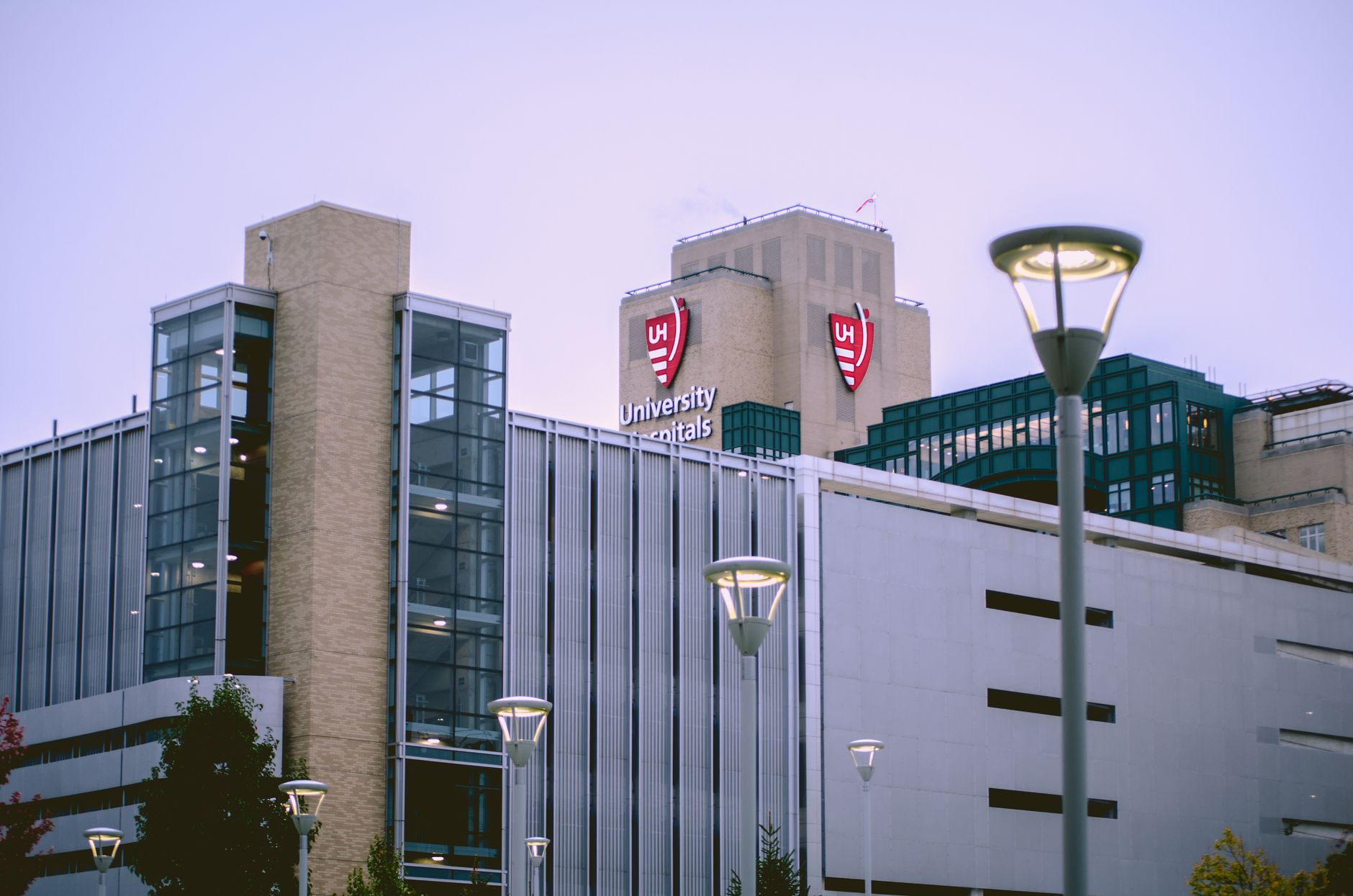
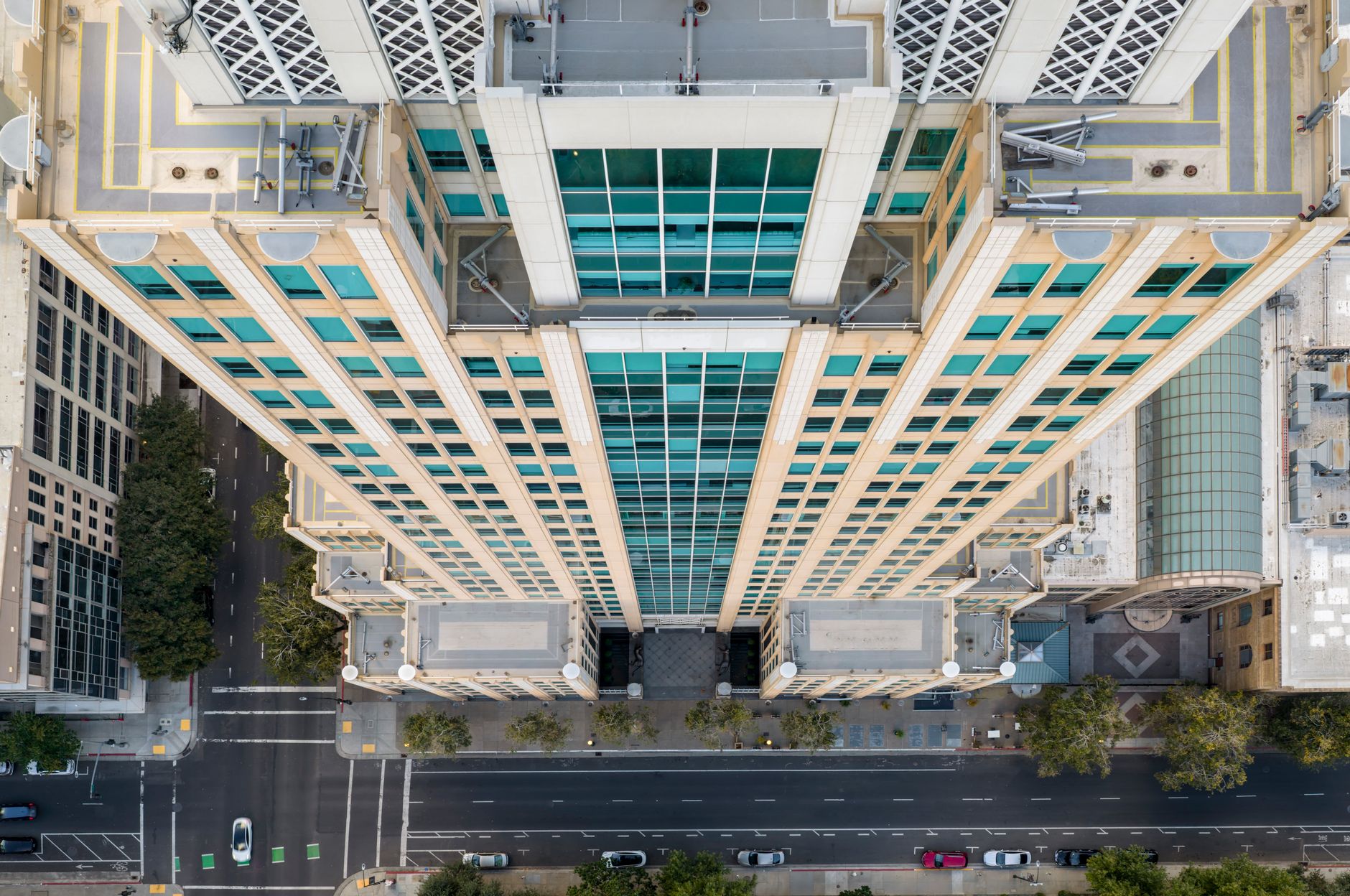
The most immediate and clear-cut application for robotic cleaning is on modern high-rise and skyscraper buildings. Properties with vast glass curtain walls see the fastest return, as the robots can cover large surface areas far more quickly than human teams. Some systems are engineered to operate at heights of up to 600 meters.
Beyond simple glass towers, buildings with complex architectural features, such as curved surfaces or hard-to-reach sections, are also prime candidates. Manual access to these areas can be exceptionally difficult and expensive, but a robot's intelligent mapping can navigate them with precision.
Large institutional properties like hospitals, university campuses, and major hotels also benefit greatly. The ability to clean frequently and with minimal disruption to occupants is a significant advantage. Automation allows cleaning cycles to be shortened from months to weeks, keeping the property in pristine condition year-round.
Calculating the Financial Return on Investment
The business case for robotic window cleaning is built on tangible cost reductions. The largest savings come from a dramatic decrease in manual labor. A robotic system can clean up to three times faster than a human crew, turning weeks of work into days. This directly translates to fewer billable hours and lower operational expenditures.
Some reports indicate that robotic systems can reduce operational costs by an average of 80% compared to traditional methods that require multiple window washers and heavy equipment. Commercial window cleaning can cost up to $170 per hour for high-rise work, making any reduction in time a substantial saving.
Furthermore, the financial model for acquiring this technology has evolved. Property managers can avoid large upfront capital expenditures through Robot as a Service (RaaS) models. A `RaaS monthly subscription` or `robot leasing for business` program turns the cost into a predictable operating expense, often lower than current manual cleaning contracts.
The second pillar of the ROI is the reduction in insurance costs. Window washing is a high-risk profession, and the associated liability and workers' compensation premiums reflect that. By removing the human element from the most dangerous part of the job, automation significantly lowers a property's risk profile.
How Does Automation Impact Insurance and Liability?
Window washing is an inherently hazardous job. An analysis by the Occupational Safety and Health Administration (OSHA) of 88 window cleaning accidents over a 15-year period found that 62 of them resulted in fatalities, primarily due to falls. These incidents lead to costly claims and, consequently, high insurance premiums for contractors and property owners.
According to Insureon, workers' compensation insurance for cleaning businesses averages around $136 per month per employee, but this rate can be much higher for specialized high-rise work. An average work injury claim is estimated to cost $41,000, while the average for property damage or accidents is $30,000.
Automated systems transfer this risk from a human to a machine. This shift is a powerful argument when negotiating commercial property and liability insurance renewals. Insurers are increasingly using AI and data to assess risk, and a verifiable reduction in high-risk human activity can lead to more favorable premiums. The adoption of robotic cleaning is a proactive measure that demonstrates a commitment to safety, reducing the likelihood of catastrophic accidents and their financial repercussions.
What is the Process for Deployment and Management?
Adopting robotic window cleaning involves more than just buying a machine. It requires a strategic approach to ensure the right technology is chosen and properly integrated with your building's specific needs. This is where a partnership with a full-service commercial robot integrator like Service Robot Co. becomes invaluable.
As a vendor-neutral integrator, our process begins with a free site assessment to analyze your property's architecture, existing infrastructure, and cleaning requirements. We are not tied to a single manufacturer, so we recommend the robotic system that is genuinely the best fit for your façade, whether you manage one tower or a portfolio of properties.
Service Robot Co. handles the entire lifecycle. We manage the financing through lease, sale, or `robot rental monthly` programs, eliminating the need for large `no upfront capital` investments. Our nationwide network of US engineers then oversees the deployment, site mapping, and go-live support. We provide comprehensive training for your staff and offer a single point of contact for all maintenance and service needs through a robust `robot maintenance service plan`. This `one partner one number` approach ensures your automation strategy is effective and completely supported from day one.
Are There Operational Limitations to Consider?
While highly advanced, robotic window cleaners are not without limitations. Severe weather, particularly very high winds or heavy, driving rain, can still postpone operations, though their tolerance is often greater than that of manual crews. Some systems are rated to withstand significant wind levels, but safety protocols remain paramount.
The physical condition of the building also plays a role. Extremely degraded surfaces or non-standard architectural elements may pose challenges for a robot's navigation or adhesion systems. An initial site assessment is crucial to identify any potential obstacles.
Finally, the technology represents an operational shift. Your maintenance or facility staff will need to be trained on the basic operation, monitoring, and daily management of the system. While far less intensive than manual cleaning, it is a new workflow that must be integrated into your building's standard procedures.