Key takeaways
- A multi-robot deployment in a 200-bed facility can cut daily staff walking by 25–35%.
- Automated UV-C disinfection can achieve up to 99.99% pathogen reduction on surfaces, improving infection control.
- Companion robots can decrease resident loneliness and reduce caregiver burden.
- Robotics helps mitigate chronic staffing shortages by automating repetitive tasks, freeing up staff for direct resident care.
- A phased, three-month rollout is a practical approach for integrating multiple robot types without disrupting operations.
How a Multi-Robot Strategy Revitalized a Nursing Home
In a representative 200-bed nursing home, the leadership team faced a familiar set of pressures: skilled staff were spending too much time on logistical tasks, infection control consistency varied, and resident loneliness was a persistent concern. The core challenge was not a lack of staff dedication, but a critical shortage of time, a problem amplified by industry-wide labor shortages. According to NursingHome411.org, nine in ten U.S. nursing homes operate below expected staffing levels, with the average facility being understaffed by 25% daily.
By deploying a strategic mix of service robots, the facility reclaimed thousands of staff hours, enhanced its cleaning protocols, and provided new avenues for resident engagement. This composite case study, based on typical outcomes from mid-sized residential care homes, shows how three distinct types of robots worked together. The result was a 25-35% reduction in the distance care assistants walked each day, near-100% completion of disinfection rounds, and more time for meaningful staff-resident interaction.
What Challenges Prompted the Turn to Automation?
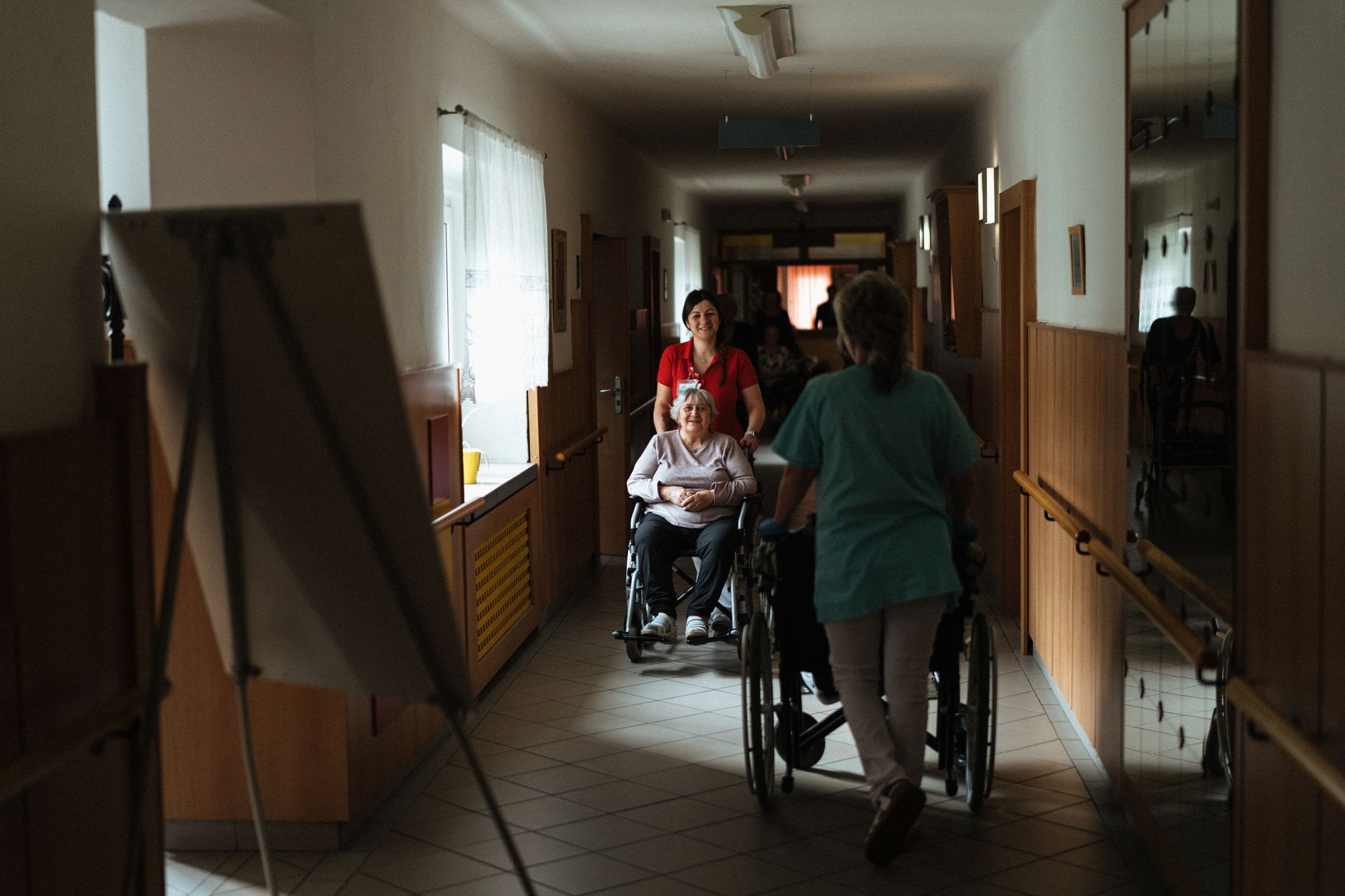
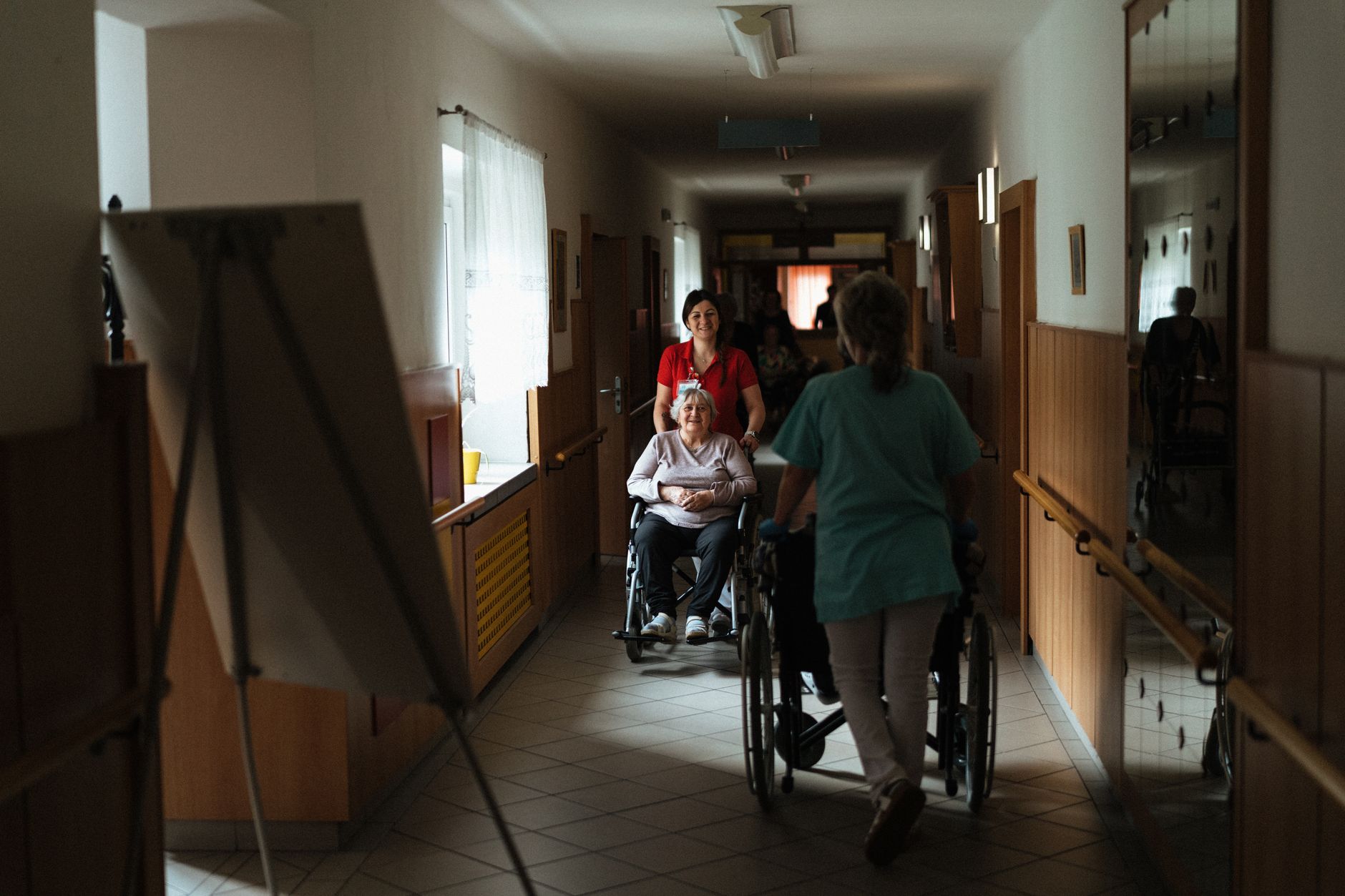
Before automation, the facility's daily operations were stretched thin. Care assistants walked miles each day moving meals, medications, linens, and supplies between floors, the kitchen, and the pharmacy. This constant fetching and carrying was inefficient and physically taxing, contributing to staff burnout.
Infection control was another significant variable. Manual disinfection of high-touch surfaces relied on individual diligence. During busy shifts, especially at night, it was common for some cleaning rounds to be cut short or missed entirely. This created unpredictable gaps in hygiene protocols, a serious risk in a vulnerable environment.
Finally, despite the staff's best efforts, periods of resident loneliness were common. With care teams occupied by logistical and medical tasks, there was limited time for the simple companionship that greatly improves quality of life. The question for leadership was clear: could technology give their dedicated staff the gift of time?
Which Robots Were Deployed and Why?
The facility implemented a trio of autonomous mobile robots (AMRs), each chosen for a specific purpose:
A fleet of delivery robots was introduced to take over the facility's internal logistics. These AMRs handled the repetitive transport of meal trays, medication carts, clean linens, and lab samples. Operating 24/7, they navigated hallways and elevators autonomously, ensuring that materials arrived where they were needed, when they were needed, without pulling care staff away from residents.
An autonomous UV disinfection robot was tasked with enhancing hygiene. After routine manual cleaning, this robot would navigate empty resident rooms and common areas, emitting high-intensity UV-C light. This germicidal light is proven to destroy microorganisms, including dangerous pathogens like C. diff, by breaking down their DNA. Studies have shown this technology can eliminate up to 99.99% of selected pathogens on surfaces.
A set of companion robots was deployed in common areas and for individual resident use. These robots are designed specifically for social interaction to help mitigate loneliness and provide cognitive stimulation. They can facilitate video calls with family, play music, lead simple games, or just offer a conversational presence, which research shows can reduce stress and improve quality of life for residents and family caregivers alike.
What Was the Real-World Impact on Staff and Residents?

The operational shifts were significant. With delivery robots handling material transport, care staff found themselves with more time and energy for their primary roles. The reduction in daily walking not only decreased physical strain but also translated directly into more time available for face-to-face resident care, observation, and interaction.
On the safety front, automated disinfection created a new standard of clean. The process was no longer subject to human variability. Every scheduled room disinfection was completed to the same methodical standard, and the facility had digital logs to prove it. Research from the University of Pennsylvania School of Medicine has shown that UV robots can reduce the transmission of infections like C. diff by as much as 25%.
Residents and their families reported higher levels of satisfaction. The companion robots became a popular feature, offering easy ways for residents to connect with loved ones. Staff, freed from some of their more monotonous tasks, were perceived as more attentive and present. A study published in Labour Economics found that robot adoption in nursing homes was associated with higher employee retention and an improved quality of care.
How Does a Business Adopt This Kind of Technology?
Deploying a multi-vendor fleet of robots can seem complex, which is why facilities often turn to a vendor-neutral robot integrator. At Service Robot Co., we specialize in this exact scenario. We don't make robots; we make robots work for your business.
Our process begins with a free site assessment to map your facility and understand its unique workflows. Because we are OEM-neutral, we select the right robots for the job from across the industry's best manufacturers, ensuring a perfect fit for every task. We handle the entire lifecycle: financing through programs like robot rental or lease, on-site deployment and integration, and comprehensive staff training.
Once your fleet is live, our nationwide network of US-based engineers provides all service and maintenance. Instead of juggling multiple manufacturers and service contracts, your facility has one partner and one number to call. This one-vendor approach for the whole lifecycle removes the operational burden of managing an advanced robotics program, from month-to-month robot lease options to emergency on-site dispatch.
What is the Financial and Operational Return?
The return on investment for service robots in a nursing home is multifaceted. Financially, automation directly addresses the high costs associated with staff turnover and the continuous need to recruit for unfilled shifts. By making the work less physically demanding and more focused on rewarding resident interaction, facilities that adopt robotics have been linked with higher employee retention.
Operationally, the gains in efficiency are clear. Automating the delivery of meals and medicine means those tasks run continuously and reliably without human labor. A study by Swisslog Healthcare demonstrated efficiency gains of 30-40% in hospital logistics from similar automation. Improved and verifiable disinfection reduces the risk of costly hospital-acquired infections.
Ultimately, the greatest return is in the quality of care. When technology handles the repetitive work, skilled caregivers can focus on the human side of their job: providing comfort, companionship, and expert medical attention. This elevates the resident experience and reinforces the facility's reputation as a top-tier care provider.
Key Lessons from the Deployment
This composite case study offers several key insights for any senior living facility considering automation.
First, a multi-robot strategy is more effective than a single-task solution. By addressing logistics, disinfection, and social engagement simultaneously, the facility achieved a compounding effect on efficiency and quality of life. Second, a phased rollout is critical. The technology was introduced over three months, allowing staff to adapt and integrate the robots into their routines without overwhelming them.
Finally, success isn't just about the hardware. It requires a partner focused on the complete service lifecycle. From the initial site assessment and mapping to ongoing maintenance and go-live support, a full-service integrator ensures the technology delivers on its promise. With options like Robot as a Service (RaaS), facilities can adopt this technology with no upfront capital, making it accessible even for businesses that need affordable service robot leasing.