Key takeaways
- Lane approaches need daily dusting and spot cleaning protocols that autonomous scrubbers should not replace.
- League nights concentrate spills and shoe grit on concourses, restrooms, and party areas away from foul lines.
- Humidity control near 40 to 50 percent helps approaches stay consistent, so scrubber schedules should respect HVAC cycles.
- Pilot one after-close route on concourse tile before expanding toward rental counters and arcade walkways.
- A vendor-neutral integrator can align scrubbers with your existing lane oiling and closing checklist.
What gets dirty after league night?
League bowlers do not just leave pins standing. They leave a trail of snack-bar soda, fryer oil mist, and rental-shoe grit on the concourse long after the last frame. According to KEGEL bowling maintenance guidance, residues from carpets, bar areas, and rental shoes are common ways dirt reaches synthetic approaches, which is why operators separate lane care from general floor care.
Your concourse, restrooms, party lanes seating, and arcade walkway take the brunt of that traffic. Approaches themselves need light dusting and alcohol wipe protocols that lane technicians guard closely. The business question is where an autonomous scrubber can run safely after close without crossing into lane maintenance territory.
Cosmic bowling and youth leagues add glitter, spilled slush drinks, and pizza grease that show up near party tables more than on the lanes. Staff often mop those zones by hand because timing is unpredictable. A mapped scrubber route still helps on nights when two leagues stack back to back and the open-play crowd follows immediately after.
Why can autonomous scrubbers not replace approach care?
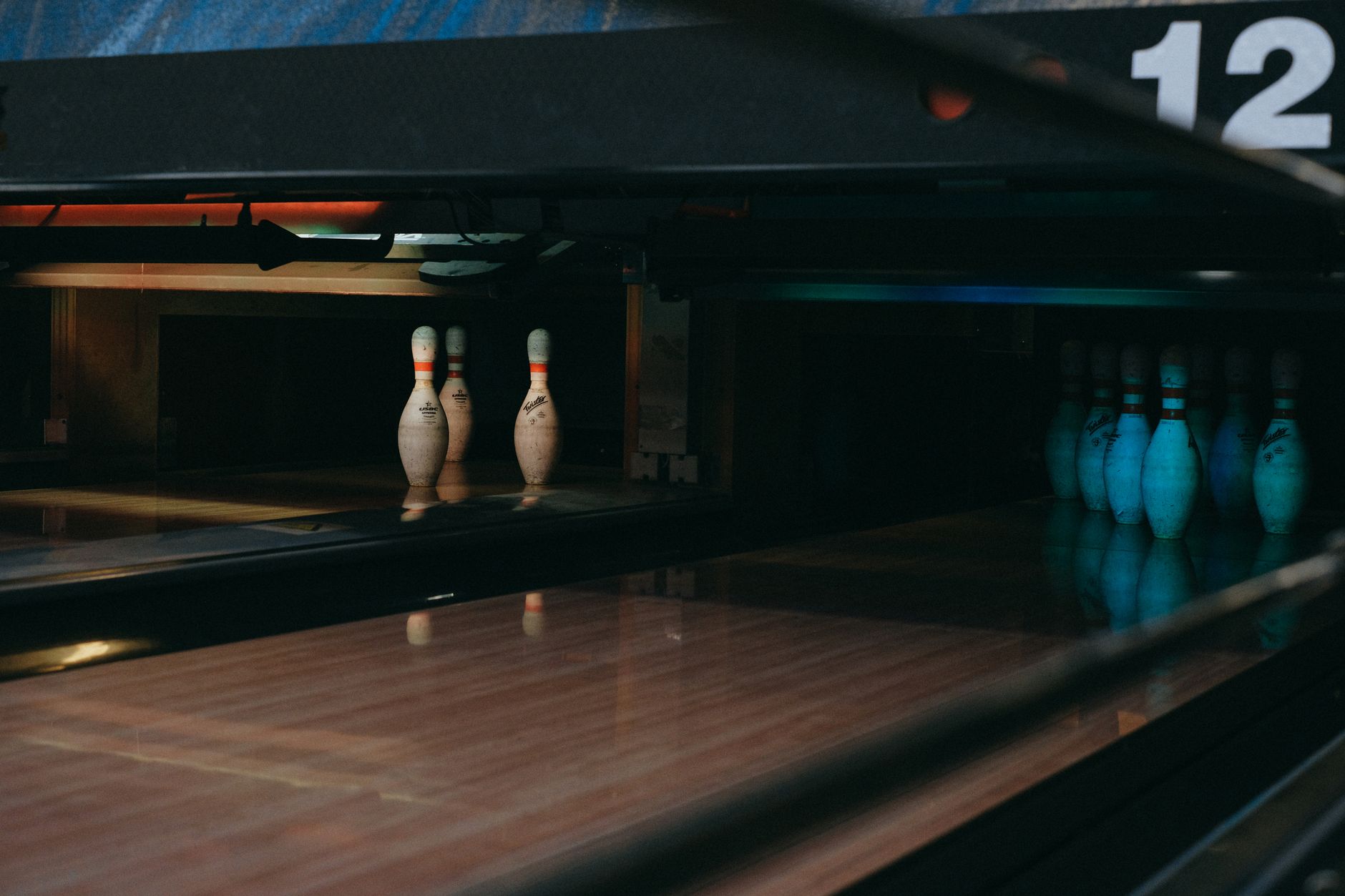
Synthetic approaches demand dry dusting morning and afternoon, plus weekly buffing with high-strength isopropyl alcohol, per Brunswick synthetic lane care guidance. Liquids that leave film, or mops shared with the bar, can change slide characteristics and create liability you cannot see on a glossy lane photo.
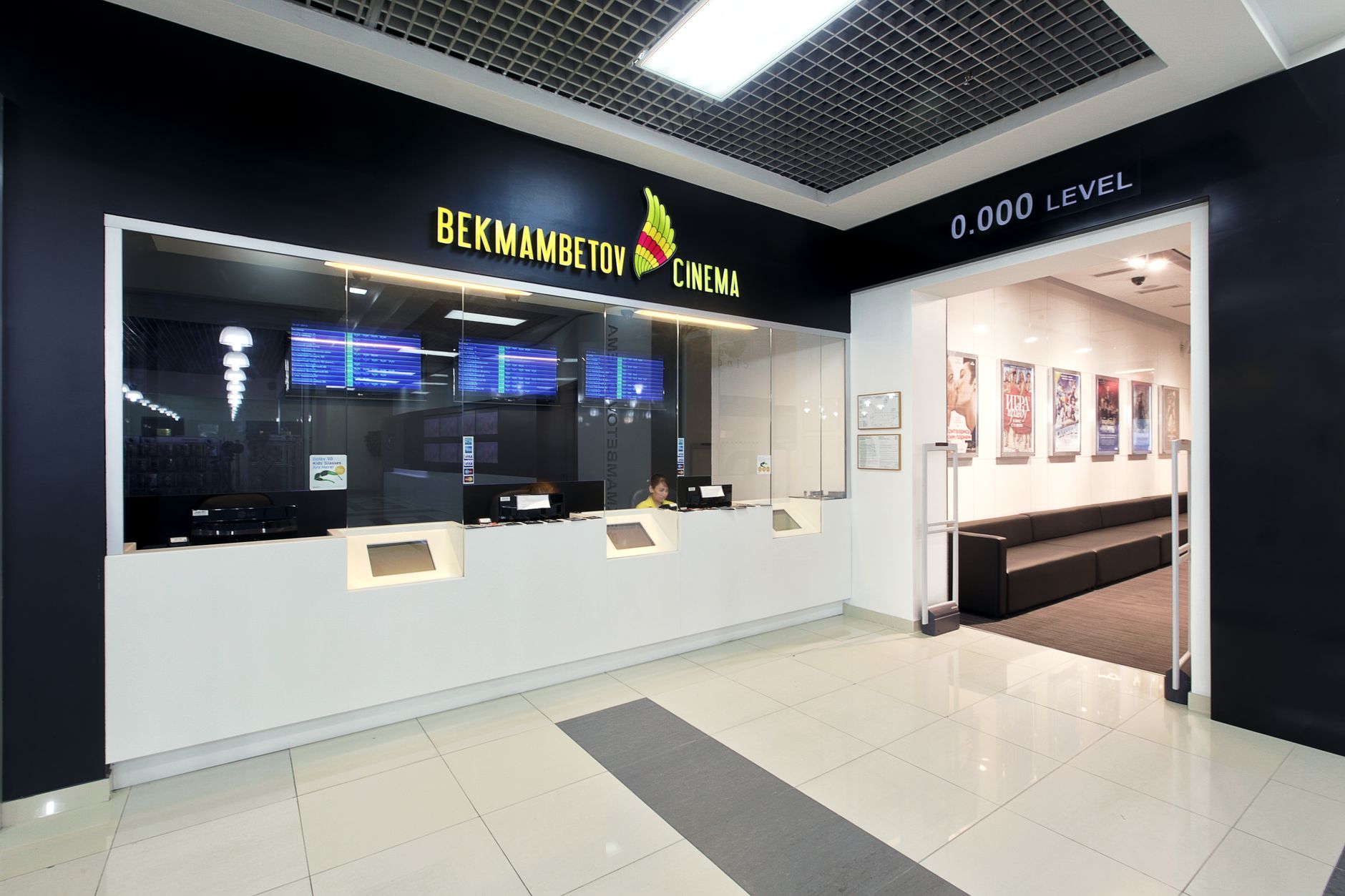
That is why bowling center SOPs treat approaches as precision surfaces while concourse tile is fair game for machine scrubbing. An autonomous scrubber belongs on hard flooring behind the bowler seating and near the shoe counter, not on the slide zone in front of the foul line.
Ball marks behind the foul line sometimes need manual attention with approved cleaners, another task that stays with trained lane staff. Document those zones on a floor plan so new hires do not assume the scrubber covers the entire bowler platform.
- Keep lane dusting and approach wiping on the lane technician checklist
- Route scrubbers on concourse tile, restrooms, and back-of-house corridors
- Isolate snack-bar zones where sugars dry into sticky patches overnight
Where should a scrubber run first?
Start with the highest spill load after league exit: the path from lanes to the counter, the restroom vestibule, and any party-lane lounge with tile. Bowling Vision operator guidance calls for daily approach inspection for slip hazards during every session, which tells you how seriously centers already treat traction.
Map that same discipline onto concourse tile. Run the scrubber after gutters and approaches are secured for the night and lane oiling windows are finished. Most centers either clean approaches after close or before open, but only after gutters are handled, so your robot schedule should slot behind that sequence rather than compete with it.
If you host tournaments, add the spectator gallery and pro-shop entry to the first pilot loop. Those areas see street shoes and beverage traffic that never touch the lanes but still land on tile.
How does humidity change the plan?
KEGEL notes that humidity above 50 percent can make synthetic approaches feel tacky, while very low humidity can make them slick. Centers already invest in HVAC and air movement to keep moisture off approaches.
Autonomous scrubbers add water and detergent only where hard floors allow it. Scheduling scrubbing when HVAC has pulled moisture down helps concourse tile dry before morning open play. If your center runs midnight leagues, a second light dusting on approaches may still be manual even when the scrubber handled tile.
Seasonal swings in Georgia, the Midwest, and coastal markets all show up in guest complaints about sticky rental areas before they show up in lane readings. Tie scrubber start times to when dehumidifiers have run long enough to stabilize the house.
What does a phased pilot look like?
Week one: document concourse spills by zone with photos after Friday league. Week two: run a scrubber on one loop from shoe rental to arcade entry while staff observe drying time. Week three: add restrooms if drying stays inside your open checklist.
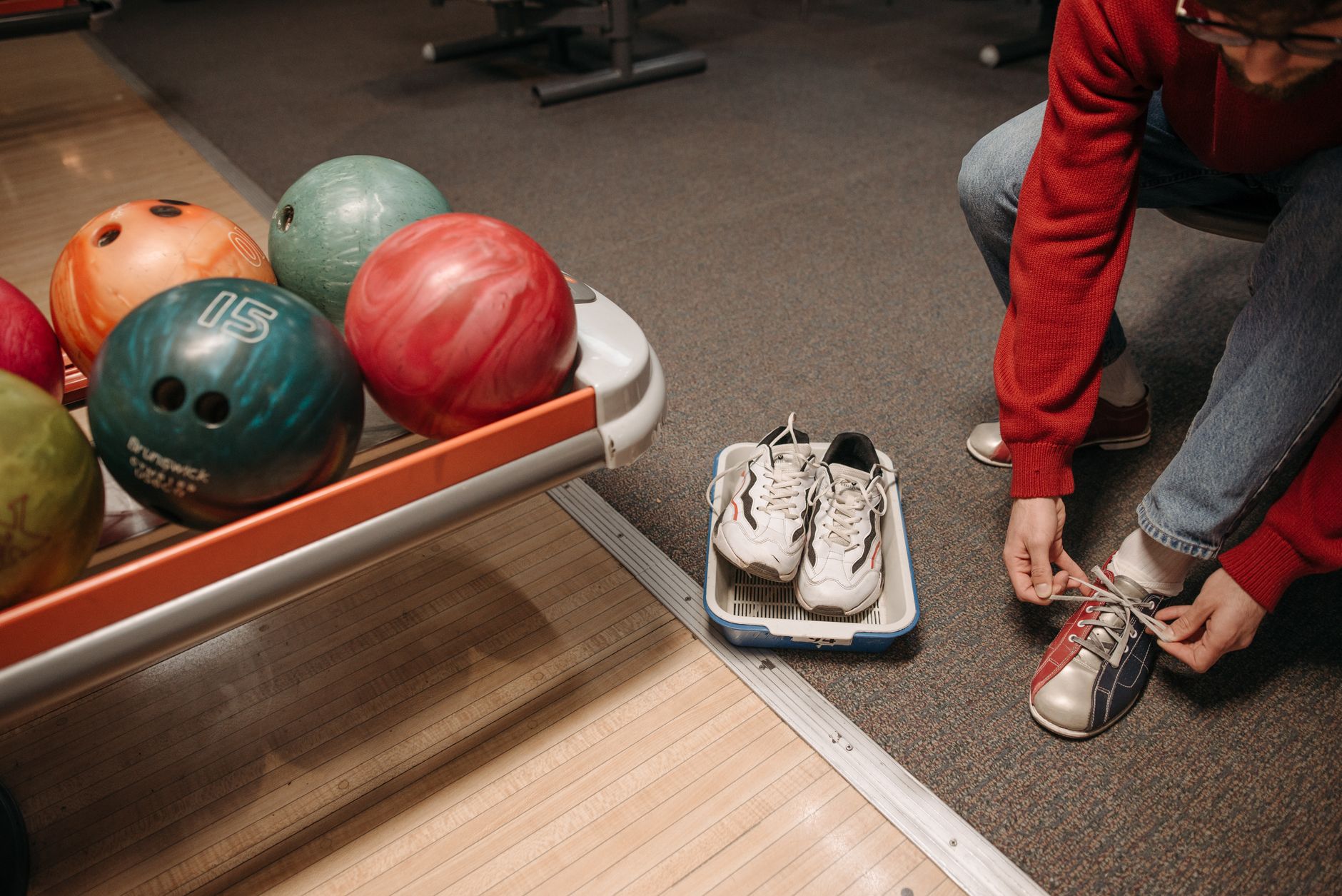
Train desk staff to flag sticky zones with simple floor tags so the scrubber route hits repeat offenders. Keep rental shoe cleaning on its own cadence because Brunswick lane care manuals tie dirty rental shoes to approach contamination.
Service Robot Co. can finance units through buy or lease paths, map routes during a site walk, and service robots under RoboCare with regional engineers. The integrator role matters here because lane vendors and building cleaners already touch different surfaces; someone needs to draw the boundary lines in writing.
Bring your lane technician into the pilot kickoff. They can veto any route that crosses conditioner storage or pinsetter access aisles you forgot on the first map.
How do arcades inside the center change routing?
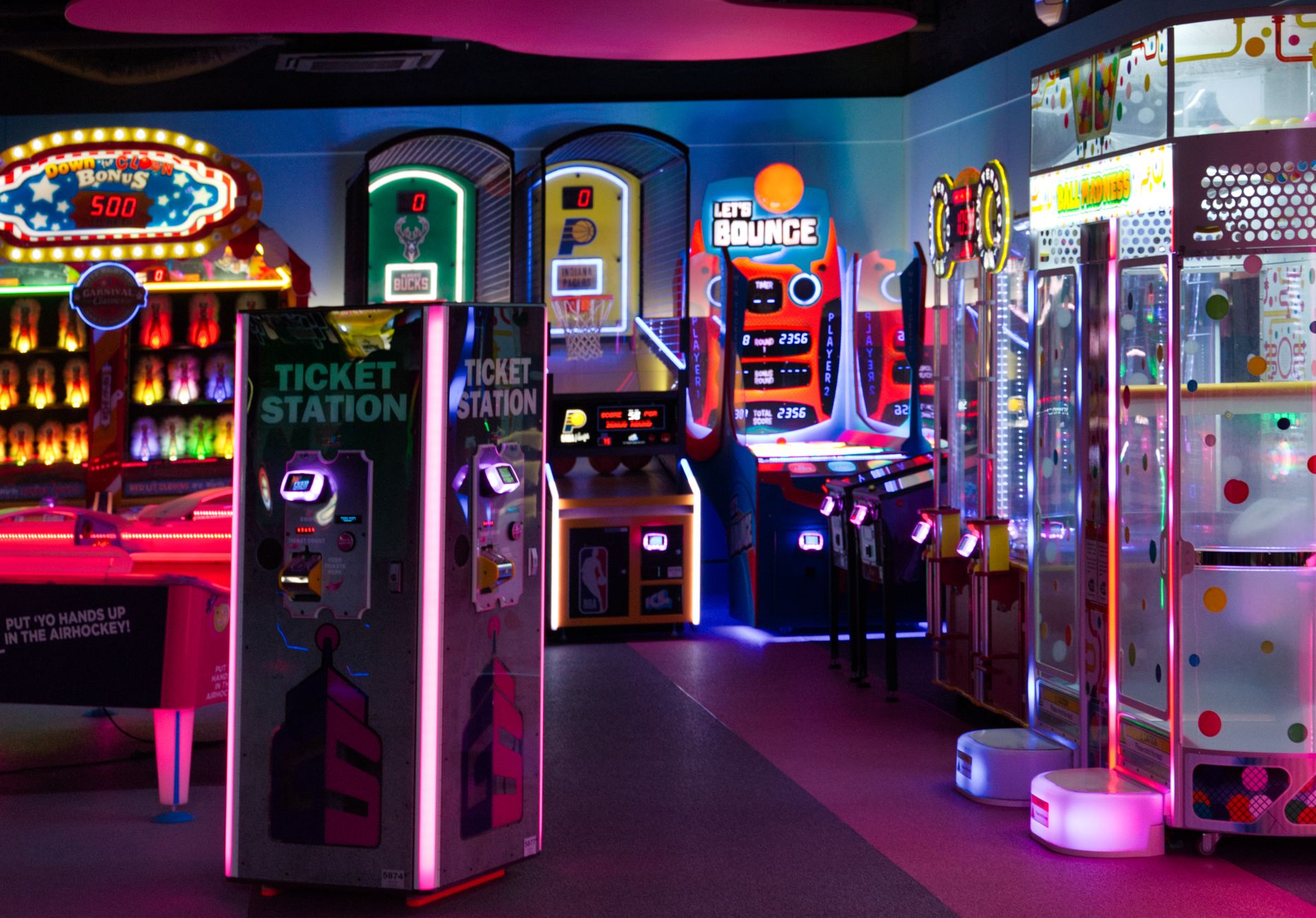
Many family entertainment sites mix bowling with redemption games and prize counters. Ticket dust, popcorn oil, and soda cups show up on the same tile bowlers use to reach the arcade. The scrubber route should include those turns even if league traffic alone would miss them.
Game technicians often store crates on tile edges overnight. Build a short manual pickup step into close procedures so the scrubber does not trap cords or mats. The goal is predictable tile, not replacing the arcade vendor's own cleaning contract.
Birthday party rooms that open onto the concourse deserve their own short segment in the route because frosting and juice spills cluster under tables while parents watch lanes.
What should managers measure after the first month?
Track slip complaints, guest comments about stickiness near the shoe counter, and how long staff spend on concourse mops versus approach dusting. If approach time stays flat while concourse mop hours fall, the pilot earned its space.
Also log league-night exceptions: tournaments, cosmic bowling, or birthday parties that change spill patterns. Adjust scrubber routes seasonally rather than assuming one loop fits summer soda traffic and winter league crowds equally.
Share a one-page summary with your insurance broker only if they ask about floor care changes. The operational win is fewer overnight mop hours and cleaner tile at open, not a marketing slide.
How do staffing shortages fit in?
Many centers run lean night crews that must close kitchens, reconcile arcade banks, and prep lanes for morning oiling. Hand mopping the full concourse often loses when the clock hits midnight.
A scrubber does not remove the need for a human closing manager. It removes repetitive square footage so that person can finish lane paperwork and security walks. Pair the robot with a checklist that still includes manual spot checks at the shoe counter where alcohol wipes beat water volume.