
Key takeaways
- Fairway and rough mowing still consumes the biggest share of weekly crew hours on most 18-hole layouts.
- A mapped autonomous fairway schedule can run while staff focus on greens, bunkers, tees, and tournament prep.
- GCSAA's 2025 labor survey shows one in three superintendents still call the maintenance labor market bad or very bad.
- Greens and tees stay crew work; automation targets repeatable fairway passes with clear no-go zones.
- A site assessment should map slopes, cart paths, bridges, and play windows before you buy or lease.
Why fairway hours still crowd the maintenance calendar
If you manage an 18-hole course, you already know where the week goes. Greens demand daily attention. Bunkers need edging after every wind event. Tees and approaches want consistent height of cut before weekend play. Fairways and rough still need long, repetitive passes that tie up operators and equipment even when the detail work is never finished.
The GCSAA 2025 Capital Budget and Labor Survey, published in April 2025, reports that 34 percent of responding superintendents still rate the maintenance labor market as bad or very bad. That is better than the 63 percent who said the same in 2022, but it is not relief for a crew that is already stretched during peak season.
Automating fairway mowing is not about removing people from the property. It is about moving skilled hours off the fairway seat and onto the tasks members notice first: green speed, bunker consistency, and clean tee decks before the first group.
What changes when fairway cuts run on a schedule
A scheduled autonomous fairway mower follows a mapped route you approve. It handles the wide, open passes that eat afternoons while your staff stay on hand work. Rough can be included when the map and growth targets allow, but greens and tees remain with the crew by design.
The shift shows up in daily standups. Instead of assigning two operators to fairways until dark, you assign them to topdressing prep, bunker repair, or irrigation checks. The fairway machine starts when play allows and finishes on the window you set, even if that means an early morning start before the shop opens.
Courses buy the unit outright or lease it through financing after a quote from a free site assessment. Service Robot Co. maps the property, sets boundaries, trains your team on start and stop procedures, and supports the machine under RoboCare with regional engineers.
Which course areas stay manual by design
Greens are too sensitive for autonomous fairway equipment. Collars and approaches need judgment around pin placements and tournament setups. Bunkers need rakes and edges, not mowers. Tees may be small enough that a skilled operator with a walk-behind still wins on time.
Cart paths, bridges, steep faces, and native areas belong in no-go zones on the map. Water hazards and out-of-bounds strips should be fenced in software before the first run. The goal is predictable coverage on fairway corridors, not a robot wandering into a bunker lip.
When members ask what changed, the honest answer is simple: the fairways still look groomed, but your best people spent the day on surfaces that define scoring conditions.
How labor pressure shows up in 2026 planning
Golf Course Industry budgeting coverage for 2026 notes that superintendents should plan for higher labor costs and less access to entry level manual workers. Training new hires takes longer when applicants lack turf experience. That makes retaining skilled assistants as important as filling fairway seats.
Autonomous fairway mowing does not replace agronomic decisions. It replaces repeated transit time across acres that look the same to a member but consume hours on a mower. Freeing those hours lowers the chance that bunker work or venting gets pushed to Monday when Sunday traffic was heavy.
H-2B guest worker programs still appear in GCSAA survey responses for some properties, but visa timing and housing costs add risk. A machine on a fixed schedule is one lever you control locally without waiting on visa caps.
Mapping the property before the first autonomous pass
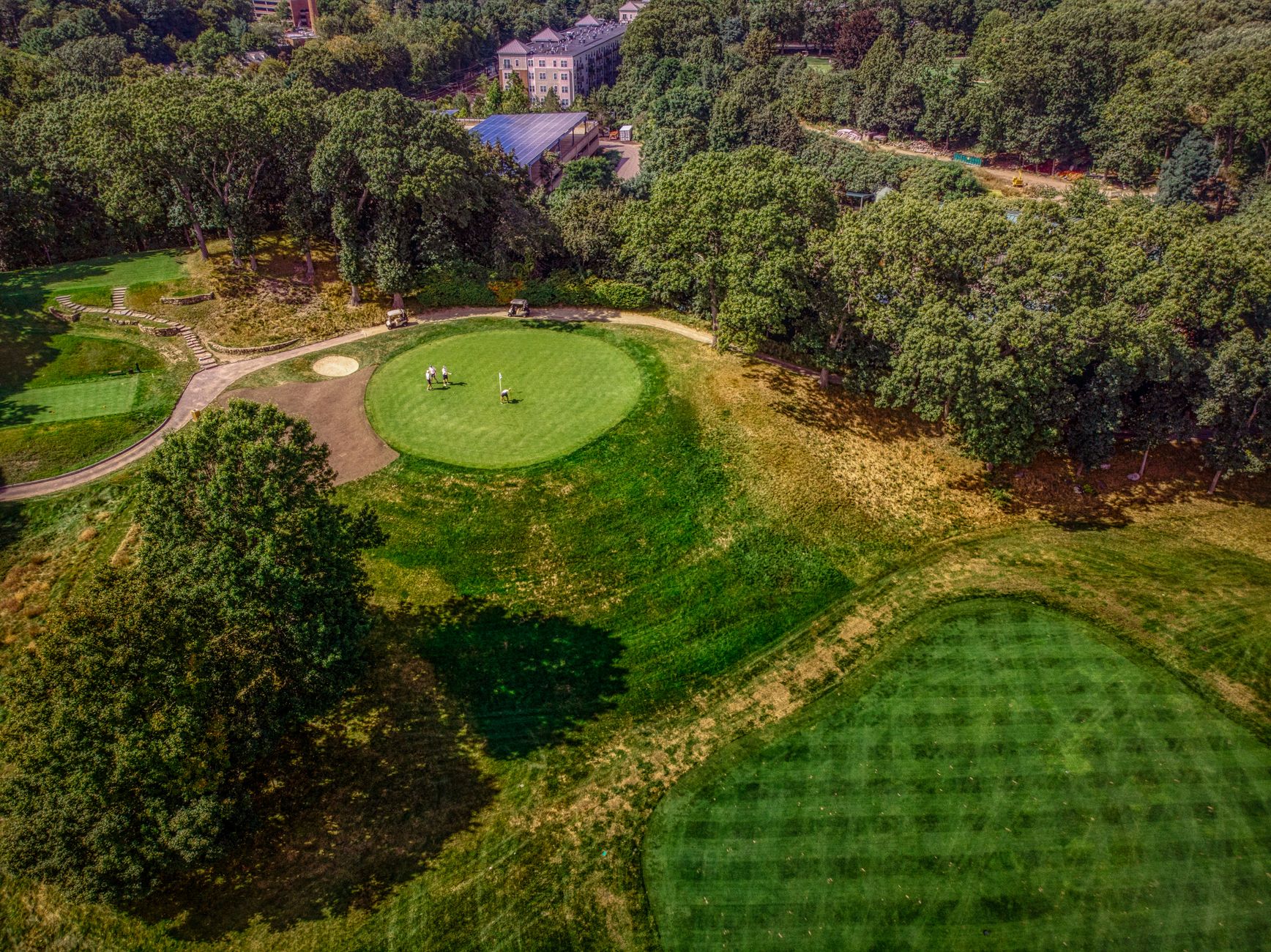
Start with an aerial view and a walk of every fairway corridor. Mark sprinkler heads, yardage plates, drainage grates, and any low branches that hang into the cutting path. Note where carts cross fairways and where players often search for balls in rough.
Identify play windows. Many courses want cutting while cards are on the front nine, or entirely overnight when noise rules allow. Document local ordinances and neighbor sight lines if the route passes near housing.
Slope matters. Steep faces that operators already avoid should stay in the no-go layer. Test wet spots after irrigation or rain; autonomous units need firm footing just like a triplex.
Share the draft map with your mechanic and irrigation tech. They will spot obstacles a superintendent might skip on paper.
- Fairway and rough polygons with height-of-cut targets
- Greens, bunkers, tees, and approaches marked as manual-only zones
- Cart paths, bridges, and maintenance roads flagged as slow or no-go
- Play windows and noise restrictions by day of week
- Emergency stop points where staff can intercept the route
Training the crew so automation feels like a tool
Introduce the schedule in a shop meeting with the actual map on screen. Show where the unit enters, where it exits, and who holds the remote stop on busy tournament weeks. Pair a trusted operator with the integrator for the first supervised run.
Write a one-page checklist for opening day: confirm boundary file version, check battery or fuel, verify blades, and log the start time in your maintenance log. Treat it like any other piece of motorized equipment with its own pre-run inspection.
When something changes on the course, update the map before the next autonomous cycle. A new forward tee or a relocated bunker edge is a software edit, not a debate on the radio.
Pairing fairway automation with clubhouse floor care

Members see fairways from the cart, but they also see the locker room tile and pro shop hard floors. The same campaign that frees fairway hours can include autonomous scrubbers for clubhouse corridors, sweepers for cart barn concrete, or cameras for parking lots.
One integrator can scope mowing, indoor cleaning, and perimeter security so you are not juggling separate vendors for finance, training, and service calls. That matters on small teams where the superintendent already wears six hats.
Keep each robot type on its own schedule. Fairway mowing follows agronomy; scrubbers follow foot traffic after the grill closes. The unifying piece is a single service number when something needs attention.
Questions to ask before you sign
Ask how boundary updates are handled after aerification or renovation. Ask who responds if the unit stops mid-fairway during a member guest day. Ask what data you receive after each run, whether that is a simple completion log or a map trace.
Confirm financing options in writing after the site assessment. Outright purchase and lease paths should both be on the table without surprise fees tied to maintenance parts.
Finally, ask for references from courses with similar grass types and play volume. A municipal layout with heavy afternoon play faces different constraints than a private club with a quiet Monday.