Key takeaways
- Late shows leave concession syrup, popcorn oil, and restroom traffic on tile and carpet in a narrow overnight window.
- Zone maps separate carpet aisles, tile entries, and concession pads so scrubbers and vacuums do not fight furniture.
- NATO data shows U.S. theatre food and beverage sales topped $5.7 billion in 2023, so every spill scales with traffic.
- AMC reported consolidated food and beverage revenue of $7.95 per patron in Q2 2025, which raises the stakes on lobby presentation.
- A vendor-neutral integrator can finance, deploy, train ushers, and service units under one RoboCare plan.
Why do cinema lobbies get dirty faster than they look?
Movie theatre lobbies are not generic retail floors. Concession counters pour soda, pump butter-flavored topping, and hand out trays while crowds queue shoulder to shoulder. Popcorn kernels crack underfoot and gum ends up on carpet near the auditorium doors. Restroom traffic spikes in the ten minutes before showtime and again as credits roll.
Operators often run back-to-back shows on multiple screens, which compresses cleanup into the gap between the last late screening and the first matinee. When that gap is only a few hours, a small overnight crew is asked to reset thousands of square feet of mixed surfaces.
According to Cinema United's Exhibition Outlook report citing 2023 U.S. industry figures, food and beverage sales in theatres reached $5.7 billion. More concession revenue generally means more sticky residue on the floor, even when ushers do a solid sweep after each show.
What makes overnight cleaning hard in a multiplex?
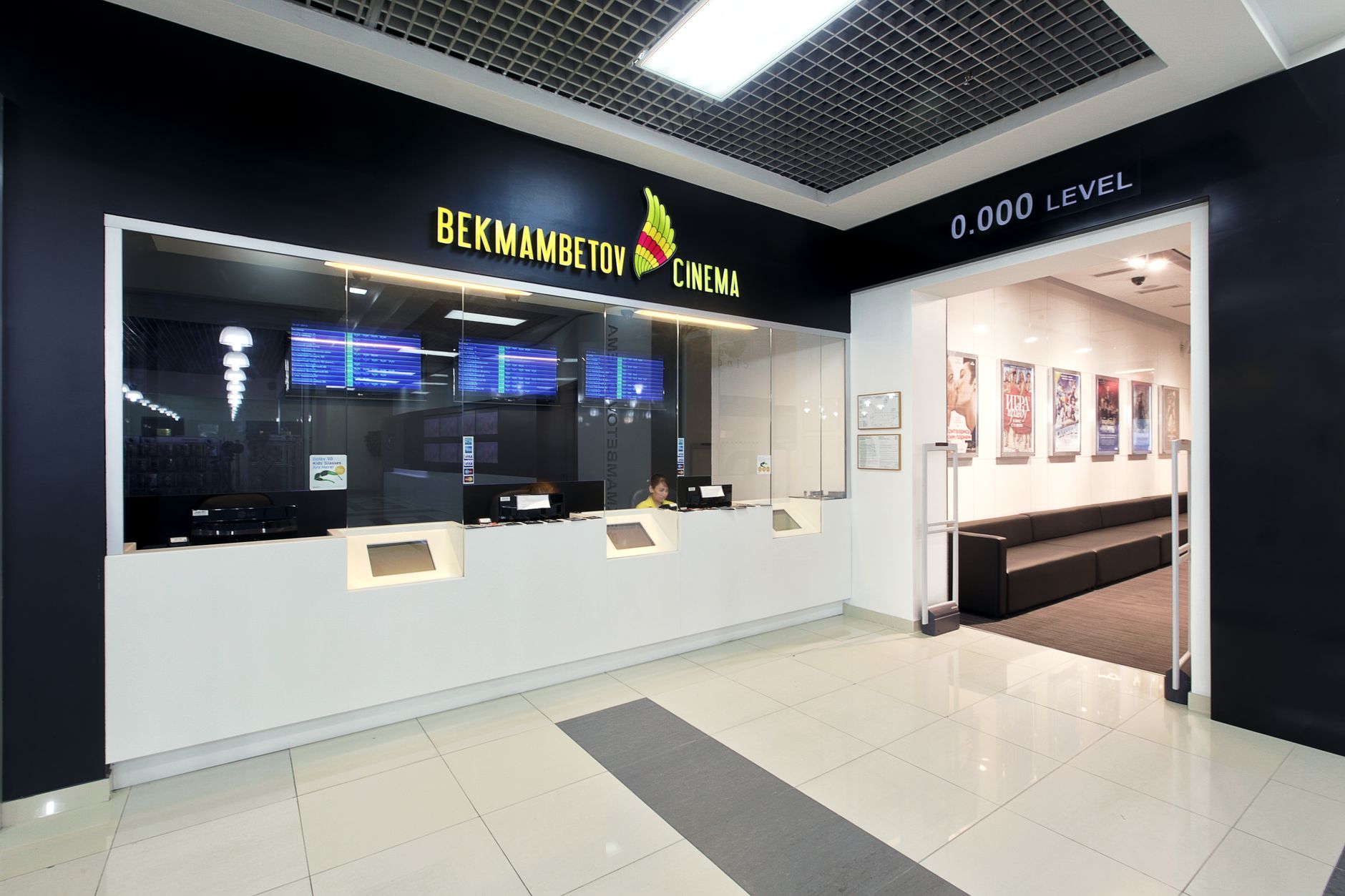
Lobby layouts fight efficiency. Carpet runs through queuing lanes, tile wraps the box office, and rubber matting hides at the entrance. Concession islands sit on hard surface while plush seating areas nearby stay on carpet. A single mop bucket rarely matches that mix.
Furniture moves every weekend. Studio promotions add standees, velvet ropes shift for premieres, and holiday crowds overflow into areas that are normally closed. Any cleaning plan has to assume the map changes.
Safety matters as much as shine. Wet tile at 1 a.m. is a slip risk for the only manager on duty. Corded equipment stretched across an emergency exit path is another headache. That is why more operators look at autonomous scrubbers with built-in drying paths and vacuums that follow mapped routes instead of ad hoc crews with extension cords.
How should you map lobby zones before robots run?

Start with a walkthrough after a busy Friday night. Mark three zones: hard surface at concessions, carpet in queuing and lounge areas, and transition strips at auditorium entries. Note where ushers stack trash, where carts roll, and where cables cross for promo screens.
Photograph furniture in its weekday and weekend positions. Robots need clearance width; a standee that fits during the day might block a scrubber path at night if ushers leave it centered.
Define no-go areas explicitly. Ticket scanners, glass display cases, and ADA ramps should sit inside geofenced buffers. Train staff to lift rope stanchions or fold them inward so machines do not snag lines.
- Concession pad: nightly autonomous scrub on tile with a slow pass near syrup pumps
- Queue carpet: commercial vacuum route before scrubbers enter adjacent tile
- Restroom corridor: spot mop checklist for humans, robot handles open lobby tile
- Entry mats: shake or replace mats before robots run to avoid clogging brushes
Which robot types fit theatre lobbies?
Autonomous scrubbers handle concession tile and back-of-house hallways where grease film builds. Choose a unit sized for aisle width between candy cases and pick a detergent protocol your local health inspector accepts for food-adjacent floors.
Commercial vacuums or vacuum-mop combos cover carpeted queuing lanes. They pick up popcorn hulls that would scratch hard floors if a scrubber dragged them along.
Delivery robots are rarely the first purchase for theatres, but some entertainment complexes add them for manager offices or upstairs lounges. Security robots matter more for exterior lots and loading docks than for the lobby itself, yet a single property sometimes bundles patrol units with indoor cleaning when one vendor coordinates both.
How do you schedule runs between the last show and opening?
Anchor the schedule to showtimes, not the clock. If the final screening ends near midnight and doors reopen at ten, you might have nine hours, but ushers need thirty minutes to reset auditoriums first. Block that human work, then release robots into the lobby.
Run vacuums before scrubbers on shared paths so debris does not smear. On very short nights, prioritize concession tile and entries, then carpet, then secondary lounges.
Log each run in the robot fleet app. Managers can see whether a route finished, if water was refilled, and if a machine stopped for an obstacle. That record helps when a morning manager asks why a corner looks dull.
What should ushers and managers do differently?
Ushers become staging crew. They straighten chairs, coil ropes, and move portable signs to a storage alcove before robots leave the charging dock. A five-minute checklist beats stopping a run mid-route.
Managers set escalation rules. If a scrubber halts on a spilled slushie, staff mop the hazard, then restart the route. Never drag a machine through standing liquid it cannot absorb.
Morning opening staff walk the path before guests arrive. They look for missed corners, not to redo the whole floor, but to catch anything robots cannot reach under fixed counters.
Where does financing and service fit for theatre chains?
Capital budgets for theatres are tight while studios swing attendance. Buying a scrubber outright works for well-capitalized circuits; leasing through financing spreads the cost across seasons when blockbusters and slow weeks alternate.
Service Robot Co. stays vendor neutral, so a regional circuit can match each property with the right scrubber or vacuum rather than forcing one model nationwide. We map the lobby, train ushers, integrate charging locations with your electrical plan, and back units with RoboCare service from regional engineers.
A free site assessment is the practical first step. Bring floor plans, typical show schedules, and photos of concession layouts. The output is a route plan and a staffing model that shows where robots replace hours and where humans still win.
What numbers should operators track after go-live?
Track labour hours spent on lobby reset versus auditorium cleaning. Many chains discover lobby work was understated because ushers folded it into other tasks.
Compare guest complaint tags about stickiness or odor on carpet. Fewer comments during blockbuster weekends suggest the overnight plan is working.
Public company metrics remind you why the floor matters. AMC reported consolidated food and beverage revenue per patron of $7.95 in the second quarter of 2025, up from $7.34 in the prior-year quarter according to its earnings release. When guests spend that much at concessions, they notice a dull or tacky lobby on the way out.