
Key takeaways
- Clubhouse hard floors take the worst abuse when the tee sheet stays full and cart traffic never really stops.
- A scrubber schedule should follow member events and F&B peaks, not a generic nightly mop rotation.
- Grit from cart paths and range mats tracks inside faster than most crews can chase it with a bucket.
- Map entries, locker routes, and pro-shop aisles before you buy or lease any autonomous scrubber.
- Cross-department weekly planning, as Chambers Bay described in 2026, is what keeps floor work from colliding with play.
How do you scrub clubhouse floors between tee sheets?
Run an autonomous scrubber in the narrow windows when golfers are on the course and the pro shop is quiet, then hit high-traffic entries again after the last groups clear. That pattern resets tile and sealed concrete in the locker room, grill, and retail aisles without pulling F&B staff off the line during lunch rushes.
Golf Course Industry reported in January 2026 that Chambers Bay stays busy through winter rounds, closes Tuesdays for turf work from November through February, and still sees tee times stacked once the first group goes. Superintendent Eric Johnson told the magazine that weekly coordination across department managers is the top goal when traffic, weather, and staffing all press at once.
Floor care belongs in that same weekly huddle. If the grill stays open through a shotgun start, scrub the locker corridor before the shop opens and return to the pro-shop entries after league nights. The scrubber does the heavy water pickup; your team handles mats, drains, and the last walk-through.
Think in two passes: a maintenance pass that covers square footage, and a detail pass at the bag drop where carts unload wet gear. Members judge the whole property from that first indoor impression.
Why do clubhouse hard floors fall behind during peak season?
Cart paths, range mats, and dewy approaches throw sand and organic debris at shoe level. Every trip through the bag drop grinds that mix into tile grout. Manual mopping spreads it until the floor looks dull by Thursday even if you started Monday clean.
Food and beverage teams feel the squeeze first. PGA reporting from 2025 quoted directors who said kitchens struggle to hire porters and extra cooks when the sheet fills, while golf operations often keeps returning seasonal help. Floors lose the staff hours they never had.
Member events compress the problem. A tournament registration table, silent auction, or league dinner can put hundreds of feet on the same corridor in one evening. You cannot wait for a slow Tuesday when your facility, like many year-round properties, no longer gets a true off-season.
Johnson also told Golf Course Industry that landscape companies sometimes pay higher hourly rates than golf maintenance, which makes it harder to hold a deep bench for indoor work. When turf competes for the same people, clubhouse tasks slip to whoever is left after closing.

Where should you map scrubber routes first?
Start at exterior doors that face cart storage and the bag drop. Those thresholds collect the most grit. Next, trace the path from locker rooms to the grill and pro shop, because that loop repeats all day.
Locker benches and wet areas need a slower pass with squeegee pressure tuned for tile transitions. Retail aisles need a wider scrub deck and tight turning radius so displays stay untouched. Note floor drains and expansion joints; a robot that stops at every joint wastes the window you fought to protect.
If your course hosts outside groups, mark where staging tables and extra chairs land. Those layouts change weekly. A mapped route that avoids podium cables on Friday league night is worth more than a faster machine on paper.
Photograph problem spots under the same lighting members see. Pro shops often use bright spots that hide haze until mid-afternoon sun hits the entry tile.
- Bag drop and cart-barn entries
- Locker room to grill connector halls
- Pro-shop aisles and demo fitting areas
- Restroom corridors off the main lobby
- Banquet pre-function space used for registrations
How should scrubbing fit the tee sheet and F&B schedule?
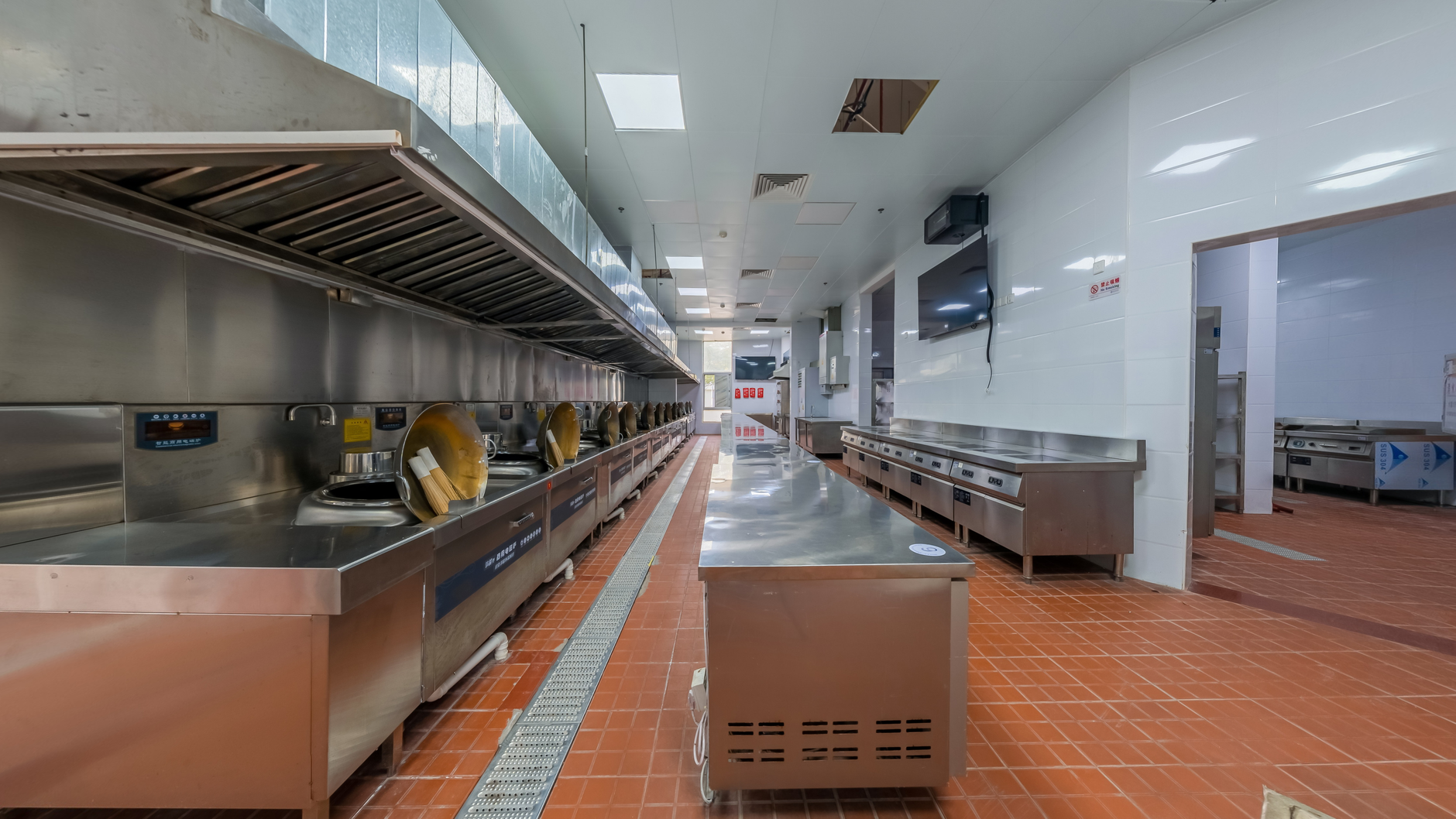
Treat scrub windows like maintenance closures. Publish them to golf ops, the pro shop, and the chef at the start of the week. A 90-minute block after morning league clears may be enough for locker tile; banquet carpet extraction stays on a different crew.
Winter play changes the rhythm. Johnson noted that Chambers Bay keeps rounds moving even on poor weather days, which removes the old excuse that January floors can wait. Use closed-course mornings or Tuesday closures, when you have them, for a full scrub and drain rinse.
Humid southern summers argue for drying time before peak humidity. Run scrubbers early enough that squeegees finish before the lunch rush packs the grill. Slips near the beverage station are a membership issue, not just a housekeeping note.
Range maintenance on Friday and Saturday nights, which Johnson described for his crew, shows how golf properties already schedule niche labor around play. Indoor scrubbing deserves the same respect on the shared calendar.
What scrubber traits matter for a golf clubhouse?
Pick a unit sized for doorways and elevator thresholds if your locker levels change. Battery runtime should cover your longest mapped loop plus one recovery pass at the bag drop.
Chemical dosing should stay consistent shift to shift. Turf crews already fight variability on greens; clubhouse floors punish the same inconsistency with streaks members notice under pro-shop lighting.
Noise matters near the simulator bay or locker lounge. Compare decibel ratings on spec sheets you can verify from the manufacturer, and schedule louder passes when those rooms are empty.
Service access is non-negotiable. A scrubber that only a distant dealer can fix will miss Saturday member-guest week. Ask how remote diagnostics work and what parts your staff can swap without voiding coverage.
Look for fleet software that logs which route ran and when. That audit trail ends arguments between departments about who missed the locker hall after a rain delay.

When does an integrator shorten the rollout?
Service Robot Co. walks the clubhouse, maps routes with your managers, and matches scrubbers from multiple manufacturers to the floors you actually have. We finance purchases or leases, deploy the unit, train staff, and back it with RoboCare service from regional engineers.
That single-partner model matters because golf properties already juggle turf vendors, F&B suppliers, and cart fleets. Adding a scrubber without integration support usually means the robot sits in a utility closet by October.
Bring your weekly traffic plan to the site visit. If Tuesday closures exist, show them. If the tee sheet stays full year-round, say that too. The right schedule is built from your sheet, not from a warehouse demo lane.
A free site assessment is the right time to settle chemical compatibility with your existing floor finishes and to confirm water recovery will not flood a locker drain that turf staff also uses.
How are courses pairing turf automation with indoor floor care?
The USGA Green Section Record described in 2026 how Atlanta Athletic Club expanded autonomous fairway and rough mowing while hiding charging stations near restrooms and tree lines so play stays clean visually. The same discipline applies indoors: machines work while members are elsewhere, and staff focus on touch-up details.
Fairway automation frees hours, but it does not vacuum locker grit. Courses that invest in outdoor robotics still need an indoor plan or the clubhouse becomes the visible weak link in an otherwise sharp property.
Coordinate vendors so scrubber water pickup does not conflict with turf chemical applications tracked at the same utility sink. Small logistics clashes create big morale problems between departments.
USGA writers also noted that docking pads should sit on stable, level ground with drainage so technicians can service units without trampling surround turf. Indoor pads need the same thinking where locker tile meets carpet transitions.
What should managers measure after the first month?
Track slip complaints at the bag drop and grill entries. If they drop while rounds stay flat, your schedule is working.
Log labor hours spent on mop buckets versus robot oversight. Most clubs redeploy saved hours to banquet resets or pro-shop inventory, not layoffs.
Ask F&B leads whether closing times improved. A scrubber that finishes water pickup before the kitchen shuts down keeps porters from doubling back at midnight.
Review member comment cards for floor appearance. One vague note about sticky tile is enough to adjust the Friday league exit route.