Key takeaways
- Certified tool routes need locked carriers, scan events, and status checks before every cell handoff.
- AMRs cut crib-to-cell walks but never replace calibration ownership or quality release.
- Urgent recalls need fleet software that can intercept in-transit tools and route them to quarantine.
- FOD discipline applies to robot paths, cradles, and tire debris the same as manual carts.
- Vendor-neutral integrators map access zones, finance pilots, and service AMRs on nationwide plans.
Why move certified tools with AMRs at all?
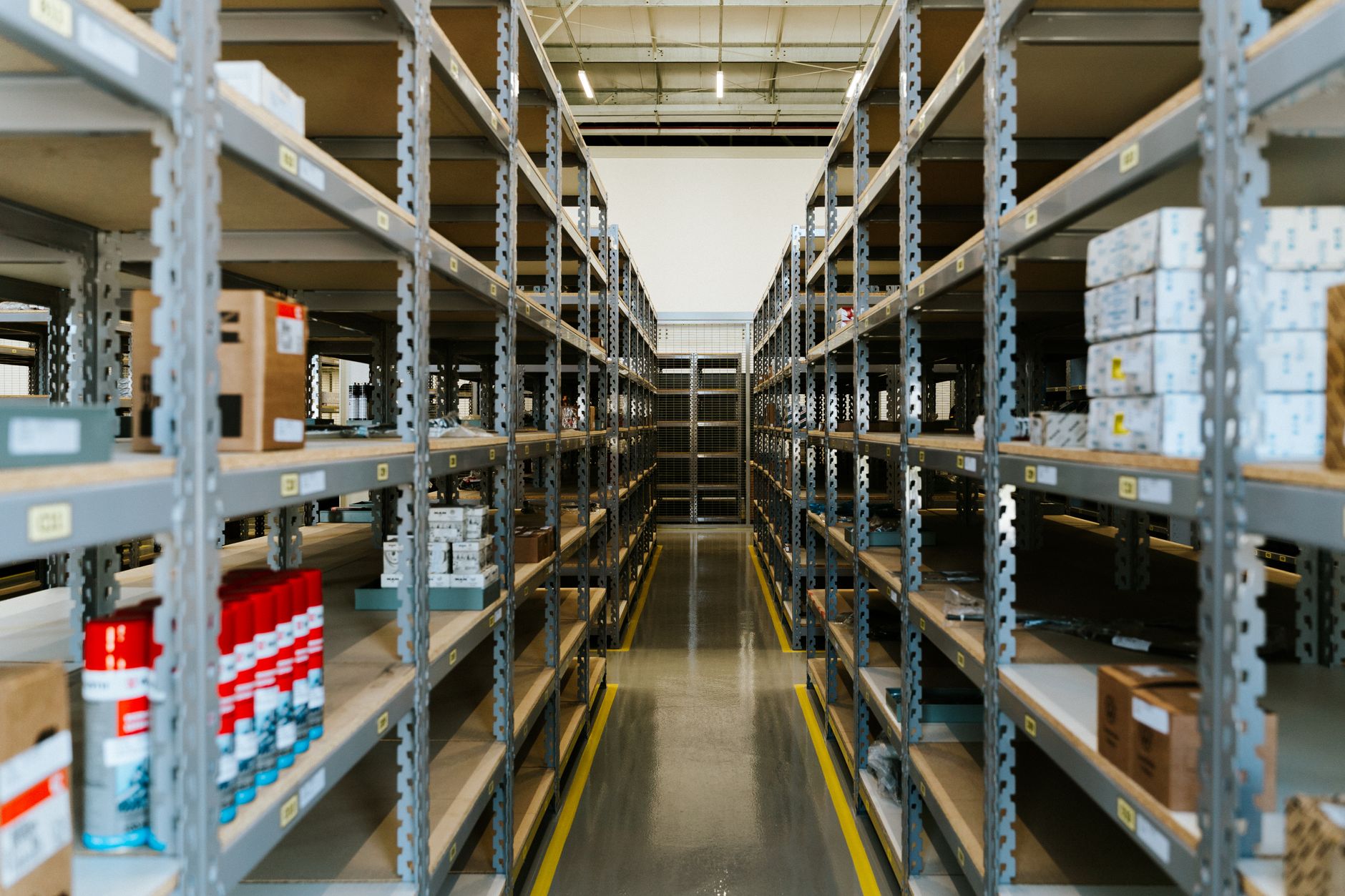
Aerospace plants live on calibrated torque wrenches, drill templates, and inspection fixtures that cannot sit in the wrong cell for an hour. Every walk from the tool crib to a wing line or composite bay is a chance to miss a due date or mix two similar kits.
Autonomous mobile robots fit when the route repeats, the payload is controlled, and identity must stay tied to calibration status from crib to bench. They are couriers, not craftspeople. Machinists still own setup and sign-off.
If your crib already tracks check-out in software, you have the backbone for robot missions. The hard part is aligning access control, foreign object debris rules, and recall logic with fleet dispatch.
What makes tooling logistics different from generic parts delivery?
Commercial parts bins tolerate mix-ups more easily than a certified drill plate with hours left on its interval. Tool identity is the product. Serial, calibration due date, and restricted use tags must travel with the physical unit.
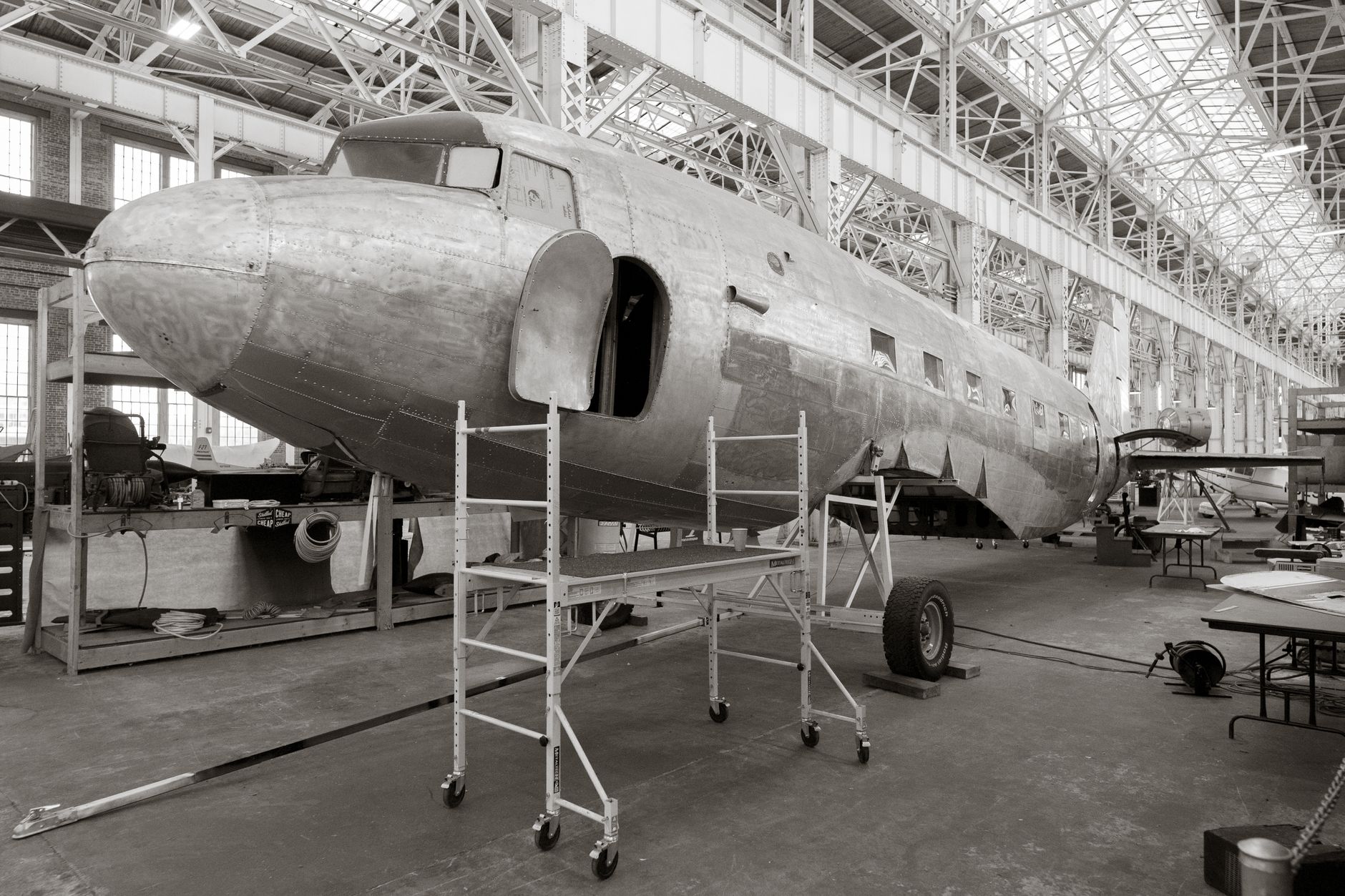
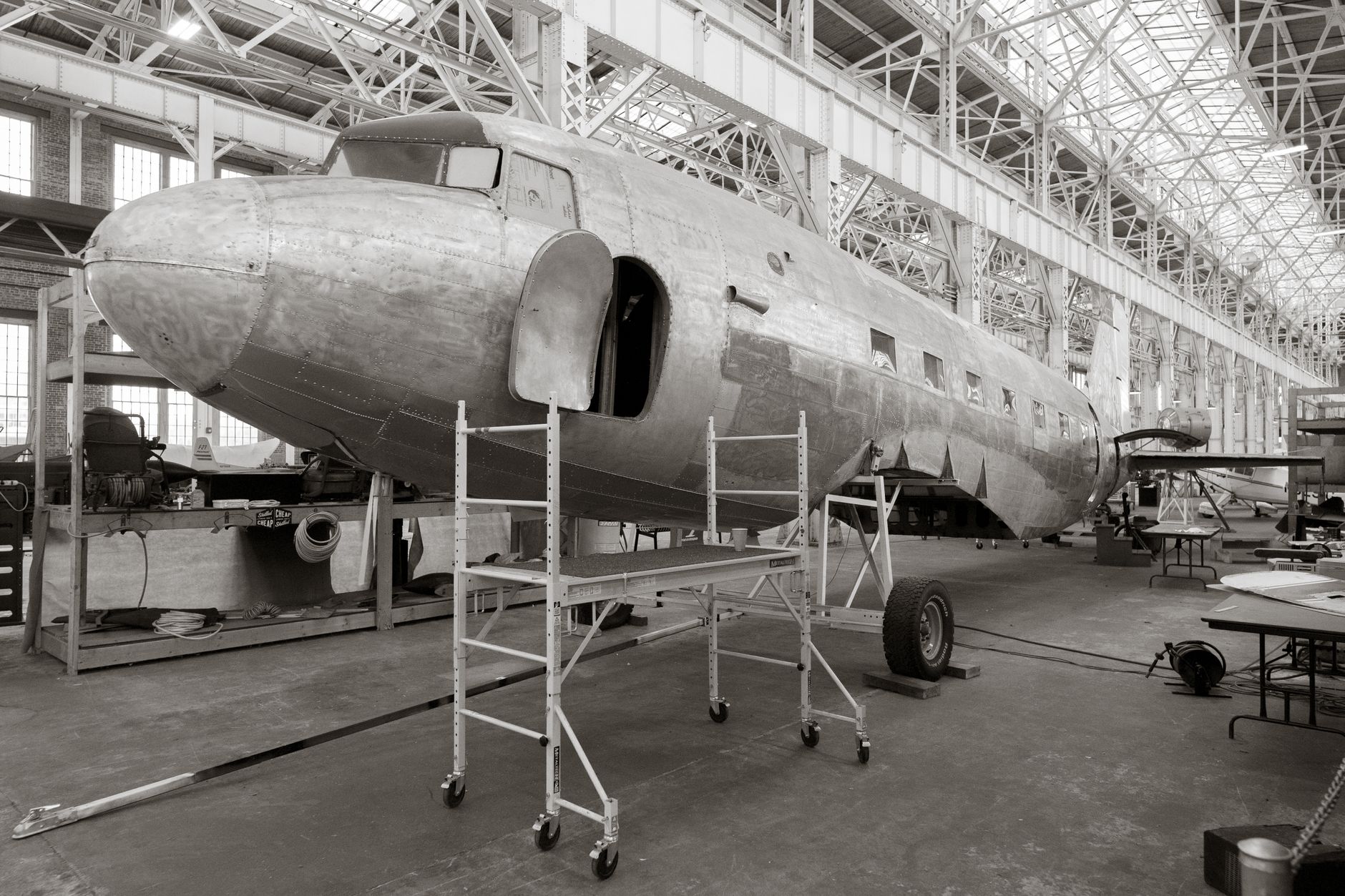
Routes cross clean zones, composite areas, and metal shops with different shoe and bag rules. A cart that is fine in assembly may be barred from a final assembly line without a wipe protocol.
According to BLS industry productivity data, U.S. aerospace product and parts manufacturing employed about 575.6 thousand jobs in 2025. Larger headcount means more simultaneous crib requests and more pressure on runners who already support production peaks.
How should tool identity ride on the robot?
Assign one mission per tool ID or sealed kit. The fleet controller should refuse a pickup if calibration status is expired in the crib system, not after the unit reaches the cell.
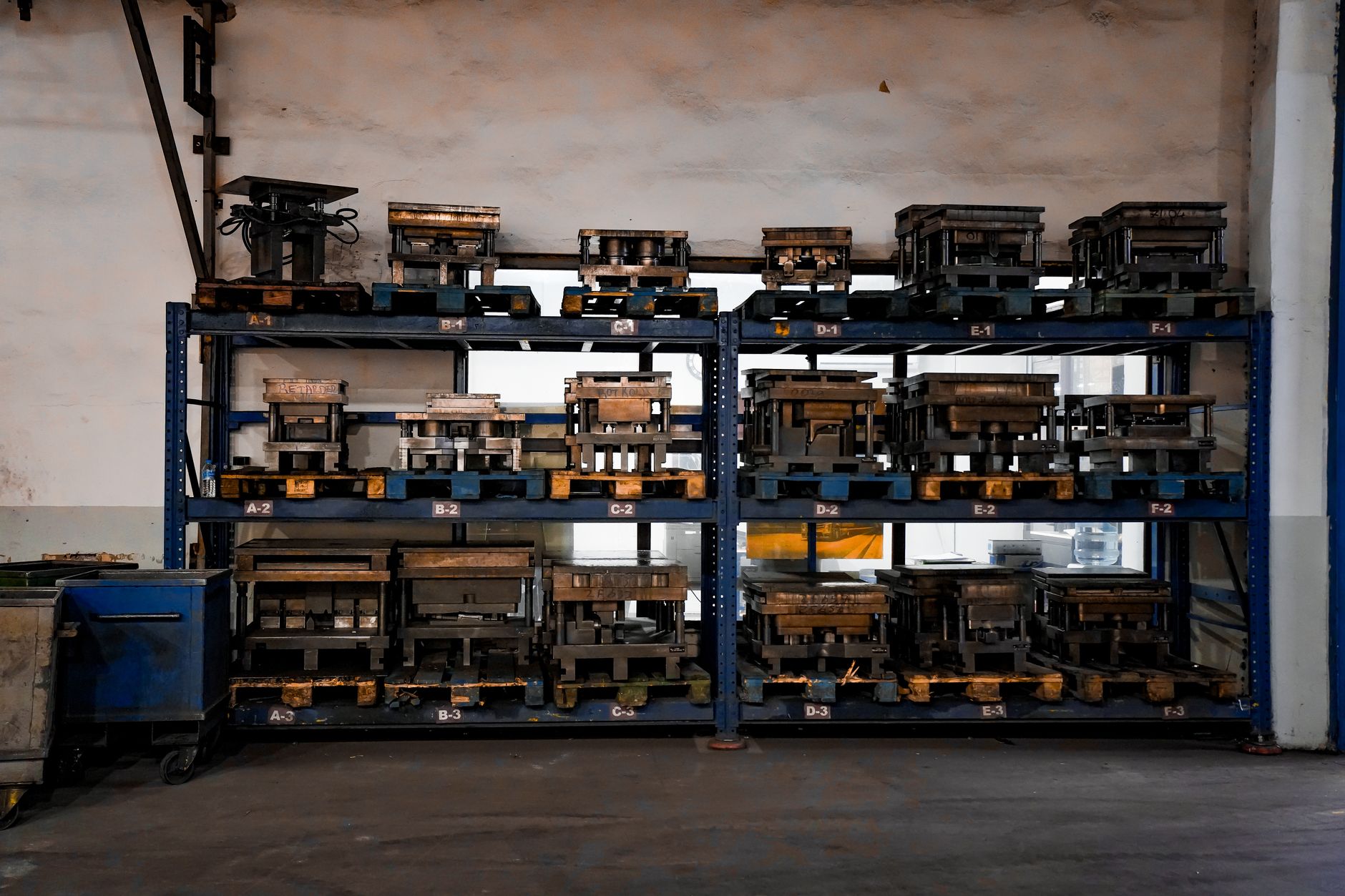
Use fixed cradles with positive retention. Foam cutouts beat open shelves for odd shapes. Scan at crib load, at zone boundaries, and at cell unload so audits reconstruct the path without handwritten notes.
Separate inbound and outbound totes so a returned fixture never rides beside a clean kit headed to final assembly.
- RFID or barcode on the tool, not only on the tote
- Visual mismatch alerts when cradle and scan disagree
- Photo capture optional at handoff for high-value templates
Where does access control enter the route?

Tool cribs already restrict who can issue items. Robots inherit those rules through integration, not a parallel spreadsheet. Only credentialed staff release a mission, and cells acknowledge receipt before the tool is considered available.
Map zones where the robot may travel unattended versus escorted segments near flightline doors or customer audit areas. Badges on doors should match robot permissions so a unit cannot enter a composite clean room without an active escort flag.
Night shift routes need the same enforcement. A quiet aisle is not permission to bypass a calibration hold.
How do urgent recalls work in motion?
Recalls happen when calibration labs find drift, when a vendor bulletin hits, or when quality holds a lot. A tool already on a robot must be stoppable.
Fleet software should support recall flags that reroute to quarantine cribs, hold the unit at the next safe checkpoint, or lock the cradle until a supervisor acknowledges. Manual runners can improvise. Autonomous routes need explicit exception states tested in drills.
Log every recall event with timestamps tied to the tool serial. Auditors care that you can prove the unit never entered a cell after the hold timestamp.
What FOD procedures apply to robot couriers?
Foreign object debris programs focus on loose hardware, stray material, and anything that should not fly. Robot tires, bracket bolts, and chipped cradle liners belong on the same inspection checklist as manual carts.
Sweep robot paths on the same schedule as pedestrian aisles in FOD-sensitive areas. Require a quick cradle wipe when a route leaves a metal shop for a composite zone.
Train machinists to inspect the delivery bay before accepting a tool. A robot did not eliminate the human glance at the foam cutout for metal chips.
When does inspection or certification add stops?
Some tools must pass through a central inspection station on the way to the cell. Program that stop as a required waypoint, not an optional detour.
If a tool fails bench check mid-route, define whether the robot returns it to the crib, moves it to a red tag cage, or waits for a quality tech. Ambiguity creates tools sitting in hallways, which is worse than a late delivery.
Coordinate with calibration vendors on lead times. A robot speeding delivery does not shorten lab turnaround.
How do integrators fit a controlled tooling pilot?
Start with one certified family and one repeatable loop, such as crib to a wing drill cell and back. Run parallel manual and robot couriers until scan logs match human sign-out records.
Service Robot Co. acts as a vendor-neutral integrator: select AMRs rated for your floors and zones, finance through lease or rental, integrate crib and quality systems, and support the fleet through a nationwide field network. One partner keeps recall logic and access rules aligned when software updates ship.
Expand only after FOD and quality sign off on shared paths. Include maintenance, not only production, because their tool requests spike during outage windows.
What should a first ninety days measure?
Track time from crib release to cell scan, not just robot travel minutes. Compare mis-route incidents and overdue calibrations detected at load versus at bench.
Count recall drill success rate separately from daily deliveries. A recall that fails in simulation will fail on the floor during a real bulletin.
Review battery and wheel wear in FOD zones. Debris accelerates maintenance if ignored.