Key takeaways
- Backstage AMRs work best on repeat cart moves between dock, storage, shops, and stage doors, not one-off creative runs.
- Show-call windows and union crew traffic define when the robot may move; software no-go zones matter more than top speed.
- Temporary scenery and cable mats force teach-and-repeat routes with daily verification, not a single permanent map.
- Transport and logistics led professional service robot sales in 2025, which supports rental pilots before capital buys.
- One integrator can map narrow passages, train stagehands, and service units through a nationwide engineer network.
What problem do backstage AMRs actually solve?
Autonomous mobile robots fit theater back-of-house work when the job is moving stabilized loads on known paths. Cases, prop bins, consumable carts, and shop-built pieces that already sit on dollies or cage carts are good candidates. The robot is not choosing which prop goes on stage. It is hauling what stage management already released on a schedule the building trusts.
According to the International Federation of Robotics, transportation and logistics remained the largest professional service robot application in 2025, with 117,500 units sold, up 21 percent and about 47 percent of the professional market. That scale matters for performing arts centers because vendors now ship tug-style and cart-lifting AMRs with mature fleet software, not one-off prototypes.
For a production manager, the win is fewer hand trucks blocking a narrow passage during a half-hour preset, and fewer missed runs to the scene shop when everyone is on headset dealing with a lighting fix.
Which moves should you automate first?
Start with dock-to-storage and storage-to-shop loops that happen every day of load-in, not only on opening night. Empty cases returning to the dock after strike follow the same geometry in reverse. Consumable restocks for gaff tape, hardware, and paint shop supplies repeat on fixed days.
Second-wave targets include pre-show cart staging near the stage door queue line, where multiple departments need the same corridor in sequence. Keep the first pilot off the deck during performance unless you have a dedicated robot lane marked on the floor and agreed call times.
Avoid launching with a single heroic run that crosses the entire building during a live cue. Build credibility with the crew on boring moves they already dislike doing twice.
- Dock intake to central storage with barcode or checklist release
- Scene shop to wing storage when no fly rail work is scheduled overhead
- Return runs for empty crates after strike while carpentry resets platforms
How do tight corridors and temporary scenery change the design?

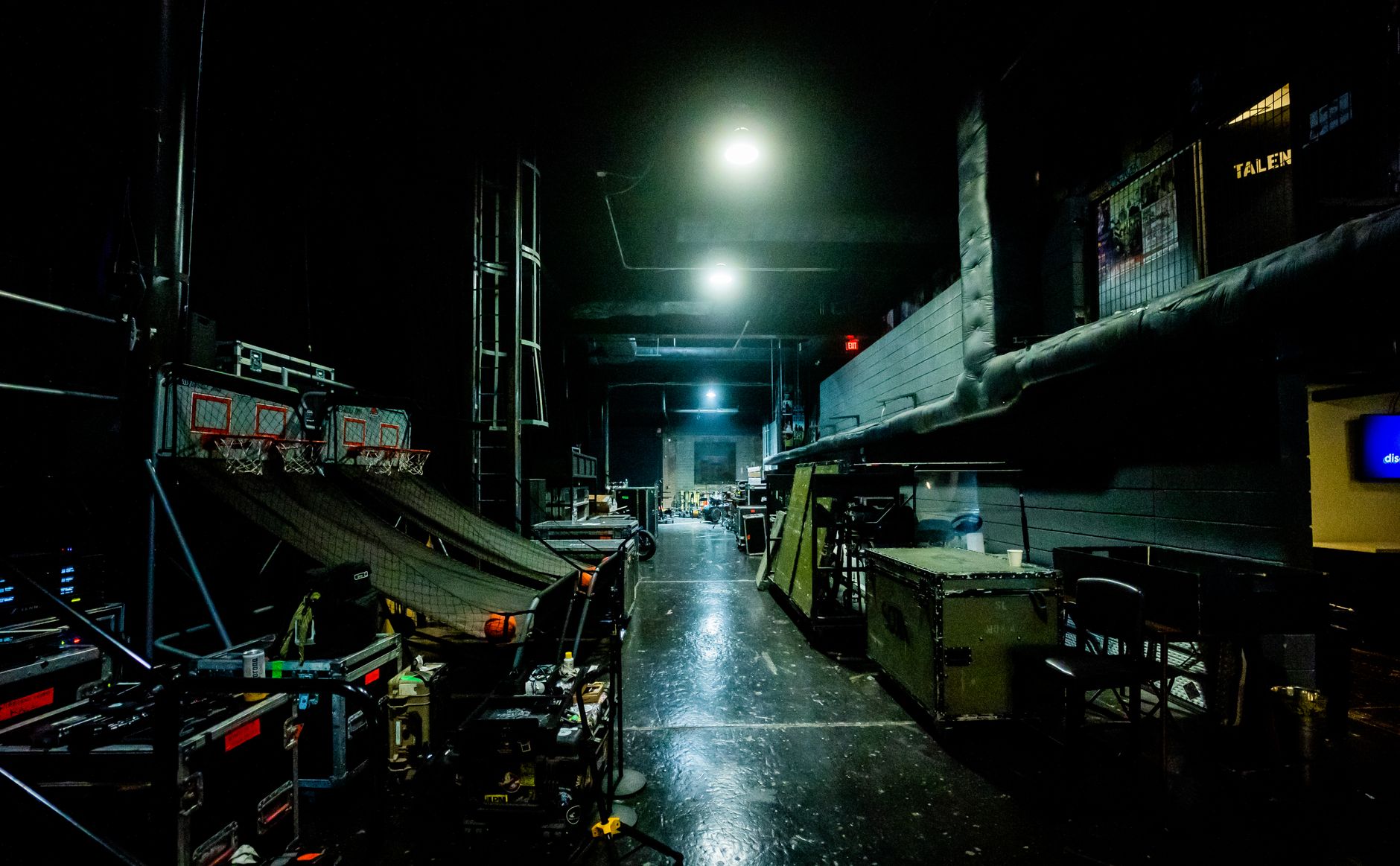
Theater back passages were built for people and hand trucks, not wide AMR footprints. Measure choke points with set pieces in place, not on an empty dark day. Width changes when a flat is leaned against a wall or when cable ramps cover a seam for a run-through.
Treat every load-in as a map revision. A teach-and-repeat workflow lets a lead stagehand walk a route once per production, save it as a named job, and retire it when the show closes. Permanent SLAM maps help in stable basements; they fail when flats move daily.
Mark soft zones where the robot must slow to walking pace even if the aisle is technically clear. Crew heads should always win right-of-way. Audible cues and visible lighting on the robot reduce surprises when someone steps out of a black curtain.
How should show-call timing drive the schedule?
Build the fleet calendar around call sheets, not factory shifts. Block robot moves during preshow checks when electrics and sound need the same lanes. Allow automated runs during meal breaks, overnight shop prep, and morning maintenance windows when the house is dark.
Integrate hold buttons at dock and stage doors so a stage manager can pause the fleet when a rehearsal overruns. Log every hold in the fleet dashboard. Patterns show whether you need a second cart or a wider time buffer, not more staff arguments.
Opening night is the wrong night to expand routes. Freeze the pilot scope two days before first preview and use tech week only for bug fixes.
How do crews stay safe and in control?
Train deck carpenters, props, and running crew on three tasks: start a approved job, pause the robot, and clear a fault without rebooting the whole fleet. Post laminated recovery steps at each dock the robot uses.
The IFR classifies indoor transport with public traffic separately from warehouse-only lanes. Backstage with union crew and visiting artists behaves like public traffic even though the public never sees it. Plan for stop-on-sight behavior when someone crosses without looking.
Run tabletop drills with wardrobe and stage ops before the first autonomous move. Ask where headphones block audible alerts and adjust horn volume or add floor lighting accordingly.
What should you verify before signing a rental or lease?
Confirm payload and cart interface on your actual dollies, not demo carts from the integrator. Verify ramp grades at loading doors and elevator thresholds with weight on the deck.
Ask how the vendor handles Wi-Fi dead zones under steel decks. Some fleets store routes locally and sync when connectivity returns.
Professional service robot shipments rose about 24 percent to nearly 250,000 units worldwide in 2025, according to IFR press materials. That volume supports month-to-month rental and robot-as-a-service models in the United States, which fits seasonal productions and touring houses that cannot justify a permanent purchase.
Service Robot Co. stays vendor-neutral across tug and cart-lift platforms, then finances, maps, trains, and services the units through regional engineers in all fifty states. One partner owns select, deploy, and repair so production is not juggling separate hardware, software, and break-fix vendors during load-in week.
What does a sensible pilot look like?
Pick one production with a long sit-down schedule, not a one-week festival. Run two routes maximum for three weeks. Measure completed cart moves per shift, holds caused by crew traffic, and time saved against a manual baseline you record during the first two days.
Expand only after props and carpentry leads sign off that the robot stayed out of artistic decisions and never blocked an emergency egress path.
If the pilot fails, you still keep the route maps and floor markings for the next show. Failed pilots that document choke points help the building capital plan for widened passages or dedicated robot storage.