Key takeaways
- Automate keg trains on fixed wash-to-fill spines before you chase every packaging exception.
- Rolling-load restraint and low corner speed matter more than payload headline numbers on wet floors.
- Separate clean, dirty, and return keg zones in software, not only with floor tape.
- Human handoffs stay at washers, fillers, and dock doors; robots own the repeat corridor miles.
- Pilot one loop during a normal production week before peak seasonal volume.
Why automate keg moves inside a brewery?
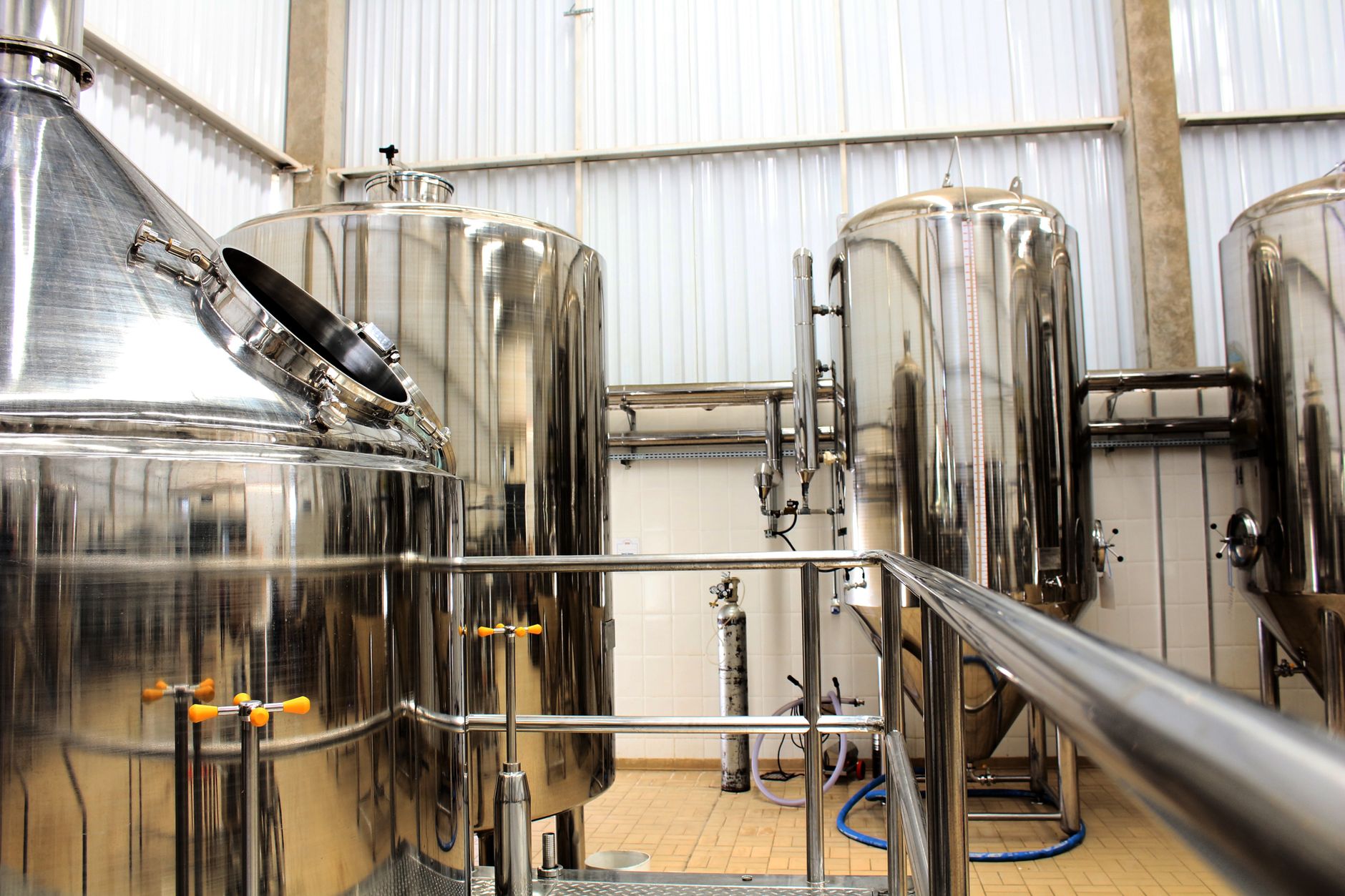
Breweries move steel kegs all day between washing, filling, cold storage, and shipping staging. Forklifts and hand trucks stack up in the same aisles as packaging lines, and every manual keg walk steals time from cellar and quality work.
Autonomous mobile robots fit when the route repeats and the cart footprint is standard. They are not a replacement for skilled brewers at the filler. They excel on tug-style keg trains between fixed stations you can map once and run all week.
According to BLS Current Employment Statistics, U.S. brewery employment on private payrolls averaged about 108,000 workers in 2024 under NAICS 31212. Even craft and regional plants with smaller headcounts still burn labor on the same keg loops shift after shift.
Which keg loops belong on an AMR first?
Start with empty keg returns from packaging back to the washer when every keg rides the same dolly train and the path avoids live filler heads.
Full keg moves from cold storage to shipping hold fit when staging lanes are wide and schedules repeat daily.
Leave one-off oversized tanks and odd cooperage on existing lift equipment until you validate deck stiffness and strap points.
- Empty keg trains from depalletizing to washer infeed
- Clean keg carts from washer exit to filler staging
- Full keg runs from cold room to dock hold
- Return keg loops from taproom receiving to wash queue
How do wet floors and washdown exposure affect AMRs?
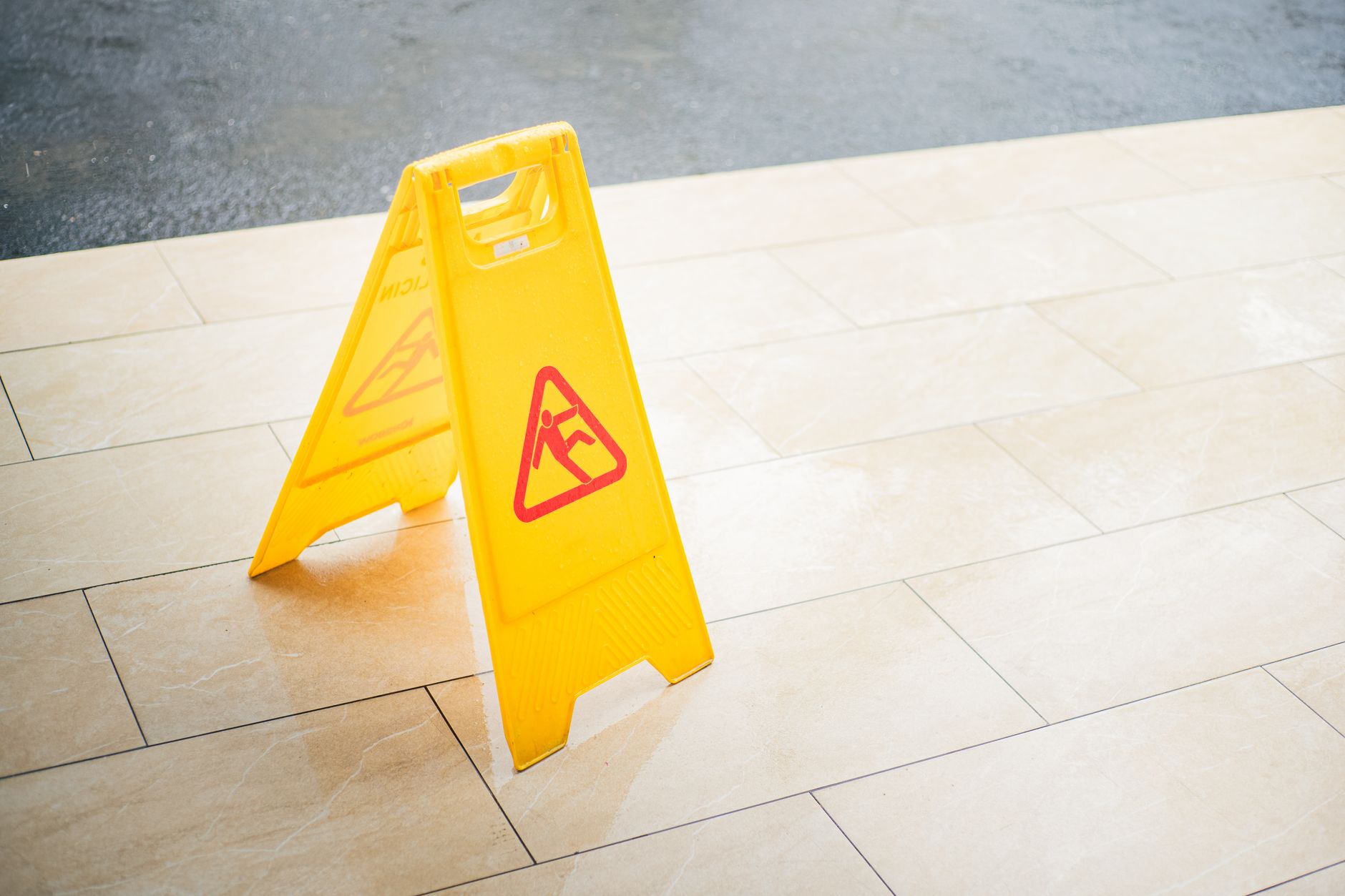
Brewhouse floors stay wet near washers, fillers, and hose stations. Traction tests belong on those surfaces before go-live, not on dry office tile.
Specify enclosure ratings for splash zones and keep charging docks out of direct caustic spray. Night crews should know which chemical cycles run before the first AMR trip after washdown.
Drain grates and floor slope can pull a loaded keg train sideways. Cap speed near drains and paint keep-clear stripes so robots never diagonal-cut a sloped bay.
Condensation from cold rooms can ice threshold ramps in winter. Schedule slower speeds on those segments and inspect door seals so robots do not wait in a puddle while a cooler cycles.
How do cold storage handoffs differ from wash floor handoffs?
Cold room doors create air curtains and floor transitions that confuse sensors when stacks of kegs sit near the threshold. Mark a handoff stripe outside the cooler and let humans place kegs on the train inside.
Full keg trips should release only when the cooler inventory system shows pick-ready status. Otherwise robots queue with product warming on the deck.
Return kegs from the taproom often arrive warm and dirty. Route them on a separate spine that never crosses clean keg staging bound for fill.
What rolling-load restraint does a keg train need?
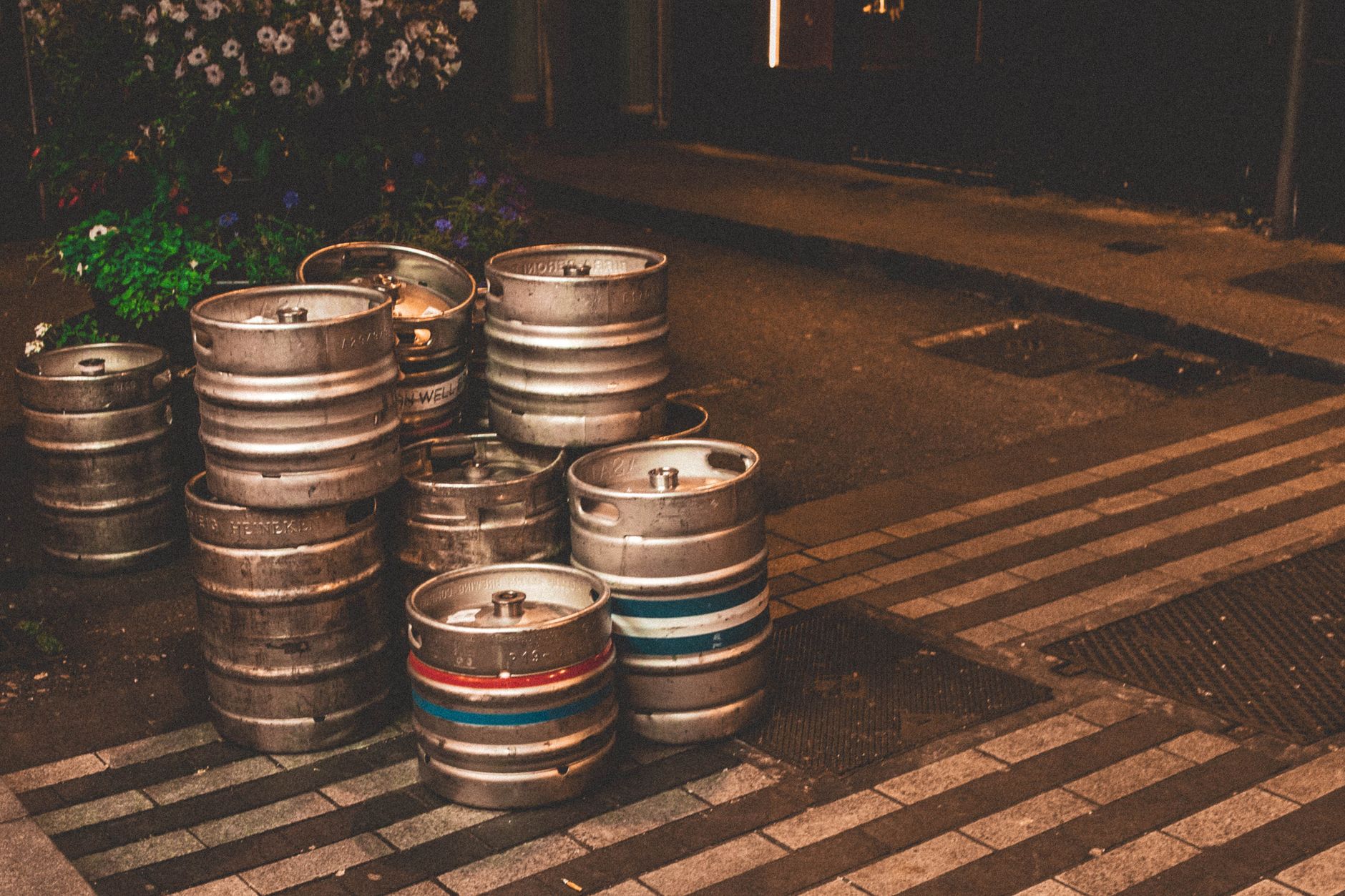
A half-barrel keg weighs enough to injure someone if it rolls on a deck or tips in a corner. Use nest cradles or strap fixtures bolted to the AMR top module, not open flat decks.
Train staff never to override restraint to save thirty seconds. The audit question after an incident is always whether the fixture matched the keg type on that trip.
Mixed keg sizes need separate cart profiles in fleet software so the robot refuses a load that does not match the released job.
How do you keep robots clear of packaging congestion?
Canning and bottling lines generate fork traffic, pallet wrap, and temporary case stacks that change hourly. AMRs need a dedicated spine away from active filler infeed when possible.
When packaging runs peak, increase trip frequency on the same route before you widen geography. One robot running washer to filler every fifteen minutes beats one robot wandering the whole plant once an hour.
Publish temporary no-park zones during flavor changeovers so robots do not queue in doorways where operators need sight lines to seamers and labelers.
How should custody and status follow each keg trip?
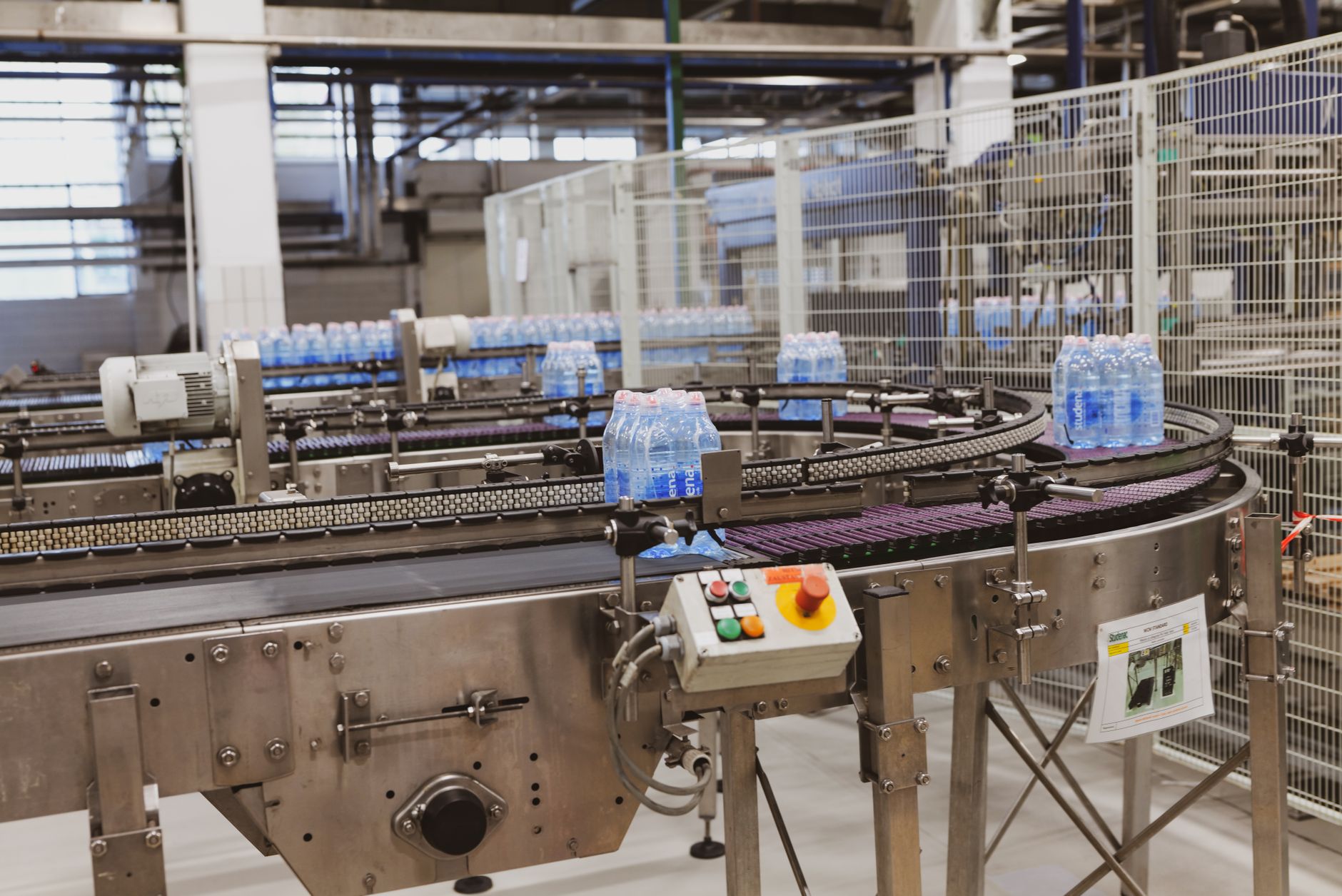
Tag trips as empty, clean, full, or return in fleet software and tie each move to a batch or work order when data already exists in your ERP.
If a filler stops mid-run, hold open AMR tasks so full kegs do not arrive at a idle line. Exception codes should send loads to a labeled overflow lane, not a hallway cart.
Return kegs from accounts need a dirty status until wash completes. Mixing status classes on one train is an audit and quality risk without software guardrails.
Barcode or RFID on keg collars helps, but the trip record still needs a human-readable exception owner when a tag fails. Quality teams review those logs weekly in the first quarter after go-live.
What training do cellar and packaging crews need?
Operators should know how to pause a route, clear a hose crossing, and release a held trip without bypassing status rules.
Forklift drivers need a shared map of robot spines and blind corners. Five-minute shift huddles beat surprise alarms at the washer infeed.
Maintenance should log floor coating changes and drain work so the integrator updates speed profiles before the next production day.
Where does a neutral integrator shorten the pilot?
Service Robot Co. walks the brewhouse with production and safety leads, selects tug-style AMRs across OEM-neutral options, wires trip release where you already track batches, trains cellar staff on overflow rules, and keeps units running through a nationwide field service network.
Pilot washer-to-filler for four to six weeks on a normal production mix before you trust routes during peak seasonal volume.
What should brewers measure in the first 90 days?
Track keg wait time at washer and filler staging, not robot miles. Waiting kegs mean release logic or capacity is wrong.
Count manual overrides per shift. Spikes at one intersection mean layout clutter or hose crossings, not bad sensors.
Compare dock-ready full keg time before and after go-live on the same SKU mix.
Log near-miss reports where robots meet forklifts or pedestrians. Flat counts after re-marking lanes are the proof point production managers need.