Key takeaways
- Convention centers are often a stronger first AMR fit in back-of-house transport than in front-of-house guest tasks.
- The labor case is straightforward: long walks, repeat routes, short turnover windows, and physically taxing cart work add up fast.
- The best first moves are predictable and low-risk: signs, stanchions, linens, small equipment, and exhibitor replenishment.
- A pilot works best when it starts with one route family, one dock-to-storage loop, and clear handoff rules.
- Service Robot Co. helps venues run this as one lifecycle program, from robot selection and financing through deployment, training, and field service.
Should convention centers use AMRs for internal supply moves first?
Yes. For many convention centers, autonomous mobile robots are a better first automation project in internal transport than in guest-facing work or even some cleaning deployments. The reason is operational, not theatrical. Back-of-house moves happen every show, on tight clocks, across very large footprints, and they consume paid hours that rarely create a better attendee experience on their own.
The repetitive work is familiar to every venue team: move wayfinding signs from storage to registration, reposition stanchions after a room flip, shuttle linens to banquet areas, take small AV or power accessories from one hall to another, and carry exhibitor supplies during setup and teardown. These are not glamorous tasks, but they are constant. They are also route-based, which is exactly what makes them suitable for AMRs.
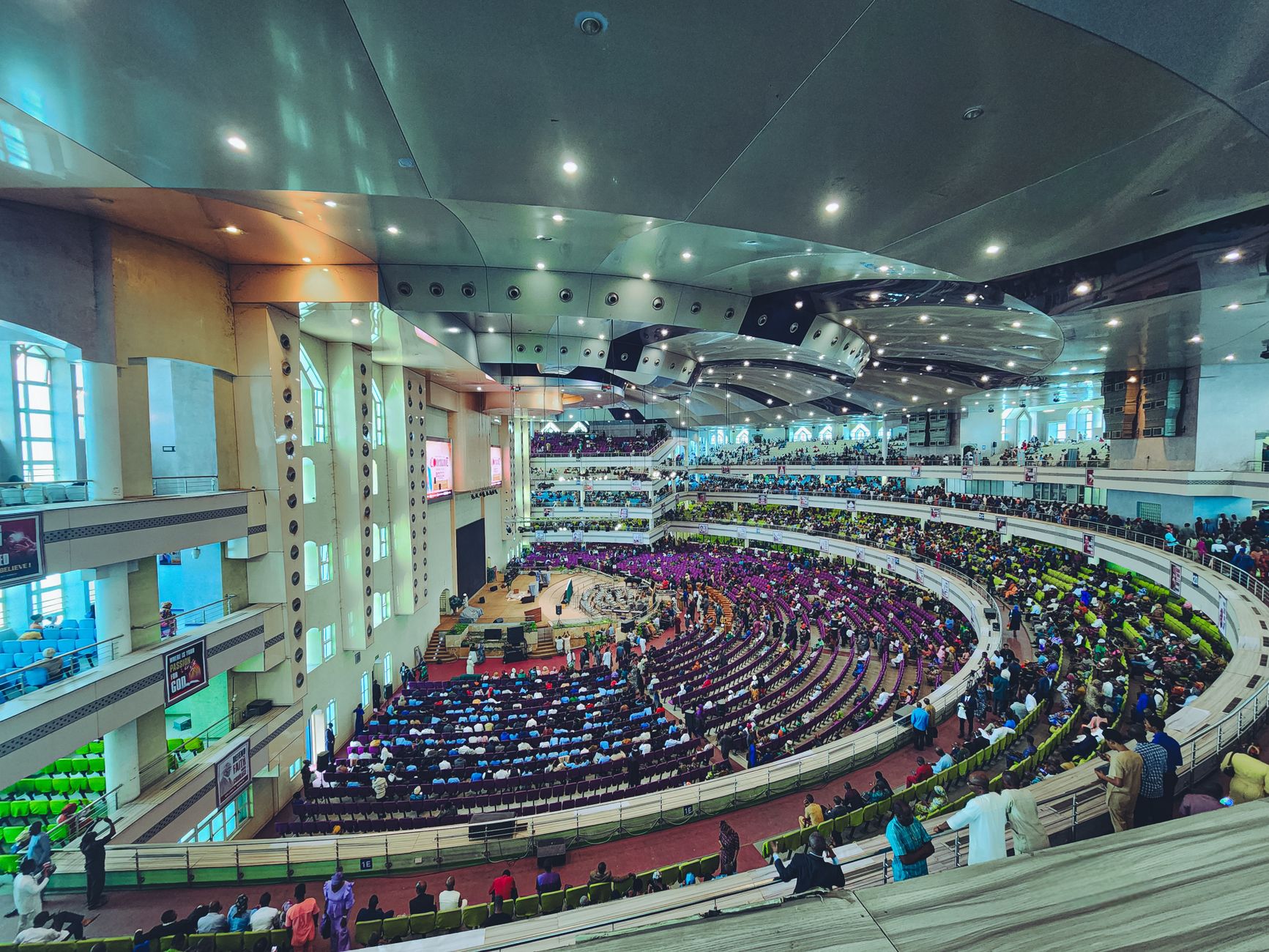
The venue scale matters. McCormick Place says it has 2.6 million square feet of exhibit space, with 1.2 million square feet on one level. The Orange County Convention Center lists 2,055,222 square feet of exhibit space and says it averages nearly 200 events a year, including 115 conventions and trade shows, attracting more than 1.5 million attendees. In buildings like that, the long walk is not a side issue. It is part of the cost structure.
Why does this workflow hurt more than operators expect?
Convention turnover compresses labor into awkward windows. Teams are not just working hard. They are working hard while several departments are competing for docks, corridors, storage rooms, freight elevators, and radio attention. A task that sounds minor on paper becomes expensive when it happens 40 times in a day across a campus-scale building.
The labor profile supports that. The Bureau of Labor Statistics says meeting, convention, and event planners held about 155,800 jobs in 2024, with about 15,500 openings projected each year, and notes that many work more than 40 hours a week as events approach. Support crews feel the same pressure from the other side. In May 2025, BLS reported average annual pay of 42,260 dollars for laborers and freight, stock, and material movers, hand, and 53,320 dollars for first-line supervisors of housekeeping and janitorial workers.
Those wages are not the whole story. Time lost in walking, queuing, and hunt-and-fetch work is what bloats turnover. One person can spend ten minutes making a simple sign run, but a venue can trigger dozens of those runs between load-out and the next setup. That is why repetitive transport automation matters here. The value is in removing hundreds of fragmented trips, not one heroic trip.
What exactly should an AMR move in a venue?
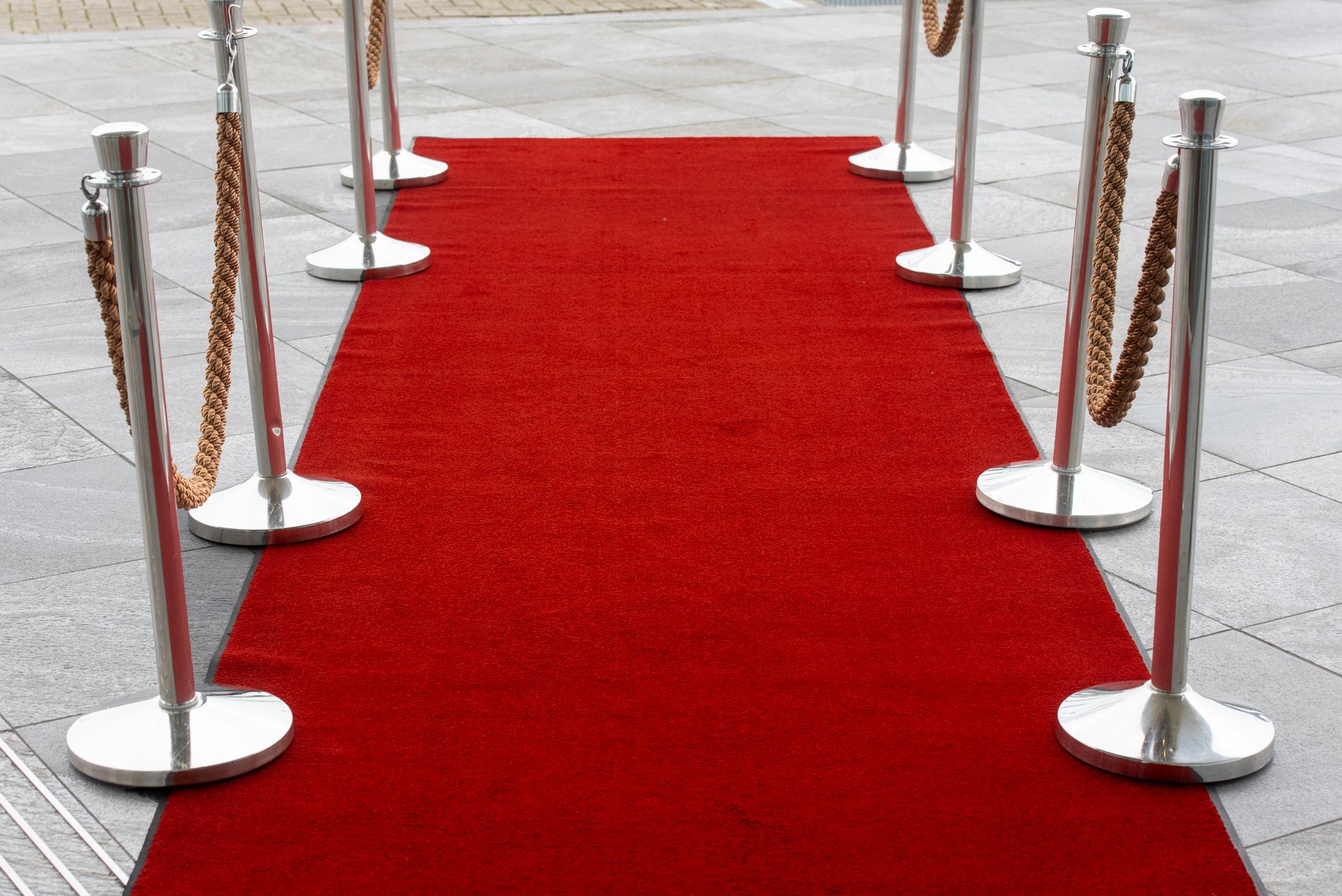
The best first candidates are compact, repeatable, and operationally annoying. Think nested stanchions, retractable belt posts, registration signs, easels, pipe-and-drape accessories, linen bins, folded table coverings, boxed badge stock, giveaway cartons, battery chargers, small AV kits, and exhibitor replenishment totes. These items travel often, do not require delicate judgment on every trip, and usually move along known corridors.
The next tier includes tug-style cart pulling for heavier but still structured moves, especially when staff already use wheeled carts. That can cover banquet support items, bottled-water loads, amenity stock for green rooms, and timed replenishment from dock or storage to event zones. Once a venue proves the route discipline, more loops can be added.
What should not be first is just as important. Loose mixed loads, irregular oversized decor, ad hoc emergency requests, and moves that require constant path improvisation usually belong later. A good first phase is boring by design. Boring routes are where reliability comes from.
- Registration and directional signs between storage, lobby, and hall entries
- Stanchions and queue-control hardware before and after registration peaks
- Linens, folded skirting, and banquet support items between laundry, storage, and event rooms
- Small equipment such as chargers, cable kits, scanners, radios, and accessory bins
- Exhibitor-supply totes on scheduled replenishment loops during move-in and move-out
What makes convention centers unusually good AMR territory?
Three traits stand out. First, the routes repeat. A sign cage goes to the same family of destinations every event week. A registration build follows a recognizable pattern. Linen and small-equipment support runs usually start and end in known rooms. Second, the buildings are large enough for walking waste to accumulate quickly. Third, the work is mixed-shift by nature, which means robots can be scheduled across early-morning, overnight, and off-peak periods without asking a venue to rewire its entire staffing model.
The event market is also active enough to justify operational discipline. TSNN reported that the 2025 National Farm Machinery Show drew 169,831 attendees, and the Las Vegas Convention and Visitors Authority says Las Vegas hosted 5,988,200 convention delegates in 2025. Volume like that keeps pressure on dock operations, room turns, and support logistics. Even venues outside the largest markets face the same pattern in miniature: compressed setup, guest-visible deadlines, and too many internal hand-carry trips.
This is why AMR rental, robot leasing for business, and other monthly payment programs can make sense for venues that want to test repetitive transport automation without overcommitting. The use case is easy to measure. Routes, trips, handoff times, and missed runs can all be counted.
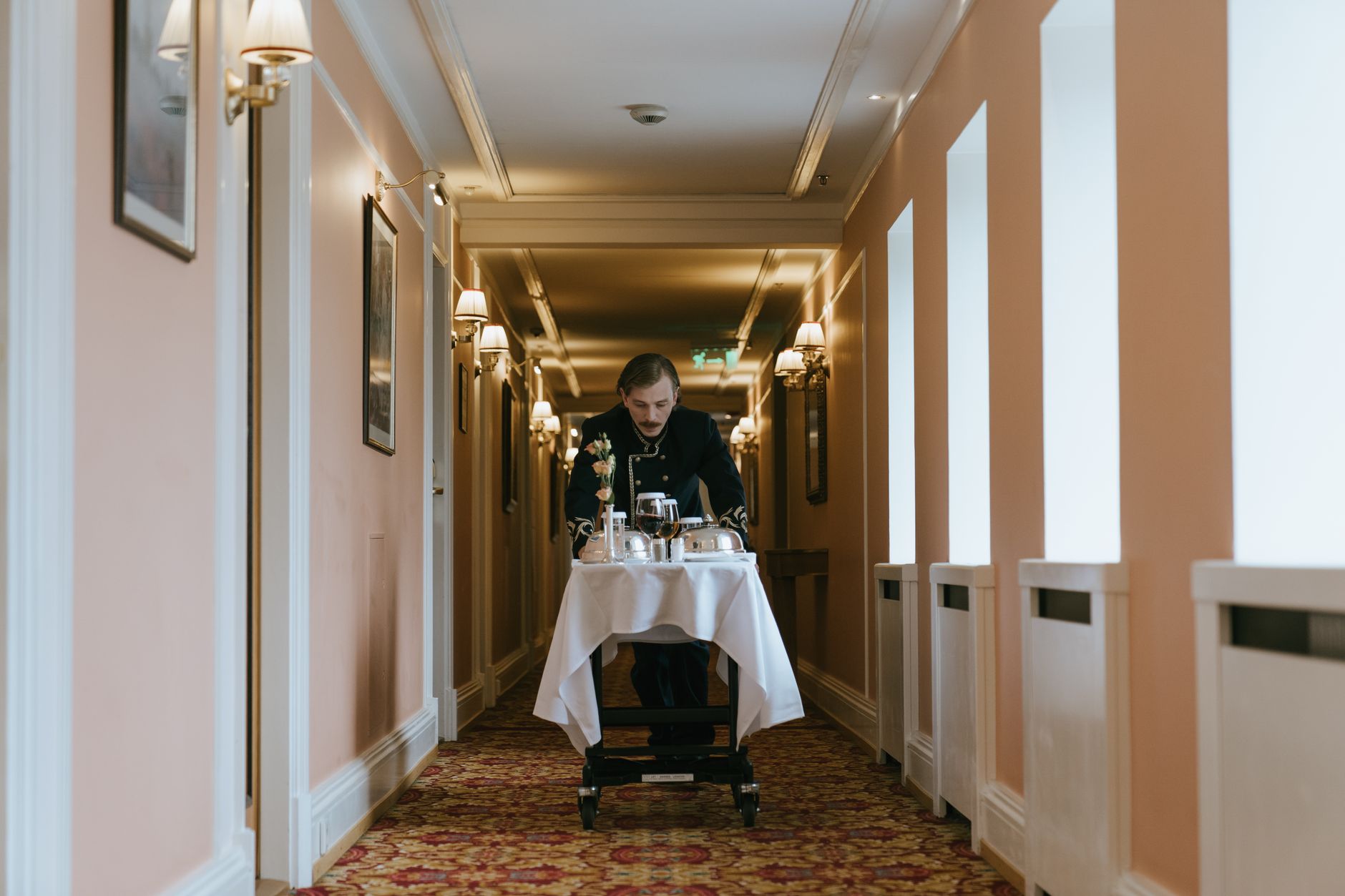
What does the safety and ergonomics case look like?
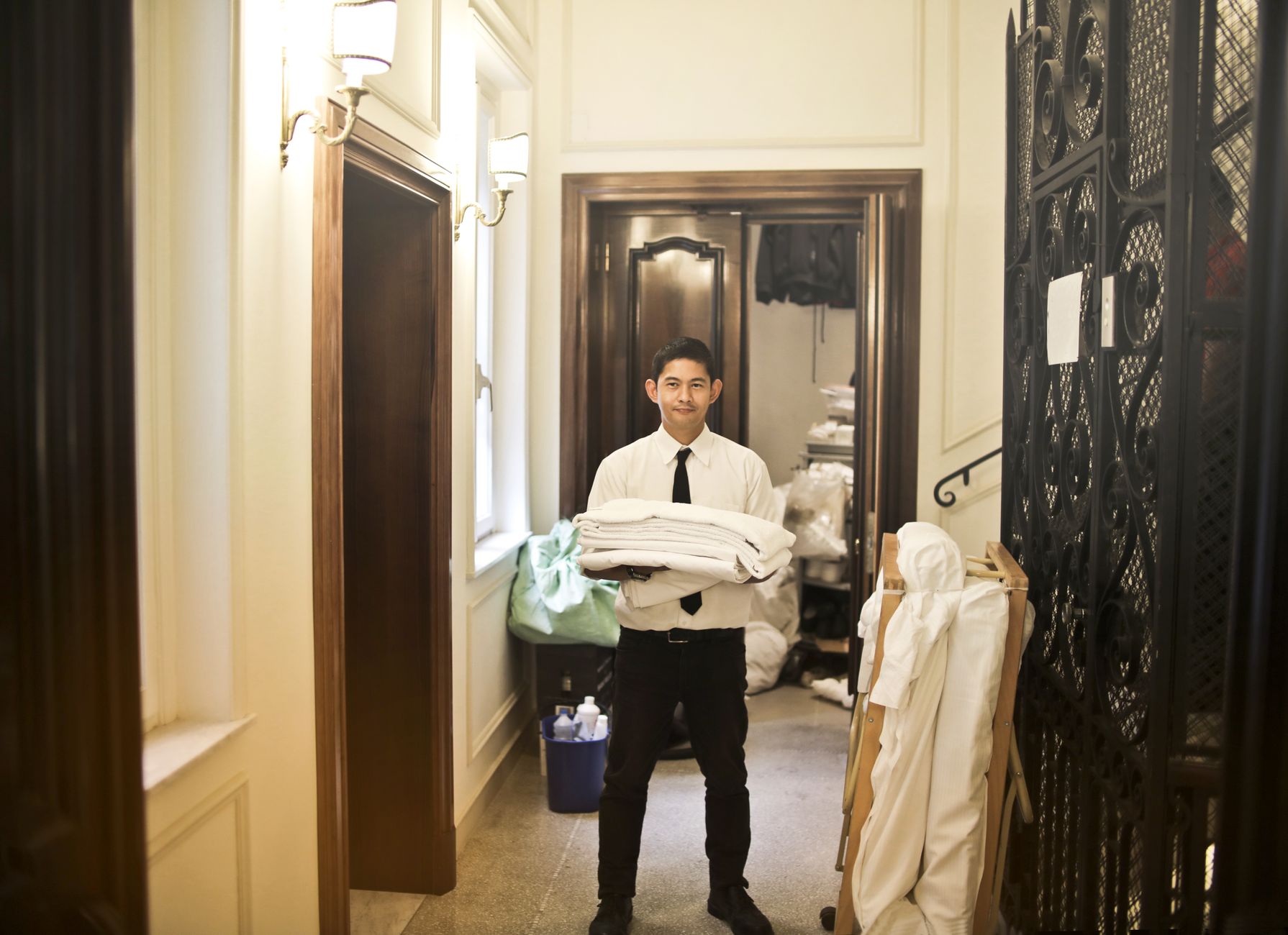
It is stronger than many venue teams first assume. The Bureau of Labor Statistics says transportation and material moving workers spent an average of 65.2 percent of the workday standing in 2023. The same profile says 83.4 percent of those jobs required low postures and 93.2 percent required reaching at or below the shoulder. That does not describe every venue runner exactly, but it is close enough to explain why repetitive carrying and cart work wears people down.
OSHA is even more direct. Its ergonomics guidance says manual materials handling is the principal source of compensable injuries in the workforce, and it recommends conveyors or carts for horizontal motion whenever possible. In a convention center, AMRs are the modern extension of that logic. They reduce the number of low-value trips people make with awkward loads and let staff spend more time on the parts of event work that actually require judgment, guest interaction, or physical setup skill.
That matters for morale as much as compliance. Staff do not mind hustle when the work is meaningful. They do mind crossing the same corridor for the ninth time because a stack of signs was left in the wrong room or because a replenishment tote has to be hand-carried from a distant storage area.
How should a venue pilot this without disrupting live events?
Start with one route family and one payload family. A strong first pilot might be registration signage and stanchions, or linens and small banquet support items between storage and a predictable event zone. Keep the path mostly back-of-house. Define pickup points, drop points, dispatch rules, and exception handling before the first run.
Do not treat the robot as an extra pair of hands waiting for random requests over radio. Treat it like scheduled transport capacity. That means time windows, cart standards, load limits, corridor rules, and ownership by one operations lead. If an AMR can complete the same loop reliably for two or three event cycles, then the venue has real evidence, not a demo-memory.
The pilot scorecard should stay simple. Measure trips completed, average delivery time, staff minutes removed from walking, route exceptions, and percent of moves handled without manual intervention. That is enough to decide whether to expand to exhibitor replenishment, banquet support loops, or multi-robot coverage.
Where does a full-service integrator change the outcome?
This is one of those deployments where the hardware matters less than the operating fit. Convention centers need the right payload form factor, route logic, charging plan, and service model. They also need somebody to own the messy middle between pilot enthusiasm and daily reliability. That is where a vendor neutral robot integrator earns its keep.
Service Robot Co. is built for that role. We are a full-service commercial robot integrator for U.S. businesses, and we stay OEM-neutral so the robot that fits your floor and workflow is the one we recommend. We handle lease rental or sale structures, deployment, integration, training, and service through a nationwide U.S. engineer network. One partner, one number, and one lifecycle instead of a venue stitching together hardware, software, financing, and field support on its own.
For convention centers in particular, that lifecycle matters because event calendars do not tolerate downtime well. A venue does not need a science project. It needs repetitive transport automation that shows up on time, works through turnover, and has service coverage when a busy week exposes an edge case.
Why this use case is likely to expand from one loop to many
Once a venue proves that an AMR can move signs or linens reliably, the next opportunities usually reveal themselves quickly. Dock-to-storage transfers, exhibitor-supply replenishment, post-event collection loops, and support for premium spaces often sit adjacent to the first route. The real unlock is not one robot. It is operational confidence.
That confidence comes from choosing the right first workflow. Convention centers do not need to begin with the most visible robot use case. They need the one with the clearest path to daily usefulness. Internal transport wins that test more often than people expect because it lives where the venue already spends time, labor, and attention.
In other words, the first robot use case in a convention center is often not the floor. It is the long walk behind the floor.